
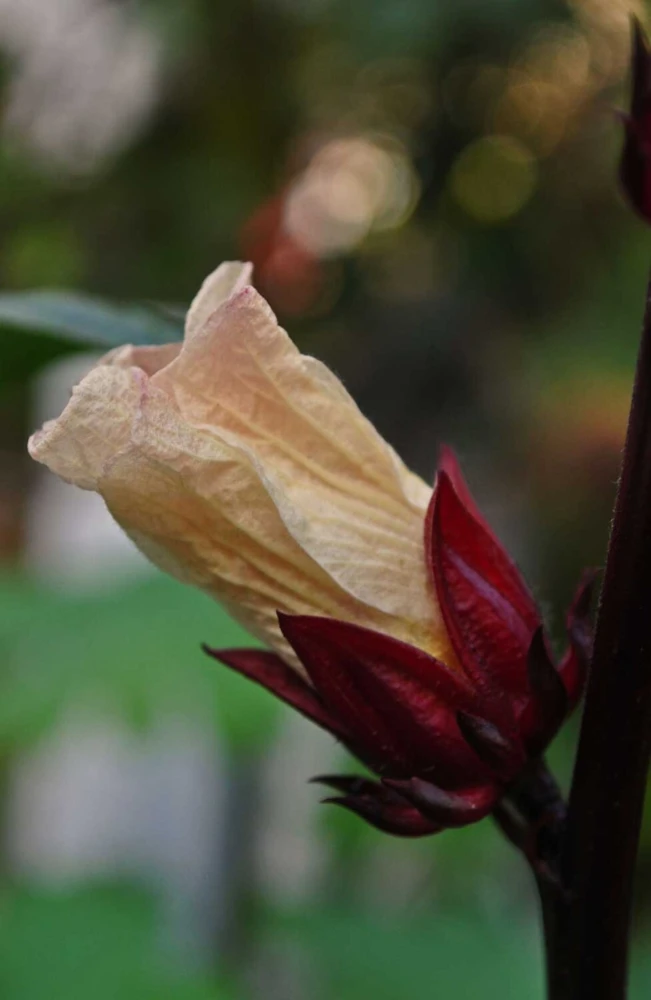
Roselle Hibiscus Seeds – Jamaican Tea, Edible Leaves & Flowers – 20 Seeds
Original price was: 48.91 $.19.91 $Current price is: 19.91 $.
Cultivate your own vibrant roselle hibiscus seeds, also known as the Jamaican Tea plant. These versatile seeds grow into a beautiful shrub producing edible leaves and calyces perfect for teas, drinks, and culinary uses. Enjoy a rewarding gardening experience with these easy-to-grow seeds.
Estimated arrival
Nov 26
Dec 01 - Dec 03
Dec 03 - Dec 08
See our Shipping Policy.
Get in touch with us via email, and our team will review your concerns.
Our Alive & Thrive Guarantee covers issues with your plants within the first 30 days. Read our Refund & Returns Policy.
-
USDA Hardiness Zone
USDA zones 9b to 11 -
Soil Type
Well-draining, rich in organic matter -
Sunlight Exposure
Full sun (at least 6 hours direct sunlight daily) -
Expected Planting Period
Spring after last frost
Overview
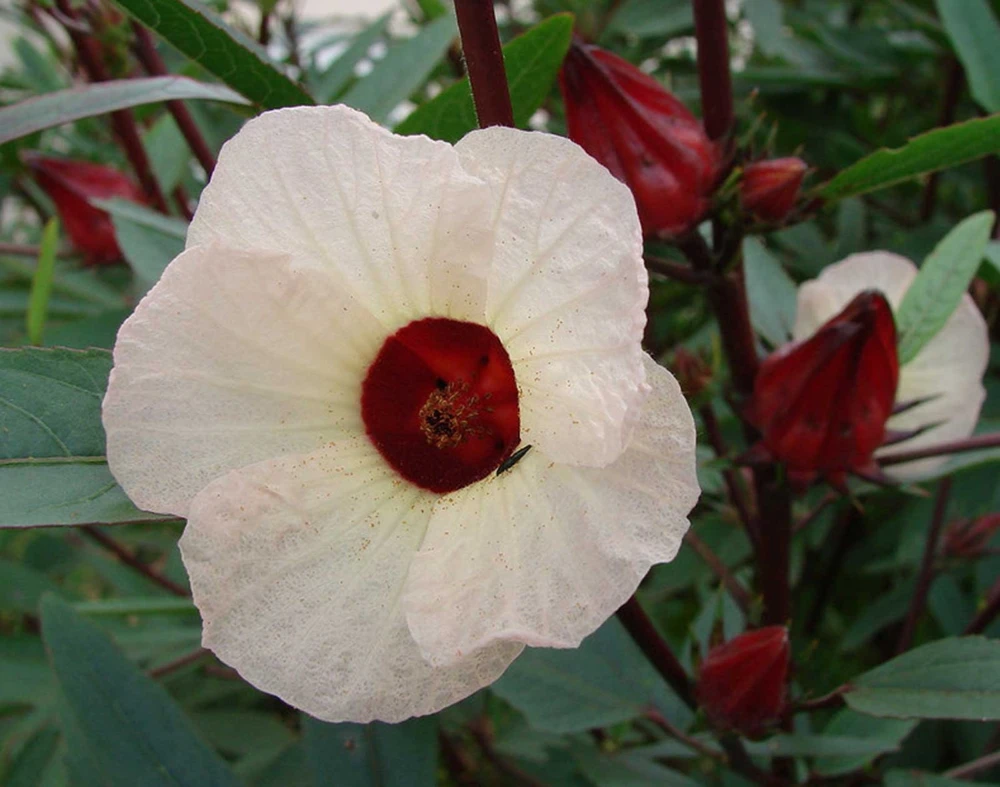
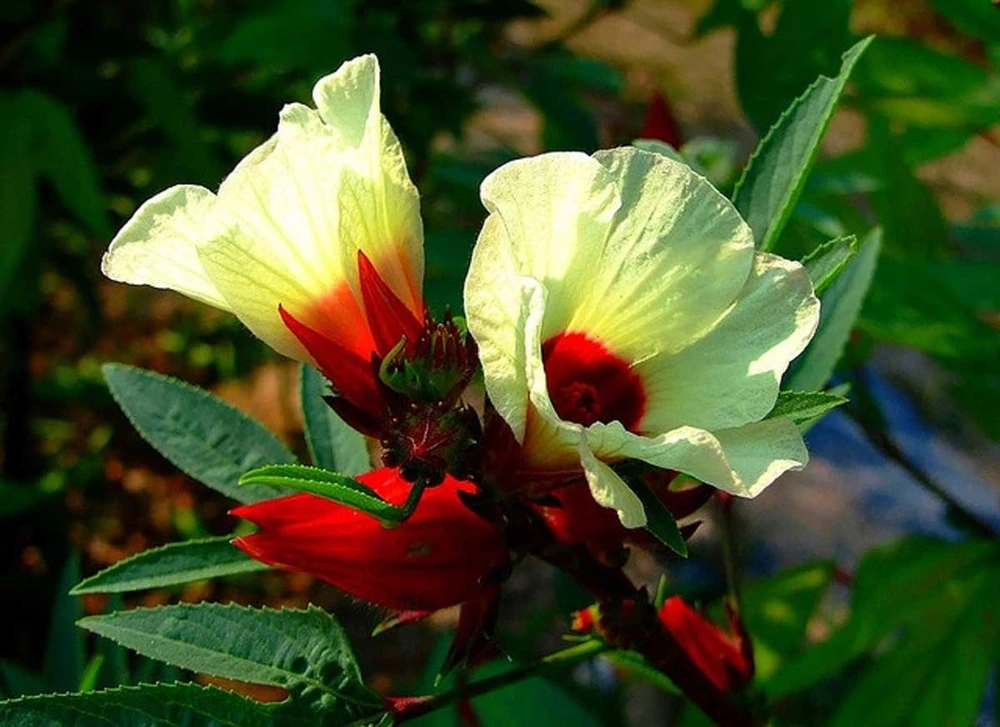
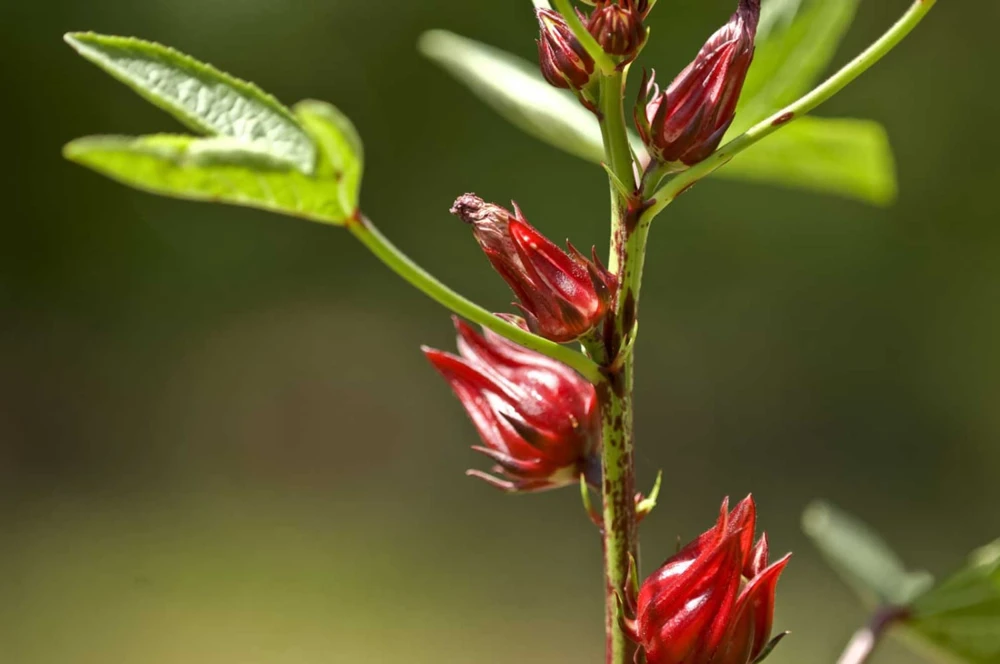
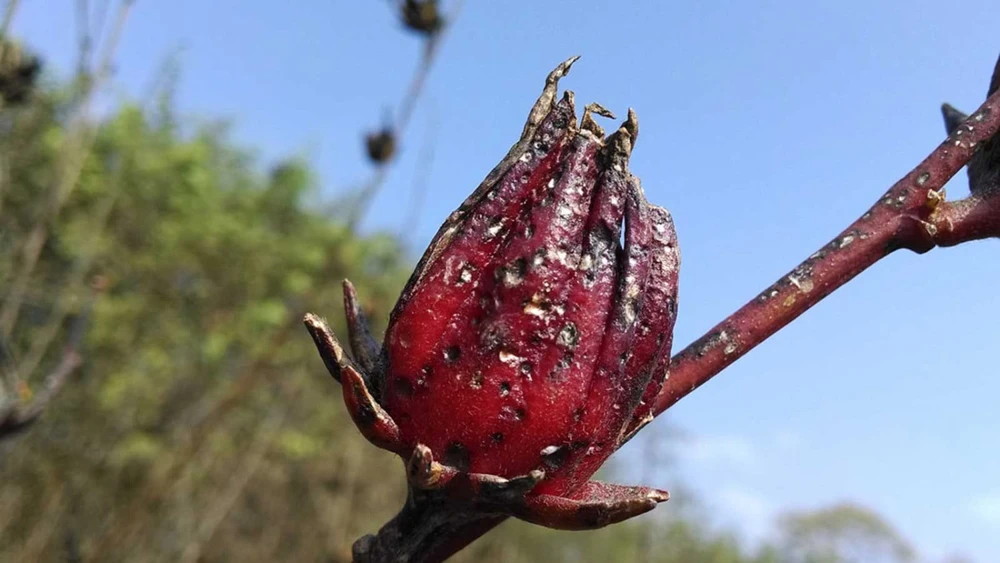
Begin your journey into growing a truly versatile and beautiful plant with these roselle hibiscus seeds. Also widely known as Roselle, Jamaican Tea, Maple Leaf Hibiscus, Florida Cranberry, October Hibiscus, and Red Sorrell, Hibiscus sabdariffa is an amazing plant with a multitude of uses. From its vibrant red calyces used to make refreshing hibiscus drinks and teas, to its leaves enjoyed as a spicy spinach in various cuisines, this plant offers both aesthetic appeal and practical applications. Planting these roselle hibiscus seeds allows you to cultivate a tropical shrub that brings both beauty and utility to your garden or landscape.
These roselle hibiscus seeds promise a rewarding growing experience, culminating in a plant that can reach up to 6 feet in height. Known for its robust nature and striking appearance, the Roselle Hibiscus blooms in the middle of Fall and continues to thrive until early Winter. Beyond its culinary and fibrous applications, the plant is a significant nectar source for numerous butterfly species, including the Cloudless Sulphur, Orbed Sulphur, Disguised Scrub-Hairstreak, Yojoa Scrub-Hairstreak, Dukes Skipper, Large Orange Sulphur, White Angled-Sulphur, Yellow Angled-Sulphur, and Monk butterflies. It also serves as a larval host for the Bumelia Webworm and Pearly Wood-nymph moths, and the Cloudless Sulphur butterfly, making it an excellent choice for supporting local wildlife.
Key Benefits
Growing roselle hibiscus seeds offers a variety of benefits, from culinary delights to ecological contributions. This plant is a true garden workhorse, providing much more than just visual appeal. Cultivating your own can lead to a healthier lifestyle and a more vibrant garden environment.
- Culinary Versatility: The bright red calyces of the Roselle Hibiscus are famously used to make delicious and refreshing Jamaican Tea and other hibiscus beverages. The leaves can also be harvested and used in cooking, providing a unique spicy flavor, often compared to spinach. You can also explore how to grow roselle hibiscus for use in jams, jellies, and sauces.
- Ecological Support: This plant is a fantastic addition to a pollinator garden. It serves as a vital nectar source for a wide array of butterflies and is a larval host for several moth species, contributing significantly to local biodiversity.
- Natural Food Coloring: Parts of the blossom can be used as a natural food coloring, adding a vibrant red hue to various dishes and drinks without artificial additives.
- Medicinal Properties: Traditionally, Roselle has been used for its potential health benefits, including supporting blood pressure and cholesterol levels. While not a substitute for medical advice, it’s a popular choice in herbal remedies.
- Fiber Production: Historically, fibers from the inner bark of the Roselle plant have been collected to make burlap and rope, showcasing its impressive utilitarian value.
- Easy to Grow: These roselle hibiscus seeds are relatively straightforward to cultivate, making them suitable for gardeners of all experience levels. With proper sunlight and care, you can expect a bountiful harvest.
- Long Blooming Season: Enjoy beautiful blooms from mid-Fall through early Winter, providing color and life to your garden when many other plants are fading.
Plant Care & Growing Tips
Successfully growing roselle hibiscus seeds requires attention to a few key environmental factors. This plant thrives in warm climates and requires ample sunlight to produce its signature calyces. Understanding its needs will ensure a healthy and productive plant that will yield plenty of material for your jamaican tea plant seeds harvest.
For optimal growth, Roselle Hibiscus demands full sun exposure, meaning at least 6 hours of direct sunlight per day. Choose a location in your garden that receives abundant sunshine. When it comes to watering, keep the soil consistently moist, especially during dry spells, but avoid waterlogging. Good drainage is crucial to prevent root rot. A well-draining soil mix, rich in organic matter, is ideal. Amend heavy clay soils with compost or sand to improve drainage. These plants are tolerant of a range of soil pH, but prefer slightly acidic to neutral conditions (pH 6.0-7.0).
Roselle is a tropical plant and is best suited for USDA Hardiness Zones 9b to 11, where it can be grown as an annual or perennial. In cooler zones, it can be grown as an annual, planted after the last frost date, or cultivated in containers and brought indoors during winter. Fertilize your Roselle plants every 4-6 weeks during the growing season with a balanced, all-purpose fertilizer to encourage vigorous growth and abundant flowering. Watch out for common garden pests like aphids or whiteflies, and treat them with organic insecticidal soap if necessary. Proper air circulation also helps prevent fungal diseases. With these tips, you’ll be able to grow roselle hibiscus successfully.
Size & Details
These roselle hibiscus seeds will mature into robust shrubs, typically reaching a height of up to 6 feet in optimal conditions. The plants have a medium to fast growth rate, quickly establishing themselves and producing leaves and calyces. Each packet contains 20 seeds, providing a good starting quantity for your garden. The plant’s spreading habit can reach 3-4 feet wide, so allow adequate space for development. You can expect the plant to begin blooming in the middle of Fall and continue strong until early Winter, offering a late-season harvest of its valuable calyces.
The product you are purchasing is a packet of seeds, ready for planting. These are not live plants or bulbs. The seeds are carefully selected to ensure viability, allowing you to cultivate your own supply of this amazing plant. The mature plants are known for their distinctive maple-leaf shaped foliage and striking red calyces that are the prize for making the famous Jamaican tea. This plant is an excellent choice for those looking for edible hibiscus seeds that offer both beauty and functionality.
Frequently Asked Questions
- Q: How big does this plant get? A: The Roselle Hibiscus plant can grow quite large, typically reaching heights of up to 6 feet (approximately 1.8 meters) and spreading 3-4 feet wide under ideal growing conditions.
- Q: Is this an indoor or outdoor plant? A: Roselle Hibiscus is primarily an outdoor plant in warm climates (USDA Zones 9b-11). In cooler regions, it can be grown as an annual outdoors or cultivated in large containers and brought indoors for winter protection.
- Q: How much sunlight does it need? A: This plant requires full sun exposure, meaning at least 6 hours of direct sunlight per day, to thrive and produce abundant calyces. Ensuring proper light is key to successfully growing roselle hibiscus seeds.
- Q: Is this plant easy to care for? A: Yes, Roselle Hibiscus is generally considered easy to care for, especially in suitable climates. It requires consistent watering, plenty of sun, and well-draining soil.
- Q: What condition will the seeds arrive in? A: The product includes a packet of roselle hibiscus seeds, ready for planting. They are carefully packaged to ensure their viability upon arrival.
- Q: Can I use the leaves and calyces for cooking? A: Absolutely! The leaves of the Roselle plant are edible and can be used like spinach, while the vibrant red calyces are perfect for making teas, jams, sauces, and other culinary creations. These are truly versatile edible hibiscus seeds.
- Q: How long until it blooms? A: Roselle Hibiscus typically blooms in the middle of Fall, continuing to produce flowers and calyces until early Winter, providing a late-season harvest.
- Q: What’s the best time to plant these seeds? A: The best time to plant jamaican tea plant seeds is after the last frost date in spring, once soil temperatures have warmed up, or indoors 6-8 weeks before the last frost for an earlier start.
- Q: Will it survive winter in my zone? A: Roselle Hibiscus is perennial in USDA Zones 9b-11. In colder zones, it is usually grown as an annual or overwintered indoors as a potted plant.
- Q: What kind of soil does it prefer? A: This plant prefers well-draining soil that is rich in organic matter. A slightly acidic to neutral pH (6.0-7.0) is ideal for optimal growth.
Be the first to review “Roselle Hibiscus Seeds – Jamaican Tea, Edible Leaves & Flowers – 20 Seeds”
Related products


You May Like

How to Grow Passion Flower (Passiflora) for Tropical Blooms
Few climbing vines in the home garden command attention quite like the exotic Passion Flower (Passiflora). [...]
Nov

Thanksgiving Cactus Care: How to Get Thanksgiving Cactus to Bloom
Is your Thanksgiving cactus growing well but not giving you any flowers? Maybe it looked [...]
Nov

How to Grow Garlic for a Bountiful Home Harvest
Garlic (Allium sativum) is one of the most satisfying, low-maintenance, and flavor-packed crops you can [...]
Oct

Hardneck vs. Softneck Garlic: Which Should You Grow?
Have you ever stood in front of a seed catalog in mid-September, staring at dozens [...]
1 Comment
Oct

When to Plant Music Garlic: Ultimate US Fall Guide
Have you ever spent your fall weekend placing carefully chosen garlic cloves into rich, dark [...]
1 Comment
Oct

5 Best Bulbs for Fall Planting: Brighten Your Garden This Spring
Are you dreaming of a garden full of vibrant colors in the spring? The key [...]
Aug

10 Houseplants That Will Thrive in Your Kitchen
Are you tired of your kitchen feeling dull and lifeless? Want to add a little [...]
1 Comment
Aug
Reviews
There are no reviews yet.