
Rosemary Seeds – 50+ Non-GMO Heirloom Herb Seeds for Gardening
Original price was: 32.46 $.12.46 $Current price is: 12.46 $.
Cultivate your own fragrant and flavorful rosemary with this packet of rosemary seeds. Each packet contains 50+ Non-GMO heirloom seeds, perfect for starting your herb garden. Enjoy fresh rosemary for cooking, aromatherapy, or ornamental landscaping.
Estimated arrival
Nov 27
Dec 02 - Dec 04
Dec 04 - Dec 09
See our Shipping Policy.
Get in touch with us via email, and our team will review your concerns.
Our Alive & Thrive Guarantee covers issues with your plants within the first 30 days. Read our Refund & Returns Policy.
-
USDA Hardiness Zone
USDA zones 7-10 (perennial), otherwise annual -
Soil Type
Well-draining, sandy loam soil -
Sunlight Exposure
Full sun (6-8+ hours daily) -
Expected Planting Period
Start indoors in late winter/early spring; transplant after last frost
Overview
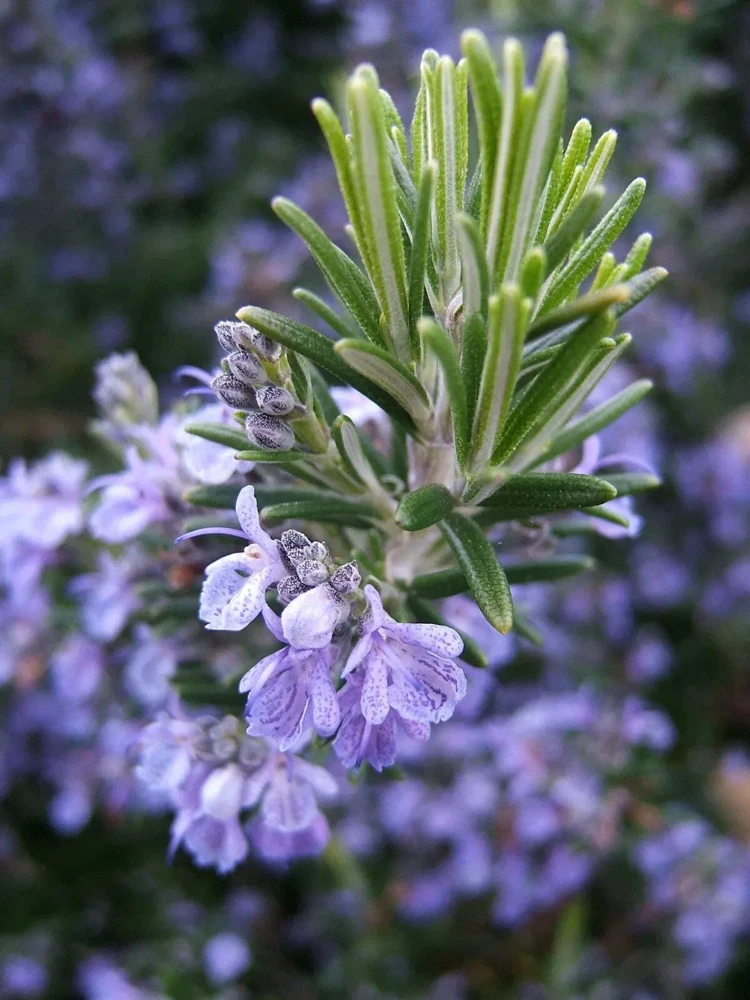
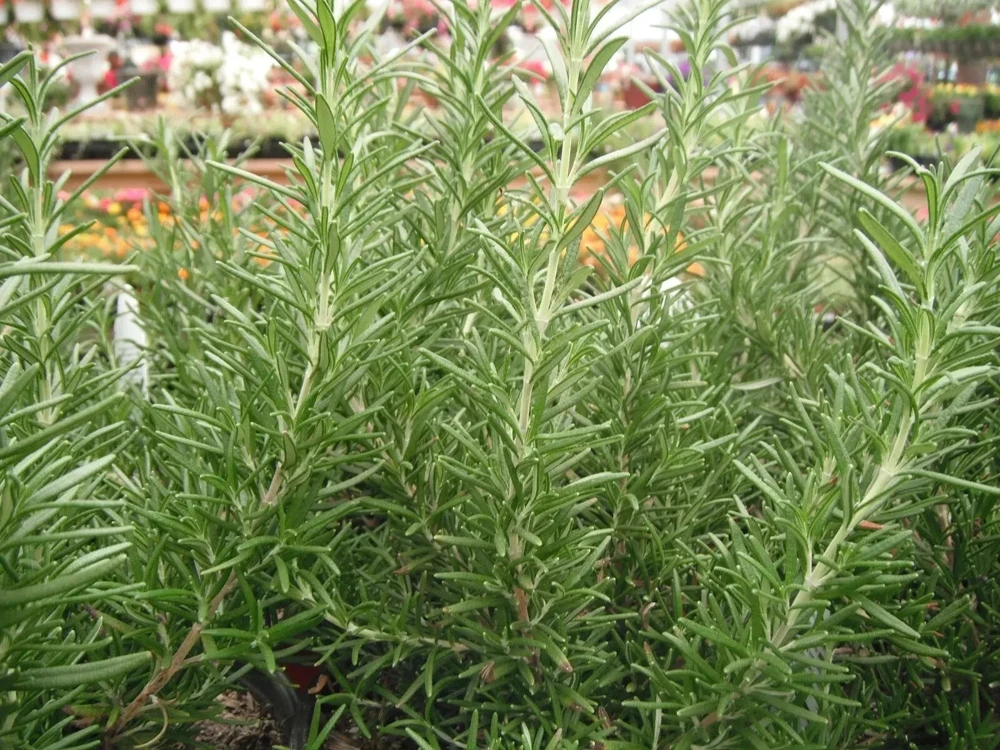
Embark on a rewarding gardening journey with our premium selection of rosemary seeds. These 50+ Non-GMO heirloom seeds offer a fantastic opportunity to grow your own aromatic herb right from your home. Rosemary (Rosmarinus officinalis) is a beloved evergreen shrub, known for its distinctive needle-like leaves and pungent, pine-like fragrance. Originating from the Mediterranean, this versatile herb is a staple in many cuisines worldwide and is also highly valued for its ornamental appeal and traditional medicinal uses. Our heirloom rosemary seeds ensure you’re planting a variety with a rich history and robust characteristics, perfect for both novice and experienced gardeners looking to grow rosemary from seed.
Growing rosemary from seed can be a deeply satisfying experience, allowing you to nurture this beautiful plant from its earliest stage. Whether you’re planning a culinary herb garden, a fragrant border, or simply want to enjoy the fresh scent of rosemary, these seeds provide the foundation for a thriving plant. The Anthos variety, known for its vigorous growth and strong flavor, makes these rosemary herb seeds an excellent choice for any garden. With proper care, these seeds will germinate into healthy, productive rosemary plants, bringing beauty and utility to your outdoor or indoor space.
Key Benefits
Our rosemary seeds offer numerous advantages for gardeners and home cooks alike. Beyond the joy of growing your own, rosemary provides a wealth of benefits:
- Culinary Excellence: Fresh rosemary is indispensable in the kitchen, enhancing roasted meats, vegetables, bread, and soups with its unique, earthy flavor. Having a fresh supply readily available elevates your cooking.
- Aromatic Fragrance: The strong, pleasant scent of rosemary is known for its invigorating and clarifying properties. Plant it near pathways or windows to enjoy its natural perfume.
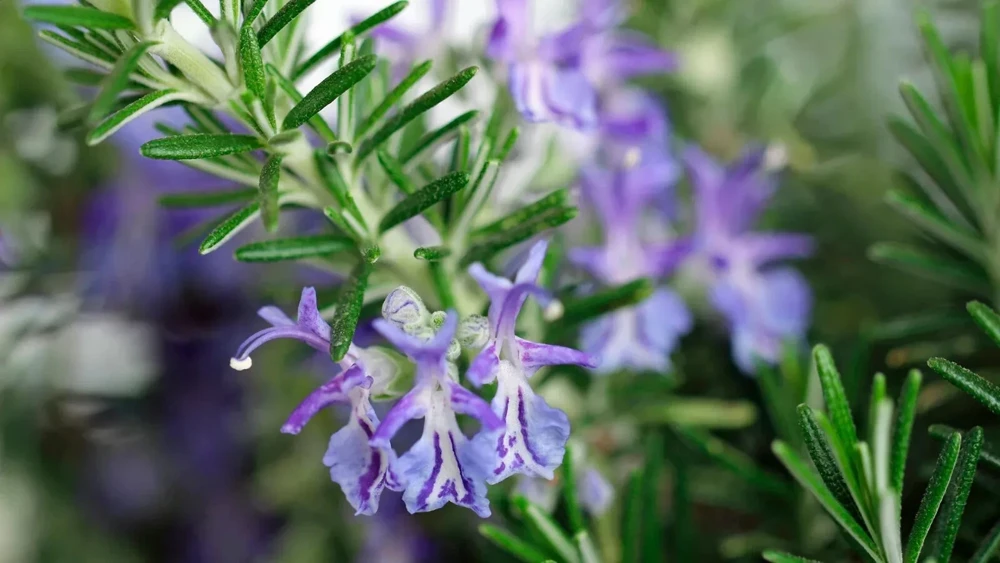
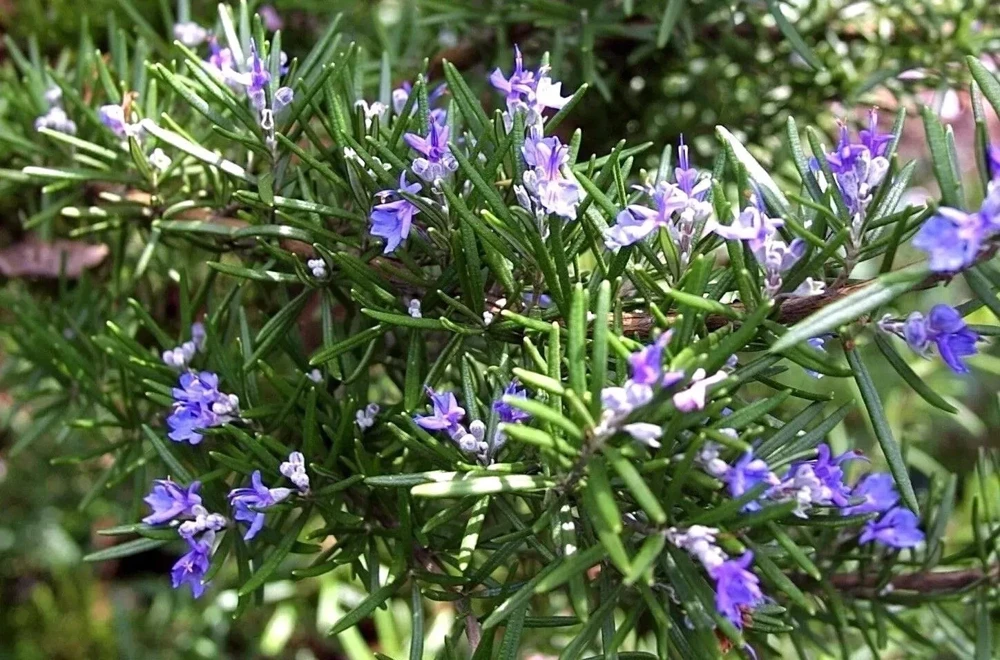
- Ornamental Appeal: With its attractive evergreen foliage and delicate blue-purple flowers, rosemary makes an excellent addition to herb gardens, rock gardens, and mixed perennial borders.
- Pollinator Attractor: Rosemary flowers are a magnet for bees and other beneficial pollinators, contributing to the biodiversity and health of your garden ecosystem.
- Traditional Uses: Historically, rosemary has been used for various purposes, including memory enhancement, stress reduction, and as an anti-inflammatory.
- Drought Tolerance: Once established, rosemary is relatively drought-tolerant, making it a low-maintenance choice for many climates.
- Non-GMO & Heirloom Quality: Our non-gmo rosemary seeds ensure you’re planting a natural, time-tested variety free from genetic modification, preserving biodiversity.
Plant Care & Growing Tips
Growing rosemary seeds requires a bit of patience, but the results are incredibly rewarding. Start your seeds indoors 8-10 weeks before the last frost date in your area. Use a well-draining seed starting mix and sow seeds thinly on the surface, gently pressing them into the soil without covering, as light aids germination. Keep the soil consistently moist but not waterlogged, ideally using a misting bottle. A warm environment (around 70-80°F or 21-27°C) and bright light are crucial for successful germination, which can take anywhere from 14 to 21 days, sometimes longer. Consider using a heat mat and grow lights to optimize conditions for your rosemary herb seeds.
Once seedlings emerge and develop a few sets of true leaves, thin them to prevent overcrowding. Transplant individual seedlings into larger pots when they are about 2-3 inches tall. Gradually harden off young plants before moving them outdoors permanently after all danger of frost has passed. Rosemary thrives in full sun, requiring at least 6-8 hours of direct sunlight per day. It prefers well-draining, sandy loam soil with a slightly acidic to neutral pH (6.0-7.0). Avoid heavy, clay soils that retain too much moisture, as this can lead to root rot. Water established plants deeply but infrequently, allowing the soil to dry out between waterings. In USDA zones 8 and warmer, rosemary can often be grown as a perennial, while in colder zones, it’s typically grown as an annual or brought indoors during winter. Ensure good air circulation around your heirloom rosemary plants to prevent fungal issues.
Size & Details
This packet contains 50+ rosemary seeds, providing ample opportunity to establish a robust rosemary patch. Each seed is a Non-GMO heirloom variety, ensuring genetic purity and strong, reliable growth. When mature, rosemary plants typically grow to a height of 2-4 feet and spread 2-4 feet wide, depending on the variety and growing conditions. They develop a woody stem structure and can be pruned to maintain desired size and shape. From sowing to a harvestable size, it can take several months, but the long-term benefits of fresh, homegrown rosemary are well worth the wait. These rosemary herb seeds are perfect for gardeners seeking a sustainable and flavorful addition to their garden.
Frequently Asked Questions
- Q: How many rosemary seeds are included in this packet? A: This packet contains 50+ rosemary seeds, offering a generous quantity for multiple plantings or a large herb patch.
- Q: Are these rosemary seeds Non-GMO? A: Yes, these are certified Non-GMO heirloom rosemary seeds, ensuring natural and traditional genetics.
- Q: When is the best time to plant rosemary seeds? A: For best results, start your rosemary seeds indoors 8-10 weeks before the last expected frost in your region. They can be transplanted outdoors after all danger of frost has passed.
- Q: How much sunlight does rosemary need? A: Rosemary thrives in full sun, requiring a minimum of 6-8 hours of direct sunlight per day to grow strong and healthy.
- Q: Is this an indoor or outdoor plant? A: Rosemary can be grown both indoors and outdoors. In warmer climates (USDA zones 8-10), it’s an excellent outdoor perennial. In colder regions, it’s often grown as an annual or brought indoors during winter months as a potted plant.
- Q: How long does it take for rosemary seeds to germinate? A: Germination can take 14 to 21 days, or sometimes longer, under optimal conditions of warmth and light. Patience is key when growing heirloom rosemary from seed.
- Q: What type of soil is best for growing rosemary? A: Rosemary prefers well-draining, sandy loam soil with a slightly acidic to neutral pH. Good drainage is crucial to prevent root rot.
- Q: Can I use fresh rosemary from these plants in cooking? A: Absolutely! Once your rosemary plants are established, you can harvest the fresh leaves to use in a wide variety of culinary dishes. This is a primary benefit of growing rosemary herb seeds.
- Q: How tall do rosemary plants typically grow? A: Mature rosemary plants can typically reach a height of 2-4 feet and a similar spread, depending on the variety and growing conditions.
- Q: Is rosemary drought-tolerant? A: Yes, once established, rosemary is quite drought-tolerant, making it a relatively low-maintenance plant for many garden settings.
Be the first to review “Rosemary Seeds – 50+ Non-GMO Heirloom Herb Seeds for Gardening”
Related products


You May Like

How to Grow Passion Flower (Passiflora) for Tropical Blooms
Few climbing vines in the home garden command attention quite like the exotic Passion Flower (Passiflora). [...]
Nov

Thanksgiving Cactus Care: How to Get Thanksgiving Cactus to Bloom
Is your Thanksgiving cactus growing well but not giving you any flowers? Maybe it looked [...]
Nov

How to Grow Garlic for a Bountiful Home Harvest
Garlic (Allium sativum) is one of the most satisfying, low-maintenance, and flavor-packed crops you can [...]
Oct

Hardneck vs. Softneck Garlic: Which Should You Grow?
Have you ever stood in front of a seed catalog in mid-September, staring at dozens [...]
1 Comment
Oct

When to Plant Music Garlic: Ultimate US Fall Guide
Have you ever spent your fall weekend placing carefully chosen garlic cloves into rich, dark [...]
1 Comment
Oct

5 Best Bulbs for Fall Planting: Brighten Your Garden This Spring
Are you dreaming of a garden full of vibrant colors in the spring? The key [...]
Aug

10 Houseplants That Will Thrive in Your Kitchen
Are you tired of your kitchen feeling dull and lifeless? Want to add a little [...]
1 Comment
Aug
Reviews
There are no reviews yet.