

Rudbeckia Hirta Seeds – Black-Eyed Susan, Gloriosa Daisy – 1000 Seeds
Original price was: 48.91 $.19.91 $Current price is: 19.91 $.
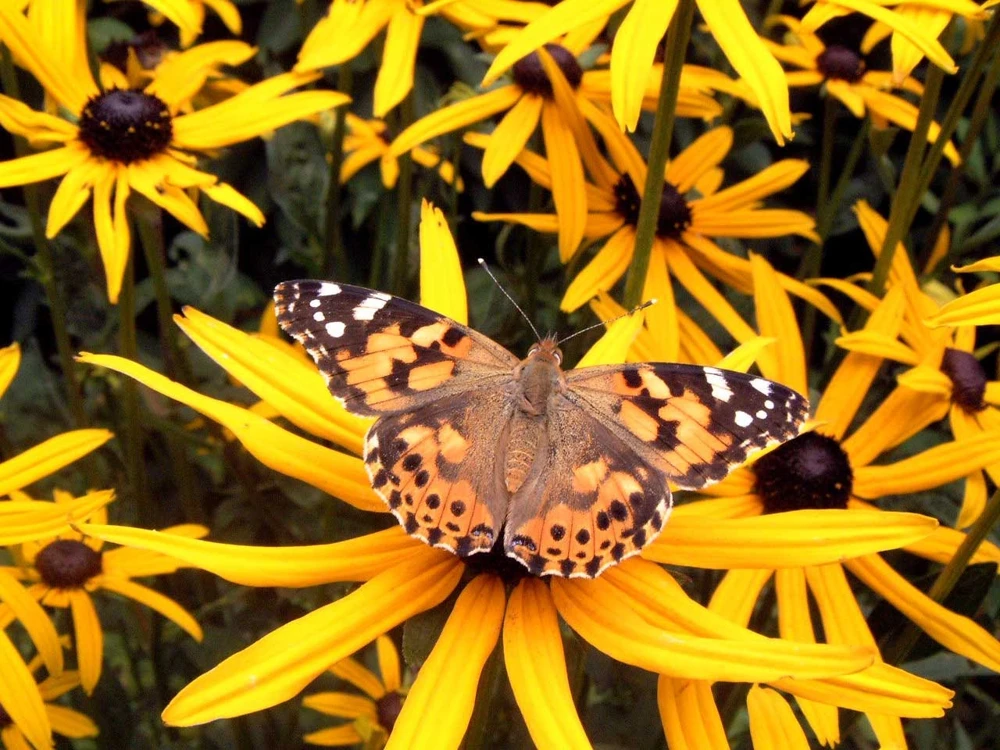
Discover the joy of growing beautiful rudbeckia hirta seeds, also known as black-eyed susan seeds or gloriosa daisy seeds. These vibrant flowers are perfect for attracting butterflies and adding stunning orange-yellow hues to your garden. Each packet contains 1000 premium seeds, ready for planting.
Estimated arrival
Nov 28
Dec 03 - Dec 05
Dec 05 - Dec 10
See our Shipping Policy.
Get in touch with us via email, and our team will review your concerns.
Our Alive & Thrive Guarantee covers issues with your plants within the first 30 days. Read our Refund & Returns Policy.
-
USDA Hardiness Zone
5-10 -
Soil Type
Well-draining loam -
Sunlight Exposure
Full sun -
Expected Planting Period
Spring to early summer
Overview
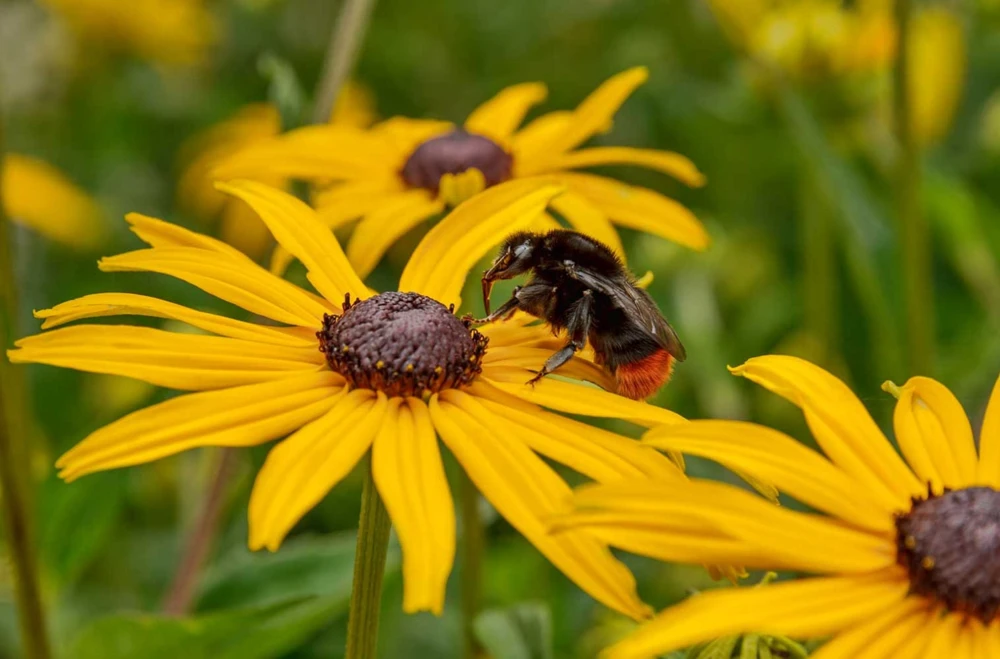
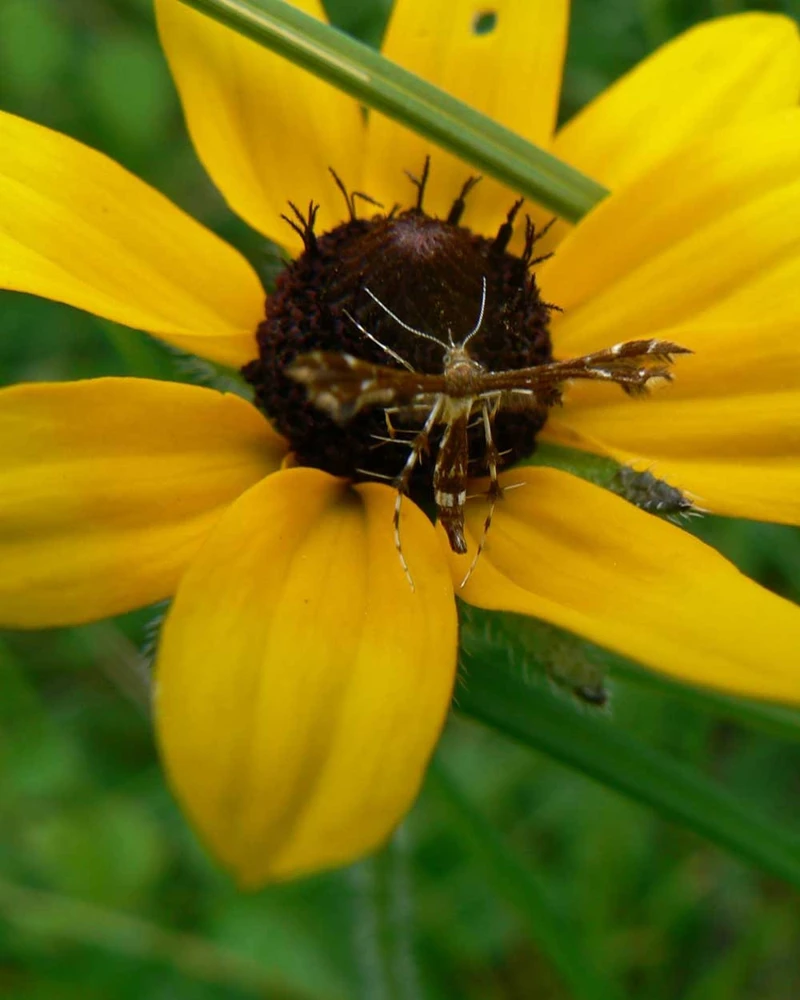
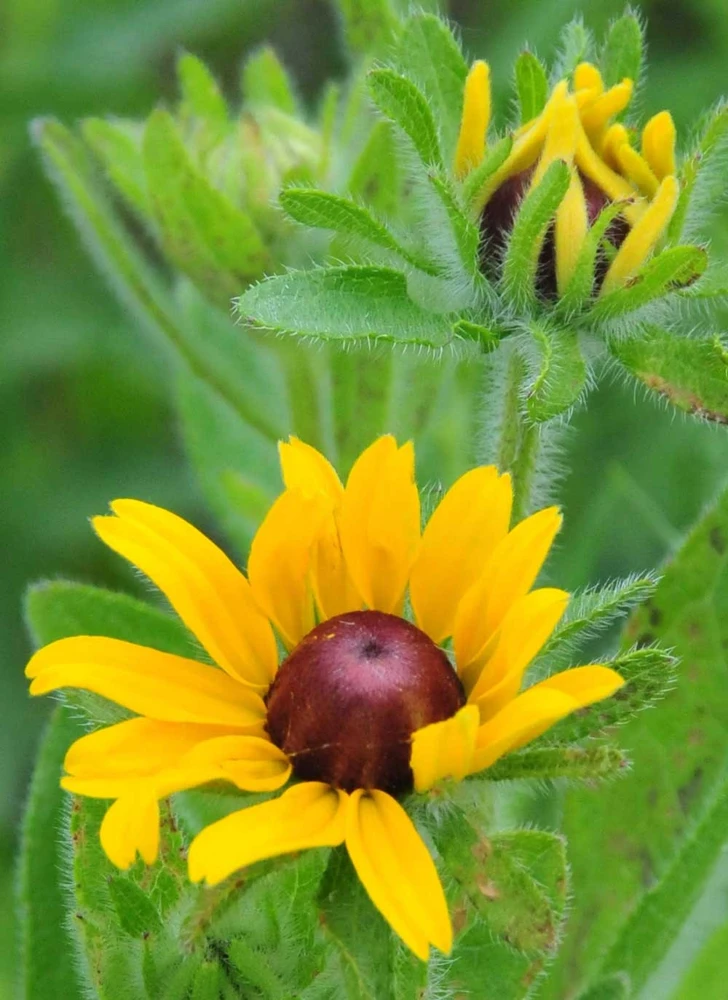
Introduce a burst of sunshine to your garden with our premium rudbeckia hirta seeds. Also widely recognized as black-eyed susan seeds or gloriosa daisy seeds, these easy-to-grow flower seeds promise a spectacular display of brilliant orange-yellow petals surrounding a distinctive blackish-purple center. Rudbeckia hirta is a cherished addition to any landscape, known for its cheerful appearance and its exceptional ability to attract a diverse array of pollinators. Whether you’re aiming to create a vibrant butterfly garden or simply wish to enhance your outdoor space with low-maintenance, high-impact blooms, these 1000 seeds offer an excellent starting point for gardeners of all experience levels. Beyond their beauty, these flowers play a crucial ecological role, serving as both a larval host plant and a vital nectar source for numerous butterfly species. Cultivate a thriving, buzzing ecosystem right in your backyard.
These versatile plants can be grown as annuals in most climates, providing a season-long show of color, and will reliably return as perennials in USDA Hardiness Zones 5 to 10. The robust nature of Rudbeckia hirta makes it a resilient choice, capable of flourishing in various conditions once established. Imagine your garden filled with these iconic flowers, drawing in bees, birds, and butterflies, creating a dynamic and enchanting environment. Our high-quality rudbeckia hirta seeds ensure a strong start for healthy, vigorous plants that will delight throughout the growing season.
Key Benefits
Planting black-eyed susan seeds offers a multitude of advantages for both your garden and local ecosystem. These flowers are not just beautiful; they are incredibly beneficial and easy to care for.
- Pollinator Magnet: Rudbeckia hirta is a celebrated magnet for beneficial insects. The striking blooms actively attract bees, birds, and a wide variety of butterflies, making your garden a lively hub of activity. They are a documented nectar source for numerous species, including the Soapberry Hairstreak, Great Spangled Fritillary, and Silver Spotted Skipper.
- Butterfly Host Plant: Beyond nectar, these plants are crucial as larval host plants for several butterfly species, such as the Silvery Checkerspot, Gorgone Checkerspot, and Bordered Patch butterflies. By planting rudbeckia hirta seeds, you directly support the life cycle of these beautiful insects.
- Vibrant Garden Color: The brilliant orange-yellow petals with contrasting dark centers provide a stunning visual impact. These flowers add a cheerful and natural aesthetic to borders, meadows, and cottage gardens, ensuring continuous color from summer into fall.
- Low Maintenance & Hardy: Once established, Rudbeckia hirta is remarkably drought-tolerant and requires minimal care. It thrives in a range of soil conditions and is generally resistant to pests and diseases, making it an ideal choice for busy gardeners.
- Versatile Growth: Suitable for a wide range of climates, these flowers can be grown as annuals across the US and will return as dependable perennials in USDA Zones 5-10. This adaptability makes them a fantastic choice for many garden designs.
- Excellent Cut Flowers: The sturdy stems and long-lasting blooms make Black-Eyed Susans superb for fresh floral arrangements. Bring the beauty of your garden indoors with these cheerful cut flowers.
- Erosion Control: Their fibrous root systems can help stabilize soil on slopes or in areas prone to erosion, adding an ecological benefit to their aesthetic appeal.
Plant Care & Growing Tips
Growing gloriosa daisy seeds into thriving plants is a rewarding experience, and with a few simple guidelines, you can ensure a successful and vibrant display. Rudbeckia hirta is generally forgiving, making it an excellent choice for both novice and experienced gardeners. For optimal growth, choose a location that receives full sun, meaning at least 6-8 hours of direct sunlight per day. While they can tolerate partial shade, abundant sunshine promotes more prolific blooming and stronger plant structure. Prepare your soil by ensuring it is well-draining; these plants do not like soggy roots. A rich, loamy soil with a neutral to slightly acidic pH is ideal, but they are adaptable to a variety of soil types, including clay and sandy soils, as long as drainage is adequate. Incorporating compost or other organic matter can significantly improve soil structure and fertility.
Watering should be consistent, especially during dry spells and when plants are young. Once established, Black-Eyed Susans are quite drought-tolerant, but a deep watering once a week during hot, dry periods will keep them looking their best. Avoid overhead watering to prevent fungal diseases. For fertilization, a balanced all-purpose fertilizer can be applied in the spring as new growth emerges, though these plants are not heavy feeders, especially in rich soil. Deadheading spent blooms will encourage more flowers and prevent excessive self-seeding. If you want to grow black-eyed susan for a prolonged season, regular deadheading is key. These plants are relatively pest and disease-free, but watch out for powdery mildew in humid conditions; ensuring good air circulation can help prevent this.
Size & Details
This offering includes 1000 Rudbeckia hirta seeds, providing an ample quantity for establishing a significant patch of these beautiful flowers in your garden. Each seed holds the potential for a robust plant that typically grows to a height of 2-3 feet (60-90 cm) and spreads about 1-2 feet (30-60 cm) wide. The plants are fast-growing, often blooming in their first year from seed if started early. Expect the vibrant orange-yellow blooms, each measuring 2-3 inches across, to appear from early summer through fall, providing continuous color and attracting pollinators. The seeds are packaged to ensure viability and can be stored in a cool, dry place until planting. These plants are annuals in colder climates, completing their life cycle in one season, but will reliably reseed themselves. In warmer regions (USDA Hardiness Zones 5-10), they behave as short-lived perennials, returning year after year from their rootstock.
Frequently Asked Questions
- Q: How big do these Black-Eyed Susan plants get? A: Black-Eyed Susan plants grown from these rudbeckia hirta seeds typically reach a height of 2-3 feet (60-90 cm) and spread about 1-2 feet (30-60 cm) wide, creating a substantial and vibrant presence in your garden.
- Q: Is this an indoor or outdoor plant? A: Rudbeckia hirta is primarily an outdoor plant, thriving in garden beds, borders, and naturalized areas. While it can be started indoors from black-eyed susan seeds, it is meant to be transplanted outside for its full growth and blooming potential.
- Q: How much sunlight does it need? A: For the best blooms and strongest growth, these plants require full sun, meaning at least 6-8 hours of direct sunlight per day. They can tolerate partial shade, but flowering may be less abundant.
- Q: Is this plant easy to care for? A: Yes, Black-Eyed Susans are considered very easy to care for, making them suitable for beginner gardeners. Once established, they are quite drought-tolerant and require minimal maintenance.
- Q: What condition will the seeds arrive in? A: Your gloriosa daisy seeds will arrive as dry, viable seeds, carefully packaged to maintain their quality and readiness for planting.
- Q: When is the best time to plant these seeds? A: The best time to plant rudbeckia hirta seeds is in early spring after the last frost, or they can be started indoors 6-8 weeks before the last frost date for earlier blooms. You can also direct sow them in late fall for germination the following spring.
- Q: Will it survive winter in my zone? A: Rudbeckia hirta is grown as an annual in most regions. However, it is a perennial in USDA Hardiness Zones 5 to 10, meaning it will return each year in those zones. In colder zones, it will often self-seed for new plants the following year.
- Q: How long until Black-Eyed Susans bloom from seed? A: When planted in spring, Black-Eyed Susans typically bloom in their first year, usually starting in early to mid-summer and continuing into the fall.
- Q: Are these plants good for attracting butterflies? A: Absolutely! These plants are excellent for attracting butterflies and are a vital nectar source for many species. They are also larval host plants for several types of Checkerspot butterflies, making them ideal for a butterfly garden seeds project.
- Q: What kind of soil is best for growing black-eyed susan? A: Black-Eyed Susans prefer well-draining soil. While adaptable, a rich, loamy soil with a neutral to slightly acidic pH is ideal for promoting vigorous growth and abundant flowering.
Be the first to review “Rudbeckia Hirta Seeds – Black-Eyed Susan, Gloriosa Daisy – 1000 Seeds”
Related products


Flower Seeds

You May Like

How to Grow Passion Flower (Passiflora) for Tropical Blooms
Few climbing vines in the home garden command attention quite like the exotic Passion Flower (Passiflora). [...]
Nov

Thanksgiving Cactus Care: How to Get Thanksgiving Cactus to Bloom
Is your Thanksgiving cactus growing well but not giving you any flowers? Maybe it looked [...]
Nov

How to Grow Garlic for a Bountiful Home Harvest
Garlic (Allium sativum) is one of the most satisfying, low-maintenance, and flavor-packed crops you can [...]
Oct

Hardneck vs. Softneck Garlic: Which Should You Grow?
Have you ever stood in front of a seed catalog in mid-September, staring at dozens [...]
1 Comment
Oct

When to Plant Music Garlic: Ultimate US Fall Guide
Have you ever spent your fall weekend placing carefully chosen garlic cloves into rich, dark [...]
1 Comment
Oct

5 Best Bulbs for Fall Planting: Brighten Your Garden This Spring
Are you dreaming of a garden full of vibrant colors in the spring? The key [...]
Aug

10 Houseplants That Will Thrive in Your Kitchen
Are you tired of your kitchen feeling dull and lifeless? Want to add a little [...]
1 Comment
Aug
Reviews
There are no reviews yet.