
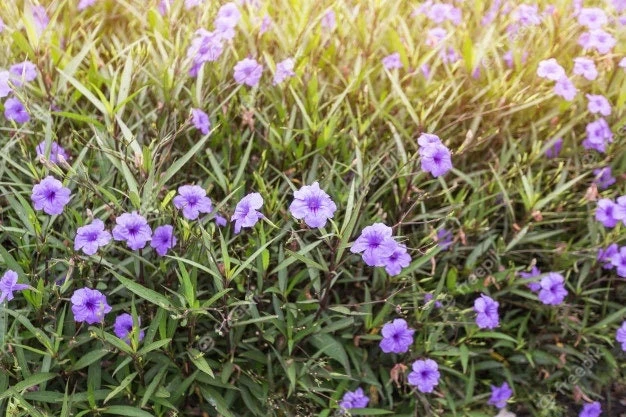
Ruellia Tuberosa Seeds – Feverroot Minnieroot – 20 Seeds – Outdoor
Original price was: 48.91 $.19.91 $Current price is: 19.91 $.
Grow beautiful ruellia tuberosa seeds, known as Feverroot or Minnieroot. This biennial plant is a wonderful larval host for various butterflies, adding ecological value to your garden. Each pack contains 20 seeds, perfect for starting your own butterfly-friendly landscape.
Estimated arrival
Nov 26
Dec 01 - Dec 03
Dec 03 - Dec 08
See our Shipping Policy.
Get in touch with us via email, and our team will review your concerns.
Our Alive & Thrive Guarantee covers issues with your plants within the first 30 days. Read our Refund & Returns Policy.
-
USDA Hardiness Zone
USDA Hardiness Zone 11 -
Soil Type
Well-draining, sandy or loamy soil -
Sunlight Exposure
Full sun to partial shade -
Expected Planting Period
Spring to early summer
Overview
Cultivate a vibrant and ecologically beneficial garden with ruellia tuberosa seeds. Also known by its charming common names such as Feverroot, Iron Root, Meadow Weed, Minnieroot, duppy gun, cracker plant, and Popping Pod, this unique plant offers both beauty and utility. Originating from tropical and subtropical regions, Ruellia tuberosa is a biennial species cherished for its striking flowers and its significant role in supporting local ecosystems. These seeds promise to grow into robust plants that not only beautify your outdoor space but also serve as a vital larval host for several butterfly species, including the White Peacock, Texan Crescent, Rusty-tipped Page, Banded Peacock, and Tropical Buckeye butterflies. Furthermore, it acts as a food source for the lemon pansy and mangrove buckeye butterflies, making it an excellent choice for any butterfly garden enthusiast. Growing feverroot seeds is a rewarding experience for gardeners looking to contribute to biodiversity.
The plant’s distinctive tuberous root system gives it resilience, while its attractive blooms add a touch of wild elegance to any setting. Beyond its ecological benefits, Ruellia tuberosa also has historical uses, including the potential to make natural dyes for fabrics. This versatility makes it an intriguing addition to both ornamental and permaculture-inspired gardens. Whether you’re an experienced gardener or just starting, these minnieroot seeds provide an opportunity to grow a resilient and captivating plant.
Key Benefits
Incorporating ruellia tuberosa seeds into your garden offers a multitude of advantages, enhancing both its aesthetic appeal and ecological function. This plant is a true gem for any outdoor space.
- Attracts Butterflies: Ruellia tuberosa is a crucial larval host plant for a variety of butterflies, including the White Peacock and Texan Crescent, and a food source for others like the Lemon Pansy. Planting these butterfly host plant seeds directly contributes to local pollinator populations and enriches garden biodiversity.
- Ecological Value: By providing essential resources for butterflies, this plant helps maintain healthy ecosystems, supporting the lifecycle of these beautiful insects from larva to adult.
- Drought Tolerance: Known for its resilience, Ruellia tuberosa can withstand periods of drought once established, making it a low-maintenance option for various climates and soil types.
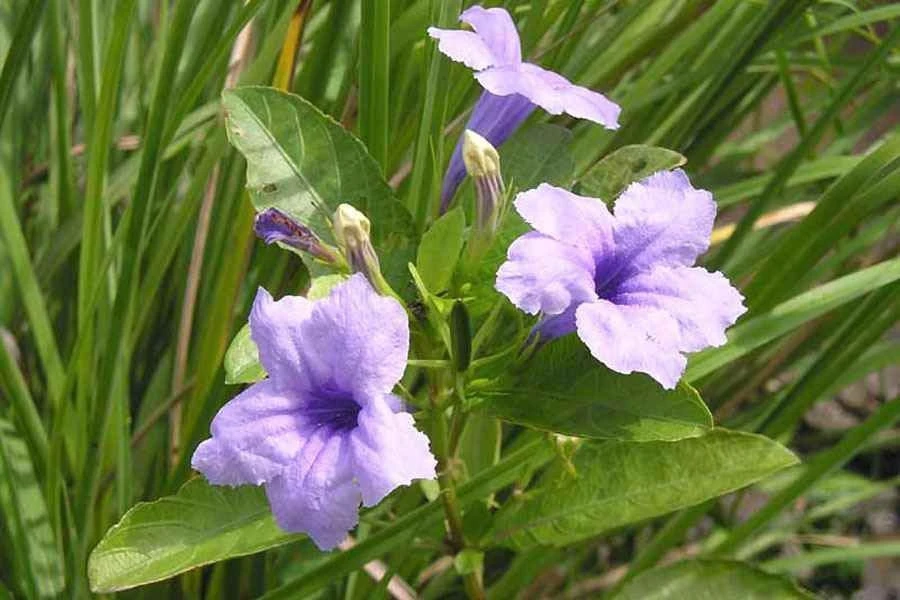
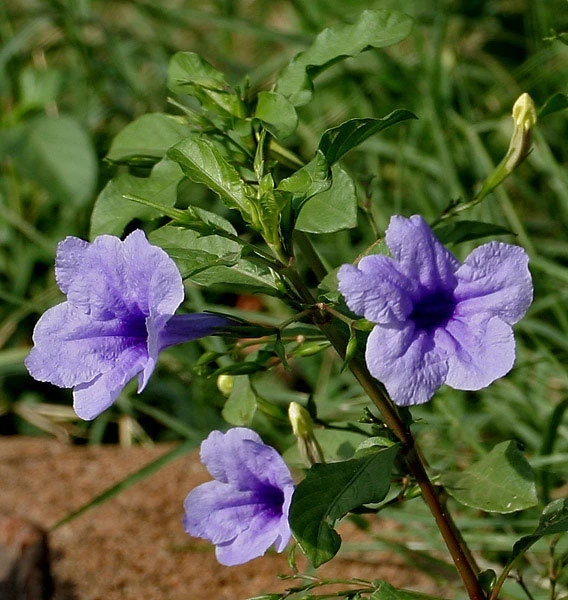
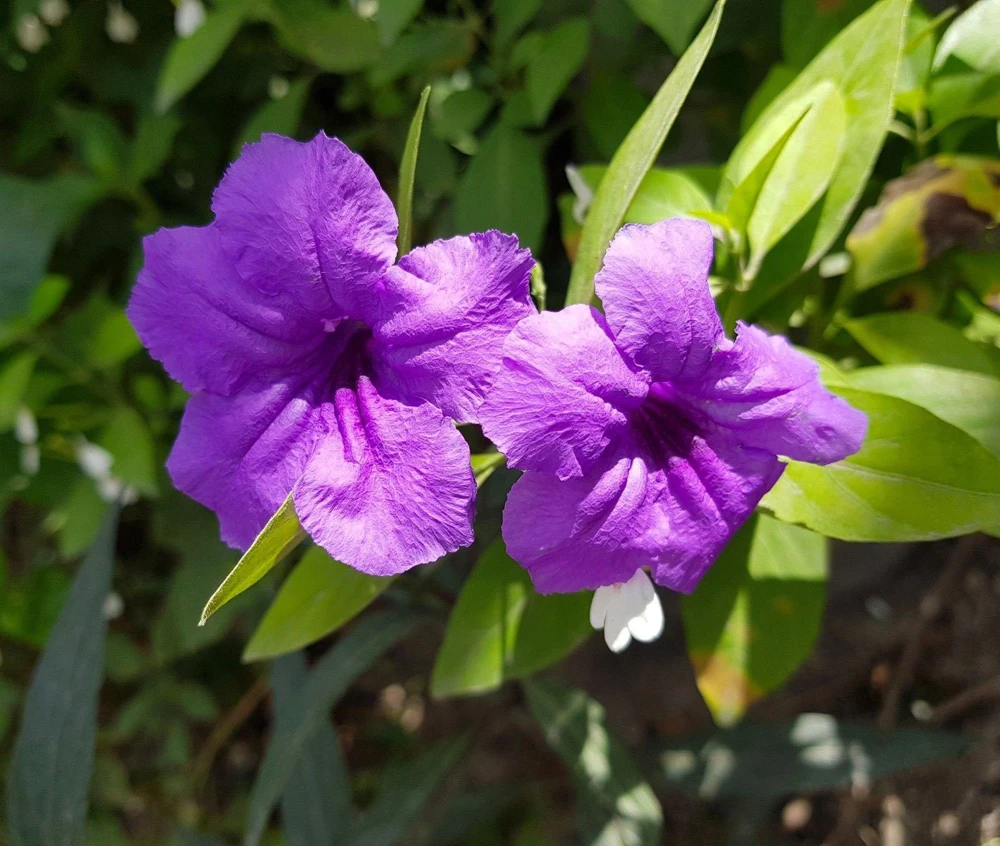
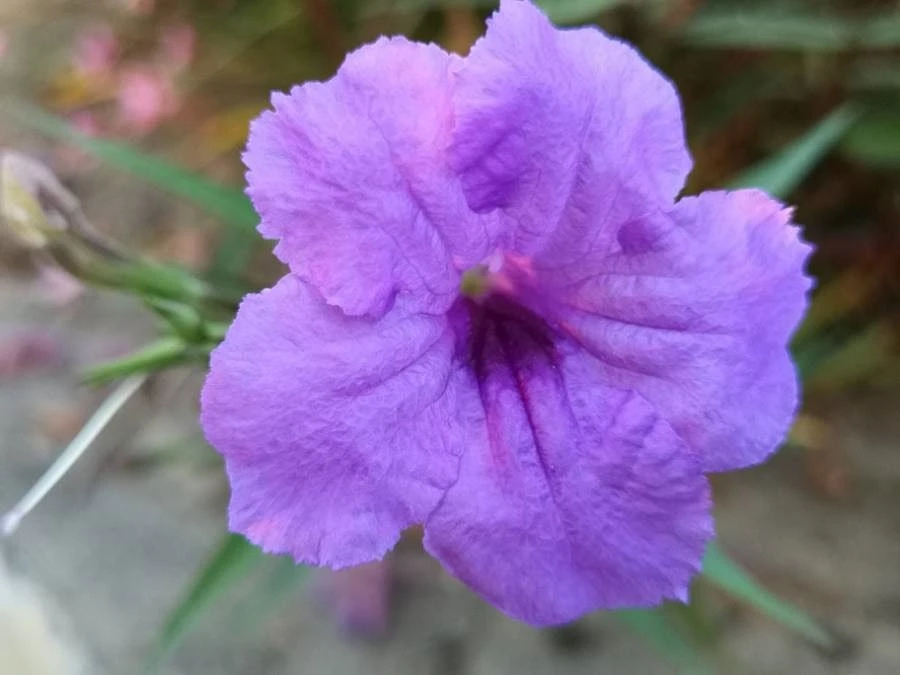
- Attractive Blooms: The plant produces charming, often purple, trumpet-shaped flowers that add a splash of color and visual interest to your garden throughout its blooming season.
- Natural Dye Source: Historically, parts of the Ruellia tuberosa plant have been used to create natural dyes for fabrics, offering an interesting traditional use beyond its ornamental value.
- Easy to Grow from Seed: These biennial plant seeds are relatively easy to germinate and grow, making them suitable for gardeners of all experience levels who wish to cultivate this unique species.
- Versatile Landscape Use: Ideal for rock gardens, borders, or naturalized areas, Ruellia tuberosa adapts well to various garden designs and can thrive in USDA Hardiness Zone 11.
Plant Care & Growing Tips
Growing ruellia tuberosa seeds successfully begins with understanding its basic needs. This resilient plant is relatively easy to care for, especially once established. For optimal growth, choose a location that receives full sun to partial shade. In hotter climates, some afternoon shade can prevent scorching. The plant thrives in well-draining soil, preferring sandy or loamy compositions. While it can tolerate a range of soil types, ensuring good drainage is key to preventing root rot, particularly in heavier soils. These plants are known to be quite adaptable, but consistent moisture during germination and early growth will lead to stronger seedlings.
Watering should be regular during the plant’s establishment phase, keeping the soil consistently moist but not waterlogged. Once mature, Ruellia tuberosa becomes quite drought-tolerant and can withstand drier conditions, making it a good choice for xeriscaping or areas with limited irrigation. Fertilization is generally not heavily required; a balanced, slow-release fertilizer applied in spring can support vigorous growth, but avoid over-fertilizing. The plant is rated for USDA Hardiness Zone 11, meaning it prefers warmer climates and may need protection or to be treated as an annual in colder zones. Watch out for common garden pests, though Ruellia tuberosa is generally resistant to most serious issues. Ensuring good air circulation can help prevent fungal diseases.
Propagation from these feverroot seeds is straightforward. Sow seeds directly into prepared garden beds after the last frost, or start them indoors 6-8 weeks before the expected outdoor planting date. Lightly cover the seeds with soil and keep them moist until germination occurs, which typically takes 1-3 weeks. Thin seedlings to appropriate spacing to allow for healthy development. The plant’s biennial nature means it typically flowers in its second year, producing beautiful blooms that attract various pollinators. Understanding how to care for minnieroot seeds will help you establish a thriving patch of this wonderful plant.
Size & Details
Our ruellia tuberosa seeds are supplied in a pack of 20, providing a generous quantity to start your garden. Once mature, Ruellia tuberosa typically grows to a height of 1-3 feet (30-90 cm) with a similar spread, forming a bushy, upright habit. The growth rate is moderate, with plants generally reaching their full size and beginning to flower in their second year due to their biennial nature. The seeds are small and should be sown thinly to avoid overcrowding. Plants will develop a sturdy root system, including the characteristic tubers that give the plant its name. Each seed packet is carefully prepared to ensure viability and successful germination, allowing you to grow healthy butterfly host plant seeds.
The plant is known for its distinctive trumpet-shaped flowers, which are typically purple or violet, though variations can occur. These blooms appear throughout the warmer months, often from late spring to fall. The foliage consists of dark green, somewhat elongated leaves that provide a lush backdrop to the vibrant flowers. While the exact dimensions can vary based on growing conditions and climate, you can expect a robust and attractive plant that adds significant visual and ecological value to your garden. These biennial plant seeds offer a long-term investment in your garden’s beauty.
Frequently Asked Questions
- Q: How big does Ruellia tuberosa get? A: Once mature, ruellia tuberosa typically grows to an average height of 1 to 3 feet (30-90 cm) with a similar spread, forming a bushy and upright plant. Its size can vary slightly depending on growing conditions and climate.
- Q: Is this an indoor or outdoor plant? A: Ruellia tuberosa is primarily an outdoor plant, best suited for garden beds and landscapes. It thrives in warm climates (USDA Hardiness Zone 11) but can be grown as an annual in colder regions or brought indoors during winter.
- Q: How much sunlight does Ruellia tuberosa need? A: This plant prefers full sun to partial shade. In regions with intense summer heat, providing some afternoon shade can protect the foliage and flowers from scorching, ensuring healthy growth of your feverroot seeds.
- Q: Is this plant easy to care for? A: Yes, Ruellia tuberosa is considered relatively easy to care for, especially once established. It is known for its resilience and drought tolerance, making it a good choice for gardeners of all experience levels looking to grow minnieroot seeds.
- Q: What condition will the seeds arrive in? A: Your ruellia tuberosa seeds will arrive in a protective packet, ensuring they are fresh and viable for planting. We take care to package them securely to prevent damage during transit.
- Q: How long until Ruellia tuberosa blooms? A: As a biennial plant, Ruellia tuberosa typically blooms in its second year of growth. The first year focuses on establishing a strong root system and foliage, with flowers appearing in the subsequent warm season.
- Q: What’s the minimum temperature Ruellia tuberosa can tolerate? A: Ruellia tuberosa is hardy in USDA Zone 11, meaning it prefers temperatures above 40°F (4.5°C). In colder zones, it will likely not survive winter outdoors and should be treated as an annual or overwintered indoors.
- Q: Can I grow these seeds in a container? A: Yes, you can grow butterfly host plant seeds in containers, especially if you are in a colder climate and wish to bring the plant indoors during winter. Ensure the container has good drainage and is large enough to accommodate its mature size.
- Q: What type of soil is best for Ruellia tuberosa? A: Ruellia tuberosa thrives in well-draining soil, such as sandy or loamy compositions. While adaptable, good drainage is crucial to prevent waterlogging and promote healthy root development for these biennial plant seeds.
Be the first to review “Ruellia Tuberosa Seeds – Feverroot Minnieroot – 20 Seeds – Outdoor”
Related products


Flower Seeds
Blue Stock Matthiola Incana Seeds – 50 Fragrant Gillyflower Seeds – Ten-Week Blue Stock


You May Like

How to Grow Passion Flower (Passiflora) for Tropical Blooms
Few climbing vines in the home garden command attention quite like the exotic Passion Flower (Passiflora). [...]
Nov

Thanksgiving Cactus Care: How to Get Thanksgiving Cactus to Bloom
Is your Thanksgiving cactus growing well but not giving you any flowers? Maybe it looked [...]
Nov

How to Grow Garlic for a Bountiful Home Harvest
Garlic (Allium sativum) is one of the most satisfying, low-maintenance, and flavor-packed crops you can [...]
Oct

Hardneck vs. Softneck Garlic: Which Should You Grow?
Have you ever stood in front of a seed catalog in mid-September, staring at dozens [...]
1 Comment
Oct

When to Plant Music Garlic: Ultimate US Fall Guide
Have you ever spent your fall weekend placing carefully chosen garlic cloves into rich, dark [...]
1 Comment
Oct

5 Best Bulbs for Fall Planting: Brighten Your Garden This Spring
Are you dreaming of a garden full of vibrant colors in the spring? The key [...]
Aug

10 Houseplants That Will Thrive in Your Kitchen
Are you tired of your kitchen feeling dull and lifeless? Want to add a little [...]
1 Comment
Aug
Reviews
There are no reviews yet.