
Scarlet Milkweed Seeds – Tropical Milkweed (Asclepias Curassavica) – 50 Seeds
Original price was: 9.98 $.5.99 $Current price is: 5.99 $.
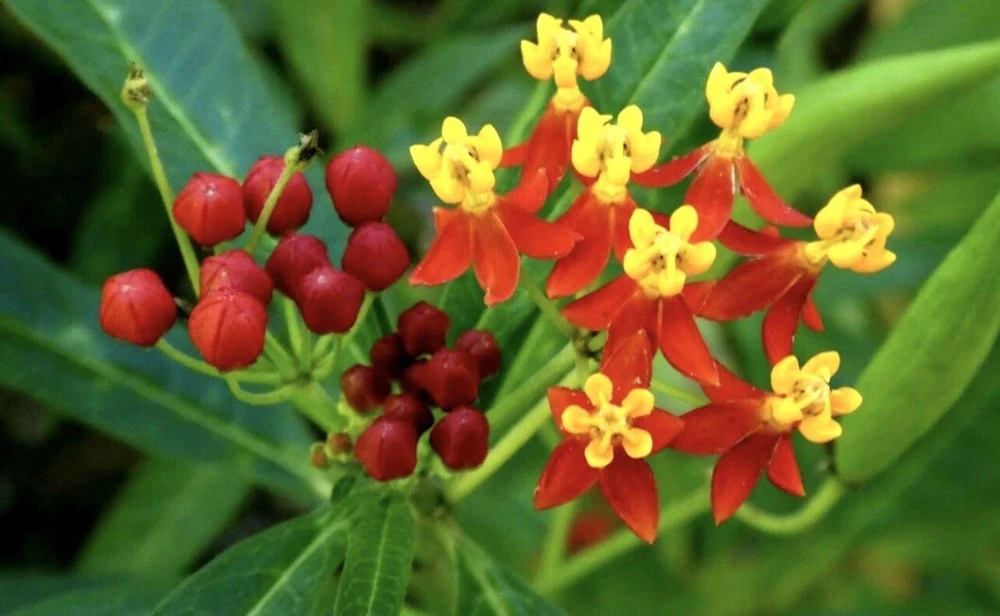
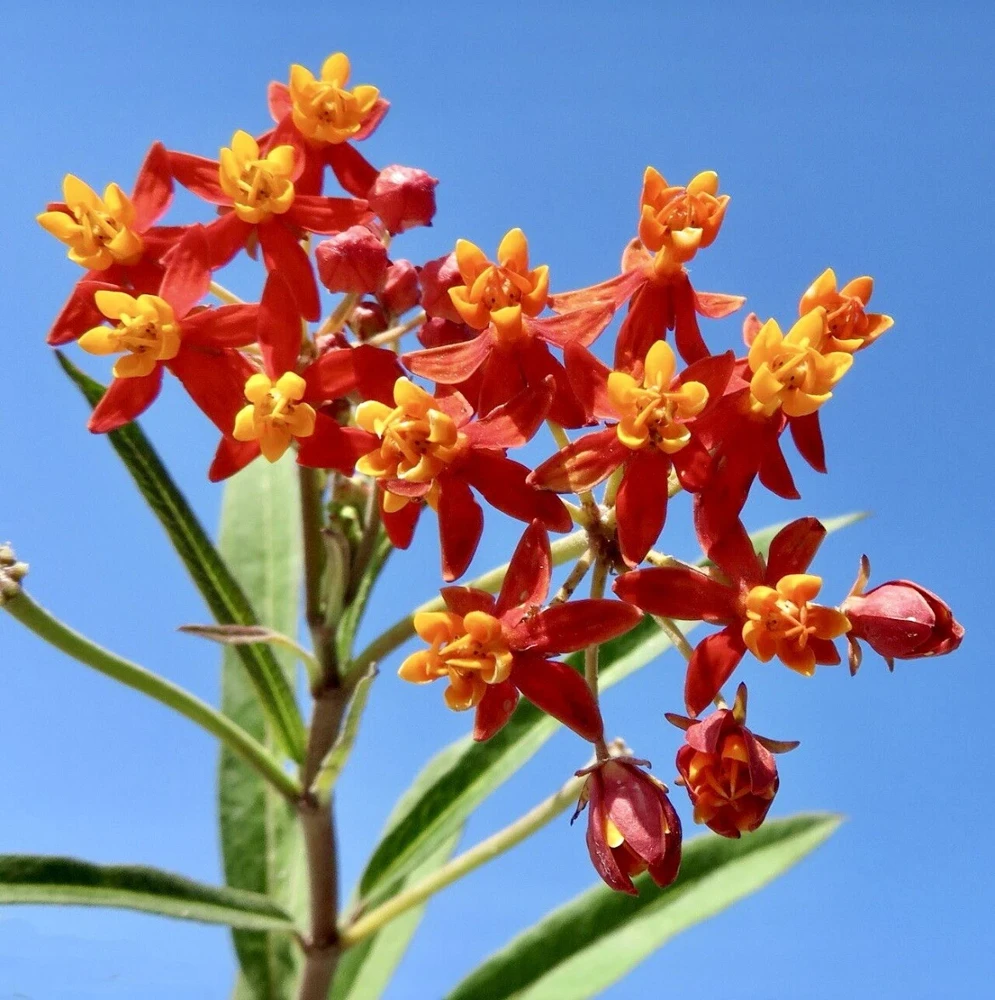
Cultivate beautiful and beneficial scarlet milkweed seeds to create a pollinator-friendly garden. These tropical milkweed seeds are perfect for attracting monarch butterflies and offer vibrant red, orange, and yellow blooms. Easy to grow outdoors, they add a splash of color and ecological value to any landscape.
Estimated arrival
Nov 28
Dec 03 - Dec 05
Dec 05 - Dec 10
See our Shipping Policy.
Get in touch with us via email, and our team will review your concerns.
Our Alive & Thrive Guarantee covers issues with your plants within the first 30 days. Read our Refund & Returns Policy.
-
USDA Hardiness Zone
USDA zones 9-11 (perennial), otherwise annual -
Soil Type
Well-draining soil -
Sunlight Exposure
Full Sun to Medium Sun -
Expected Planting Period
Spring to early summer
Overview
Cultivate a vibrant and essential habitat for monarch butterflies with these premium scarlet milkweed seeds. Also known as tropical milkweed seeds (Asclepias curassavica), these seeds will grow into stunning plants featuring brilliant red, orange, and yellow flowers. This variety is a favorite among pollinators, especially monarch butterflies, which rely on milkweed as a host plant for their larvae. Planting these seeds is a wonderful way to contribute to pollinator conservation while adding dramatic color to your garden.
Each packet contains 50 high-quality seeds, ensuring a good start for your pollinator garden. The plants are relatively easy to grow and thrive in warm climates, producing a continuous display of blossoms throughout the summer and fall. Whether you’re an experienced gardener or just starting, growing asclepias curassavica seeds is a rewarding experience that benefits both your landscape and local wildlife.
Key Benefits
Planting scarlet milkweed seeds offers numerous advantages, transforming your garden into a haven for beneficial insects and adding significant aesthetic appeal.
- Pollinator Magnet: Specifically attracts monarch butterflies, providing crucial food and breeding grounds. These tropical milkweed seeds are vital for supporting declining pollinator populations.
- Vibrant Color Palette: Produces striking red, orange, and yellow flowers that add a bold, tropical feel to garden beds, borders, and containers.
- Easy to Grow: Known for their robust nature and adaptability, making them suitable for gardeners of all skill levels. They are a low-maintenance choice for a high-impact garden.
- Long Blooming Season: Enjoy continuous blooms from summer through fall, providing sustained nectar sources for butterflies and hummingbirds.
- Drought Tolerant: Once established, these plants are quite resilient to dry conditions, reducing the need for frequent watering.
- Deer Resistant: Generally not favored by deer, making them a good choice for areas where deer browsing is a concern.
- Ecological Contribution: By growing milkweed for monarchs, you directly support their life cycle and contribute to biodiversity.
Plant Care & Growing Tips
Growing scarlet milkweed seeds successfully requires attention to a few key conditions, though the plants are generally forgiving. Start by sowing seeds indoors 6-8 weeks before the last frost or directly outdoors after all danger of frost has passed. For best germination, cold stratification (placing seeds in a moist medium in the refrigerator for 3-4 weeks) can be beneficial, mimicking winter conditions.
These plants thrive in areas with full sun to medium sun, needing at least 6 hours of direct sunlight daily to produce abundant blooms. They prefer well-draining soil and can tolerate a variety of soil types, though a slightly sandy loam is ideal. Water regularly during the establishment phase, keeping the soil consistently moist but not waterlogged. Once mature, tropical milkweed seeds plants are quite drought-tolerant, but occasional deep watering during extended dry periods will encourage better flowering. Fertilization is generally not heavily required; a balanced, slow-release fertilizer applied in spring can support vigorous growth. Watch out for common pests like aphids, which can be managed with insecticidal soap or by introducing beneficial insects like ladybugs. Pruning back spent flowers (deadheading) can encourage more blooms and prevent excessive self-seeding.
Size & Details
This package contains 50 high-quality scarlet milkweed seeds (Asclepias curassavica) ready for planting. When mature, these perennial plants typically grow to a height of 2-4 feet (60-120 cm) with a similar spread, forming an upright, bushy habit. The flowers are clustered, showcasing a vibrant mix of red, orange, and yellow hues. Plants grown from these asclepias curassavica seeds will begin to flower in their first season, usually within 3-4 months after germination, and will continue to bloom through summer and fall. The seeds are suitable for outdoor cultivation, providing an excellent food source for monarch caterpillars and adult butterflies.
Frequently Asked Questions
- Q: How big does this plant get? A: Scarlet Milkweed typically grows to a height of 2 to 4 feet tall with a similar spread, creating a bushy and upright plant ideal for garden beds or large containers.
- Q: Is this an indoor or outdoor plant? A: While it can be started indoors, tropical milkweed seeds are best suited for outdoor cultivation. It thrives in full sun and warm temperatures, making it an excellent addition to outdoor gardens.
- Q: How much sunlight does it need? A: These plants require full sun to medium sun, meaning at least 6 hours of direct sunlight per day, for optimal growth and flowering.
- Q: Is this plant easy to care for? A: Yes, scarlet milkweed seeds are considered easy to grow. Once established, they are quite low-maintenance and tolerant of various conditions, making them suitable for beginner gardeners.
- Q: What condition will the seeds arrive in? A: The product includes 50 fresh, viable seeds, carefully packaged to ensure their quality upon arrival, ready for planting.
- Q: When is the best time to plant these seeds? A: The best time to plant asclepias curassavica seeds is in spring after the last frost for direct sowing, or indoors 6-8 weeks before the last frost for an earlier start.
- Q: Will it survive winter in my zone? A: Tropical Milkweed is a perennial in USDA zones 9-11, meaning it will return each year. In colder zones, it is typically grown as an annual or can be brought indoors for winter.
- Q: Can I grow milkweed for monarchs in containers? A: Absolutely! These plants do well in large containers, provided they have adequate drainage and receive plenty of sunlight. This is a great option for gardeners with limited space.
- Q: What is the ideal soil type for these seeds? A: They prefer well-draining soil. A sandy loam mix is ideal, but they can adapt to various soil types as long as drainage is good.
- Q: How long until it blooms? A: Plants grown from scarlet milkweed seeds typically begin to bloom in their first season, usually within 3-4 months after germination, and will continue to flower through summer and fall.
Be the first to review “Scarlet Milkweed Seeds – Tropical Milkweed (Asclepias Curassavica) – 50 Seeds”
Related products


You May Like

How to Grow Passion Flower (Passiflora) for Tropical Blooms
Few climbing vines in the home garden command attention quite like the exotic Passion Flower (Passiflora). [...]
Nov

Thanksgiving Cactus Care: How to Get Thanksgiving Cactus to Bloom
Is your Thanksgiving cactus growing well but not giving you any flowers? Maybe it looked [...]
Nov

How to Grow Garlic for a Bountiful Home Harvest
Garlic (Allium sativum) is one of the most satisfying, low-maintenance, and flavor-packed crops you can [...]
Oct

Hardneck vs. Softneck Garlic: Which Should You Grow?
Have you ever stood in front of a seed catalog in mid-September, staring at dozens [...]
1 Comment
Oct

When to Plant Music Garlic: Ultimate US Fall Guide
Have you ever spent your fall weekend placing carefully chosen garlic cloves into rich, dark [...]
1 Comment
Oct

5 Best Bulbs for Fall Planting: Brighten Your Garden This Spring
Are you dreaming of a garden full of vibrant colors in the spring? The key [...]
Aug

10 Houseplants That Will Thrive in Your Kitchen
Are you tired of your kitchen feeling dull and lifeless? Want to add a little [...]
1 Comment
Aug
Reviews
There are no reviews yet.