

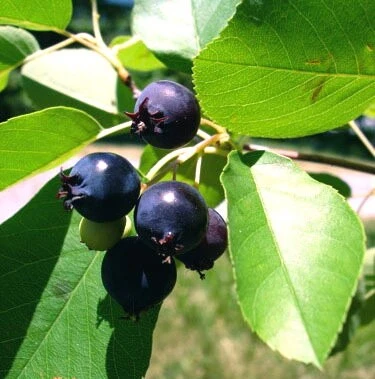
Serviceberry Seeds – Amelanchier Alnifolia – 5+ Seeds – Zone 3 Hardy Fruiting Tree
Original price was: 33.13 $.13.13 $Current price is: 13.13 $.
Cultivate a beautiful and beneficial serviceberry tree with this packet of 5+ serviceberry seeds (Amelanchier alnifolia). These zone 3 hardy serviceberry seeds will grow into a perennial fruiting tree, offering stunning spring blooms and valuable edible berry seeds for both humans and wildlife. Perfect for creating a wildlife friendly plant habitat in your garden.
Estimated arrival
Nov 26
Dec 01 - Dec 03
Dec 03 - Dec 08
See our Shipping Policy.
Get in touch with us via email, and our team will review your concerns.
Our Alive & Thrive Guarantee covers issues with your plants within the first 30 days. Read our Refund & Returns Policy.
-
USDA Hardiness Zone
USDA Zone 3-8 -
Soil Type
Well-draining, slightly acidic to neutral soil -
Sunlight Exposure
Full sun to partial shade -
Expected Planting Period
Early spring after cold stratification
Overview
Embark on a rewarding gardening journey by planting these premium serviceberry seeds. Each packet contains 5+ high-quality Amelanchier alnifolia seeds, ready to grow into a resilient and beautiful serviceberry tree. Known for its early spring profusion of delicate white flowers, this deciduous tree transforms into a source of delicious, dark purple berries by early summer. Serviceberries, also known as Juneberries or Saskatoon berries, are highly valued for their sweet flavor, making them perfect for fresh eating, jams, pies, or as a vital food source for local wildlife. This particular variety is renowned for being a zone 3 hardy serviceberry, ensuring it can thrive in colder climates and provide years of enjoyment and ecological benefit to your landscape. Growing from seed offers a unique opportunity to nurture a plant from its very beginning, connecting you more deeply with nature’s cycle.
The Amelanchier alnifolia, native to North America, is not just an ornamental beauty but also a practical addition to any garden. Its adaptability and low maintenance make it a favorite among gardeners seeking both aesthetic appeal and ecological value. The tree’s graceful form and seasonal interest, from spring blossoms to summer fruits and vibrant fall foliage, provide year-round appeal. These serviceberry seeds are a fantastic choice for anyone looking to add a robust, fruit-bearing, and visually appealing tree to their property, contributing to biodiversity and providing a sustainable food source.
Key Benefits
Growing serviceberry seeds offers numerous advantages for both your garden and the environment. These benefits make the serviceberry tree a highly desirable addition to any landscape project:
- Abundant Edible Berries: The tree produces a generous crop of sweet, nutritious berries, which are excellent for human consumption and can be used in various culinary applications. These edible berry seeds will yield delicious fruit.
- Wildlife Attractor: The berries are a favorite food source for birds, black bears, and other small mammals, making it a crucial wildlife friendly plant that supports local ecosystems.
- Stunning Spring Blooms: In early spring, the branches are covered with a spectacular display of feathery white flowers, providing significant ornamental value and signaling the arrival of warmer weather.
- Exceptional Cold Hardiness: As a zone 3 hardy serviceberry, it can withstand harsh winter conditions, making it suitable for a wide range of climates where many other fruiting trees struggle.
- Low Maintenance & Adaptable: Once established, serviceberry trees are relatively easy to care for, tolerant of various soil conditions, and resistant to many common pests and diseases.
- Non-GMO & Heirloom Quality: These amelanchier alnifolia seeds are heirloom quality, non-GMO, and grown without harmful chemical pesticides, ensuring a natural and healthy start for your plants.
- Beautiful Fall Foliage: Beyond its spring flowers and summer fruits, the serviceberry tree offers attractive orange-red fall foliage, adding another layer of seasonal interest to your garden.
Plant Care & Growing Tips
Successfully growing serviceberry seeds into mature trees requires attention to specific care guidelines. Serviceberries thrive in full sun to partial shade, meaning they need at least 4-6 hours of direct sunlight daily for optimal fruit production and flowering. While they are tolerant of various soil types, well-draining soil with a slightly acidic to neutral pH is ideal. Amend heavy clay soils with organic matter to improve drainage and aeration. Consistent moisture is important, especially during the first few years after planting and during fruit development. However, avoid waterlogging, as this can lead to root rot. Once established, serviceberry trees become more drought-tolerant, but supplemental watering during prolonged dry spells is beneficial.
For best results with your amelanchier alnifolia seeds, consider cold stratification before planting. This mimics natural winter conditions and encourages germination. Plant seeds in early spring after the last frost, about 1/4 to 1/2 inch deep. Space multiple trees according to their mature size, typically 10-15 feet apart, to allow for adequate air circulation and growth. Fertilization is generally not heavily required for established trees, but a balanced, slow-release fertilizer can be applied in early spring, especially if soil nutrients are low. Pruning should focus on removing dead, damaged, or crossing branches to maintain a healthy structure and good air circulation. Protect young trees from deer browsing, as they are known to enjoy the foliage and young shoots, which can impact the development of your wildlife friendly plant.
Size & Details
This product includes one packet containing 5+ serviceberry seeds (Amelanchier alnifolia), ready for planting. These seeds are carefully harvested to ensure viability and are ideal for starting your own serviceberry trees from scratch. The mature serviceberry tree typically reaches a height of 15-25 feet with a spread of 10-15 feet, forming a multi-stemmed shrub or small tree. The growth rate is moderate, with trees often beginning to produce fruit within 2-3 years after planting. Expect beautiful white blooms in early spring, usually April to May, followed by ripe berries in June or July, depending on your local climate. These edible berry seeds will grow into a robust and productive plant.
The serviceberry is a versatile plant, suitable for various landscape applications including hedgerows, specimen trees, or as part of a naturalized area. It is a zone 3 hardy serviceberry, capable of thriving in cold temperatures. Your seeds will arrive with detailed care and starting instructions to guide you through the cultivation process, ensuring you have all the information needed to successfully grow these rewarding trees.
Frequently Asked Questions
- Q: How big does this plant get? A: A mature serviceberry tree typically grows to be 15-25 feet tall with a spread of 10-15 feet, forming either a large shrub or a small tree, making it a significant addition to your garden landscape.
- Q: Is this an indoor or outdoor plant? A: Serviceberry trees are primarily outdoor plants, thriving in garden settings where they can receive adequate sunlight and space to grow to their full potential as a wildlife friendly plant.
- Q: How much sunlight does it need? A: For optimal growth and fruit production, serviceberry trees prefer full sun (at least 6 hours of direct sunlight daily) but can tolerate partial shade, though fruiting may be less abundant.
- Q: Is this plant easy to care for? Is it good for beginners? A: Yes, serviceberry trees are generally considered low-maintenance once established, making them a good choice for both experienced gardeners and beginners looking for a hardy fruiting tree from serviceberry seeds.
- Q: What condition will the serviceberry seeds arrive in? A: The seeds will arrive in a protective packet, ready for planting, along with detailed instructions for stratification and germination to ensure the best possible start for your new plants.
- Q: How long until it blooms and produces fruit? A: Serviceberry trees typically begin to bloom and produce fruit within 2-3 years after planting from seed, with more substantial yields as the tree matures.
- Q: Will it survive winter in my zone? What’s the minimum temperature? A: These are zone 3 hardy serviceberry seeds, meaning the resulting trees can withstand winter temperatures as low as -40°F (-40°C), making them very resilient in cold climates.
- Q: Can I use the berries in cooking? A: Absolutely! The berries from your amelanchier alnifolia seeds are delicious and can be used fresh, in pies, jams, jellies, muffins, or any recipe where you’d use blueberries.
- Q: Are these seeds organic or non-GMO? A: These are heirloom amelanchier alnifolia seeds, grown without harmful chemical pesticides and are non-GMO, ensuring a natural and healthy product.
- Q: What is the best time to plant these serviceberry seeds? A: After proper cold stratification, the best time to plant these seeds outdoors is in early spring, once the danger of the last hard frost has passed.
Be the first to review “Serviceberry Seeds – Amelanchier Alnifolia – 5+ Seeds – Zone 3 Hardy Fruiting Tree”
Related products




Shrub Seeds
True Myrtle Seeds (Myrtus Communis) – 20 Fragrant White Flower Edible Blue Berry Shrub Seeds
You May Like

How to Grow Passion Flower (Passiflora) for Tropical Blooms
Few climbing vines in the home garden command attention quite like the exotic Passion Flower (Passiflora). [...]
Nov

Thanksgiving Cactus Care: How to Get Thanksgiving Cactus to Bloom
Is your Thanksgiving cactus growing well but not giving you any flowers? Maybe it looked [...]
Nov

How to Grow Garlic for a Bountiful Home Harvest
Garlic (Allium sativum) is one of the most satisfying, low-maintenance, and flavor-packed crops you can [...]
Oct

Hardneck vs. Softneck Garlic: Which Should You Grow?
Have you ever stood in front of a seed catalog in mid-September, staring at dozens [...]
1 Comment
Oct

When to Plant Music Garlic: Ultimate US Fall Guide
Have you ever spent your fall weekend placing carefully chosen garlic cloves into rich, dark [...]
1 Comment
Oct

5 Best Bulbs for Fall Planting: Brighten Your Garden This Spring
Are you dreaming of a garden full of vibrant colors in the spring? The key [...]
Aug

10 Houseplants That Will Thrive in Your Kitchen
Are you tired of your kitchen feeling dull and lifeless? Want to add a little [...]
1 Comment
Aug
Reviews
There are no reviews yet.