
Sour Tamarind Seeds – 10 Seeds – Fruit Seeds for Outdoor Planting
Original price was: 9.98 $.5.99 $Current price is: 5.99 $.
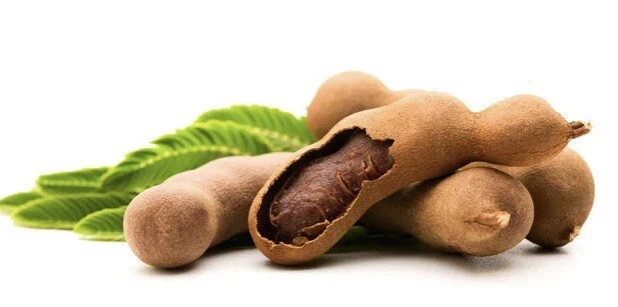
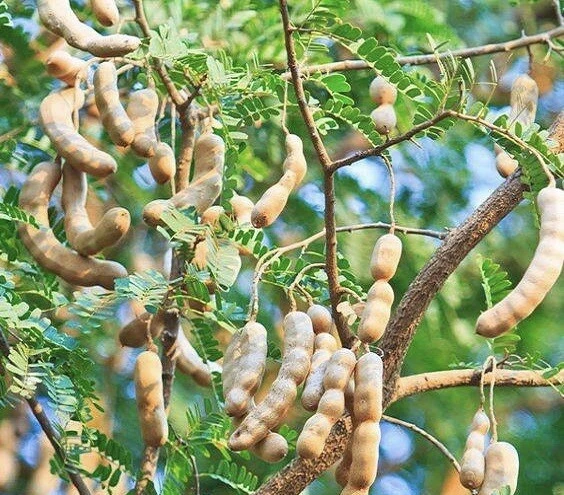
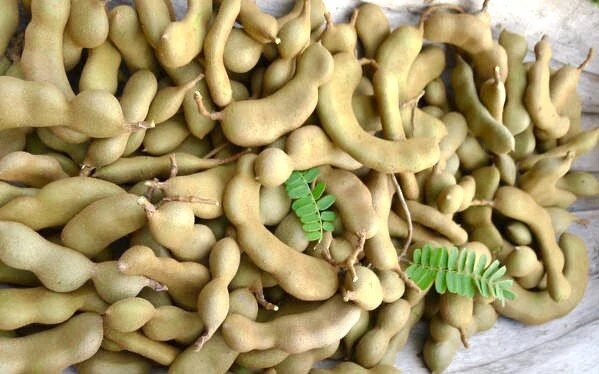
Cultivate your own exotic fruit with this pack of sour tamarind seeds. Each pack contains 10 high-quality seeds, perfect for starting your own tamarind tree seeds outdoors. Enjoy fresh, edible tamarind pods from these perennial fruit seeds.
Estimated arrival
Nov 27
Dec 02 - Dec 04
Dec 04 - Dec 09
See our Shipping Policy.
Get in touch with us via email, and our team will review your concerns.
Our Alive & Thrive Guarantee covers issues with your plants within the first 30 days. Read our Refund & Returns Policy.
-
USDA Hardiness Zone
USDA zones 9–11 -
Soil Type
Well-draining sandy loam or loamy soil -
Sunlight Exposure
Full sun -
Expected Planting Period
Spring to early summer (in warm climates)
Overview
Embark on a rewarding gardening journey with our premium sour tamarind seeds. This pack contains 10 viable seeds, offering you the opportunity to cultivate your very own Tamarindus indica trees. Known for their distinctive sour-sweet pulp, tamarind fruits are a staple in many cuisines worldwide. Growing your own tamarind tree seeds allows you to enjoy fresh, organic tamarind right from your garden. These perennial fruit seeds are ideal for outdoor planting in suitable climates, promising a long-term yield of delicious, edible pods. Experience the satisfaction of nurturing a tropical fruit tree from a tiny seed to a mature, fruit-bearing specimen.
The tamarind tree, a beautiful and resilient plant, adds an exotic touch to any landscape. Our sour tamarind seeds are carefully selected to ensure a high germination rate, giving you the best start possible. Whether you’re an experienced gardener or a curious beginner, these seeds provide a fantastic opportunity to expand your edible garden with a unique and flavorful fruit. Discover the joy of harvesting your own edible tamarind seeds and the versatile culinary applications they offer.
Key Benefits
Growing sour tamarind seeds offers a multitude of benefits, both for your garden and your kitchen. These seeds develop into robust trees that provide more than just fruit:
- Fresh, Edible Fruit: Enjoy the unique sour-sweet flavor of fresh tamarind pulp, perfect for cooking, drinks, and snacks. Harvesting your own means no pesticides or unknown chemicals.
- Exotic Landscape Addition: The tamarind tree is a beautiful, spreading tree that provides ample shade and an attractive, tropical aesthetic to your outdoor space.
- Long-Term Yield: As a perennial, your tamarind tree will produce fruit for many years once established, offering a sustainable source of this exotic ingredient.
- Culinary Versatility: The pulp from your tamarind tree seeds can be used in curries, chutneys, sauces, beverages, and desserts, adding a distinctive tangy note.
- Gardening Fulfillment: There’s immense satisfaction in watching a plant grow from a small seed into a productive tree, especially one that yields such a unique fruit.
- Support Local Ecosystem: Mature tamarind trees can provide habitat and food for various local wildlife, contributing to biodiversity in your garden.
- Cost-Effective: Over time, growing your own tamarind can be more economical than continuously purchasing fresh pods or pulp from specialty stores. These perennial fruit seeds are an investment in your future harvests.
Plant Care & Growing Tips
To successfully grow sour tamarind seeds, proper care is essential. Tamarind trees thrive in warm, tropical, and subtropical climates. They prefer a location with full sun exposure, meaning at least 6-8 hours of direct sunlight per day. Good drainage is crucial, so plant your tamarind seeds in well-draining soil. A sandy loam or loamy soil enriched with organic matter is ideal. Before planting, scarify the seeds by lightly sanding or nicking the hard outer coat, then soak them in warm water for 24-48 hours to aid germination.
Once germinated, plant the seedlings in a permanent outdoor location or a large pot if you’re in a cooler climate and plan to bring it indoors during winter. Water regularly during the initial growth phase, ensuring the soil remains consistently moist but not waterlogged. Established trees are quite drought-tolerant but will benefit from occasional deep watering during dry spells. Fertilize young trees with a balanced, slow-release fertilizer during the growing season. Protect young trees from frost, as they are sensitive to cold temperatures. With consistent care, your tamarind tree seeds will develop into a robust and productive fruit tree.
Size & Details
This product includes 10 high-quality sour tamarind seeds, ready for planting. Each seed has the potential to grow into a large, majestic tamarind tree. In ideal conditions, a mature tamarind tree can reach heights of 60-80 feet with a broad canopy, though container-grown trees will remain smaller. The seeds are typically harvested from healthy, mature pods, ensuring genetic viability. Tamarind trees are known for their relatively slow to moderate growth rate, and it can take anywhere from 7-10 years for a tree grown from seed to begin producing fruit, though some may fruit earlier under optimal conditions. These edible tamarind seeds are best suited for outdoor cultivation in USDA Zones 9-11, where they can thrive year-round.
Frequently Asked Questions
- Q: How many sour tamarind seeds are included in this pack? A: This pack contains 10 high-quality sour tamarind seeds, providing a good starting quantity for your gardening project.
- Q: How big does a tamarind tree get from these seeds? A: In optimal outdoor conditions, a tamarind tree can grow to 60-80 feet tall with a wide canopy. If grown in a container, its size will be significantly more compact.
- Q: Is this an indoor or outdoor plant? A: While young seedlings can be started indoors, the tamarind tree is best suited for outdoor planting in warm climates (USDA Zones 9-11) where it can receive ample sunlight.
- Q: How much sunlight do these tamarind tree seeds need to grow? A: Tamarind trees require full sun, meaning at least 6-8 hours of direct sunlight per day, to grow strong and produce fruit effectively.
- Q: Is this plant easy to care for, especially for beginners? A: Growing tamarind from seed requires some patience and consistent care, especially during germination and the initial growth phase. However, established trees are relatively low-maintenance, making these perennial fruit seeds a rewarding project for dedicated beginners.
- Q: How long until the tamarind tree bears fruit? A: Tamarind trees grown from seed typically begin to bear fruit in 7-10 years, though environmental factors and care can sometimes lead to earlier fruiting.
- Q: What type of soil is best for growing edible tamarind seeds? A: Tamarind trees prefer well-draining soil, such as a sandy loam or loamy soil, enriched with organic matter. Good drainage is crucial to prevent root rot.
- Q: Will these seeds grow in cooler climates? A: Tamarind trees are tropical and sensitive to frost. In cooler climates, they can be grown in large containers and brought indoors during winter, but they will likely not reach their full potential.
- Q: Can the fruit from these seeds be used in cooking? A: Absolutely! The sour-sweet pulp from the tamarind fruit is highly valued in various cuisines for making curries, sauces, drinks, and desserts.
- Q: Do I need to do anything special to the seeds before planting? A: Yes, it’s recommended to scarify the hard outer shell of the sour tamarind seeds and then soak them in warm water for 24-48 hours to improve germination rates.
Be the first to review “Sour Tamarind Seeds – 10 Seeds – Fruit Seeds for Outdoor Planting”
Related products

Fruit Seeds
Ruegen Alpine Strawberry Seeds – 60 Count Everbearing Fragaria Vesca Red Fruit White Flower


You May Like

How to Grow Passion Flower (Passiflora) for Tropical Blooms
Few climbing vines in the home garden command attention quite like the exotic Passion Flower (Passiflora). [...]
Nov

Thanksgiving Cactus Care: How to Get Thanksgiving Cactus to Bloom
Is your Thanksgiving cactus growing well but not giving you any flowers? Maybe it looked [...]
Nov

How to Grow Garlic for a Bountiful Home Harvest
Garlic (Allium sativum) is one of the most satisfying, low-maintenance, and flavor-packed crops you can [...]
Oct

Hardneck vs. Softneck Garlic: Which Should You Grow?
Have you ever stood in front of a seed catalog in mid-September, staring at dozens [...]
1 Comment
Oct

When to Plant Music Garlic: Ultimate US Fall Guide
Have you ever spent your fall weekend placing carefully chosen garlic cloves into rich, dark [...]
1 Comment
Oct

5 Best Bulbs for Fall Planting: Brighten Your Garden This Spring
Are you dreaming of a garden full of vibrant colors in the spring? The key [...]
Aug

10 Houseplants That Will Thrive in Your Kitchen
Are you tired of your kitchen feeling dull and lifeless? Want to add a little [...]
1 Comment
Aug
Reviews
There are no reviews yet.