
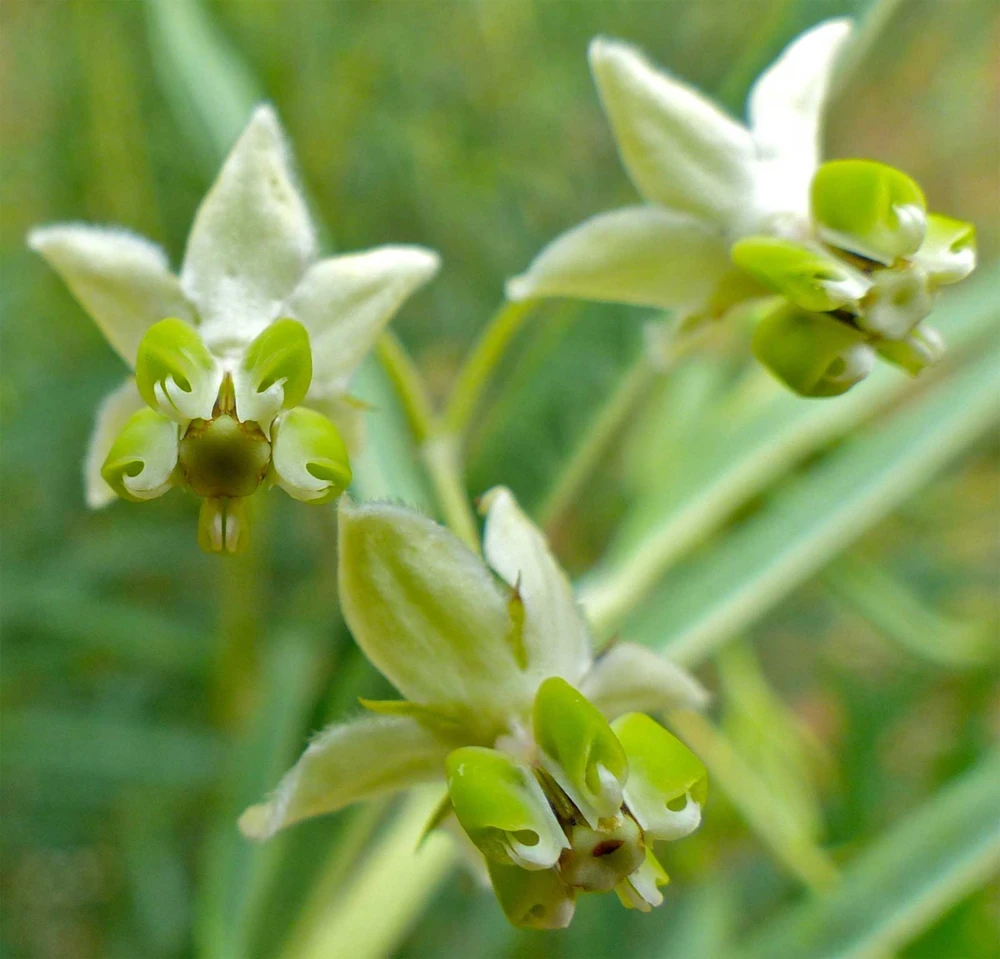
Swan Plant Milkweed Seeds – Gomphocarpus fruticosus – 10 Seeds – Butterfly Host Plant
Original price was: 52.91 $.23.91 $Current price is: 23.91 $.
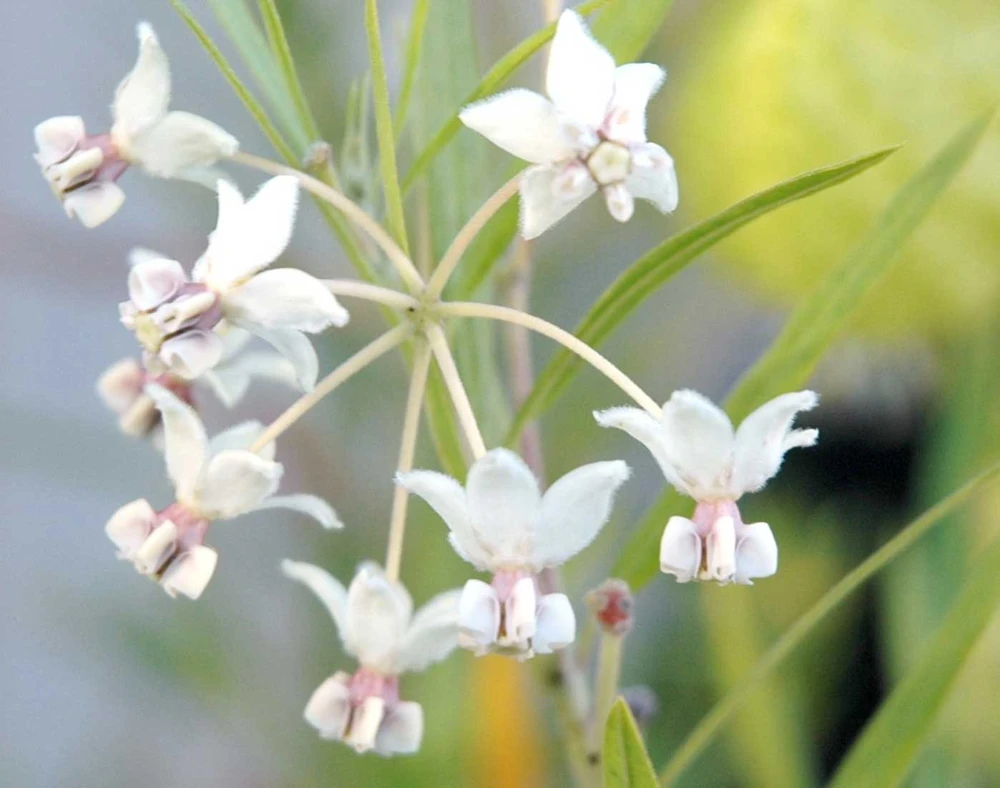
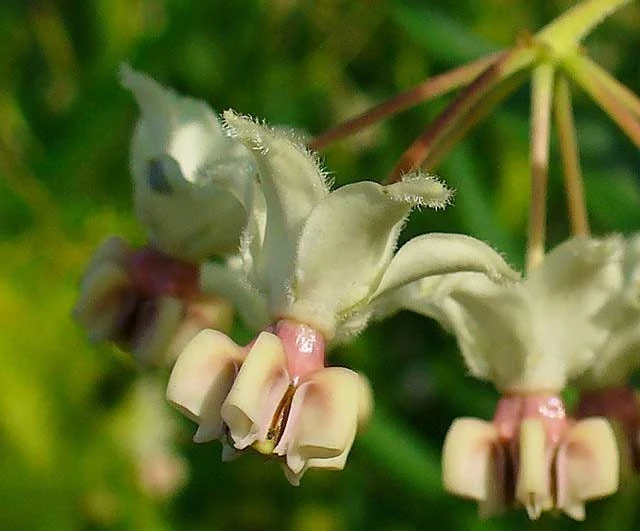
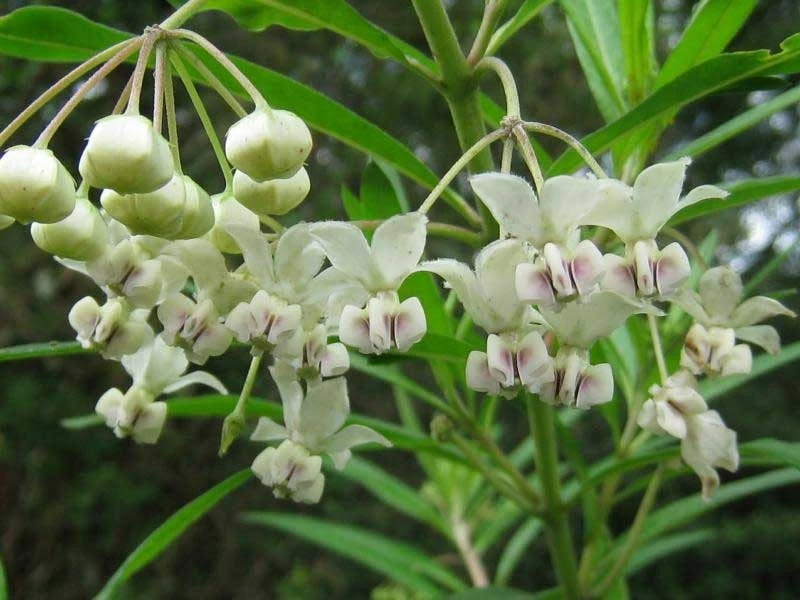
Start your own pollinator garden with swan plant milkweed seeds. These Gomphocarpus fruticosus seeds are perfect for attracting monarch butterflies and other beneficial insects. Also known as Tennis Ball Bush, this plant offers unique seed pods and vibrant blooms for your landscape.
Estimated arrival
Nov 27
Dec 02 - Dec 04
Dec 04 - Dec 09
See our Shipping Policy.
Get in touch with us via email, and our team will review your concerns.
Our Alive & Thrive Guarantee covers issues with your plants within the first 30 days. Read our Refund & Returns Policy.
-
USDA Hardiness Zone
USDA Hardiness Zones 10 to 11 (Tender Perennial), all other zones (Annual) -
Soil Type
Well-draining soil -
Sunlight Exposure
Full sun to partial shade -
Expected Planting Period
Early spring (indoors) or after last frost (outdoors)
Overview
Cultivate a vibrant and ecologically beneficial garden with our premium swan plant milkweed seeds. These seeds, scientifically known as Gomphocarpus fruticosus seeds, allow you to grow the fascinating Swan Plant Milkweed, a species renowned for its distinctive swan-shaped seed pods and its crucial role as a larval host plant for the majestic Monarch butterfly. Also commonly referred to as Tennis Ball Bush due to its unique fruit, or by its synonym Asclepias fruiticosa seeds, this plant offers both aesthetic appeal and significant ecological value. Growing up to 6 feet tall, it creates an impressive focal point in any garden, drawing in not only Monarchs but also a variety of other birds, bees, and butterflies, enriching your garden’s biodiversity. Whether you’re an experienced gardener or just starting, these seeds provide an excellent opportunity to contribute to pollinator conservation while enjoying a truly unique botanical specimen.
Our Gomphocarpus fruticosus seeds are carefully selected to ensure high germination rates, providing you with the best start for your plants. This plant is a tender perennial in USDA Hardiness Zones 10 to 11, meaning it can return year after year in warmer climates. In cooler regions, it can be grown as an annual by starting seeds indoors early in the season. Its adaptability makes it a versatile choice for various garden settings, from sunny borders to container gardens. The bloom period extends from late spring through the middle of summer, offering a long season of interest and a continuous food source for pollinators. Embrace the joy of gardening and support local ecosystems by adding this extraordinary plant to your collection.
Key Benefits
Adding swan plant milkweed seeds to your garden offers a multitude of advantages, transforming your outdoor space into a haven for wildlife and a source of natural beauty. These seeds are your gateway to cultivating a plant that provides significant ecological contributions and visual interest.
- Monarch Butterfly Host Plant: The primary benefit of growing this plant from Gomphocarpus fruticosus seeds is its vital role as a larval host for Monarch butterflies. Female Monarchs lay their eggs exclusively on milkweed species, making this an essential plant for their life cycle and conservation efforts.
- Attracts Pollinators: Beyond Monarchs, the Swan Plant Milkweed’s flowers are a magnet for a wide array of pollinators, including various bees and butterflies, contributing to the health and vitality of your garden ecosystem.
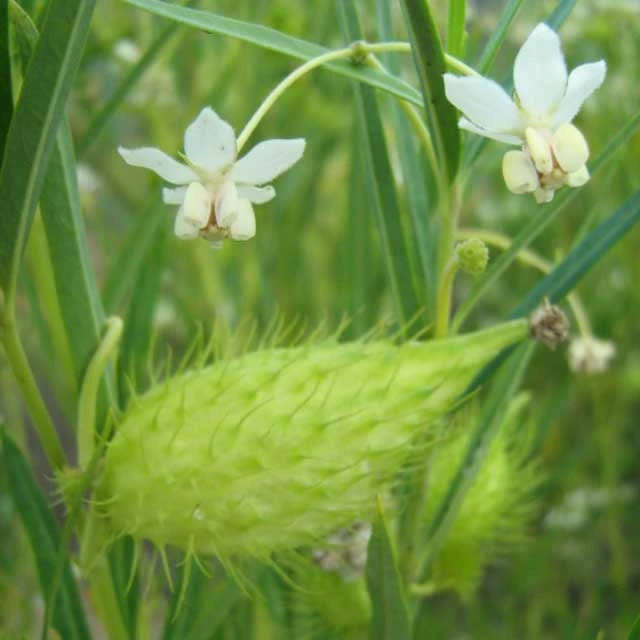
- Unique Ornamental Value: The distinctive, puffy, swan-shaped seed pods, which mature into ‘tennis ball’ like structures, provide exceptional visual interest and conversation starters in the garden, making it a truly unique ornamental plant.
- Easy to Grow from Seeds: These tennis ball bush seeds are relatively easy to germinate and grow, making them suitable for gardeners of all experience levels who wish to nurture this fascinating plant from its very beginning.
- Drought Tolerant: Once established, Swan Plant Milkweed is known for its resilience and ability to tolerate periods of drought, requiring less frequent watering compared to many other garden plants.
- Versatile Growing Options: Can be grown as a tender perennial in warmer climates (USDA Zones 10-11) or as an annual in cooler regions by starting indoors, offering flexibility for various gardening zones.
- Supports Biodiversity: By integrating Asclepias fruiticosa seeds into your landscape, you are actively supporting local biodiversity and creating a welcoming environment for beneficial insects and birds.
Plant Care & Growing Tips
Growing swan plant milkweed seeds successfully involves understanding their preferred conditions to ensure robust growth and abundant blooms. This plant thrives with proper care, rewarding you with its unique beauty and ecological benefits. To start, sow your Gomphocarpus fruticosus seeds indoors 6-8 weeks before the last frost date in your area. Use a high-quality seed-starting mix and keep the soil consistently moist but not waterlogged. Germination typically occurs within 2-3 weeks. Once seedlings have developed a few true leaves, they can be transplanted into larger pots or directly outdoors after all danger of frost has passed.
For optimal growth, Swan Plant Milkweed prefers a location with full sun to partial shade. Full sun (at least 6 hours of direct sunlight per day) will encourage the most vigorous growth and prolific flowering. While it tolerates a range of soil types, well-draining soil is crucial to prevent root rot. Amend heavy clay soils with organic matter to improve drainage. Water regularly during dry spells, especially when the plants are young, but allow the soil to dry out slightly between waterings once established, as it is relatively drought-tolerant. Fertilization is generally not heavily required; a balanced, slow-release fertilizer applied in spring can support healthy growth, but avoid over-fertilizing, which can lead to excessive foliage at the expense of flowers and seed pods. Keep an eye out for common milkweed pests, such as aphids, and treat them with organic pest control methods if necessary, especially since this is a monarch butterfly host plant.
In regions where it is a tender perennial (USDA Zones 10-11), the plant may die back in winter and re-emerge in spring. In colder zones, treat it as an annual, or consider bringing potted plants indoors before the first frost to overwinter. Regular deadheading of spent flowers is not necessary but can encourage more blooms. Allow the distinctive seed pods to mature fully if you wish to collect more tennis ball bush seeds for future planting or to allow for natural reseeding. By following these care guidelines, your Swan Plant Milkweed will flourish, providing a continuous supply of food for Monarch caterpillars and a striking addition to your garden.
Size & Details
Our offering includes 10 high-quality swan plant milkweed seeds, ready for you to begin your gardening journey. These seeds will grow into mature plants that typically reach a height of up to 6 feet, creating a significant presence in your garden. The plant’s upright growth habit makes it suitable for back-of-the-border plantings or as a striking specimen plant. The unique seed pods, which are the plant’s namesake, develop after flowering and can grow to several inches in diameter, resembling small tennis balls or swans, depending on their stage of development. The plant blooms from late spring through mid-summer, providing a long season of interest and a continuous food source for pollinators.
When grown from Gomphocarpus fruticosus seeds, the plant’s growth rate is moderate, allowing it to establish well within its first growing season. While it is a tender perennial in warmer climates (USDA Hardiness Zones 10 to 11), it can be successfully cultivated as an annual in cooler regions, yielding a full season of growth and blooms. The seeds are packaged to ensure viability and are ready for planting upon arrival. Expect the first flowers and the characteristic seed pods to appear within the first year of growth when started early in the season. These monarch butterfly host plant seeds are an excellent choice for anyone looking to add a unique, pollinator-friendly, and visually captivating plant to their garden.
Frequently Asked Questions
- Q: How big does this plant get from swan plant milkweed seeds? A: When grown from seed, Swan Plant Milkweed typically grows up to 6 feet tall, creating a substantial and eye-catching presence in the garden.
- Q: Is this an indoor or outdoor plant? A: While it can be started indoors as seedlings, Swan Plant Milkweed (Gomphocarpus fruticosus seeds) is primarily grown as an outdoor plant. In colder zones, it can be grown as an annual, or potted plants can be overwintered indoors.
- Q: How much sunlight does it need? A: This plant thrives in full sun to partial shade, meaning it requires at least 6 hours of direct sunlight per day for the best growth and flowering.
- Q: Is this plant easy to care for? A: Yes, Swan Plant Milkweed is relatively easy to care for once established. It is known for its resilience and moderate water requirements, making it suitable for gardeners of various skill levels.
- Q: What condition will the tennis ball bush seeds arrive in? A: Your tennis ball bush seeds will arrive carefully packaged to ensure their viability and readiness for planting.
- Q: Can I use Asclepias fruiticosa seeds to attract Monarch butterflies? A: Absolutely! Growing Asclepias fruiticosa seeds is an excellent way to provide a vital larval host plant for Monarch butterflies, supporting their population and migration.
- Q: When is the best time to plant these seeds? A: For best results, sow the seeds indoors 6-8 weeks before your last expected frost date, or directly outdoors after all danger of frost has passed in warmer climates.
- Q: Will it survive winter in my zone? A: Swan Plant Milkweed is a tender perennial in USDA Hardiness Zones 10 to 11. In colder zones, it is typically grown as an annual, or protected indoors during winter.
- Q: How long until it blooms and produces seed pods? A: When started early, you can expect the plant to bloom from late spring through mid-summer and produce its distinctive seed pods within the first year of growth.
- Q: What kind of soil does this plant prefer? A: It prefers well-draining soil. Amending heavy clay soils with organic matter can improve drainage for optimal growth.
Be the first to review “Swan Plant Milkweed Seeds – Gomphocarpus fruticosus – 10 Seeds – Butterfly Host Plant”
Related products


Flower Plants
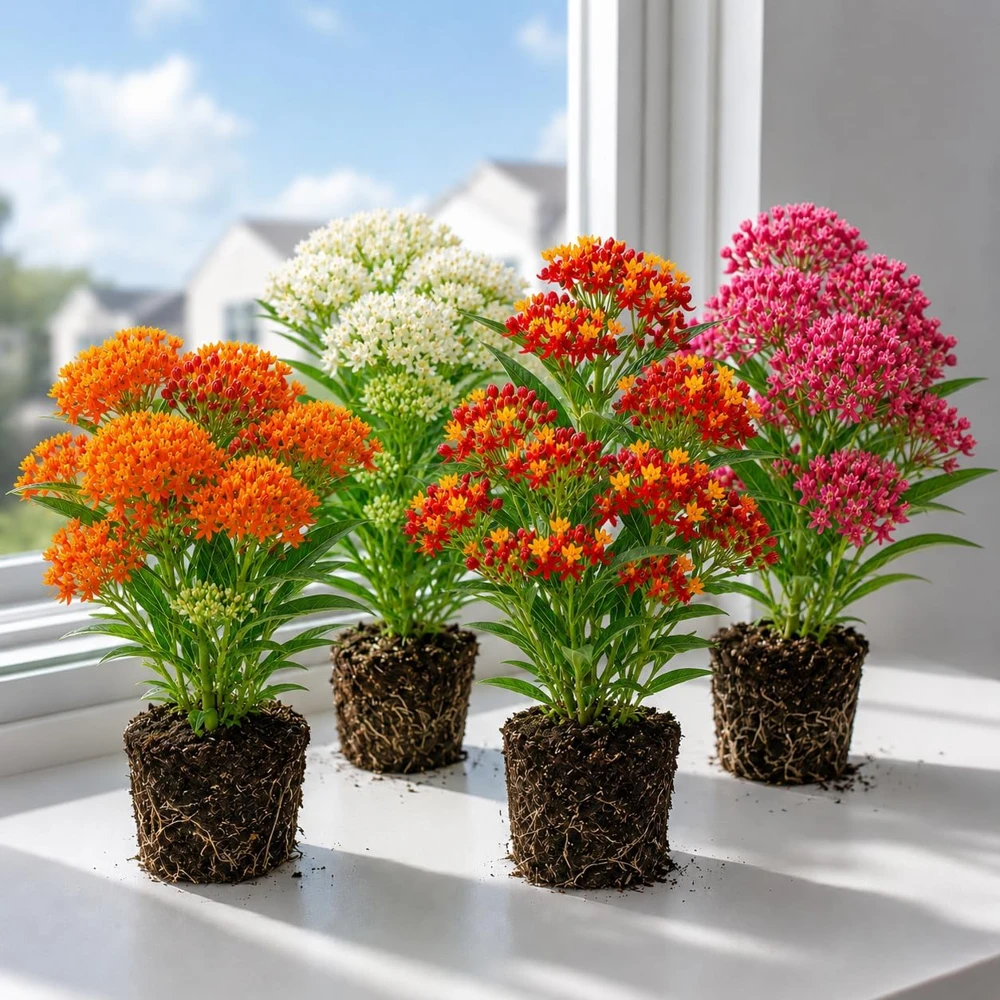
Red Milkweed Live Plant – Asclepias Curassavica – Monarch Butterfly Host – Pack of 2, 5-9 Inch Tall
Seeds
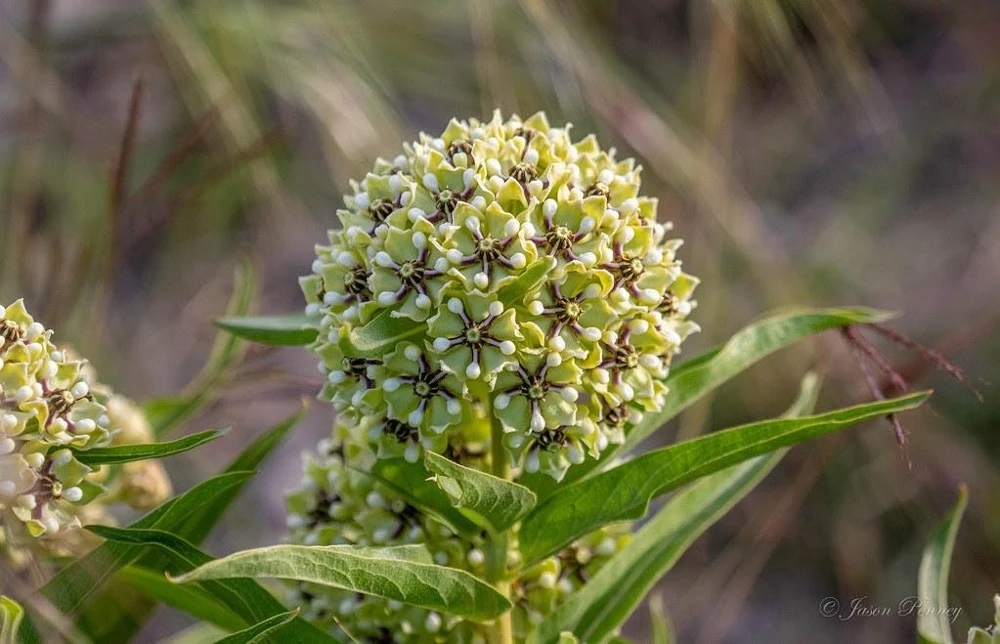
Antelope Horns Milkweed Seeds – Asclepias asperula – 10 Seed Packet – Outdoor Pollinator Plant


You May Like

How to Grow Passion Flower (Passiflora) for Tropical Blooms
Few climbing vines in the home garden command attention quite like the exotic Passion Flower (Passiflora). [...]
Nov

Thanksgiving Cactus Care: How to Get Thanksgiving Cactus to Bloom
Is your Thanksgiving cactus growing well but not giving you any flowers? Maybe it looked [...]
Nov

How to Grow Garlic for a Bountiful Home Harvest
Garlic (Allium sativum) is one of the most satisfying, low-maintenance, and flavor-packed crops you can [...]
Oct

Hardneck vs. Softneck Garlic: Which Should You Grow?
Have you ever stood in front of a seed catalog in mid-September, staring at dozens [...]
1 Comment
Oct

When to Plant Music Garlic: Ultimate US Fall Guide
Have you ever spent your fall weekend placing carefully chosen garlic cloves into rich, dark [...]
1 Comment
Oct

5 Best Bulbs for Fall Planting: Brighten Your Garden This Spring
Are you dreaming of a garden full of vibrant colors in the spring? The key [...]
Aug

10 Houseplants That Will Thrive in Your Kitchen
Are you tired of your kitchen feeling dull and lifeless? Want to add a little [...]
1 Comment
Aug
Reviews
There are no reviews yet.