
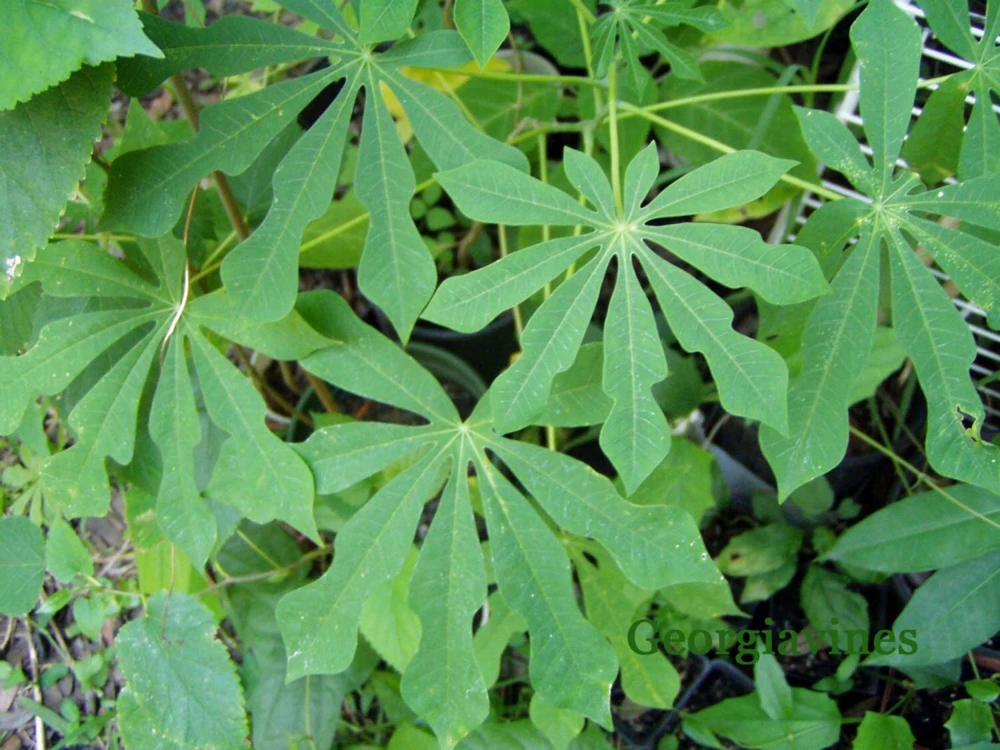
Tapioca Cassava Yuca Manioc Seeds – 10 Count Edible Root Plant Seeds
Original price was: 48.91 $.19.91 $Current price is: 19.91 $.
Cultivate your own food source with these tapioca cassava seeds. Each pack contains 10 seeds of Manihot esculenta, also known as Yuca or Manioc, a versatile plant prized for its nutritious edible roots and leaves. Ideal for warm climates, this plant thrives in full sun.
Estimated arrival
Nov 27
Dec 02 - Dec 04
Dec 04 - Dec 09
See our Shipping Policy.
Get in touch with us via email, and our team will review your concerns.
Our Alive & Thrive Guarantee covers issues with your plants within the first 30 days. Read our Refund & Returns Policy.
-
USDA Hardiness Zone
USDA Zones 9-11 -
Soil Type
Well-draining, sandy loam -
Sunlight Exposure
Full sun -
Expected Planting Period
Year-round in warm climates, spring in cooler zones
Overview
Embark on a rewarding gardening journey with our premium tapioca cassava seeds. This offering includes 10 seeds of Manihot esculenta, a highly versatile and globally important food crop. Known by many names such as Tapioca Plant, Cassava, Yuca, Manioc, macaxeira, mandioca, kappa kizhangu, and aipimand, this plant is celebrated for its starchy, nutritious roots and edible young leaves. Growing up to 6 feet tall, the tapioca plant not only provides a sustainable food source but also adds an attractive, tropical presence to your garden. Whether you’re an experienced gardener or just starting, learning to grow cassava from seed is a fulfilling endeavor, yielding delicious and healthy produce.
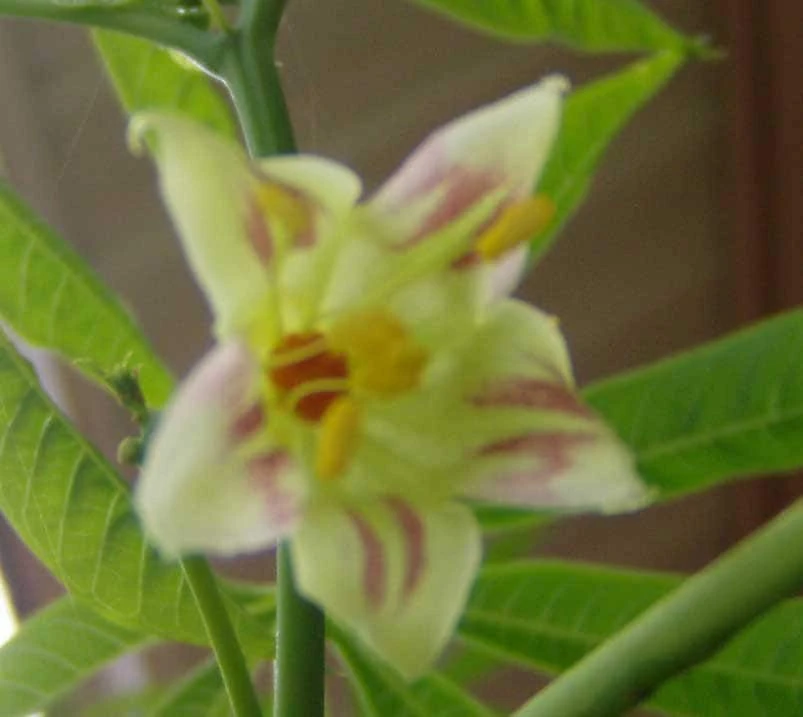
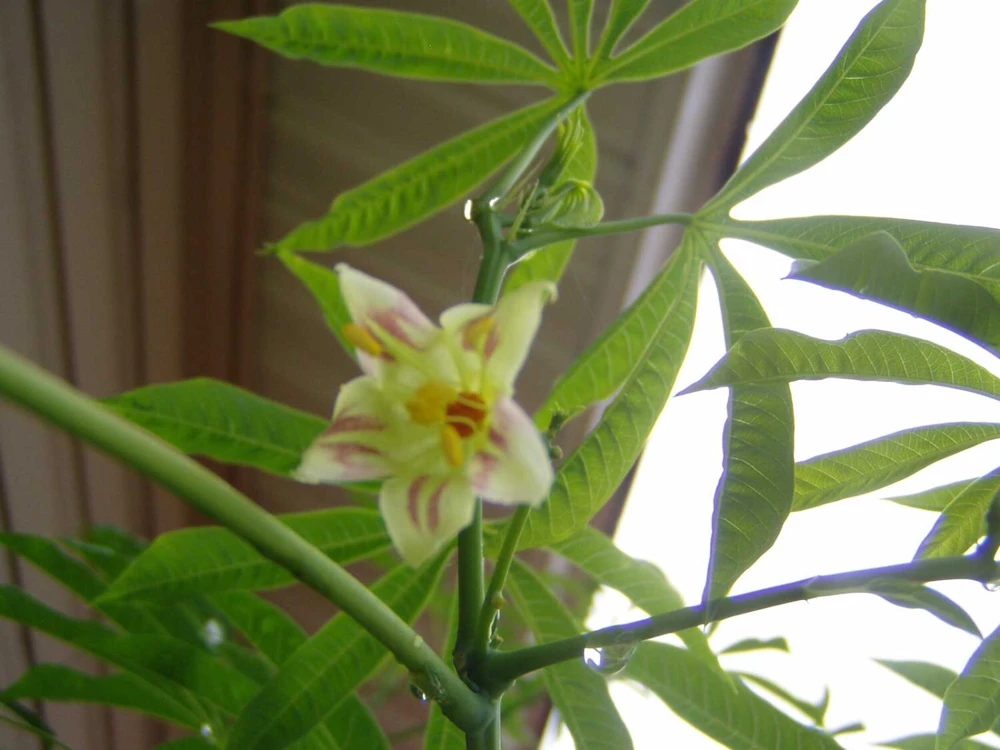
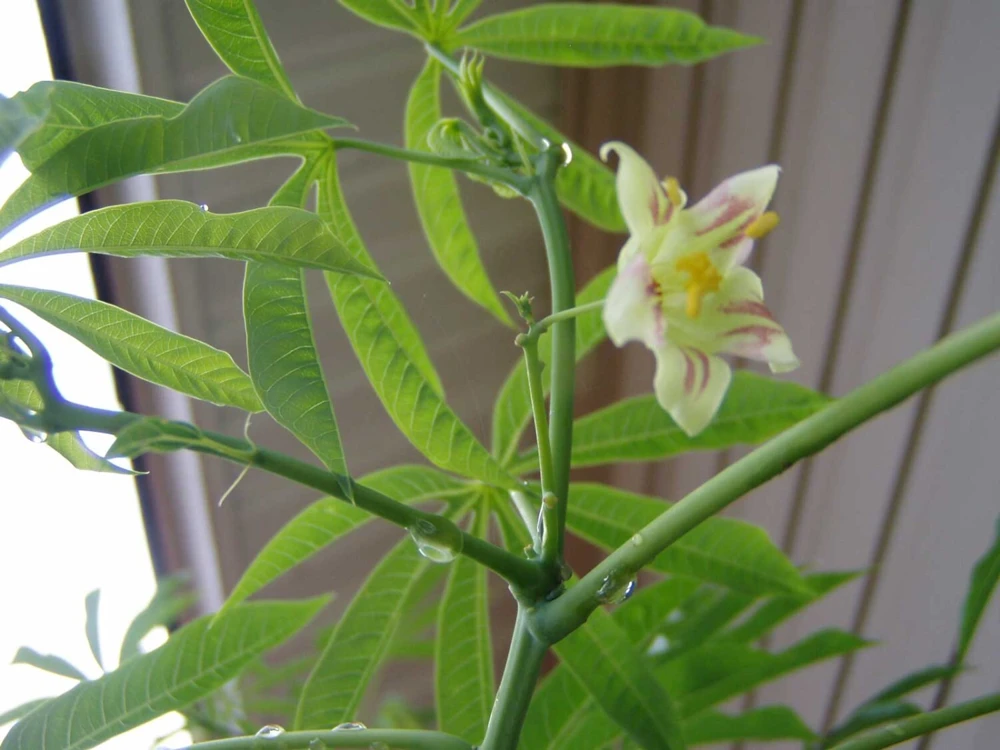
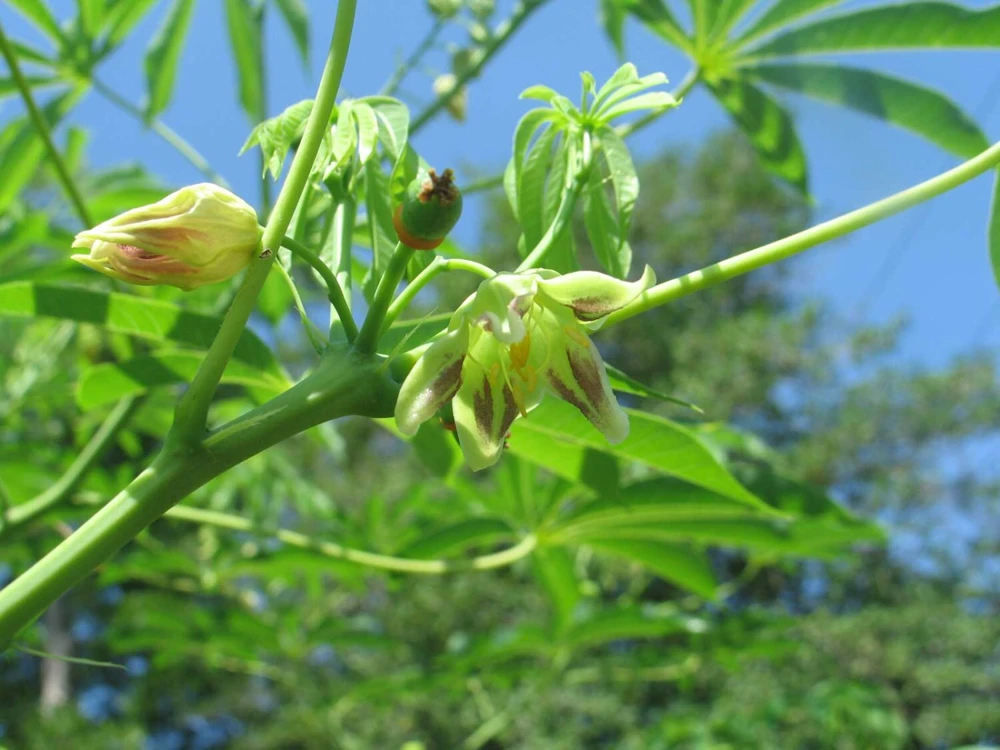
The tapioca cassava seeds you receive are ready for planting in appropriate climates, particularly USDA Hardiness Zones 9 to 11. This robust plant thrives in full sun, producing lush foliage and, eventually, the much-sought-after tubers. Beyond its culinary uses, the Manihot esculenta features charming yellow, cream, and tan blossoms from late spring to early summer, which serve as an attractive beacon for local birds, bees, and butterflies, enhancing your garden’s biodiversity. Discover the joy of cultivating your own food with these resilient and productive seeds.
Key Benefits
The tapioca cassava seeds offer numerous advantages for both your garden and your culinary adventures. These benefits make the Manihot esculenta a valuable addition:
- Sustainable Food Source: Cultivate your own nutritious roots and leaves, reducing reliance on store-bought produce. The substantial roots provide a significant caloric and nutritional yield, making it an excellent choice for a self-sufficient garden.
- Versatile Culinary Uses: The roots can be boiled, fried, or processed into flour for various dishes, including tapioca. Young leaves are also edible after boiling, offering a leafy green vegetable rich in nutrients.
- High Nutritional Value: Cassava roots are an excellent source of vitamin C, providing essential nutrients for a healthy diet. The leaves also contribute vitamins and minerals.
- Attracts Pollinators: The plant’s charming yellow, cream, and tan blossoms bloom from late spring to early summer, attracting a diverse array of birds, bees, and butterflies, promoting a healthy garden ecosystem.
- Drought Tolerance: Once established, the cassava plant is known for its resilience and ability to withstand periods of drought, making it a low-maintenance option for many gardeners.
- Tropical Aesthetic: Its large, palmate leaves and upright growth habit lend a tropical feel to any garden, creating a visually appealing landscape. These yuca plant seeds will transform your outdoor space.
- Adaptable Growth: Thrives in warm climates (USDA Zones 9-11) and can be grown as an annual in cooler regions, allowing for broader cultivation possibilities.
Plant Care & Growing Tips
Successfully growing tapioca cassava seeds requires attention to specific environmental conditions to ensure healthy growth and a bountiful harvest. The Manihot esculenta thrives in a warm, sunny environment. For optimal growth, plant your manioc seeds for planting in a location that receives full sun, meaning at least 6-8 hours of direct sunlight per day. In very hot climates, some afternoon shade might be beneficial to prevent leaf scorch, but generally, more sun equals better root development. These plants are best suited for USDA Hardiness Zones 9 to 11, where they can be grown as perennials. In cooler zones, they can be cultivated as annuals, harvested before the first frost.
Proper watering is crucial, especially during the initial growth stages. Keep the soil consistently moist but not waterlogged. Once established, cassava plants are quite drought-tolerant, but regular watering during dry spells will promote larger root development. The ideal soil type for tapioca cassava seeds is a well-draining, sandy loam with a slightly acidic to neutral pH (5.5-7.0). Good drainage is paramount to prevent root rot. Incorporate organic matter such as compost to enrich the soil and improve its structure. Fertilize every 4-6 weeks during the growing season with a balanced, all-purpose fertilizer to support vigorous growth. Watch out for common pests like spider mites or whiteflies, and treat with organic insecticides if necessary. Ensuring good air circulation can also help prevent fungal issues.
When you grow cassava from seed, patience is key. Germination can sometimes be slow and erratic. Scarifying the seeds (lightly scratching the hard outer coat) and soaking them in warm water for 24 hours before planting can significantly improve germination rates. Plant seeds about 1 inch deep and 6-12 inches apart, thinning to 3-5 feet apart once seedlings are established. The plant will reach its full height of up to 6 feet, and the roots typically take 8-12 months to mature, depending on the variety and growing conditions. Harvesting is usually done by carefully loosening the soil around the base of the plant and gently pulling up the entire root system. These edible root seeds promise a rewarding harvest.
Size & Details
This product includes 10 seeds of Manihot esculenta, commonly known as the tapioca cassava seeds. Each seed has the potential to grow into a robust plant reaching an average height of 3 to 6 feet, depending on growing conditions and climate. The plant’s spread can be considerable, often reaching 3-4 feet in width, making it a substantial addition to any garden. The roots, which are the primary edible part, typically mature in 8 to 12 months after planting, developing into large, starchy tubers that can weigh several pounds each. The plant is shipped as dried seeds, ready for planting.
While specific pot sizes are not applicable for seeds, if you choose to start them indoors or in containers, a minimum 1-gallon pot is recommended for initial growth, eventually requiring a much larger container (5-10 gallons or more) or direct ground planting for full root development. The growth rate is moderate to fast under ideal conditions, providing a relatively quick turnaround for a root crop. The plant will produce attractive yellow, cream, and tan blossoms from late spring to early summer, adding ornamental value before the main harvest of the roots. These yuca plant seeds are a fantastic way to start your own tropical food garden.
Frequently Asked Questions
- Q: How big does this tapioca cassava plant get? A: The Manihot esculenta plant typically grows between 3 to 6 feet tall, with a spread of 3 to 4 feet. The ultimate size depends on growing conditions, climate, and how long it is allowed to grow before harvesting.
- Q: Is this an indoor or outdoor plant? A: While tapioca cassava seeds are primarily grown outdoors in warm climates (USDA Zones 9-11), they can be started indoors in cooler regions and then transplanted outside after the last frost. They require full sun to thrive.
- Q: How much sunlight does the manioc plant need? A: The Manihot esculenta plant requires full sun, meaning at least 6-8 hours of direct sunlight per day, for optimal growth and root development. Less sun may result in smaller roots and slower growth.
- Q: Is this plant easy to care for? A: Once established, the cassava plant is relatively low-maintenance and quite drought-tolerant. The main considerations are providing full sun, well-draining soil, and protection from frost in cooler climates. Germinating edible root seeds can sometimes require a bit of patience.
- Q: What condition will the seeds arrive in? A: You will receive 10 seeds in a dried, dormant state, ready for planting. They will be packaged to ensure their viability during transit.
- Q: Can I use cassava in cooking? A: Absolutely! The roots are a staple food in many cultures and can be boiled, fried, baked, or ground into flour. Young leaves can also be boiled and eaten as a vegetable. Ensure proper preparation to remove natural compounds before consumption.
- Q: How long until the roots are ready to harvest? A: The edible roots of the tapioca cassava plant typically take 8 to 12 months to mature, depending on growing conditions and the specific variety. Some varieties may mature faster or slower.
- Q: Will these yuca plant seeds survive winter in my zone? A: The plant is perennial in USDA Hardiness Zones 9 to 11. In cooler zones, it can be grown as an annual and harvested before the first frost, as it is not tolerant of freezing temperatures.
- Q: What type of soil is best for growing cassava from seed? A: Cassava thrives in well-draining, sandy loam soil with a slightly acidic to neutral pH (5.5-7.0). Good drainage is essential to prevent root rot.
- Q: Are the flowers attractive to pollinators? A: Yes, the yellow, cream, and tan blossoms that appear from late spring to early summer are known to attract a variety of birds, bees, and butterflies, contributing to garden biodiversity.
Be the first to review “Tapioca Cassava Yuca Manioc Seeds – 10 Count Edible Root Plant Seeds”
Related products


Vegetable Seeds
Hanover Salad Kale Seeds – 1000 Smooth Siberian Vegetable Seeds


Vegetable Seeds
Yellow Cheese Pimento Pepper Seeds – 50 Count – Sweet & Mild

You May Like

How to Grow Passion Flower (Passiflora) for Tropical Blooms
Few climbing vines in the home garden command attention quite like the exotic Passion Flower (Passiflora). [...]
Nov

Thanksgiving Cactus Care: How to Get Thanksgiving Cactus to Bloom
Is your Thanksgiving cactus growing well but not giving you any flowers? Maybe it looked [...]
Nov

How to Grow Garlic for a Bountiful Home Harvest
Garlic (Allium sativum) is one of the most satisfying, low-maintenance, and flavor-packed crops you can [...]
Oct

Hardneck vs. Softneck Garlic: Which Should You Grow?
Have you ever stood in front of a seed catalog in mid-September, staring at dozens [...]
1 Comment
Oct

When to Plant Music Garlic: Ultimate US Fall Guide
Have you ever spent your fall weekend placing carefully chosen garlic cloves into rich, dark [...]
1 Comment
Oct

5 Best Bulbs for Fall Planting: Brighten Your Garden This Spring
Are you dreaming of a garden full of vibrant colors in the spring? The key [...]
Aug

10 Houseplants That Will Thrive in Your Kitchen
Are you tired of your kitchen feeling dull and lifeless? Want to add a little [...]
1 Comment
Aug
Reviews
There are no reviews yet.