
Tulip Poplar Tree Seeds – Liriodendron tulipifera – 10 Seeds – Outdoor
Original price was: 48.91 $.19.91 $Current price is: 19.91 $.
Start your own majestic Tulip Poplar tree with this pack of Liriodendron tulipifera seeds. Known for its rapid growth and distinctive tulip-shaped flowers, this native hardwood adds beauty and ecological value to any landscape. Ideal for zones 5-10.
Estimated arrival
Nov 28
Dec 03 - Dec 05
Dec 05 - Dec 10
See our Shipping Policy.
Get in touch with us via email, and our team will review your concerns.
Our Alive & Thrive Guarantee covers issues with your plants within the first 30 days. Read our Refund & Returns Policy.
-
USDA Hardiness Zone
USDA Hardiness Zones 5 to 10 -
Soil Type
Deep, moist, well-draining, slightly acidic soil -
Sunlight Exposure
Full sun to partial shade -
Expected Planting Period
Fall (direct sow after stratification) or early spring (indoors after stratification)
Overview
Embark on a rewarding gardening journey with these premium Tulip Poplar tree seeds. Also known as Liriodendron tulipifera seeds, American tulip tree, tulipwood, whitewood, fiddletree, and Yellow Poplar tree, this magnificent native species is celebrated for its stately presence and unique floral display. Each seed holds the potential to grow into a towering tree, reaching heights of up to 80-150 feet, making it a prominent feature in any large garden or landscape. The Tulip Poplar is not only a visual marvel but also an ecological powerhouse, providing essential habitat and food for various wildlife. These seeds offer a cost-effective and gratifying way to cultivate this iconic American tree, allowing you to witness its growth from a tiny seed to a grand specimen. Its distinctive leaves and vibrant, tulip-like blossoms make it a focal point in spring.
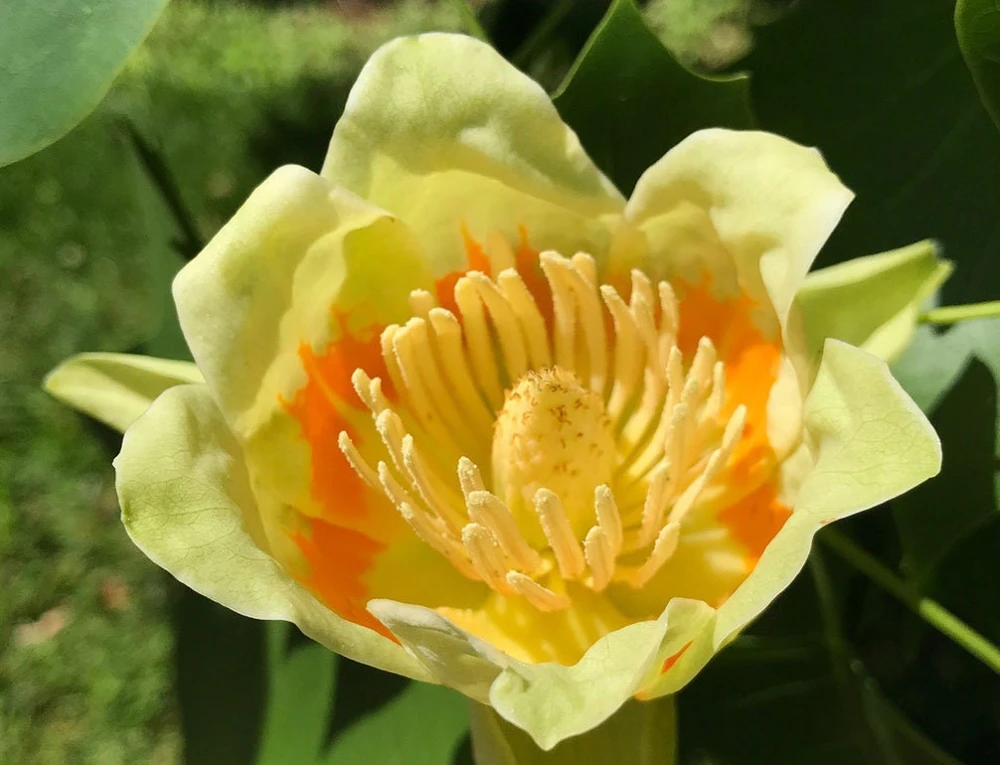
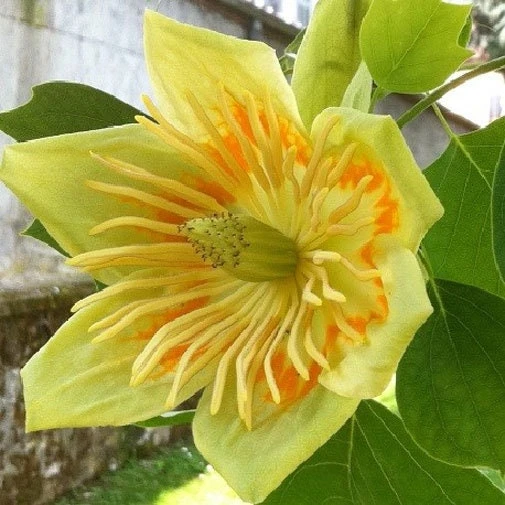
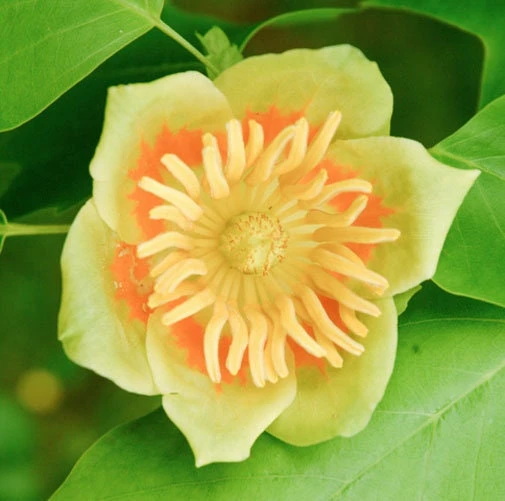
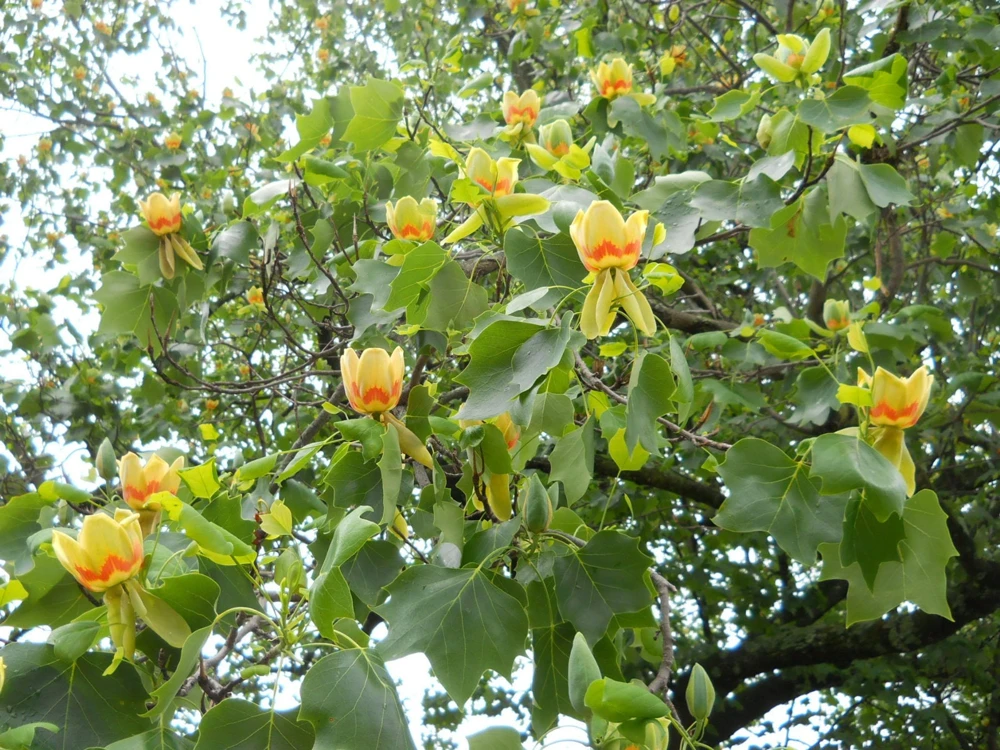
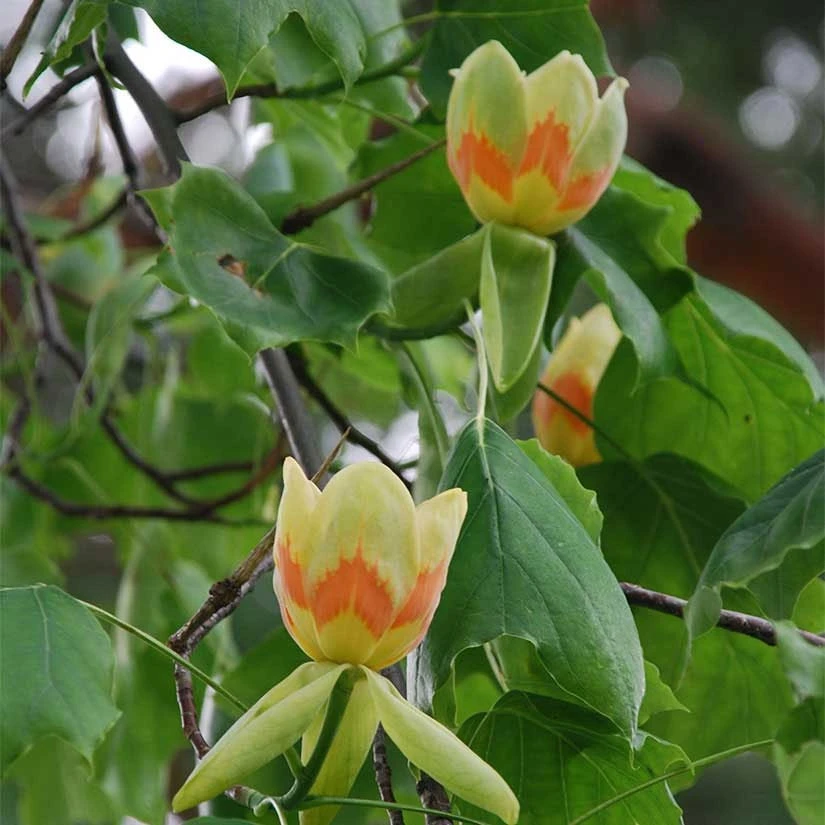
The Tulip Poplar tree is a fast-growing deciduous tree native to eastern North America. Its smooth gray bark and unique four-lobed leaves are easily recognizable. In spring, it produces striking green, orange, and yellow flowers that resemble tulips, attracting a host of pollinators like birds, bees, and butterflies. Cultivating this tree from Liriodendron tulipifera seeds connects you directly with nature’s cycles, offering a profound sense of accomplishment as you nurture its growth. The tree’s historical significance, from its use by Native Americans for canoes to its status as a state tree for Tennessee, Indiana, and Kentucky, adds to its appeal. This is an excellent choice for those looking to add a significant, long-lived tree to their property.
Key Benefits
Growing a Tulip Poplar tree from seeds offers numerous advantages for both your landscape and local ecosystem. This remarkable tree provides shade, beauty, and supports wildlife, making it a valuable addition to any larger outdoor space.
- Stunning Ornamental Value: The Tulip Poplar boasts unique green, orange, and yellow tulip-shaped flowers in spring, creating a breathtaking display. Its distinctive leaves provide interest throughout the growing season, making it a beautiful focal point in any garden.
- Ecological Support: This tree is a vital larval host for several butterfly and moth species, including the Spicebush Swallowtail butterfly, Promethea silkmoth, and Tuliptree silkmoth. Planting Liriodendron tulipifera seeds directly contributes to local biodiversity.
- Rapid Growth Rate: Known for its relatively fast growth, the Tulip Poplar can quickly establish itself and provide shade and beauty to your property, maturing into a majestic specimen over time.
- Wildlife Attraction: The vibrant spring blossoms are a magnet for pollinators such as birds, bees, and butterflies, enriching your garden with activity and supporting essential ecological processes.
- Historical and Practical Uses: Beyond its beauty, the Tulip Poplar has a rich history of utility. Its roots have been used for flavoring, and its bark for dye, while its strong wood was traditionally used for making canoes.
- Durable and Adaptable: Once established, the Yellow Poplar tree is a hardy and adaptable species, thriving in a range of conditions and offering long-term beauty and ecological benefits.
- Air Quality Improvement: Like all large trees, the Tulip Poplar significantly contributes to improving air quality by absorbing carbon dioxide and releasing oxygen, making your environment healthier.
Plant Care & Growing Tips
Successfully growing a Tulip Poplar tree from Tulip Poplar tree seeds requires attention to specific environmental conditions. These trees thrive best in locations that mimic their natural habitat. For optimal germination, the seeds typically benefit from a period of cold stratification, simulating winter conditions. This can be achieved by placing the seeds in a moist medium (like sand or peat moss) in a refrigerator for 60-90 days before planting. Once stratified, sow the seeds in well-draining soil, either directly outdoors in fall or indoors in early spring for transplanting later.
The Tulip Poplar tree prefers full sun to partial shade, meaning it needs at least 4-6 hours of direct sunlight per day to flourish. While it can tolerate some shade, abundant sunlight encourages more vigorous growth and a richer floral display. It adapts well to a variety of soil types but ideally prefers deep, moist, well-drained, and slightly acidic soils. Avoid excessively dry or waterlogged conditions. Regular watering is crucial during the tree’s establishment phase, especially during dry spells. Once mature, it is relatively drought-tolerant but will benefit from supplemental watering during prolonged dry periods. These trees are hardy in USDA Hardiness Zones 5 to 10, indicating their resilience to a wide range of temperate climates. Fertilization is generally not heavily required in established trees, but young saplings can benefit from a balanced, slow-release fertilizer in spring to support healthy growth. Protect young trees from strong winds and ensure adequate spacing for their mature size.
When you grow Tulip Poplar, be mindful of its eventual size. This is not a tree for small urban gardens. Its expansive root system and tall canopy require ample space. Pruning should be minimal and primarily for removing dead or damaged branches, ideally done in late winter or early spring before new growth begins. Monitor for common pests and diseases, though the Tulip Poplar is generally robust. Providing the right conditions from the start will ensure your Yellow Poplar tree develops into a magnificent and healthy specimen, providing enjoyment for generations.
Size & Details
This offering includes 10 seeds of Liriodendron tulipifera, commonly known as the Tulip Poplar tree. Each seed has the potential to grow into a large, deciduous tree that typically reaches a height of 80 feet, though some specimens can tower up to 150 feet in ideal conditions. The tree’s spread can be significant, often matching its height, so ample space is required for planting. These seeds are intended for outdoor cultivation and are suitable for planting in USDA Hardiness Zones 5 to 10. The growth rate is considered fast, with young trees often adding several feet in height per year under optimal conditions. Expect the tree to begin producing its distinctive green, orange, and yellow tulip-like flowers once it reaches maturity, typically after 10-15 years, usually in mid-spring.
The seeds are ready for cold stratification and planting, offering a direct path to cultivating this iconic American hardwood. When you grow Tulip Poplar, you are investing in a tree that will provide shade, beauty, and ecological benefits for decades. The mature tree will develop a sturdy trunk and a broad, inviting canopy. Proper care during the seedling and sapling stages is essential for establishing a strong, healthy tree that can withstand various environmental challenges. This pack provides a foundational opportunity to establish a significant and long-lasting part of your landscape, contributing to local wildlife and enhancing the aesthetic appeal of your property.
Frequently Asked Questions
- Q: How big does a Tulip Poplar tree get? A: A Tulip Poplar tree typically reaches heights of 80 feet, but can grow up to 150 feet tall in optimal conditions. It’s a large tree, so ensure you have sufficient space for its mature size and spread.
- Q: How do I plant these Liriodendron tulipifera seeds? A: The Liriodendron tulipifera seeds usually require cold stratification for 60-90 days before planting. After stratification, sow them in well-draining soil, either directly outdoors in fall or indoors in early spring.
- Q: What kind of sunlight does the Tulip Poplar tree need? A: The Tulip Poplar tree thrives in full sun to partial shade, ideally receiving at least 4-6 hours of direct sunlight daily for robust growth and abundant flowering.
- Q: Is this tree suitable for my region? A: The Tulip Poplar tree is hardy in USDA Hardiness Zones 5 to 10, making it suitable for a wide range of temperate climates across the United States.
- Q: How long does it take for a Tulip Poplar to bloom? A: A Tulip Poplar tree typically begins to produce its distinctive green, orange, and yellow tulip-shaped flowers once it reaches maturity, which can take 10-15 years from seed.
- Q: What are the benefits of planting a Yellow Poplar tree? A: The Yellow Poplar tree offers numerous benefits, including beautiful spring flowers, rapid growth, excellent shade, and acting as a crucial larval host for various butterfly and moth species, supporting local ecosystems.
- Q: What type of soil does a Tulip Poplar prefer? A: This tree prefers deep, moist, well-drained, and slightly acidic soils. While adaptable, it performs best in these conditions. Avoid waterlogged or extremely dry soil.
Be the first to review “Tulip Poplar Tree Seeds – Liriodendron tulipifera – 10 Seeds – Outdoor”
Related products


Tree Seeds
Canino Olive Tree Seeds – 10 Pack Olea Europaea Canino for Edible Olives, Full Sun, Zones 9-11


You May Like

How to Grow Passion Flower (Passiflora) for Tropical Blooms
Few climbing vines in the home garden command attention quite like the exotic Passion Flower (Passiflora). [...]
Nov

Thanksgiving Cactus Care: How to Get Thanksgiving Cactus to Bloom
Is your Thanksgiving cactus growing well but not giving you any flowers? Maybe it looked [...]
Nov

How to Grow Garlic for a Bountiful Home Harvest
Garlic (Allium sativum) is one of the most satisfying, low-maintenance, and flavor-packed crops you can [...]
Oct

Hardneck vs. Softneck Garlic: Which Should You Grow?
Have you ever stood in front of a seed catalog in mid-September, staring at dozens [...]
1 Comment
Oct

When to Plant Music Garlic: Ultimate US Fall Guide
Have you ever spent your fall weekend placing carefully chosen garlic cloves into rich, dark [...]
1 Comment
Oct

5 Best Bulbs for Fall Planting: Brighten Your Garden This Spring
Are you dreaming of a garden full of vibrant colors in the spring? The key [...]
Aug

10 Houseplants That Will Thrive in Your Kitchen
Are you tired of your kitchen feeling dull and lifeless? Want to add a little [...]
1 Comment
Aug
Reviews
There are no reviews yet.