
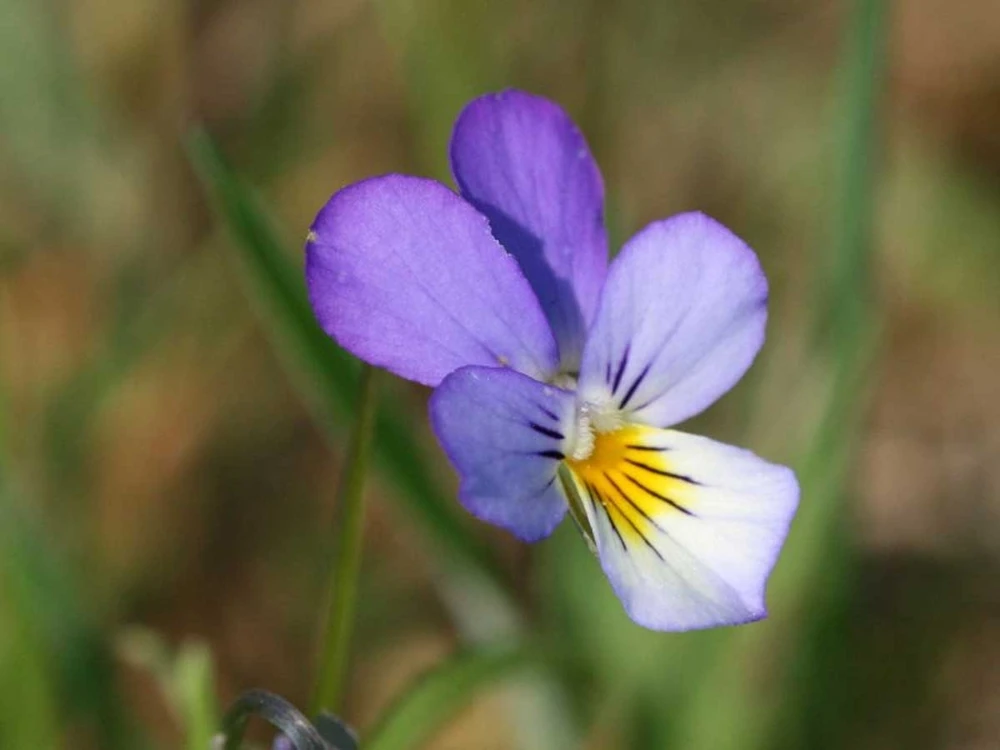
Viola tricolor Helen Mount Seeds – Johnny Jump Up Wild Pansy – 200 Seeds
Original price was: 44.91 $.15.91 $Current price is: 15.91 $.
Discover the charm of Viola tricolor seeds, also known as Johnny Jump Up seeds. These delightful and resilient flowers are perfect for gardens, containers, and attracting butterflies. Enjoy their edible petals and vibrant blooms.
Estimated arrival
Nov 26
Dec 01 - Dec 03
Dec 03 - Dec 08
See our Shipping Policy.
Get in touch with us via email, and our team will review your concerns.
Our Alive & Thrive Guarantee covers issues with your plants within the first 30 days. Read our Refund & Returns Policy.
-
USDA Hardiness Zone
USDA Zones 2b-9 (as perennial, otherwise annual) -
Soil Type
Well-draining soil, rich in organic matter -
Sunlight Exposure
Full sun to full shade -
Expected Planting Period
Early spring or late summer
Overview
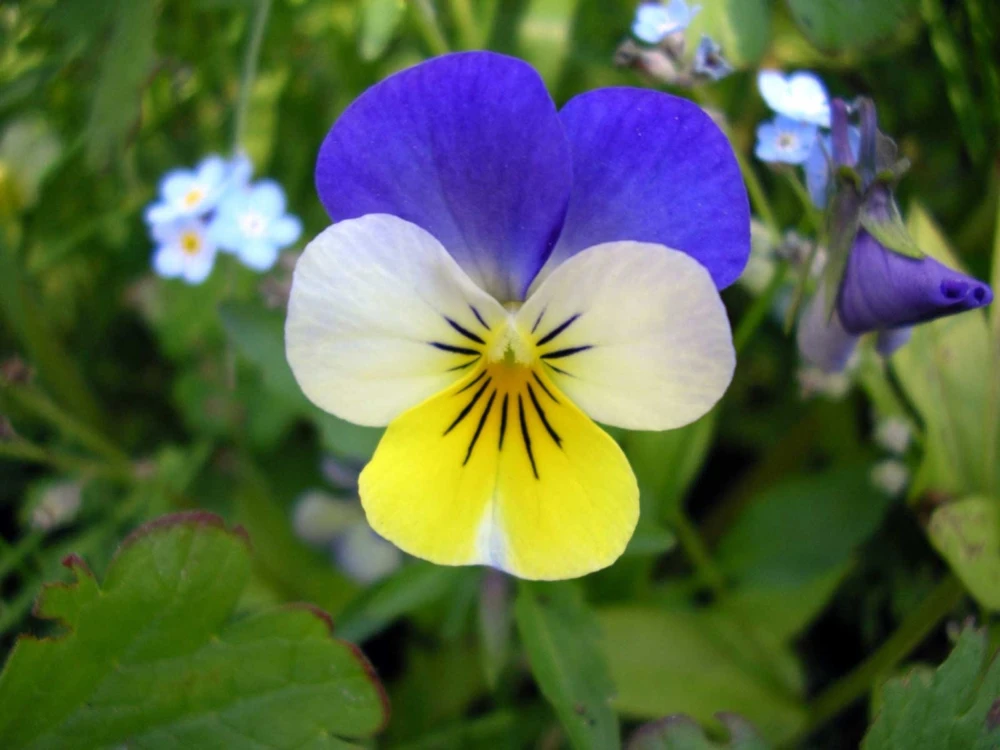
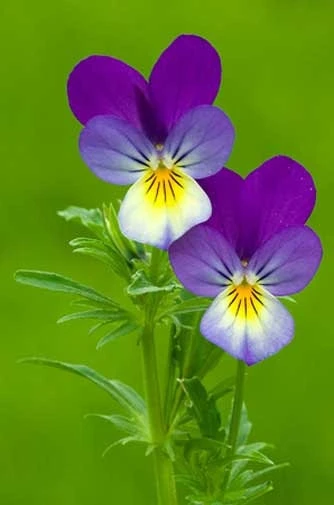
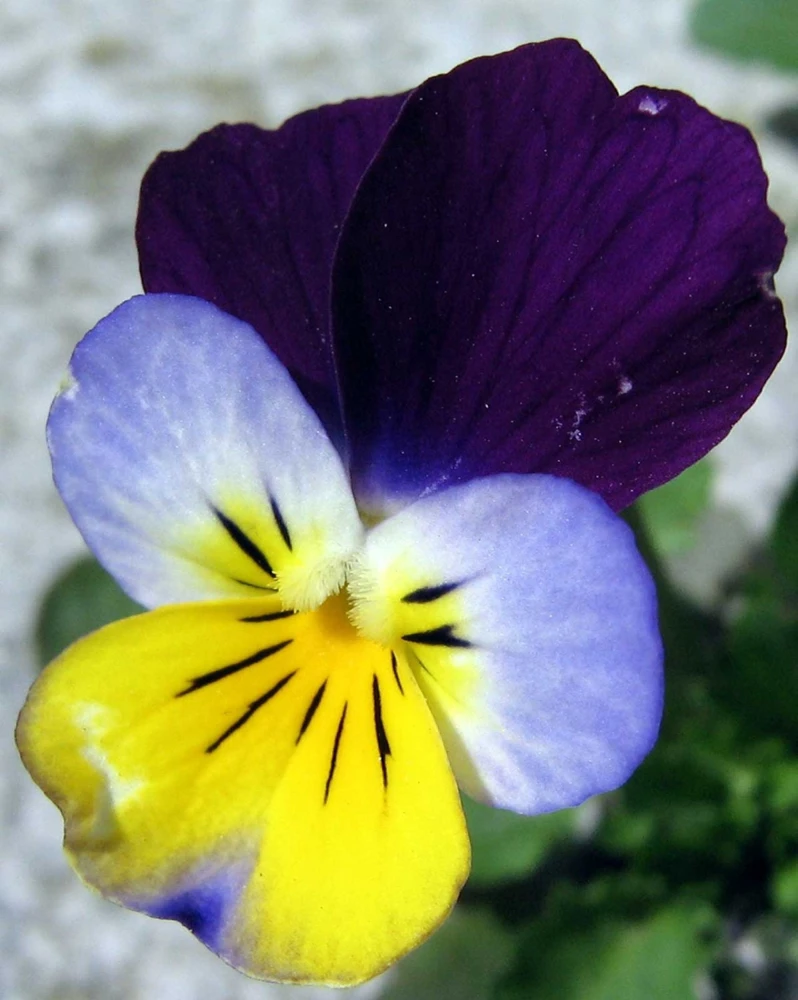
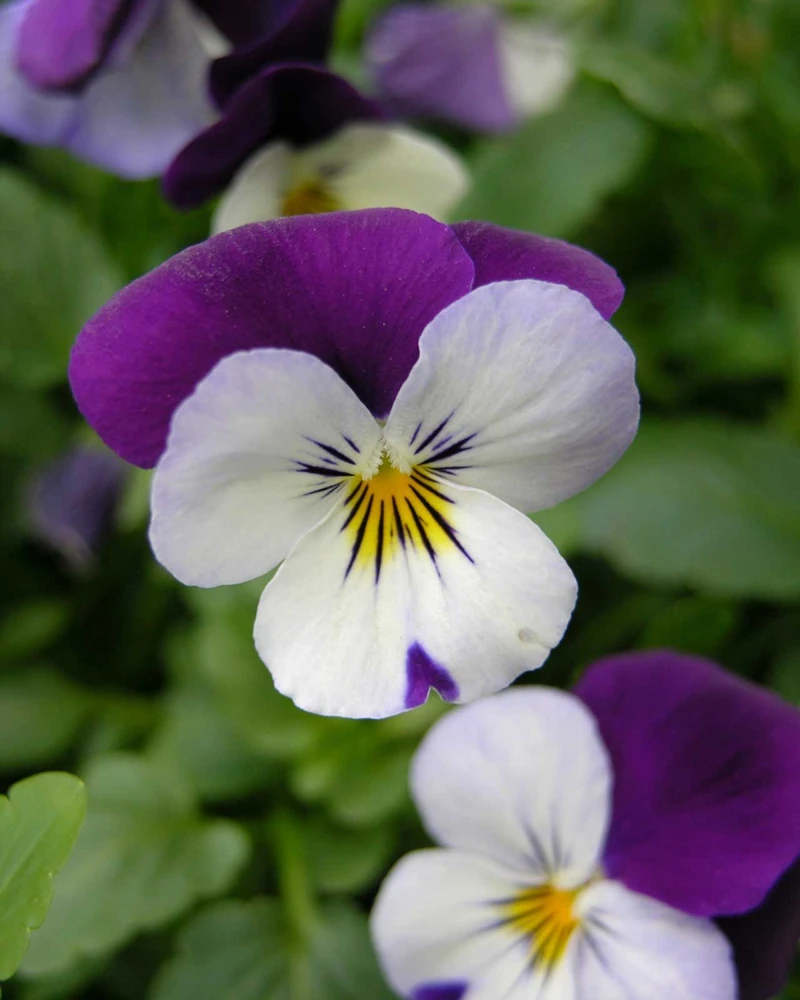
Cultivate the enchanting Viola tricolor seeds, specifically the beloved Helen Mount variety, often known by its charming common names: Johnny Jump Up, Heartsease, or Wild Pansy. This versatile and resilient flower brings a touch of whimsical beauty to any garden space. Originating from Europe and Asia, Viola tricolor is celebrated for its petite, vibrant, and often tri-colored blooms that can range from purple, yellow, and white. These seeds offer an opportunity to grow a plant that is not only visually appealing but also holds historical significance and practical uses, such as edible flowers for culinary delights. Whether you’re an experienced gardener or just starting, these Johnny Jump Up seeds are an excellent choice for adding continuous color and life to your landscape.
The Viola tricolor Helen Mount is particularly admired for its adaptability, thriving in a wide range of growing conditions from full sun to partial shade. Its cheerful disposition makes it a favorite for cottage gardens, borders, containers, and as a groundcover. Beyond its ornamental value, this plant plays a crucial role in supporting local ecosystems, acting as a larval host plant for several butterfly species, including the Variegated Fritillary and Great Spangled Fritillary. Growing Helen Mount Viola from seed is a rewarding experience, providing a continuous display of delicate blossoms that are sure to brighten your outdoor spaces.
Key Benefits
Growing Viola tricolor seeds offers a multitude of advantages for both your garden and the local environment. These charming flowers are incredibly easy to establish and maintain, making them a fantastic choice for gardeners of all skill levels.
- Charming and Versatile Blooms: The petite, tri-colored flowers of the Johnny Jump Up add a delightful splash of color to any setting. They are perfect for garden beds, containers, window boxes, and as cheerful groundcover, adapting beautifully to various design schemes.
- Attracts Beneficial Pollinators: These plants are a magnet for local wildlife. They serve as a vital larval host plant for several butterfly species, including the Variegated Fritillary and Gray Hairstreak, and provide nectar for butterflies like the Falcate Orangetip.
- Edible Flowers: The petals of Viola tricolor are not only beautiful but also edible! They can be used to garnish salads, desserts, or even candied for a sweet treat. They also contain beneficial antioxidants, adding a healthy touch to your culinary creations.
- Adaptable to Various Conditions:Johnny Jump Up seeds produce plants that are remarkably tolerant, thriving in both full sun and full shade. This flexibility allows them to be placed in many different garden locations where other plants might struggle.
- Resilient and Easy to Grow: Known for their hardiness, these plants are easy to grow from seed and require minimal fuss. They are short-lived perennials in many zones and often self-seed, ensuring a continuous display year after year.
- Historical and Common Names: Enriched with a rich history and a variety of endearing common names like Heartsease, Wild Pansy, and Love-in-idleness, these flowers carry a sense of tradition and charm.
- Long Blooming Period: Enjoy a prolonged display of colorful blooms from spring through fall, providing continuous visual interest and a food source for pollinators throughout the growing season.
Plant Care & Growing Tips
Cultivating Viola tricolor seeds into thriving plants is a straightforward process, thanks to their hardy and adaptable nature. To ensure the best growth and abundant blooms, proper care is essential. These plants can be grown as an annual in colder climates or as a short-lived perennial in USDA Hardiness Zones 2b to 9. They are remarkably unfussy, making them a great choice for beginners.
For optimal growth, Helen Mount Viola prefers well-draining soil that is rich in organic matter. While it can adapt to most soil conditions, avoiding heavy, waterlogged soils is crucial to prevent root rot. When it comes to sunlight, Johnny Jump Up is incredibly versatile, tolerating both full sun and full shade. In hotter climates, some afternoon shade can help prolong their blooming period. Ensure consistent moisture, especially during dry spells, but be careful not to overwater. The soil should be kept evenly moist but never soggy. Fertilize sparingly; a balanced, all-purpose fertilizer applied once or twice during the growing season is usually sufficient, or you can amend the soil with compost.
Deadheading spent flowers, though not strictly necessary as they self-seed readily, can encourage more blooms and a tidier appearance. Pests are rarely a major issue for wild pansy seeds, but keep an eye out for common garden pests like aphids, which can be easily managed with insecticidal soap. Diseases are also uncommon, especially with good air circulation and proper watering practices. For gardeners in zones outside 2b-9, these plants will perform beautifully as annuals. With minimal effort, you can enjoy a continuous display of these charming flowers throughout the season.
Size & Details
These Viola tricolor seeds are offered in a packet containing approximately 200 seeds, providing ample opportunity to grow a vibrant patch of Johnny Jump Ups. When mature, the plants typically reach a height of 6 to 12 inches and spread about 6 to 9 inches wide, forming a dense, colorful mat. They have a relatively fast growth rate, with blooms often appearing within 8-10 weeks after germination, depending on growing conditions. The seeds are best sown in early spring after the last frost or in late summer for fall and spring blooms in milder climates. Each seed packet provides sufficient quantity to create a beautiful display in garden beds, containers, or as charming borders. The flowers themselves are small, typically 0.5 to 1 inch in diameter, featuring the distinctive tri-color pattern. The plant’s compact size makes it ideal for small gardens, rockeries, or as an underplanting for taller plants.
Frequently Asked Questions
- Q: How big does this plant get? A: Viola tricolor plants typically grow to a height of 6 to 12 inches and spread about 6 to 9 inches wide. They form a compact, bushy plant that is perfect for various garden applications.
- Q: Is this an indoor or outdoor plant? A: While primarily an outdoor plant, Johnny Jump Up seeds can be started indoors and transplanted outside. They thrive in outdoor garden settings, containers, and window boxes, adapting well to different light conditions.
- Q: How much sunlight does it need? A: These plants are very adaptable and can tolerate both full sun and full shade. In hotter climates, partial shade during the afternoon can help prolong their blooming period and prevent stress.
- Q: Is this plant easy to care for? A: Yes, Helen Mount Viola is known for being very easy to care for. It’s resilient, adaptable, and requires minimal maintenance once established, making it an excellent choice for novice and experienced gardeners alike.
- Q: What condition will the seeds arrive in? A: You will receive a packet of approximately 200 high-quality Viola tricolor seeds, ready for planting. They are carefully packaged to ensure freshness and viability upon arrival.
- Q: Can I use the flowers in cooking? A: Absolutely! The petals of the wild pansy seeds are edible and are commonly used to garnish salads, desserts, or even candied for a decorative and tasty treat. They also contain antioxidants.
- Q: When is the best time to plant these seeds? A: For best results, sow Viola tricolor seeds in early spring after the last frost for summer blooms, or in late summer for fall and early spring blooms in areas with milder winters.
- Q: Will it survive winter in my zone? A: Johnny Jump Up is a short-lived perennial in USDA Hardiness Zones 2b to 9. In colder zones, it is typically grown as an annual. It often self-seeds, ensuring new plants return each year.
- Q: What are some other names for this plant? A: Besides Johnny Jump Up and Helen Mount, it is also known as Heartsease, Hearts Ease, Hearts Delight, Tickle-my-fancy, Jack-jump-up-and-kiss-me, Come-and-cuddle-me, Three Faces in a Hood, and Love-in-idleness.
Be the first to review “Viola tricolor Helen Mount Seeds – Johnny Jump Up Wild Pansy – 200 Seeds”
Related products


You May Like

How to Grow Passion Flower (Passiflora) for Tropical Blooms
Few climbing vines in the home garden command attention quite like the exotic Passion Flower (Passiflora). [...]
Nov

Thanksgiving Cactus Care: How to Get Thanksgiving Cactus to Bloom
Is your Thanksgiving cactus growing well but not giving you any flowers? Maybe it looked [...]
Nov

How to Grow Garlic for a Bountiful Home Harvest
Garlic (Allium sativum) is one of the most satisfying, low-maintenance, and flavor-packed crops you can [...]
Oct

Hardneck vs. Softneck Garlic: Which Should You Grow?
Have you ever stood in front of a seed catalog in mid-September, staring at dozens [...]
1 Comment
Oct

When to Plant Music Garlic: Ultimate US Fall Guide
Have you ever spent your fall weekend placing carefully chosen garlic cloves into rich, dark [...]
1 Comment
Oct

5 Best Bulbs for Fall Planting: Brighten Your Garden This Spring
Are you dreaming of a garden full of vibrant colors in the spring? The key [...]
Aug

10 Houseplants That Will Thrive in Your Kitchen
Are you tired of your kitchen feeling dull and lifeless? Want to add a little [...]
1 Comment
Aug
Reviews
There are no reviews yet.