
Vitex agnus-castus Seeds – Chaste Tree Monks Pepper – 50 Seeds
Original price was: 42.91 $.13.91 $Current price is: 13.91 $.
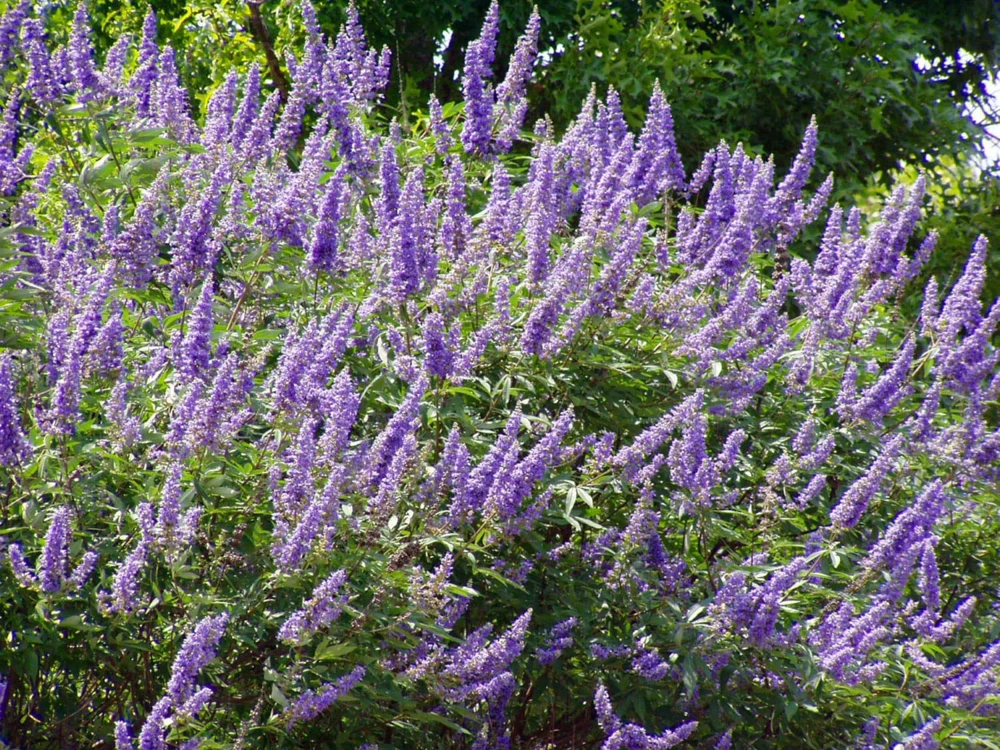
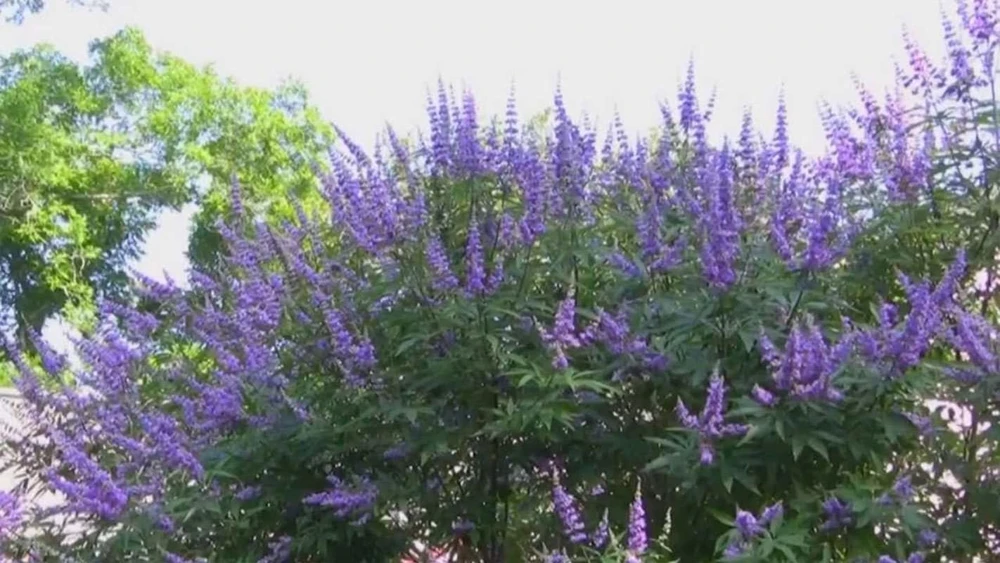
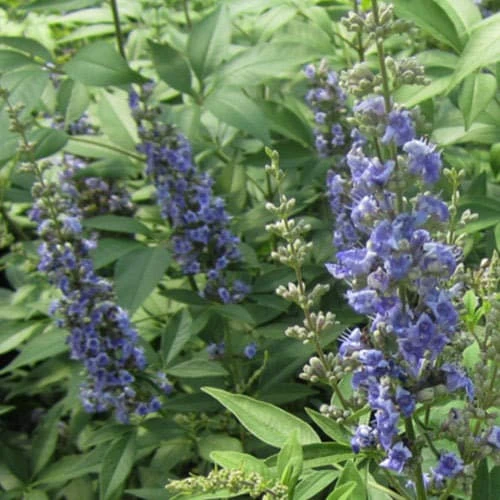
Cultivate the beautiful and versatile Vitex agnus-castus seeds, also known as Chaste Tree or Monks Pepper. These easy-to-grow seeds produce a stunning tree with white, blue, and pink blossoms from late spring to early fall, adding vibrant color and fragrance to your outdoor landscape. Ideal for USDA Zones 6-9.
Estimated arrival
Nov 26
Dec 01 - Dec 03
Dec 03 - Dec 08
See our Shipping Policy.
Get in touch with us via email, and our team will review your concerns.
Our Alive & Thrive Guarantee covers issues with your plants within the first 30 days. Read our Refund & Returns Policy.
-
USDA Hardiness Zone
6 to 9 -
Soil Type
Well-draining soil -
Sunlight Exposure
Full sun to partial shade -
Expected Planting Period
Spring
Overview
Discover the beauty and versatility of vitex agnus-castus seeds, also widely known as Chaste Tree or Monks Pepper. This offering includes 50 high-quality seeds, ready to be sown and transformed into a magnificent tree that will enhance any garden. The Vitex agnus-castus is a temperate zone species celebrated for its prolific and colorful blooms, which appear from late spring through early fall. Its delicate flowers come in shades of white, blue, and pink, creating a captivating display that attracts pollinators and adds a touch of elegance to your outdoor space. Growing from these chaste tree seeds allows you to cultivate a resilient and beautiful specimen from the very beginning.
The Vitex agnus-castus is not just a pretty face; it’s a plant steeped in history and practical uses. Revered in ancient Greek and Latin cultures, it was considered sacred to goddesses like Hestia and Vesta. Beyond its ornamental value, the fruit of the Chaste Tree can be used as a substitute for pepper, and its leaves can serve as a spice, showcasing its unique culinary potential. These monks pepper seeds offer a chance to grow a plant with both aesthetic and historical significance, providing a rewarding experience for any gardener.
Key Benefits
Cultivating vitex agnus-castus seeds offers a multitude of benefits for both the gardener and the environment. This remarkable tree is a true asset to any landscape, providing continuous beauty and ecological value throughout the growing season.
- Extended Blooming Season: Enjoy a long-lasting display of beautiful white, blue, and pink blossoms from late spring well into early fall, providing consistent color when many other plants have faded. The vibrant flowers of the chaste tree seeds attract beneficial pollinators.
- Low Maintenance & Drought Tolerant: Once established, the Chaste Tree is remarkably resilient and requires minimal care. It tolerates various soil conditions and is relatively drought-resistant, making it an excellent choice for gardeners seeking an easy-to-manage plant.
- Attracts Pollinators: The abundant and colorful flowers are a magnet for bees, butterflies, and other beneficial insects, contributing to the biodiversity and health of your garden ecosystem. Growing monks pepper seeds supports local wildlife.
- Aromatic Foliage & Flowers: Both the leaves and flowers of the Vitex agnus-castus emit a pleasant, slightly spicy fragrance, adding an extra sensory dimension to your garden experience.
- Versatile Landscape Use: Whether planted as a specimen tree, part of a mixed border, or used for its historical and culinary properties, the Chaste Tree adapts well to various garden designs and purposes.
- Culinary and Traditional Uses: The fruit can be used as a pepper substitute, and the leaves as a spice, offering an interesting addition to your culinary adventures directly from your garden.
- Hardy and Adaptable: These vitex seeds for sale are suitable for a wide range of climates, thriving in USDA Hardiness Zones 6 to 9, demonstrating excellent adaptability to different environmental conditions.
Plant Care & Growing Tips
Growing vitex agnus-castus seeds into a thriving Chaste Tree is a rewarding process that requires attention to a few key care guidelines. This resilient plant is relatively easy to care for once established, making it suitable for both novice and experienced gardeners. For optimal growth, the Chaste Tree thrives in full sun to partial shade. Ideally, it should receive at least 6-8 hours of direct sunlight per day to encourage prolific blooming. While it tolerates some shade, too much can reduce flower production. When starting your chaste tree seeds, ensure they have access to consistent moisture for germination and early growth.
The Chaste Tree prefers well-draining soil. It is adaptable to various soil types, including sandy, loamy, or clay soils, as long as they do not remain waterlogged. Good drainage is crucial to prevent root rot. Water regularly during the first growing season to help establish a strong root system. Once established, it becomes quite drought-tolerant, requiring less frequent watering. However, during prolonged dry spells, occasional deep watering will be beneficial. Fertilization is generally not heavily required for the Vitex agnus-castus; a balanced, slow-release fertilizer applied in early spring can promote vigorous growth and flowering, but avoid over-fertilizing. These monks pepper seeds will grow into a robust plant with proper care.
Pruning is essential for maintaining the shape and health of your Chaste Tree. Prune in late winter or early spring before new growth begins to remove any dead, damaged, or crossing branches. You can also prune to shape the tree or to encourage a more shrub-like form. The Vitex agnus-castus is generally pest and disease resistant, but keep an eye out for common garden pests like aphids or spider mites, treating them with organic insecticidal soap if necessary. The tree is hardy in USDA Hardiness Zones 6 to 9, meaning it can withstand winter temperatures in these regions. In colder zones, it may die back to the ground but often regrows from the roots in spring. With these tips, you’ll successfully grow chaste tree plants.
Size & Details
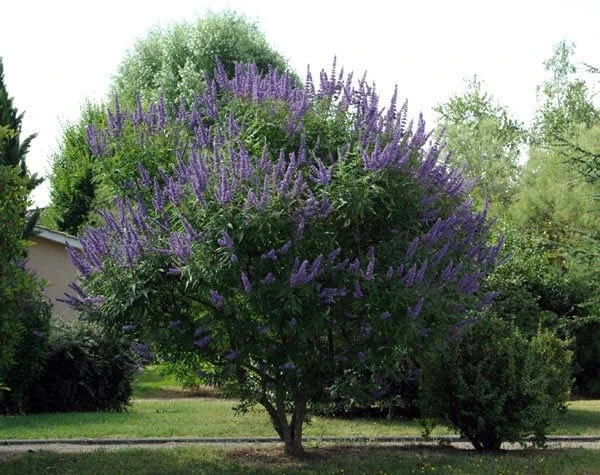
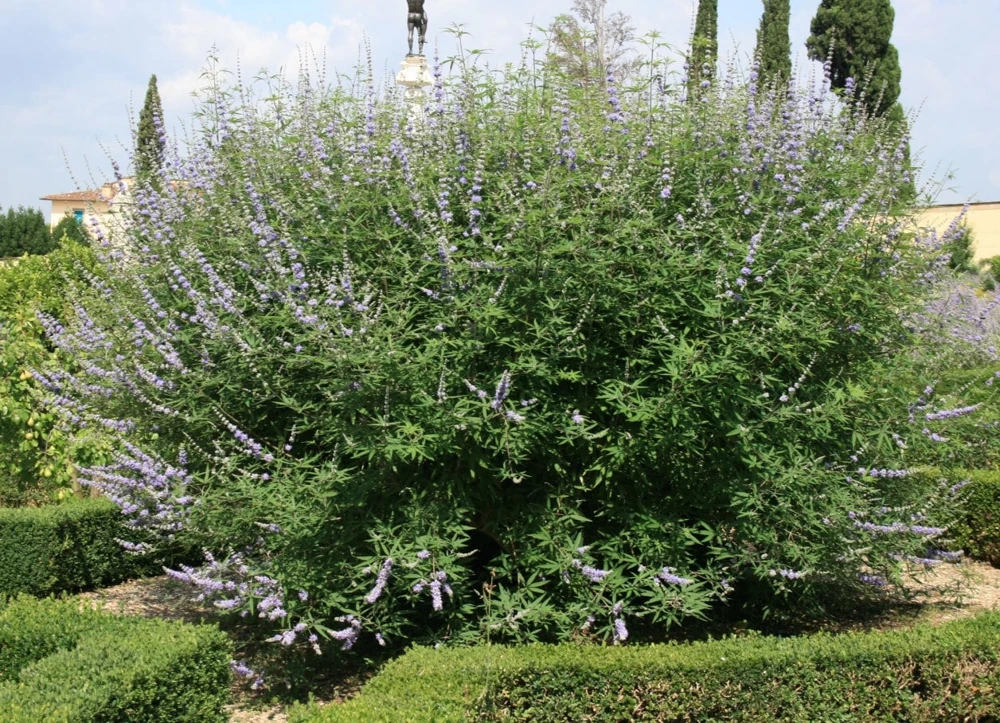
This offering includes 50 high-quality vitex agnus-castus seeds, ready for planting. When mature, the Chaste Tree (Vitex agnus-castus) can reach impressive heights of up to 20 feet tall, with a spread of 10-15 feet, creating a significant presence in the landscape. Its growth rate is moderate to fast, allowing you to establish a substantial tree within a few years. These chaste tree seeds will develop into a robust plant, offering beautiful blossoms and an attractive form. The tree’s overall size and shape can be managed through regular pruning, allowing it to be grown as a large shrub or a multi-stemmed small tree, depending on your garden design preferences.
The seeds are packaged to ensure viability and are ready for stratification and planting upon arrival. Expect germination to occur within several weeks to a few months, depending on proper stratification and growing conditions. The first blooms typically appear within 2-3 years after planting from seed, maturing into a full flowering specimen over time. These vitex seeds for sale provide an economical and rewarding way to cultivate this versatile and attractive plant. The mature trees are known for their resilience and ability to provide a long season of interest.
Frequently Asked Questions
- Q: How big does a Chaste Tree get from these seeds? A: A mature Chaste Tree (Vitex agnus-castus) can reach heights of up to 20 feet tall with a spread of 10-15 feet. Its size can be managed with proper pruning.
- Q: How much sunlight does the Vitex agnus-castus need? A: The Chaste Tree thrives in full sun to partial shade, ideally receiving at least 6-8 hours of direct sunlight per day for the best flowering.
- Q: Is this plant easy to care for? A: Yes, once established, the Chaste Tree is considered low-maintenance and relatively drought-tolerant. It’s a great choice for various gardening skill levels.
- Q: What condition will the vitex agnus-castus seeds arrive in? A: The seeds will arrive carefully packaged to ensure their viability and readiness for planting. They will need stratification before sowing.
- Q: Can I use the fruit of the Chaste Tree? A: Yes, the fruit of the Chaste Tree, also known as monks pepper seeds, can be used as a substitute for pepper, and its leaves can be used as a spice.
- Q: How long until the Chaste Tree blooms from seed? A: Typically, a Chaste Tree grown from chaste tree seeds will begin to bloom within 2-3 years after planting, with more abundant flowering as it matures.
- Q: What USDA Hardiness Zones are suitable for this tree? A: The Vitex agnus-castus is hardy in USDA Hardiness Zones 6 to 9, meaning it can tolerate winter conditions in these regions.
- Q: What type of soil does the Chaste Tree prefer? A: It prefers well-draining soil and is adaptable to sandy, loamy, or clay soils, as long as they don’t retain too much moisture.
- Q: Is the Chaste Tree deer resistant? A: While not entirely deer-proof, Chaste Trees are generally considered to be deer-resistant, making them a good option for areas with deer populations.
- Q: When is the best time to plant vitex agnus-castus seeds? A: After proper cold stratification, seeds can be sown in spring once the danger of frost has passed, or started indoors several weeks before the last frost date.
Be the first to review “Vitex agnus-castus Seeds – Chaste Tree Monks Pepper – 50 Seeds”
Related products


You May Like

How to Grow Passion Flower (Passiflora) for Tropical Blooms
Few climbing vines in the home garden command attention quite like the exotic Passion Flower (Passiflora). [...]
Nov

Thanksgiving Cactus Care: How to Get Thanksgiving Cactus to Bloom
Is your Thanksgiving cactus growing well but not giving you any flowers? Maybe it looked [...]
Nov

How to Grow Garlic for a Bountiful Home Harvest
Garlic (Allium sativum) is one of the most satisfying, low-maintenance, and flavor-packed crops you can [...]
Oct

Hardneck vs. Softneck Garlic: Which Should You Grow?
Have you ever stood in front of a seed catalog in mid-September, staring at dozens [...]
1 Comment
Oct

When to Plant Music Garlic: Ultimate US Fall Guide
Have you ever spent your fall weekend placing carefully chosen garlic cloves into rich, dark [...]
1 Comment
Oct

5 Best Bulbs for Fall Planting: Brighten Your Garden This Spring
Are you dreaming of a garden full of vibrant colors in the spring? The key [...]
Aug

10 Houseplants That Will Thrive in Your Kitchen
Are you tired of your kitchen feeling dull and lifeless? Want to add a little [...]
1 Comment
Aug
Reviews
There are no reviews yet.