

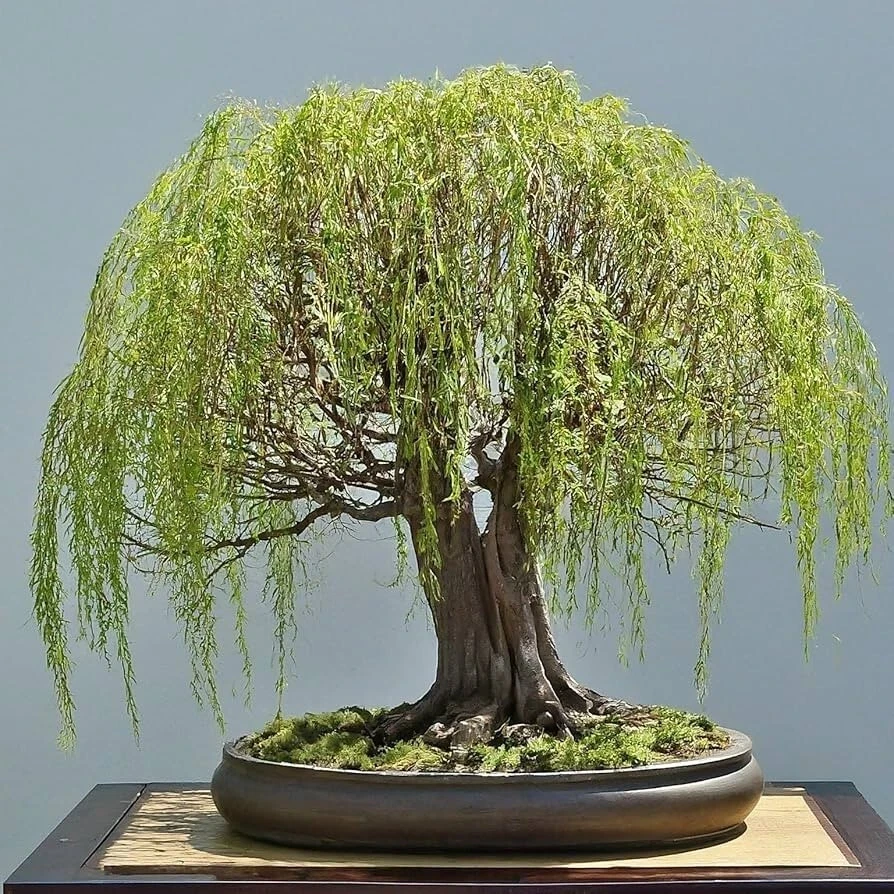
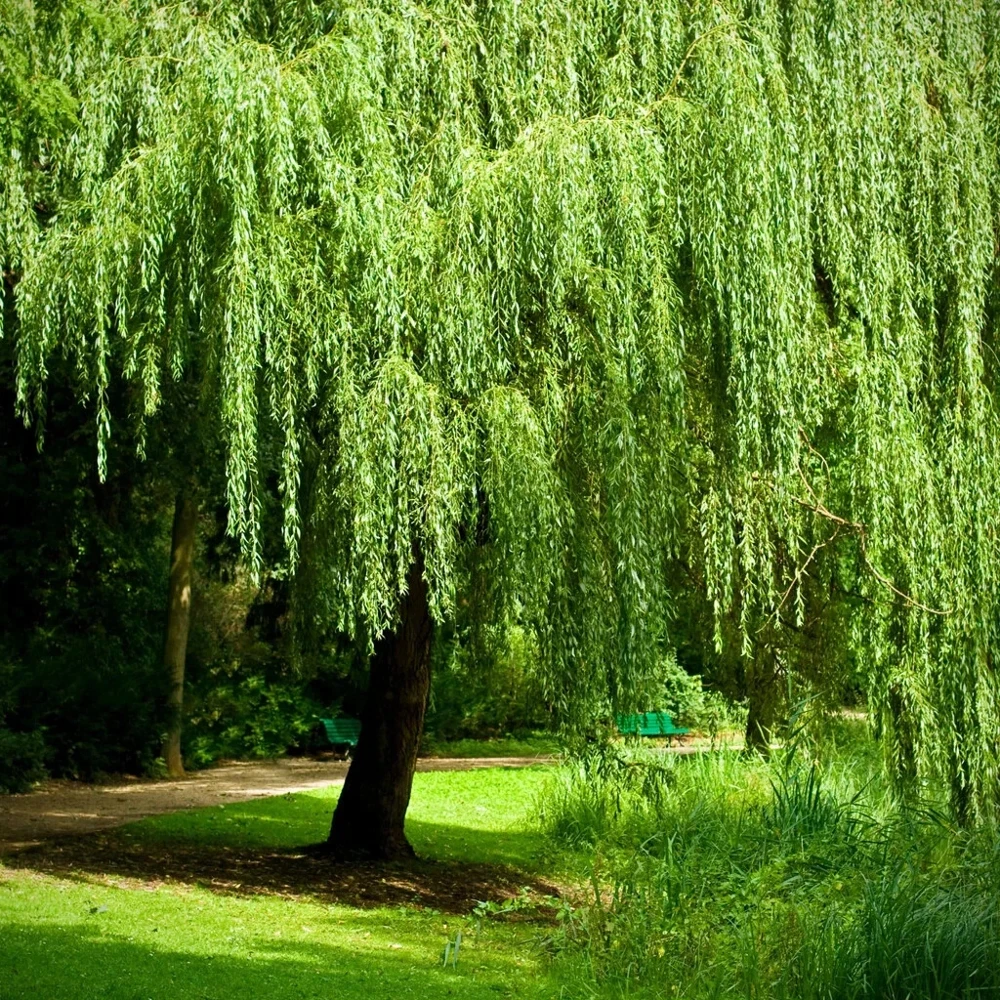




Weeping Willow Bonsai Tree Seeds – 5 Seeds, Grow Your Own Bonsai
Original price was: 38.76 $.18.76 $Current price is: 18.76 $.
Start your journey to growing a magnificent weeping willow bonsai tree with our premium pack of 5 seeds. These seeds are perfect for cultivating a stunning miniature version of the classic weeping willow bonsai seeds, bringing tranquility and elegance to any space, whether indoors or outdoors.
Estimated arrival
Nov 26
Dec 01 - Dec 03
Dec 03 - Dec 08
See our Shipping Policy.
Get in touch with us via email, and our team will review your concerns.
Our Alive & Thrive Guarantee covers issues with your plants within the first 30 days. Read our Refund & Returns Policy.
-
USDA Hardiness Zone
USDA zones 4-9 (with winter protection for bonsai) -
Soil Type
Well-draining, moisture-retentive bonsai mix -
Sunlight Exposure
Full sun -
Expected Planting Period
Spring to early summer
Overview
Embark on the rewarding journey of cultivating your very own weeping willow bonsai seeds. This offering includes 5 high-quality seeds, carefully selected to provide you with the best opportunity to grow a beautiful weeping willow bonsai tree. The Weeping Willow, scientifically known as Salix babylonica, is renowned for its graceful, cascading branches and serene presence. Transforming this majestic tree into a bonsai allows you to capture its iconic beauty in a compact, manageable form. Our seeds provide a fresh start for enthusiasts eager to learn how to grow weeping willow bonsai from scratch, offering a unique and engaging horticultural experience. These seeds are harvested to ensure viability, setting you on the path to creating a living work of art that can be enjoyed for years to come.
The allure of the Weeping Willow lies in its distinctive form and rapid growth, making it an excellent candidate for bonsai training. With patience and proper care, these seeds will develop into strong, healthy seedlings ready for shaping and styling into a classic bonsai. This pack is ideal for both seasoned bonsai artists looking to expand their collection and beginners eager to explore the ancient art of bonsai. Discover the satisfaction of nurturing a plant from its very beginning, witnessing its transformation into a miniature masterpiece.
Key Benefits
Growing a weeping willow bonsai tree offers numerous advantages and a deeply satisfying experience:
- Aesthetic Appeal: The graceful, pendulous branches of the Weeping Willow create a captivating and serene display, adding elegance to any indoor or outdoor setting. It’s a living sculpture that evolves with time.
- Unique Bonsai Specimen: While often seen in larger landscapes, the Weeping Willow makes for a distinctive and striking bonsai, standing out from more common species. It offers a unique challenge and reward for bonsai artists.
- Fast Growing: Weeping Willows are known for their relatively fast growth rate, which can be advantageous for bonsai training, allowing for quicker development and styling. This makes the process more dynamic and engaging.
- Therapeutic Hobby: The art of bonsai is a meditative and calming practice, promoting mindfulness and patience. Caring for a weeping willow bonsai tree can be a wonderful way to de-stress and connect with nature.
- Educational Experience: Learning how to grow weeping willow bonsai from seed provides invaluable insights into plant biology, horticulture, and the specific techniques required for bonsai cultivation.
- Versatile Display: Once established, your salix babylonica bonsai can be displayed as a focal point in your home, office, or garden, adapting to various decor styles. Its natural beauty enhances any environment.
- Long-Term Project: Bonsai is a commitment that brings continuous enjoyment as you shape and nurture your tree over many years, creating a lasting legacy.
Plant Care & Growing Tips
To successfully cultivate your weeping willow bonsai seeds into a thriving tree, understanding its specific care requirements is crucial. Weeping Willows, including their bonsai forms, thrive in conditions that mimic their natural habitat. For germination, plant your weeping willow seeds for bonsai in a well-draining, moist seed-starting mix. Lightly cover the seeds and keep the soil consistently damp but not waterlogged. Germination typically occurs within a few weeks under warm conditions (around 65-75°F or 18-24°C).
Once seedlings emerge, provide plenty of bright, indirect light. As they grow, gradually introduce them to more sunlight. Weeping Willows prefer full sun exposure, meaning at least 6 hours of direct sunlight per day, especially important for developing a strong trunk and dense foliage for your salix babylonica bonsai. For watering, keep the soil consistently moist. Weeping Willows are water-loving trees, so never let the soil dry out completely. During warmer months, you may need to water daily. Ensure your bonsai pot has excellent drainage to prevent root rot.
The ideal soil for a weeping willow bonsai tree should be a well-draining yet moisture-retentive mix. A good general bonsai soil mix containing akadama, pumice, and lava rock, or a mix of peat moss, perlite, and sand, works well. Fertilize regularly during the growing season (spring through late summer) with a balanced liquid bonsai fertilizer, diluted to half strength. Pruning is essential for shaping your bonsai; start early with structural pruning and continue with regular leaf and shoot pruning to maintain the desired form. Weeping Willows are hardy and can tolerate a wide range of temperatures, but protection from extreme winter cold is advisable, especially for young bonsai. Learning how to grow weeping willow bonsai involves consistent observation and adaptation to your plant’s needs.
Size & Details
This product includes 5 high-quality weeping willow bonsai seeds, ready for germination. These seeds are the starting point for growing your own unique weeping willow bonsai tree. While the ultimate size of your bonsai will depend on your training techniques and pruning, a well-maintained Weeping Willow bonsai typically reaches a height of 12-24 inches and a similar spread, creating a beautiful miniature tree. The growth rate of Weeping Willows is relatively fast, allowing for noticeable development within the first few years of cultivation. Expect your seeds to germinate within 2-4 weeks under optimal conditions, with seedlings quickly establishing themselves.
Each seed has the potential to develop into a robust specimen, offering a blank canvas for your bonsai artistry. The initial growth will focus on establishing a strong root system and trunk, after which you can begin the intricate process of shaping and wiring. These seeds are a fantastic way to experience the entire lifecycle of a bonsai, from a tiny seed to a mature, artfully sculpted salix babylonica bonsai. With proper care, your bonsai can thrive for many decades, becoming a cherished part of your collection.
Frequently Asked Questions
- Q: How big does a weeping willow bonsai tree get? A: The size of a weeping willow bonsai is largely determined by pruning and training. Typically, they can grow anywhere from 12 to 24 inches tall, with a similar spread, depending on the desired style and the care provided. Consistent trimming helps maintain its miniature stature.
- Q: What condition will the weeping willow bonsai seeds arrive in? A: Your seeds will arrive in a protective packet, ensuring they are fresh and viable for planting. We take care to package them securely to prevent damage during transit, ready for your planting efforts.
- Q: Is this an indoor or outdoor plant? A: While Weeping Willows are outdoor trees, bonsai specimens can be grown both indoors and outdoors. If grown indoors, they require significant light and humidity. Many enthusiasts grow their weeping willow bonsai tree outdoors during the warmer months and bring it indoors for winter protection in colder climates.
- Q: How much sunlight does it need? A: Weeping Willows thrive in full sun, requiring at least 6 hours of direct sunlight per day for optimal growth. If growing indoors, place your salix babylonica bonsai near a south-facing window or supplement with grow lights to ensure it receives adequate light.
- Q: Is this plant easy to care for? A: Growing a Weeping Willow bonsai from seed can be a rewarding challenge. While Weeping Willows are generally robust, their bonsai form requires consistent attention to watering, pruning, and shaping. It’s a great project for those willing to learn and dedicate time.
- Q: When is the best time to plant weeping willow seeds for bonsai? A: The best time to plant these seeds is typically in the spring or early summer, after the last frost, when temperatures are consistently warm. This provides optimal conditions for germination and initial growth.
- Q: How long until it looks like a bonsai tree? A: Developing a true bonsai form takes several years of consistent training, pruning, and wiring. You will see significant growth in the first year, but the distinctive bonsai shape will emerge over 3-5 years with dedicated care.
- Q: What type of soil is best for how to grow weeping willow bonsai? A: A well-draining yet moisture-retentive bonsai soil mix is ideal. A blend of akadama, pumice, and lava rock, or a mix of peat moss, perlite, and sand, will provide the necessary drainage and water retention.
- Q: Can I grow these seeds into a full-sized tree? A: While these are seeds for a Weeping Willow, they are intended for bonsai cultivation. If you wish to grow a full-sized tree, you would plant them in the ground or a very large container and allow them to grow naturally, without bonsai training techniques.
- Q: Will my weeping willow bonsai tree survive winter? A: Weeping Willows are hardy, but bonsai in pots are more vulnerable to extreme cold. In colder USDA zones, it’s recommended to provide winter protection by moving your bonsai to an unheated garage, shed, or cold frame once temperatures consistently drop below freezing.
Be the first to review “Weeping Willow Bonsai Tree Seeds – 5 Seeds, Grow Your Own Bonsai”
Related products


You May Like

How to Grow Passion Flower (Passiflora) for Tropical Blooms
Few climbing vines in the home garden command attention quite like the exotic Passion Flower (Passiflora). [...]
Nov

Thanksgiving Cactus Care: How to Get Thanksgiving Cactus to Bloom
Is your Thanksgiving cactus growing well but not giving you any flowers? Maybe it looked [...]
Nov

How to Grow Garlic for a Bountiful Home Harvest
Garlic (Allium sativum) is one of the most satisfying, low-maintenance, and flavor-packed crops you can [...]
Oct

Hardneck vs. Softneck Garlic: Which Should You Grow?
Have you ever stood in front of a seed catalog in mid-September, staring at dozens [...]
1 Comment
Oct

When to Plant Music Garlic: Ultimate US Fall Guide
Have you ever spent your fall weekend placing carefully chosen garlic cloves into rich, dark [...]
1 Comment
Oct

5 Best Bulbs for Fall Planting: Brighten Your Garden This Spring
Are you dreaming of a garden full of vibrant colors in the spring? The key [...]
Aug

10 Houseplants That Will Thrive in Your Kitchen
Are you tired of your kitchen feeling dull and lifeless? Want to add a little [...]
1 Comment
Aug
Reviews
There are no reviews yet.