
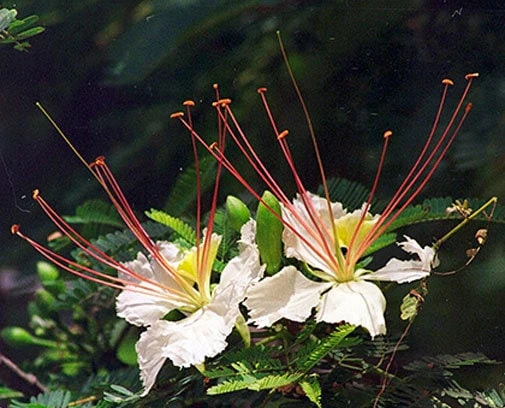
White Poinciana Seeds Delonix elata – Yellow Gul Mohur Creamy Peacock – 5 Seeds
Original price was: 48.91 $.19.91 $Current price is: 19.91 $.
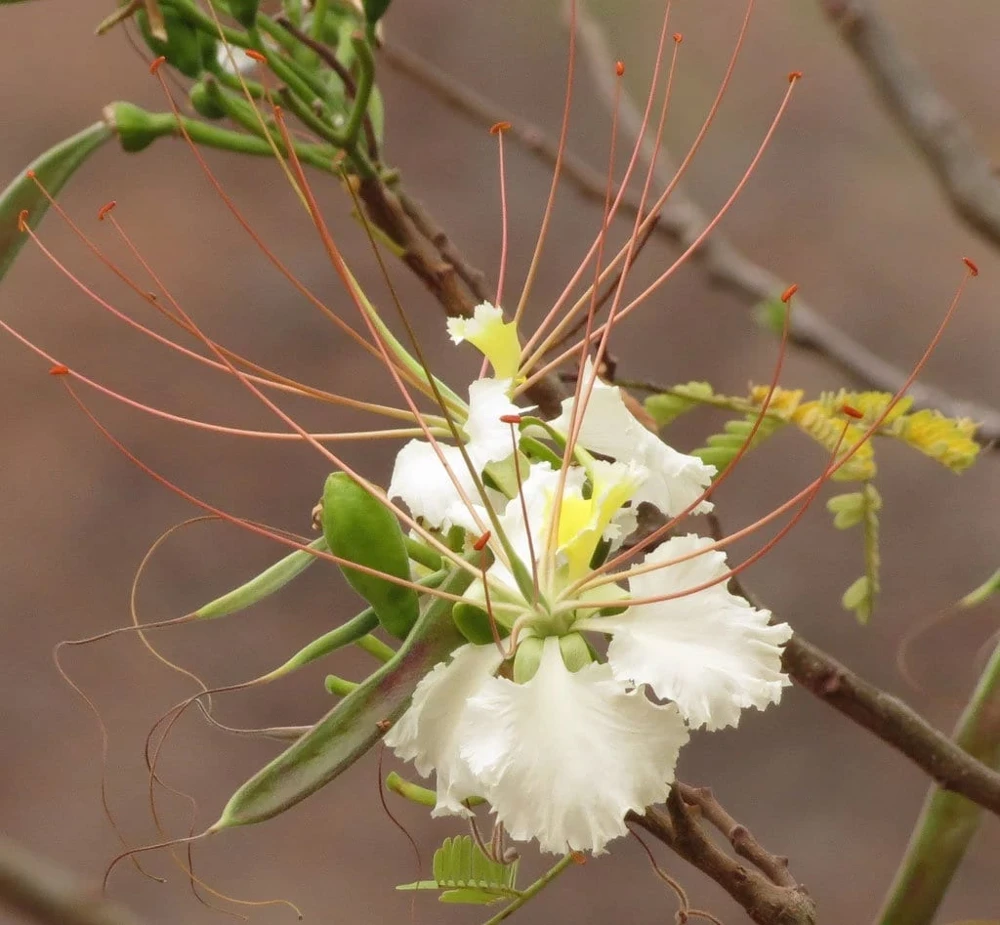
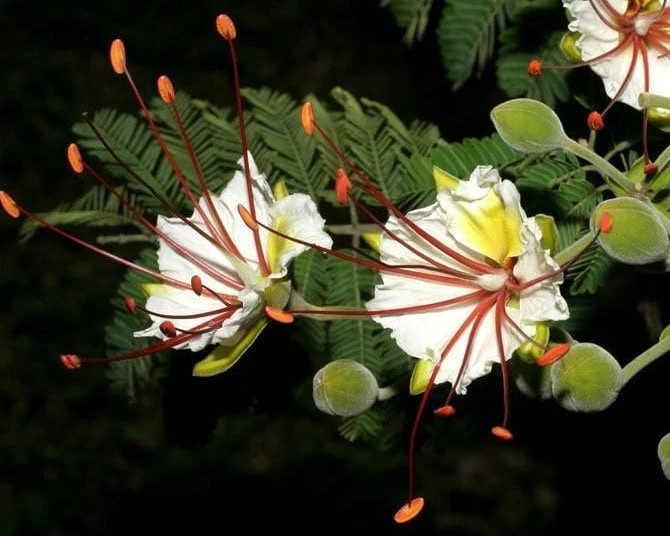
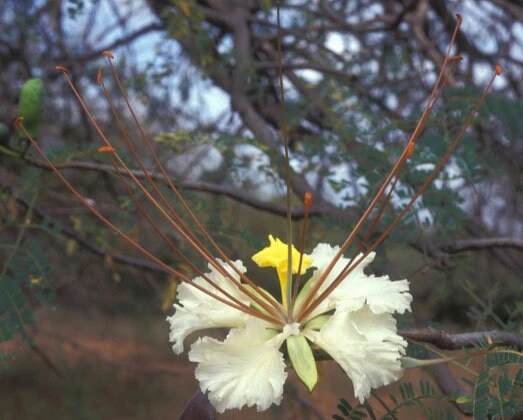
Cultivate stunning white poinciana seeds (Delonix elata), also known as yellow gul mohur seeds or Creamy Peacock Flower. This packet contains 5 seeds for a rare, ornamental tree with white to yellow blossoms, suitable for USDA Zones 9b-11.
Estimated arrival
Nov 26
Dec 01 - Dec 03
Dec 03 - Dec 08
See our Shipping Policy.
Get in touch with us via email, and our team will review your concerns.
Our Alive & Thrive Guarantee covers issues with your plants within the first 30 days. Read our Refund & Returns Policy.
-
USDA Hardiness Zone
9b to 11 -
Soil Type
Well-draining, sandy loam -
Sunlight Exposure
Full sun -
Expected Planting Period
Spring to early summer
Overview
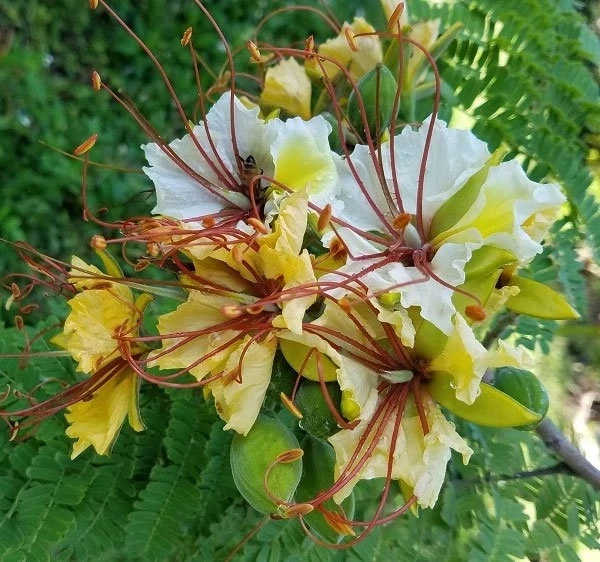
Embark on a rewarding gardening journey with these premium white poinciana seeds. Also known as Delonix elata seeds, Yellow Gul Mohur, or Creamy Peacock Flower, this rare and magnificent tree promises to be a spectacular addition to any suitable landscape. Originating from arid regions, the Delonix elata is renowned for its striking, showy blossoms that transition from a pristine white to a soft yellow hue as they mature. Growing this tree from seed allows you to witness its full life cycle, from a tiny sprout to a majestic specimen, providing a unique connection to nature. These seeds offer the opportunity to cultivate a resilient and beautiful tree, perfect for those looking to add an exotic and vibrant touch to their garden or collection of rare plants.
Beyond its ornamental appeal, the Delonix elata is a plant with practical uses, traditionally valued for its leaves and wood. While primarily grown for its aesthetic beauty, knowing its full potential adds to its allure as a remarkable botanical specimen. Cultivating these creamy peacock flower seeds is an excellent project for gardeners seeking a distinctive and rewarding experience, resulting in a mature tree that will undoubtedly become a focal point of admiration.
Key Benefits
Growing Delonix elata from white poinciana seeds offers a multitude of benefits, both aesthetic and ecological:
- Stunning Floral Display: Enjoy magnificent blossoms that start white and gracefully transition to yellow, providing a dynamic and beautiful visual spectacle throughout its blooming season. The unique color change ensures continuous interest and beauty.
- Rare and Unique Specimen: Cultivate a tree that stands out from the ordinary. The Delonix elata is less common than its red-flowered relative, making it a special addition for collectors and enthusiasts of rare plants.
- Drought Tolerance: Once established, this tree exhibits good drought tolerance, making it a sustainable choice for landscapes in warmer, drier climates and reducing the need for excessive watering.
- Hardiness for Warm Climates: Thrives in USDA Hardiness Zones 9b to 11, making it an ideal choice for gardeners in subtropical and tropical regions seeking a robust and beautiful tree.
- Potential for Traditional Uses: Historically, parts of the tree have been used for various purposes, including edible leaves and seeds (after preparation) and durable wood, offering a glimpse into its cultural significance.
- Attracts Pollinators: The vibrant flowers can attract beneficial pollinators to your garden, contributing to local biodiversity and supporting a healthy ecosystem.
- Landscape Impact: A mature Delonix elata provides significant shade and creates a dramatic focal point in any large garden or park, enhancing the overall aesthetic and providing a serene environment.
Plant Care & Growing Tips
Successfully growing Delonix elata seeds requires specific care and attention to ensure optimal germination and healthy growth. Begin by scarifying the hard seed coat to improve water absorption. This can be done by gently nicking the seed with a file or sandpaper, or by soaking the seeds in hot (not boiling) water for 24 hours, replacing the water as it cools. Plant the scarified seeds about 1/2 inch deep in a well-draining seed-starting mix. A good quality potting mix with added perlite or sand will provide the necessary drainage. Maintain a consistent soil temperature of 70-80°F (21-27°C) for best germination results, which can take anywhere from a few weeks to several months.
Once sprouted, place seedlings in a location that receives full sun for at least 6-8 hours daily. As the seedlings grow, gradually acclimate them to outdoor conditions before transplanting. The White Poinciana thrives in full sun and requires well-draining soil; it does not tolerate waterlogged conditions. In its early stages, ensure regular watering to keep the soil consistently moist but not saturated. Established trees are more drought-tolerant. Fertilize young trees sparingly with a balanced, slow-release fertilizer. Protect young trees from frost if you are in the lower end of its hardiness zone (9b). Pruning can be done to shape the tree and remove any dead or crossing branches. Be patient, as growing these rare tree seeds into a mature specimen is a long-term reward. Keep an eye out for common pests like aphids or scale, treating them with organic pest control methods if necessary.
Size & Details
This product includes 5 seeds of the magnificent Delonix elata, commonly known as White Poinciana, yellow gul mohur seeds, or Creamy Peacock Flower. Each seed holds the potential to grow into a large, ornamental tree, typically reaching heights of 20 to 40 feet (6 to 12 meters) with a broad, spreading canopy, providing ample shade. The tree exhibits a moderate to fast growth rate under ideal conditions. It is best suited for outdoor cultivation in USDA Hardiness Zones 9b to 11, where it can be grown year-round. The mature tree will produce its distinctive white to yellow flowers, creating a stunning display. The seeds are provided in a dried state, ready for scarification and planting. Expect the first blooms to appear after several years of growth, depending on growing conditions and care. This truly is a unique opportunity to cultivate a rare and beautiful specimen from creamy peacock flower seeds.
Frequently Asked Questions
- Q: How do I prepare the white poinciana seeds for planting? A: The seeds have a hard outer shell that needs scarification. You can gently nick the seed coat with a small file or sandpaper, or soak them in hot (not boiling) water for 24 hours, changing the water as it cools. This helps water penetrate and encourages germination.
- Q: What is the best time to plant these delonix elata seeds? A: The ideal time for planting is in the spring or early summer, after all danger of frost has passed and temperatures are consistently warm. This provides the best conditions for germination and initial growth.
- Q: How much sunlight does the White Poinciana tree need? A: This tree thrives in full sun, requiring at least 6-8 hours of direct sunlight per day. Adequate sunlight is crucial for healthy growth and prolific flowering.
- Q: What kind of soil is best for growing yellow gul mohur seeds? A: A well-draining soil mix is essential. A sandy loam or a potting mix amended with perlite or sand to improve drainage is highly recommended. Avoid heavy, clay soils that retain too much moisture.
- Q: Is the Delonix elata tree drought-tolerant? A: Yes, once established, the White Poinciana is quite drought-tolerant. However, young trees will require consistent moisture to develop a strong root system.
- Q: How long does it take for the creamy peacock flower seeds to germinate? A: Germination can be variable, typically taking from a few weeks to several months, even with proper scarification. Patience is key when growing these unique tree seeds.
- Q: What USDA Hardiness Zones are suitable for this tree? A: The White Poinciana is best suited for USDA Hardiness Zones 9b to 11. It prefers warm, frost-free climates and may require protection in cooler zones.
Be the first to review “White Poinciana Seeds Delonix elata – Yellow Gul Mohur Creamy Peacock – 5 Seeds”
Related products


You May Like

How to Grow Passion Flower (Passiflora) for Tropical Blooms
Few climbing vines in the home garden command attention quite like the exotic Passion Flower (Passiflora). [...]
Nov

Thanksgiving Cactus Care: How to Get Thanksgiving Cactus to Bloom
Is your Thanksgiving cactus growing well but not giving you any flowers? Maybe it looked [...]
Nov

How to Grow Garlic for a Bountiful Home Harvest
Garlic (Allium sativum) is one of the most satisfying, low-maintenance, and flavor-packed crops you can [...]
Oct

Hardneck vs. Softneck Garlic: Which Should You Grow?
Have you ever stood in front of a seed catalog in mid-September, staring at dozens [...]
1 Comment
Oct

When to Plant Music Garlic: Ultimate US Fall Guide
Have you ever spent your fall weekend placing carefully chosen garlic cloves into rich, dark [...]
1 Comment
Oct

5 Best Bulbs for Fall Planting: Brighten Your Garden This Spring
Are you dreaming of a garden full of vibrant colors in the spring? The key [...]
Aug

10 Houseplants That Will Thrive in Your Kitchen
Are you tired of your kitchen feeling dull and lifeless? Want to add a little [...]
1 Comment
Aug
Reviews
There are no reviews yet.