
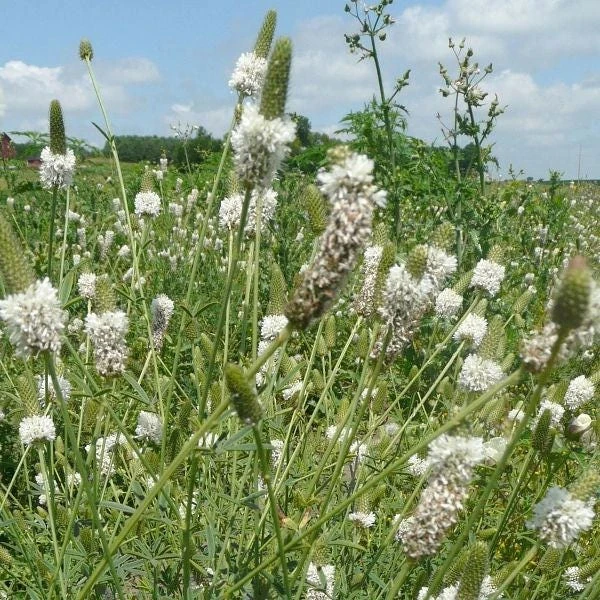
White Prairie Clover Seeds – Dalea candida – 500 Seed Packet – Attracts Butterflies & Bees
Original price was: 40.91 $.11.91 $Current price is: 11.91 $.
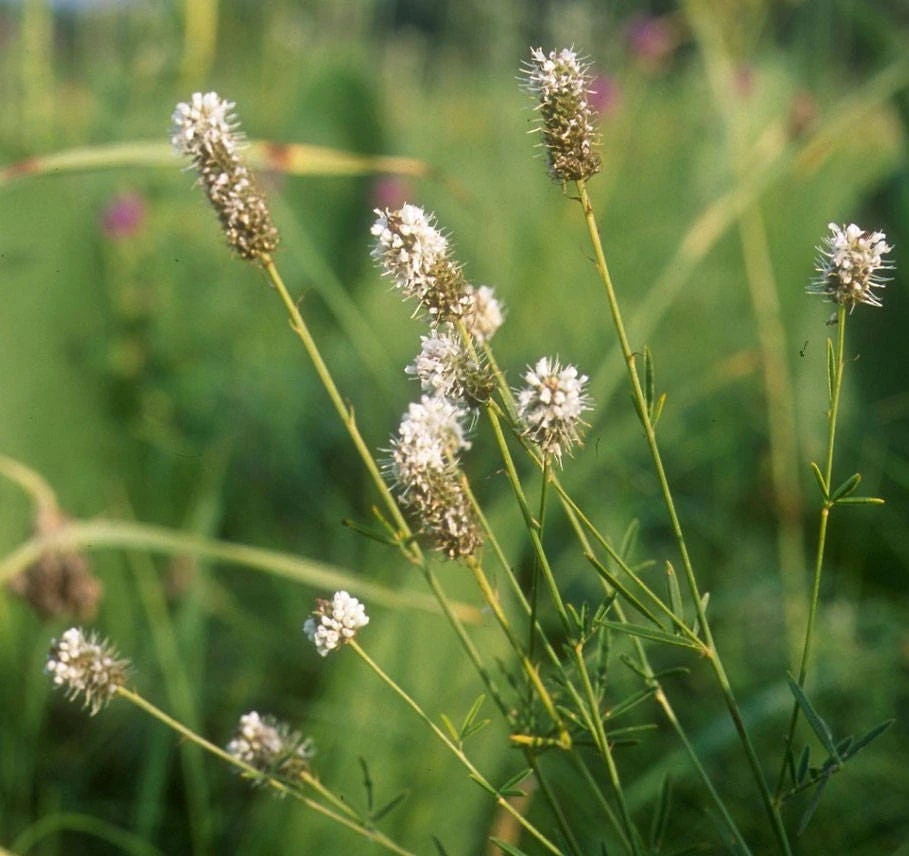
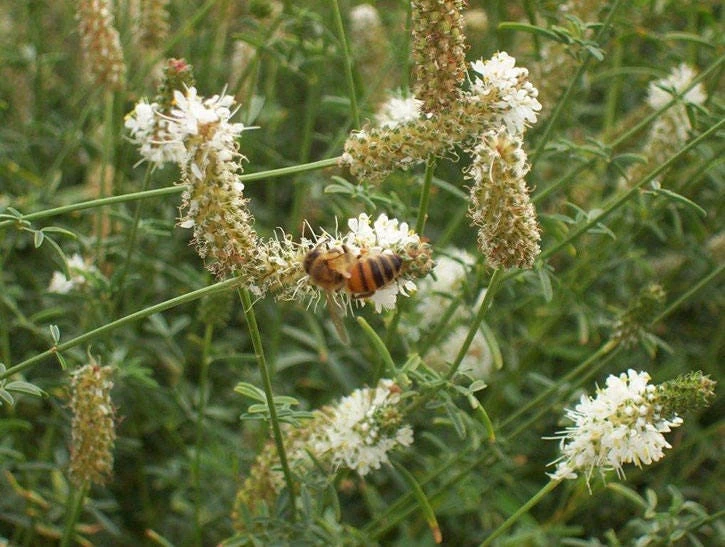
Cultivate stunning white prairie clover seeds for your garden. These dalea candida seeds produce beautiful white blossoms, attracting pollinators like butterflies and bees. Ideal for native gardens and beneficial for local ecosystems.
Estimated arrival
Nov 28
Dec 03 - Dec 05
Dec 05 - Dec 10
See our Shipping Policy.
Get in touch with us via email, and our team will review your concerns.
Our Alive & Thrive Guarantee covers issues with your plants within the first 30 days. Read our Refund & Returns Policy.
-
USDA Hardiness Zone
3 to 8 -
Soil Type
Well-draining soil -
Sunlight Exposure
Full sun to partial shade -
Expected Planting Period
Fall or early spring
Overview
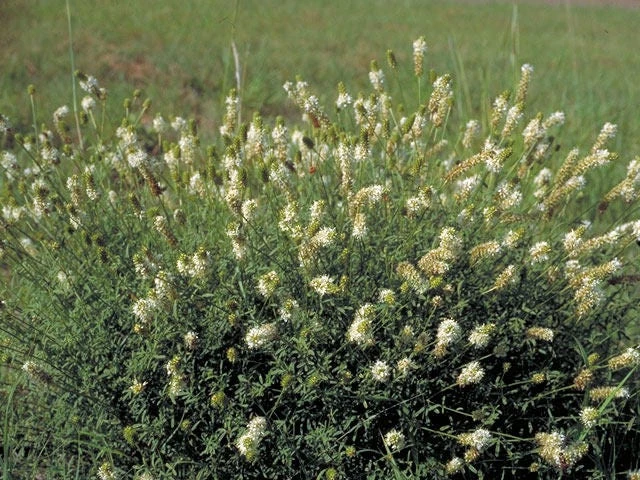
Discover the beauty and ecological benefits of growing white prairie clover seeds. This packet contains 500 seeds of Dalea candida, also known as White Prairie Clover, a charming native perennial that brings a touch of wild elegance to any landscape. Growing up to 2 feet tall, this plant is not just visually appealing with its delicate white blossoms in the summer; it’s also a powerhouse for local ecosystems. Historically, Native Americans utilized its roots for food and leaves for tea, and even for medicinal purposes. Today, it’s celebrated for its role in supporting biodiversity, making it a perfect choice for those looking to create a vibrant, eco-friendly garden. These dalea candida seeds offer an opportunity to cultivate a hardy, attractive plant that thrives with minimal fuss, providing both beauty and ecological value.
Embrace sustainable gardening with white prairie clover seeds. This plant is a vital resource for various insect species, particularly as a larval host plant for several butterfly types, including the Marine Blue, Reakirts Blue, Clouded Sulphur, Orange Sulphur, and Southern Dogface butterflies. Its blooms are also a significant draw for bees, contributing to pollination and overall garden health. By planting these seeds, you’re not just growing a beautiful flower; you’re actively supporting local wildlife and enhancing the ecological resilience of your outdoor space. It’s an excellent choice for a native plant seeds collection, promoting indigenous flora and fauna.
Key Benefits
Planting white prairie clover seeds offers a multitude of advantages for your garden and the environment. These benefits extend beyond simple aesthetics, contributing to a healthier, more vibrant ecosystem.
- Attracts Pollinators: The white blossoms of Dalea candida are a magnet for bees, essential for the pollination of many plants, including those in your own garden. Cultivating prairie clover for pollinators helps support these crucial insects.
- Supports Butterfly Life Cycles: This plant serves as a vital larval host for several butterfly species, including the Marine Blue and Clouded Sulphur, making it an excellent choice for a butterfly host plant.
- Low Maintenance: Once established, White Prairie Clover is remarkably drought-tolerant and requires minimal care, thriving in its preferred conditions without constant attention.
- Native and Resilient: As a native plant, it is well-adapted to local climates and soils, contributing to the ecological balance and requiring fewer resources than non-native species.
- Historical Significance: Beyond its ecological value, the plant holds cultural significance, having been traditionally used by Native Americans for food, tea, and medicinal remedies.
- Soil Health Improvement: Like many legumes, White Prairie Clover can fix nitrogen in the soil, improving its fertility and benefiting surrounding plants.
- Aesthetic Appeal: Its delicate white flowers add a charming, natural beauty to prairie gardens, wildflower meadows, and even more formal garden settings.
Plant Care & Growing Tips
Growing white prairie clover seeds is a rewarding experience, particularly due to the plant’s resilience and adaptability. To ensure successful germination and vigorous growth, understanding its basic care requirements is crucial. White Prairie Clover thrives in full sun to partial shade, meaning it prefers at least six hours of direct sunlight daily but can tolerate some afternoon shade, especially in hotter climates. This plant is not overly particular about soil type but performs best in well-draining soil. Avoid heavy, waterlogged conditions, as this can lead to root rot. A sandy or loamy soil composition is ideal, mimicking its natural prairie habitat. Ensure the planting area is free of weeds to reduce competition for resources.
Once established, dalea candida seeds develop into a drought-tolerant plant, requiring less frequent watering than many other garden species. During germination and early growth, keep the soil consistently moist but not saturated. As the plant matures, it will only need supplemental watering during extended dry periods. Fertilization is generally not necessary, as White Prairie Clover is a nitrogen-fixing legume, naturally enriching the soil. It is hardy in USDA Zones 3 to 8, making it suitable for a wide range of climates across the United States. Pests and diseases are rarely an issue for this robust native plant, further contributing to its low-maintenance appeal. Consider growing native plant seeds like these to reduce overall garden care and enhance biodiversity.
Size & Details
This offering includes 500 white prairie clover seeds, providing ample opportunity to establish a significant patch of this beneficial native plant. Once mature, White Prairie Clover (Dalea candida) typically reaches a height of up to 2 feet, forming an upright, slender silhouette. Its growth rate is moderate, with plants generally establishing themselves well within the first year and blooming in their second season from seed. The seeds are small and should be planted shallowly, ideally after a period of cold stratification to mimic natural winter conditions, which aids in germination. This butterfly host plant will bring vibrant life to your garden for years to come.
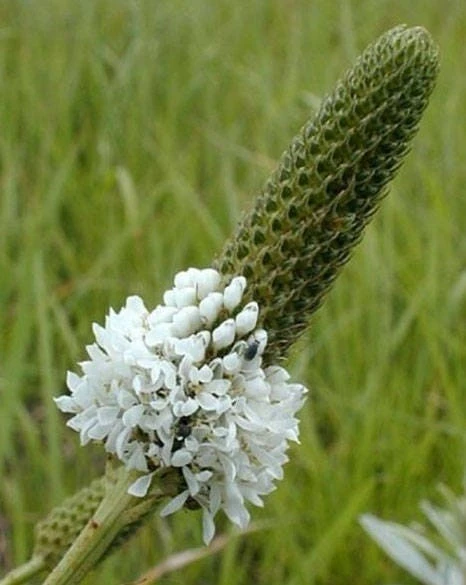
These seeds are provided in a packet, ready for planting. The plants develop a deep taproot system, which contributes to their drought tolerance and makes them excellent for stabilizing soil. They typically bloom in the summer months, showcasing their distinctive white, cone-shaped flowers. Expected lifespan is several years as a perennial, making it a long-term investment in your garden’s beauty and ecological health. Consider these prairie clover for pollinators for their long-lasting impact.
Frequently Asked Questions
- Q: How many seeds are included in this packet? A: This packet contains 500 white prairie clover seeds, providing a generous quantity for planting a significant area or for multiple planting attempts.
- Q: What is the ideal sunlight exposure for White Prairie Clover? A: White Prairie Clover prefers full sun to partial shade. For best growth and flowering, aim for at least 6 hours of direct sunlight per day.
- Q: Is this plant easy to care for? A: Yes, once established, White Prairie Clover is considered a very low-maintenance plant. It is drought-tolerant and rarely bothered by pests or diseases, making it suitable for beginners.
- Q: When is the best time to plant these seeds? A: The best time to plant dalea candida seeds is in the fall, allowing for natural cold stratification over winter, or in early spring after artificial cold stratification.
- Q: Will this plant attract butterflies and bees? A: Absolutely! White Prairie Clover is renowned for attracting a variety of pollinators, including many bee species and serving as a larval host for several types of butterflies, making it an excellent butterfly host plant.
- Q: What USDA Hardiness Zones is this plant suitable for? A: White Prairie Clover is hardy in USDA Zones 3 to 8, making it adaptable to a wide range of climates across the United States.
- Q: How tall does White Prairie Clover grow? A: This plant typically grows to a height of up to 2 feet (approximately 60 cm) when mature, creating an attractive upright form in the landscape.
- Q: Can I grow these native plant seeds in a container? A: While primarily suited for garden beds due to its deep taproot, White Prairie Clover can be grown in large, deep containers with well-draining soil, though it may not reach its full potential size.
- Q: Does White Prairie Clover require special soil? A: No, it is quite adaptable but thrives best in well-draining soil, including sandy or loamy types. Avoid heavy clay or waterlogged conditions.
- Q: What are the benefits of planting prairie clover for pollinators? A: Planting White Prairie Clover provides essential nectar and pollen for bees and acts as a crucial food source for butterfly larvae, supporting local insect populations and contributing to ecosystem health.
Be the first to review “White Prairie Clover Seeds – Dalea candida – 500 Seed Packet – Attracts Butterflies & Bees”
Related products


You May Like

How to Grow Passion Flower (Passiflora) for Tropical Blooms
Few climbing vines in the home garden command attention quite like the exotic Passion Flower (Passiflora). [...]
Nov

Thanksgiving Cactus Care: How to Get Thanksgiving Cactus to Bloom
Is your Thanksgiving cactus growing well but not giving you any flowers? Maybe it looked [...]
Nov

How to Grow Garlic for a Bountiful Home Harvest
Garlic (Allium sativum) is one of the most satisfying, low-maintenance, and flavor-packed crops you can [...]
Oct

Hardneck vs. Softneck Garlic: Which Should You Grow?
Have you ever stood in front of a seed catalog in mid-September, staring at dozens [...]
1 Comment
Oct

When to Plant Music Garlic: Ultimate US Fall Guide
Have you ever spent your fall weekend placing carefully chosen garlic cloves into rich, dark [...]
1 Comment
Oct

5 Best Bulbs for Fall Planting: Brighten Your Garden This Spring
Are you dreaming of a garden full of vibrant colors in the spring? The key [...]
Aug

10 Houseplants That Will Thrive in Your Kitchen
Are you tired of your kitchen feeling dull and lifeless? Want to add a little [...]
1 Comment
Aug
Reviews
There are no reviews yet.