
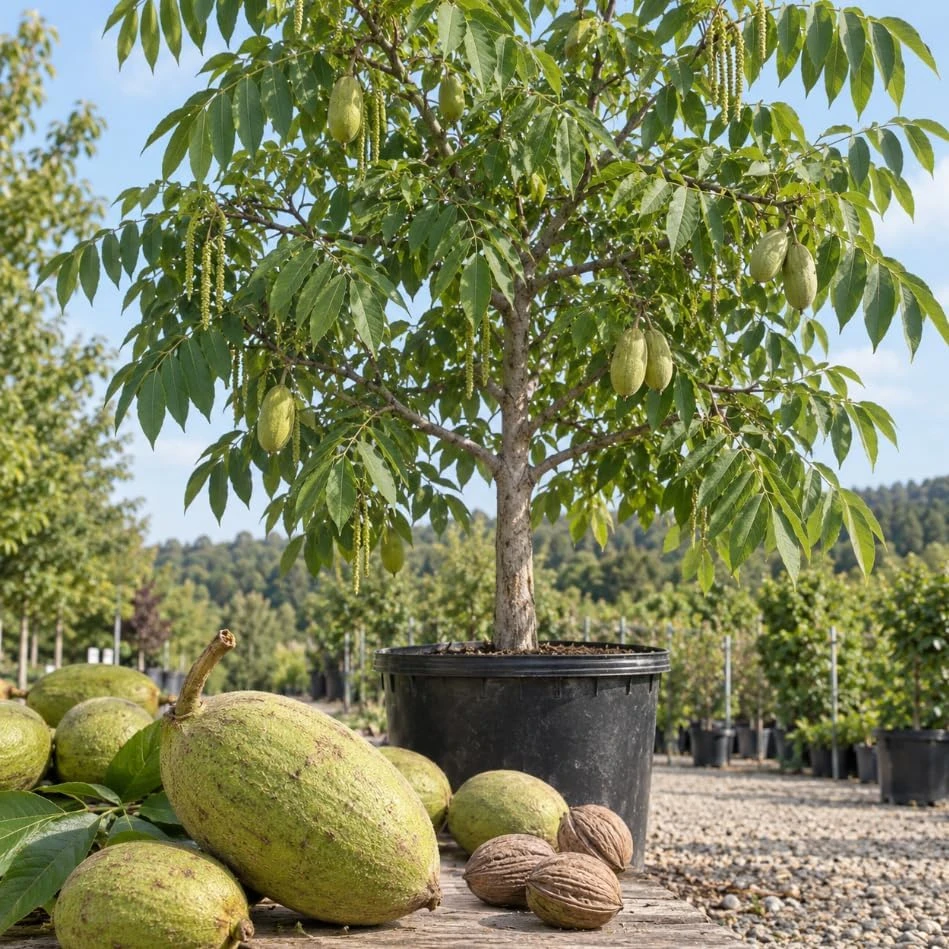
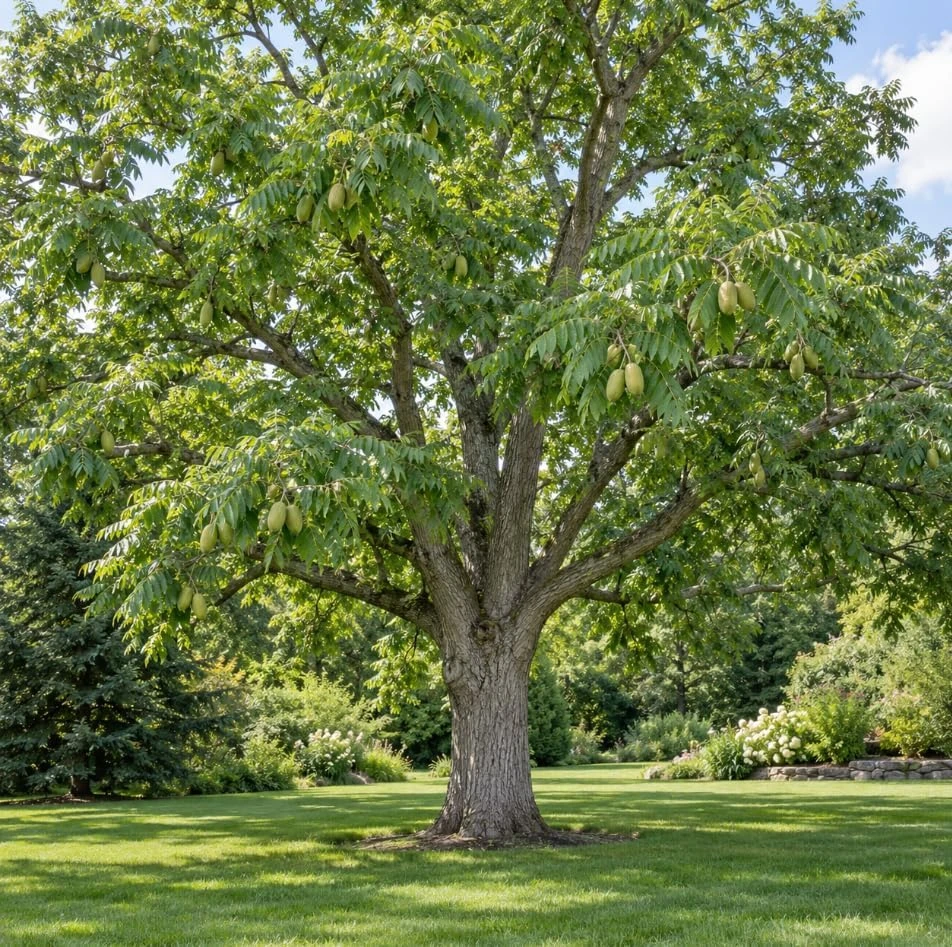
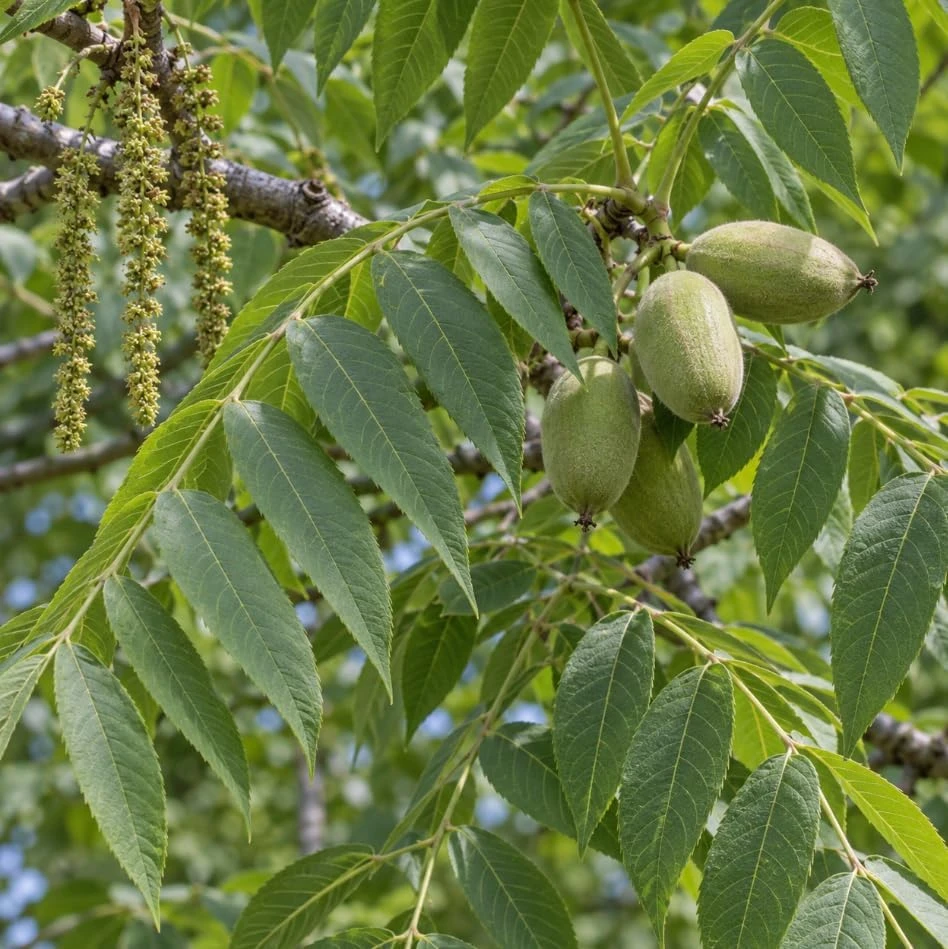
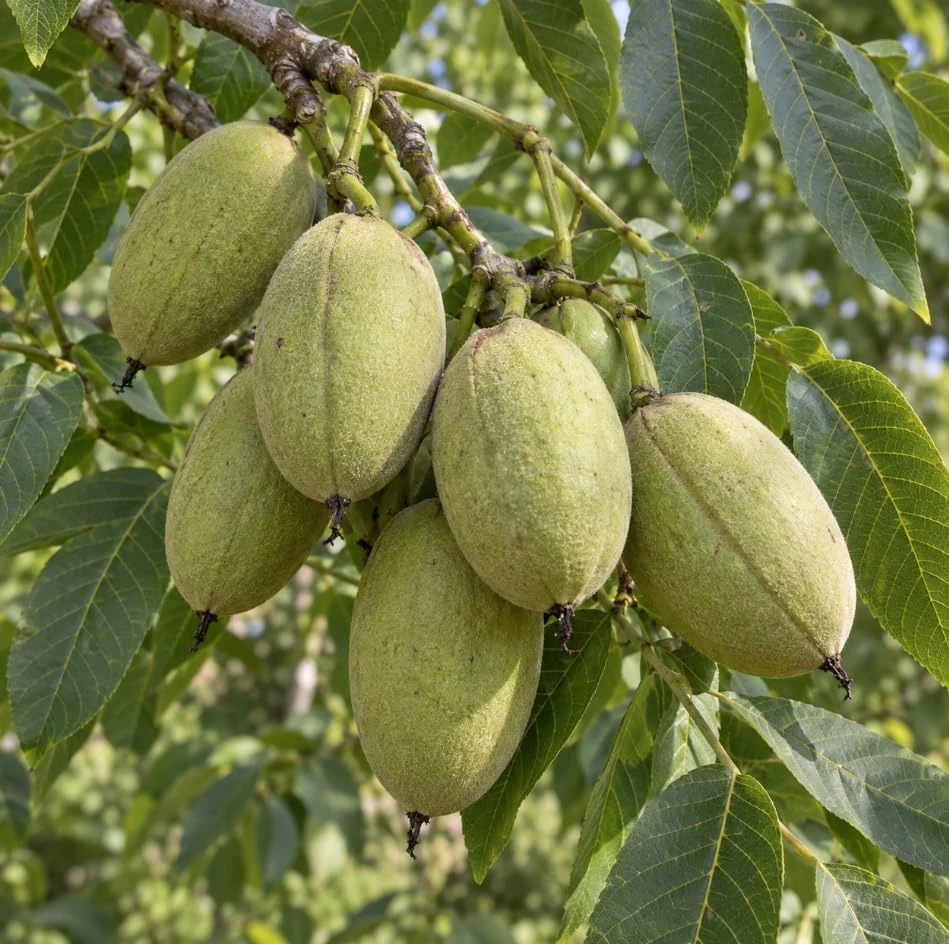
White Walnut Trees Live Plants Nut-Bearing Live Plant 12-20 Inc Tall
32.99 $
Estimated arrival
Nov 27
Dec 02 - Dec 04
Dec 04 - Dec 09
See our Shipping Policy.
Get in touch with us via email, and our team will review your concerns.
Our Alive & Thrive Guarantee covers issues with your plants within the first 30 days. Read our Refund & Returns Policy.
“`json { “meta_title”: “White Walnut Trees Live Plant – 12-20 Inches Tall Nut-Bearing”, “google_title”: “White Walnut Live Tree Plant – Nut-Bearing Juglans Cinerea – 12-20 Inches Tall Outdoor”, “meta_description”: “Grow your own nut-bearing white walnut tree. This live plant, 12-20 inches tall, is perfect for establishing in your garden or landscape for future harvests.”, “meta_focus_keyword”: “white walnut live plant, white walnut tree care, growing white walnuts, nut bearing trees, juglans cinerea”, “categories”: “Trees”, “google_product_category_path”: “Home & Garden> Plants> Trees”, “google_product_category_id”: “unknown”, “short_description”: “
Cultivate your own delicious nuts with this vibrant white walnut live plant, measuring 12-20 inches tall. Perfect for outdoor landscapes, this hardy, nut-bearing tree thrives with ample sunlight and well-drained soil, providing a rewarding addition to any garden.
“, “long_description”: “
Overview
n
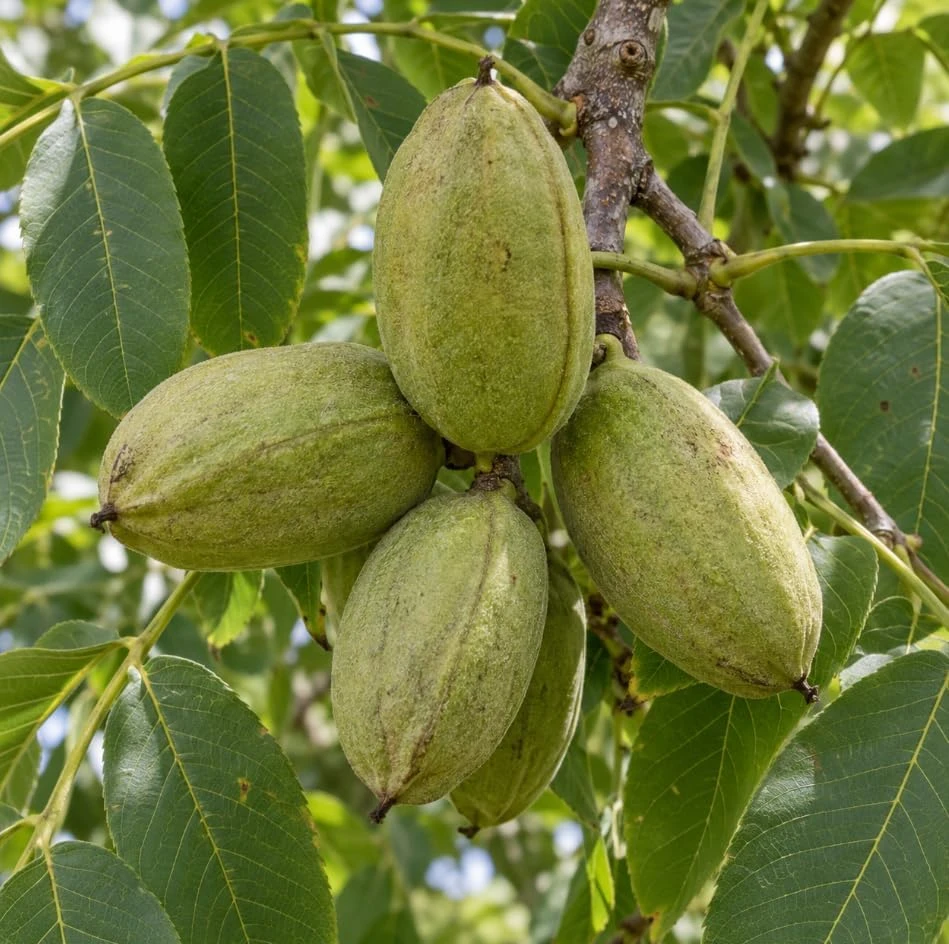
Embark on a rewarding gardening journey with your very own white walnut live plant (Juglans cinerea). This robust, nut-bearing tree arrives as a healthy, young specimen, typically standing an impressive 12 to 20 inches tall, offering you a significant head start in cultivating a mature, productive tree. Known for its delicious, rich nuts and attractive foliage, the white walnut, also called butternut, is a valuable addition to any landscape or food forest. These live plants are carefully nurtured to ensure vigor and adaptability, ready to establish themselves in your garden and provide years of enjoyment and bountiful harvests. Whether you’re an experienced grower or just beginning, adding a white walnut live plant to your property is an investment in both beauty and sustenance.
n
The white walnut live plant is celebrated not only for its edible nuts but also for its stately presence in the landscape. It’s a deciduous tree that offers beautiful seasonal interest, from its emerging spring leaves to its autumn canopy. These trees are known for their hardiness once established, making them a reliable choice for many climates. By choosing a live plant rather than seeds, you significantly reduce the waiting time to witness the tree’s growth and eventual nut production, making it an exciting prospect for anyone looking to grow their own food.
nn
Key Benefits
n
Incorporating a white walnut live plant into your garden offers a multitude of benefits, from delicious harvests to ecological contributions. This nut-bearing tree is a fantastic choice for those looking to enhance their landscape with both beauty and utility.
n
- n
- Sustainable Nut Production: Enjoy the satisfaction of growing your own delicious and highly nutritious white walnuts. These nuts are prized for their rich, buttery flavor, perfect for baking, snacking, or culinary creations, providing a sustainable food source right from your backyard.
- Landscape Enhancement: The white walnut tree develops into a beautiful, stately specimen with an attractive canopy, providing natural shade and visual appeal to your property. Its seasonal changes, from lush green leaves to autumnal hues, add dynamic beauty to your garden.
- Wildlife Attraction: The nuts produced by your white walnut live plant serve as a valuable food source for local wildlife, including squirrels and various bird species, contributing to local biodiversity and creating a lively garden ecosystem.
- Long-Term Investment: Planting a white walnut tree is a long-term investment that increases property value and provides ongoing returns in terms of food, shade, and aesthetic beauty for decades to come.
- Hardy and Resilient: Once established, these trees are known for their hardiness and ability to thrive in various conditions, making them a relatively low-maintenance option for gardeners seeking a robust nut-bearing tree.
- Environmental Benefits: Like all trees, the white walnut contributes to air purification, carbon sequestration, and soil stabilization, playing a vital role in supporting a healthy environment.
n
n
n
n
n
n
nn
Plant Care & Growing Tips
n
Caring for your white walnut live plant is straightforward, especially once it establishes itself. These trees prefer a location with ample sunlight. For optimal growth and nut production, plant your white walnut where it can receive at least 6-8 hours of direct sunlight per day. While they can tolerate some partial shade, full sun exposure will yield the best results. Ensure the planting site has well-drained soil; white walnuts do not like “wet feet.” A loamy, fertile soil with a neutral to slightly acidic pH is ideal. If your soil is heavy clay, amend it with organic matter like compost to improve drainage and aeration before planting. Proper soil preparation is crucial for encouraging strong root development and a healthy tree.
n
Watering is essential, particularly during the first few years after planting. Keep the soil consistently moist but not waterlogged. Deep watering once or twice a week, depending on rainfall and temperature, is generally sufficient. As the tree matures and its root system expands, it will become more drought-tolerant. Fertilization can be beneficial, especially in the early years. Use a balanced, slow-release granular fertilizer formulated for trees in early spring, following the manufacturer’s instructions. Avoid over-fertilizing, which can burn young roots. The white walnut live plant is generally hardy in USDA Zones 3-7, tolerating cold winters once dormant. Protecting young trees from harsh winter winds in their first year can be beneficial. Pruning is typically minimal, focusing on removing dead, damaged, or crossing branches to maintain good structure and air circulation. Understanding white walnut tree care is key to a thriving, productive specimen.
n
When considering growing white walnuts, remember that they require space. These trees can grow quite large, so plant them where they have room to spread their canopy without crowding other plants or structures. While generally robust, keep an eye out for common tree pests and diseases. Healthy trees are more resistant, so proper watering, sunlight, and soil conditions are your best defense. If you notice any issues, identify the problem quickly and treat it appropriately. With good care, your nut bearing trees will flourish and provide you with delicious harvests for many years.
nn
Size & Details
n
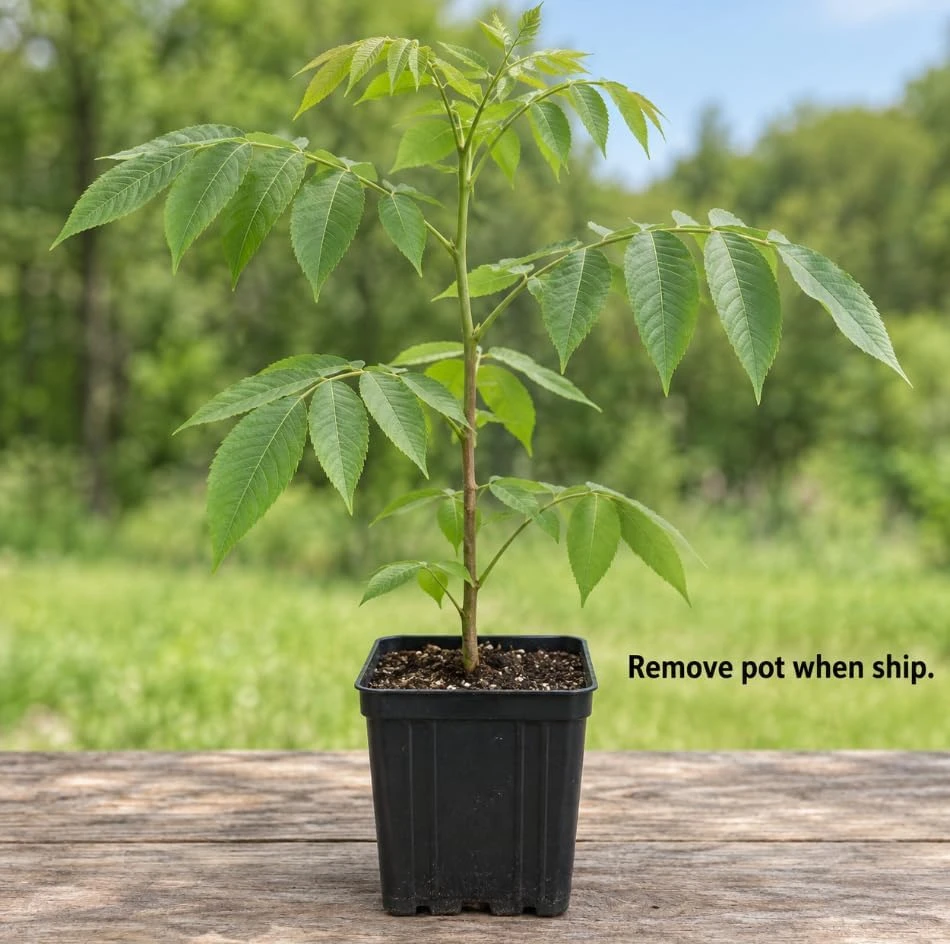
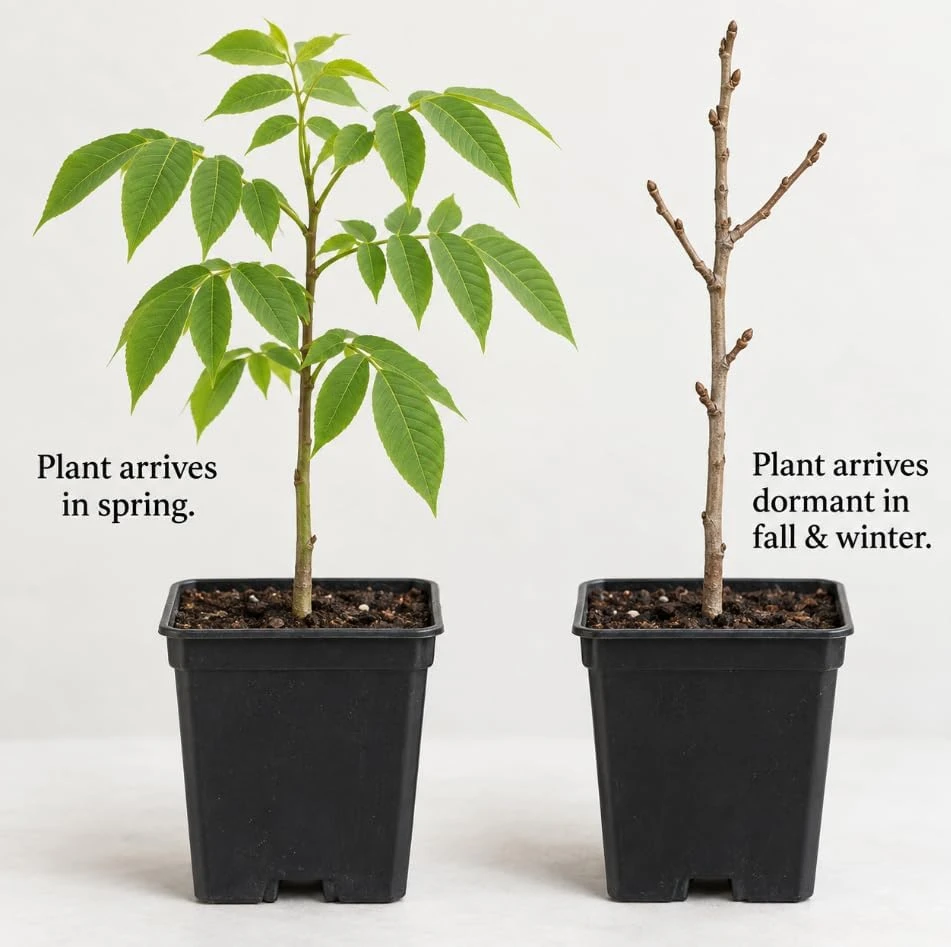
This offering is for one vibrant white walnut live plant, carefully selected for health and vigor. Each plant measures an impressive 12 to 20 inches tall from the base of the root system to the tip of the highest stem, providing a substantial young tree ready for planting. These are typically shipped as well-rooted, young saplings, often in a dormant state during cooler months to ensure safe transit and successful establishment. The robust root system is designed to quickly acclimate to its new environment, giving your tree the best possible start.
n
Upon arrival, your white walnut plant will be ready for immediate planting in its permanent outdoor location. While initial growth will focus on root establishment, you can expect steady growth in subsequent years. White walnuts are medium to large deciduous trees, eventually reaching heights of 40-60 feet with a similar spread, so ensure ample space for mature growth. Nuts typically begin to appear within 5-8 years under optimal growing conditions, offering a rewarding long-term yield for those interested in nut bearing trees.
nn
Frequently Asked Questions
n
- n
- Q: How big does this white walnut plant get? A: This live plant arrives at 12-20 inches tall. As a mature tree, it can reach heights of 40-60 feet with a similar spread, so ensure it has ample space to grow in your landscape.
- Q: Is this an indoor or outdoor plant? A: The white walnut live plant is an outdoor tree. It requires significant space and sunlight to thrive and produce nuts, making it unsuitable for indoor cultivation.
- Q: How much sunlight does it need? A: For optimal growth and nut production, your white walnut tree needs at least 6-8 hours of direct sunlight per day. Full sun exposure is highly recommended for healthy development.
- Q: Is this plant easy to care for? A: Once established, white walnut trees are relatively low-maintenance and hardy. Initial care involves proper planting, consistent watering, and ensuring good drainage. It’s a great choice for those interested in growing white walnuts.
- Q: What condition will it arrive in? A: Your white walnut live plant will arrive as a healthy, well-rooted sapling, typically 12-20 inches tall. During colder months, it may be dormant, which is a natural and healthy state for deciduous trees.
- Q: When is the best time to plant a white walnut tree? A: The best time to plant a white walnut tree is in early spring or fall when temperatures are moderate. This allows the tree to establish its root system before the stress of extreme heat or cold.
- Q: Will it survive winter in my zone? A: White walnut trees are quite hardy and typically thrive in USDA Zones 3-7. If you are within these zones, your tree should survive winter well once established. Young trees may benefit from some winter protection in their first year.
- Q: What kind of soil does it prefer? A: White walnuts prefer well-drained, loamy, fertile soil with a neutral to slightly acidic pH. Avoid heavy clay soils that retain too much water, as this can lead to root rot.
- Q: How long until it produces nuts? A: Under ideal growing conditions, you can typically expect your white walnut live plant to start producing nuts within 5-8 years after planting.
- Q: What is the benefit of growing white walnuts? A: Growing white walnuts provides delicious, nutritious nuts for consumption, enhances your landscape with a beautiful shade tree, and contributes to local wildlife support, making them excellent nut bearing trees.
n
n
n
n
n
n
n
n
n
n
“, “key_features”: { “usda_zone”: “USDA Zones 3-7”, “soil_type”: “Well-draining, loamy, fertile soil”, “sunlight_exposure”: “Full sun (6-8 hours direct sunlight)”, “expected_planting_period”: “Early spring or fall” } } “`
Be the first to review “White Walnut Trees Live Plants Nut-Bearing Live Plant 12-20 Inc Tall”
Related products


You May Like

How to Grow Passion Flower (Passiflora) for Tropical Blooms
Few climbing vines in the home garden command attention quite like the exotic Passion Flower (Passiflora). [...]
Nov

Thanksgiving Cactus Care: How to Get Thanksgiving Cactus to Bloom
Is your Thanksgiving cactus growing well but not giving you any flowers? Maybe it looked [...]
Nov

How to Grow Garlic for a Bountiful Home Harvest
Garlic (Allium sativum) is one of the most satisfying, low-maintenance, and flavor-packed crops you can [...]
Oct

Hardneck vs. Softneck Garlic: Which Should You Grow?
Have you ever stood in front of a seed catalog in mid-September, staring at dozens [...]
1 Comment
Oct

When to Plant Music Garlic: Ultimate US Fall Guide
Have you ever spent your fall weekend placing carefully chosen garlic cloves into rich, dark [...]
1 Comment
Oct

5 Best Bulbs for Fall Planting: Brighten Your Garden This Spring
Are you dreaming of a garden full of vibrant colors in the spring? The key [...]
Aug

10 Houseplants That Will Thrive in Your Kitchen
Are you tired of your kitchen feeling dull and lifeless? Want to add a little [...]
1 Comment
Aug
Reviews
There are no reviews yet.