
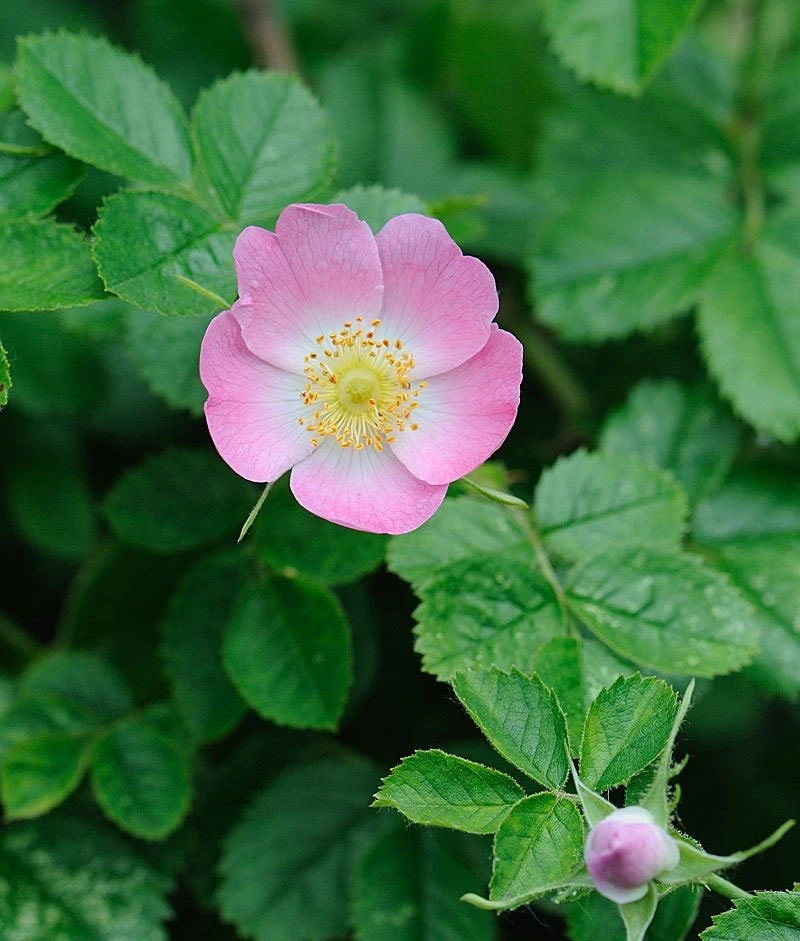
Wild Rose Seeds – Common Sweet Briar Rosa rubiginosa – 20 Seeds
Original price was: 48.91 $.19.91 $Current price is: 19.91 $.
Cultivate the beautiful and versatile wild rose seeds (Rosa rubiginosa) in your garden. These sweet briar seeds produce fragrant flowers and delicious, edible rose hips, perfect for culinary uses. Hardy in USDA Zones 4-11, they are ideal for naturalized areas or ornamental planting.
Estimated arrival
Nov 27
Dec 02 - Dec 04
Dec 04 - Dec 09
See our Shipping Policy.
Get in touch with us via email, and our team will review your concerns.
Our Alive & Thrive Guarantee covers issues with your plants within the first 30 days. Read our Refund & Returns Policy.
-
USDA Hardiness Zone
4 to 11 -
Soil Type
Well-draining loamy or sandy soil -
Sunlight Exposure
Full sun to partial shade -
Expected Planting Period
Spring after cold stratification
Overview
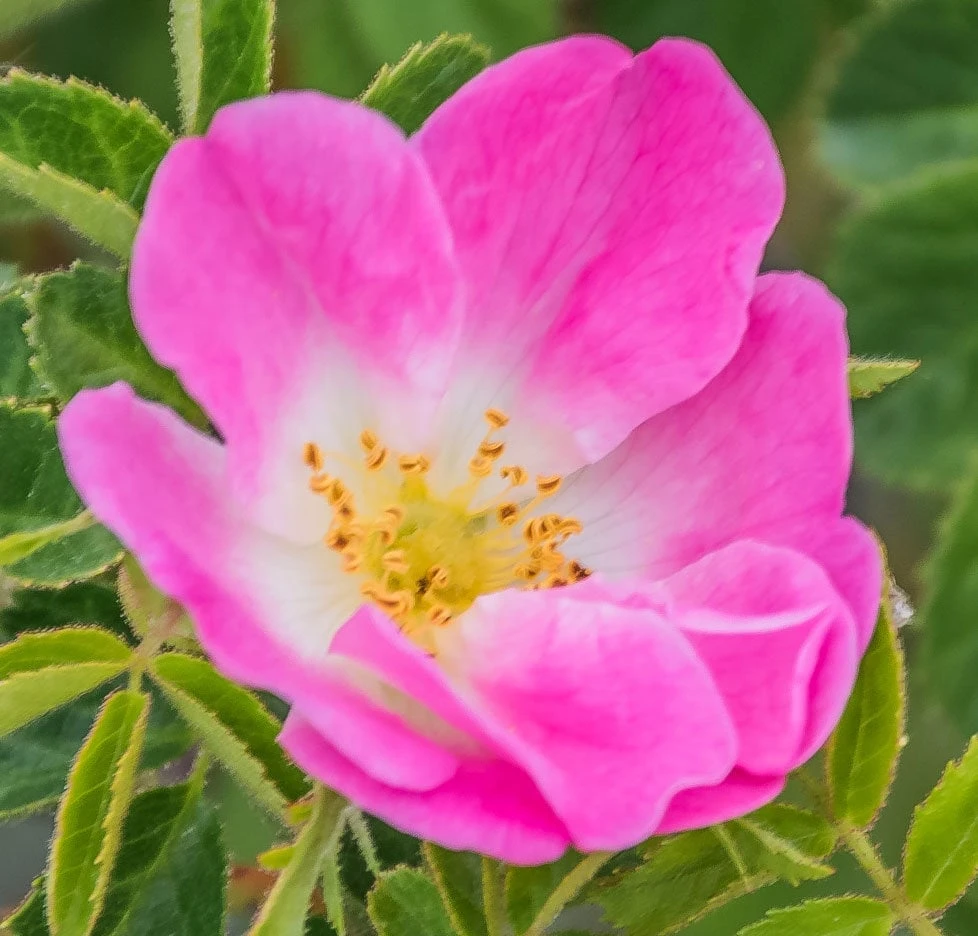
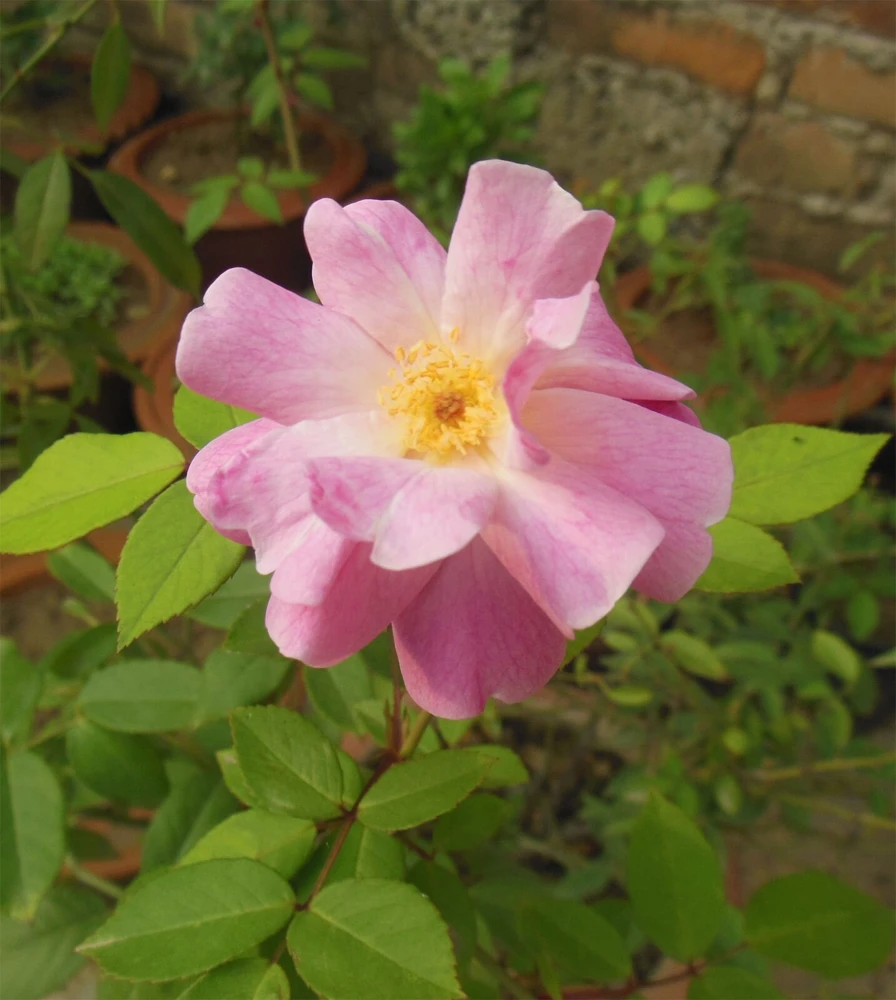
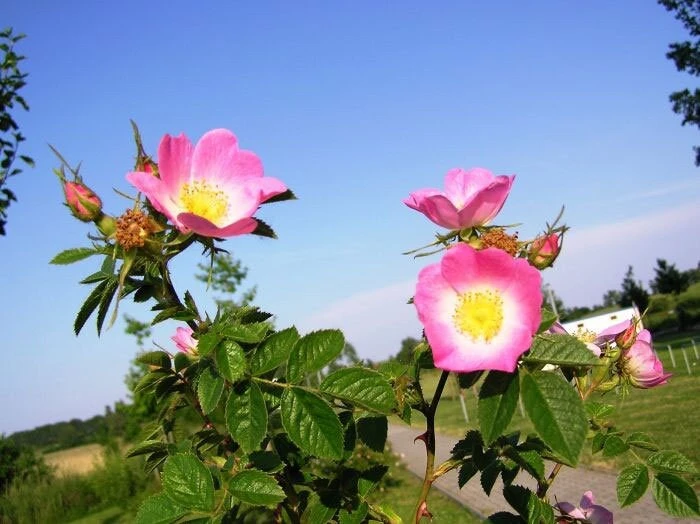
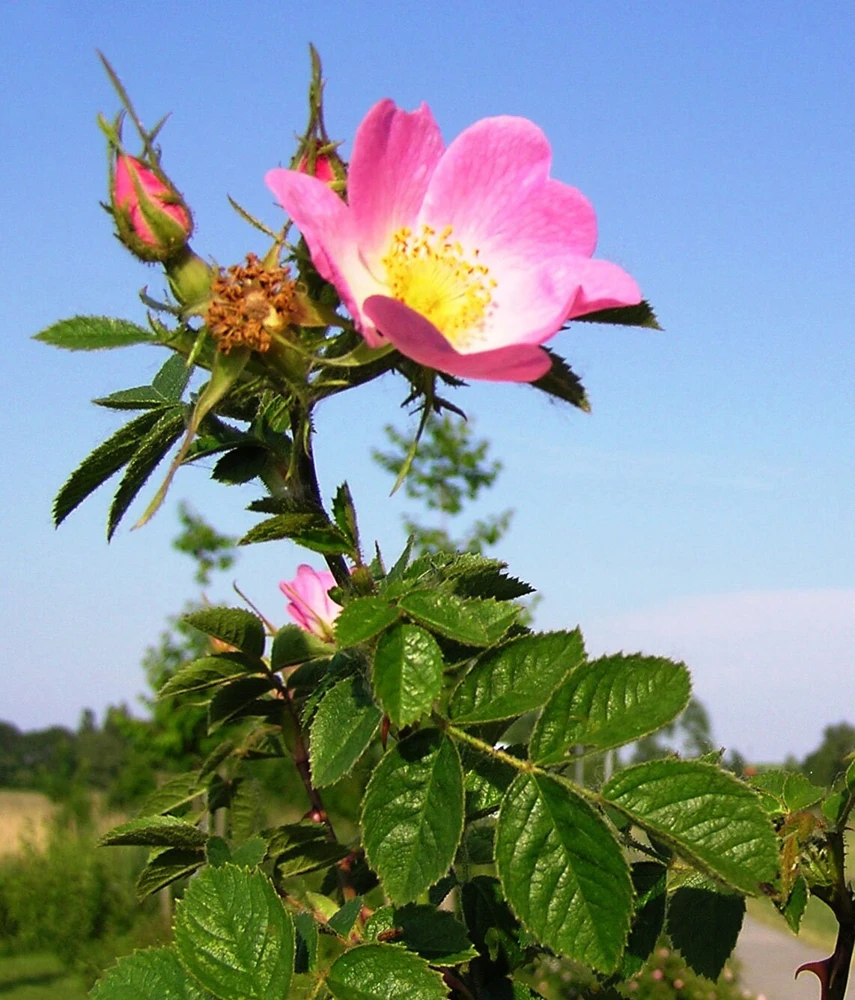
Embark on a rewarding gardening journey by cultivating your own wild rose seeds. This offering includes 20 seeds of Rosa rubiginosa, commonly known as Wild Rose, Common Sweet Briar, or Double White Hip. Known for its charming single pink flowers and distinctive apple-scented foliage, the Wild Rose is a beloved addition to any garden, providing both visual appeal and practical benefits. These seeds allow you to grow a robust and beautiful plant that thrives in various conditions, making it an excellent choice for gardeners looking for both beauty and utility. The fruit, known as rose hips, develops after the flowers fade and is highly prized for its culinary uses, especially after the first frost, enhancing its sweetness.
The Rosa rubiginosa is not only a delight for humans but also a vital part of the ecosystem. It serves as a larval host plant for several butterfly species, including the Columbia silkmoth, Western sheepmoth, Grizzled Skipper, Coral Hairstreak, and the Two-banded Checkered-Skipper. Additionally, its foliage and hips are a food source for the Baltimore Checkerspot and Appalachian Tiger Swallowtail butterflies, contributing significantly to local biodiversity. Growing these sweet briar seeds helps support these important pollinators and insects, fostering a healthier garden environment.
Key Benefits
Growing the Wild Rose from seed offers numerous advantages, from enhancing your garden’s aesthetics to providing valuable resources for wildlife and culinary delights. These versatile plants are easy to establish and provide long-lasting beauty and utility.
- Fragrant Blooms and Foliage: Enjoy the delicate pink flowers and distinctive apple-scented leaves that make the Wild Rose a sensory delight in any garden. The fragrance is particularly noticeable after a rain shower or when brushed against.
- Edible Rose Hips: Harvest the nutrient-rich rose hips, which are perfect for making delicious jams, jellies, teas, and even confectionary desserts. These hips are sweetest after the first frost, offering a unique seasonal treat. Learning how to grow wild rose provides access to this delightful ingredient.
- Pollinator and Wildlife Support: As a larval host for several butterfly species and a food source for others, the Wild Rose plays a crucial role in supporting local biodiversity and creating a thriving ecosystem in your garden. This makes your garden a haven for beneficial insects.
- Hardy and Resilient: Suitable for USDA Hardiness Zones 4 to 11, this plant is incredibly adaptable and can withstand a wide range of climates, making it a reliable choice for many gardeners. Its resilience ensures consistent growth and blooms.
- Naturalized Beauty: Ideal for hedges, borders, or naturalized areas, the Wild Rose adds a touch of rustic charm and elegance to your landscape, blending seamlessly with other native plants. It requires minimal intervention once established.
- Low Maintenance: Once established, Rosa rubiginosa requires relatively little care, making it an excellent option for gardeners seeking a beautiful yet undemanding plant. This allows more time to enjoy its beauty rather than constant upkeep.
- Sustainable Gardening: By planting Rosa rubiginosa seeds, you are contributing to sustainable practices, growing plants that are well-suited to their environment and provide ecological benefits.
Plant Care & Growing Tips
Successfully growing Wild Rose from wild rose seeds requires attention to a few key factors, primarily focusing on proper stratification and suitable growing conditions. Stratification is crucial for these seeds, mimicking natural winter conditions to break dormancy. Begin by cold stratifying the seeds for 60-90 days. You can achieve this by placing the seeds in a moist medium (like sand or peat moss) in a sealed bag and refrigerating them. After stratification, plant the seeds about 1/4 inch deep in a well-draining seed starting mix. Germination can be erratic, so be patient.
Once seedlings emerge, provide them with ample sunlight. Wild Rose thrives in full sun, meaning at least 6-8 hours of direct sunlight per day. While it can tolerate partial shade, flowering and fruiting will be more prolific in sunnier locations. Ensure the soil is well-draining; these plants do not like soggy roots. A loamy or sandy soil enriched with organic matter is ideal. Water regularly during the first growing season to help establish a strong root system, but once established, Rosa rubiginosa is quite drought-tolerant. Minimal fertilization is usually needed, perhaps a balanced slow-release fertilizer in early spring if your soil is poor. Pruning can be done in late winter or early spring to remove dead or weak branches and to shape the plant. The USDA Hardiness Zones for this plant range from 4 to 11, indicating its wide adaptability to various climates. Understanding how to grow wild rose effectively means providing these basic, yet essential, conditions.
Size & Details
This offering includes 20 Wild Rose seeds, providing a generous quantity to start your garden. Once established, Rosa rubiginosa typically grows to a height of 6-8 feet and can spread equally wide, forming a dense shrub. Its growth rate is moderate, allowing it to establish itself well within a few seasons. The flowers typically appear in late spring to early summer, followed by the development of rose hips in late summer and fall. These seeds are shipped in a protective packet, ensuring their viability upon arrival. Expect the first blooms and hips within 2-3 years after planting, with more abundant yields as the plant matures. These Rosa rubiginosa seeds are an excellent investment for long-term garden beauty and utility.
Frequently Asked Questions
- Q: How big does this plant get? A: The Wild Rose (Rosa rubiginosa) typically grows to a height of 6-8 feet and can spread equally wide, forming a substantial shrub. Its size makes it suitable for hedges or naturalized areas.
- Q: What is the best way to germinate these wild rose seeds? A: These seeds require cold stratification for 60-90 days before planting. Place them in a moist medium in the refrigerator to mimic winter conditions, then plant in a well-draining seed-starting mix.
- Q: Is this an indoor or outdoor plant? A: The Wild Rose is primarily an outdoor plant, thriving in garden settings, hedges, and naturalized areas. It requires outdoor conditions for optimal growth and flowering.
- Q: How much sunlight does it need? A: For best results, Rosa rubiginosa prefers full sun, meaning at least 6-8 hours of direct sunlight daily. It can tolerate partial shade, but flowering and fruiting may be reduced.
- Q: Is this plant easy to care for? A: Once established, the Wild Rose is relatively low maintenance and quite hardy. It’s an excellent choice for gardeners looking for a beautiful and resilient plant that doesn’t demand constant attention.
- Q: What condition will the sweet briar seeds arrive in? A: The seeds will arrive in a protective packet, ensuring they are well-preserved and viable for planting upon receipt. Instructions for stratification and planting will be included.
- Q: Can I use the rose hips from these plants for cooking? A: Yes, the rose hips from Rosa rubiginosa are edible and highly prized for culinary uses. They are excellent for making jams, jellies, teas, and can be used in various desserts, especially after the first frost.
- Q: How long until the plant blooms and produces hips? A: You can typically expect the first blooms and rose hips within 2-3 years after planting the Rosa rubiginosa seeds, with production increasing as the plant matures.
- Q: Will it survive winter in my zone? A: The Wild Rose is very hardy and suitable for USDA Hardiness Zones 4 to 11, meaning it can withstand cold winters in most temperate regions.
- Q: What’s the minimum temperature it can tolerate? A: Being hardy in USDA Zone 4, it can generally tolerate winter temperatures down to -30°F to -20°F (-34°C to -29°C) once established.
Be the first to review “Wild Rose Seeds – Common Sweet Briar Rosa rubiginosa – 20 Seeds”
Related products




You May Like

How to Grow Passion Flower (Passiflora) for Tropical Blooms
Few climbing vines in the home garden command attention quite like the exotic Passion Flower (Passiflora). [...]
Nov

Thanksgiving Cactus Care: How to Get Thanksgiving Cactus to Bloom
Is your Thanksgiving cactus growing well but not giving you any flowers? Maybe it looked [...]
Nov

How to Grow Garlic for a Bountiful Home Harvest
Garlic (Allium sativum) is one of the most satisfying, low-maintenance, and flavor-packed crops you can [...]
Oct

Hardneck vs. Softneck Garlic: Which Should You Grow?
Have you ever stood in front of a seed catalog in mid-September, staring at dozens [...]
1 Comment
Oct

When to Plant Music Garlic: Ultimate US Fall Guide
Have you ever spent your fall weekend placing carefully chosen garlic cloves into rich, dark [...]
1 Comment
Oct

5 Best Bulbs for Fall Planting: Brighten Your Garden This Spring
Are you dreaming of a garden full of vibrant colors in the spring? The key [...]
Aug

10 Houseplants That Will Thrive in Your Kitchen
Are you tired of your kitchen feeling dull and lifeless? Want to add a little [...]
1 Comment
Aug
Reviews
There are no reviews yet.