
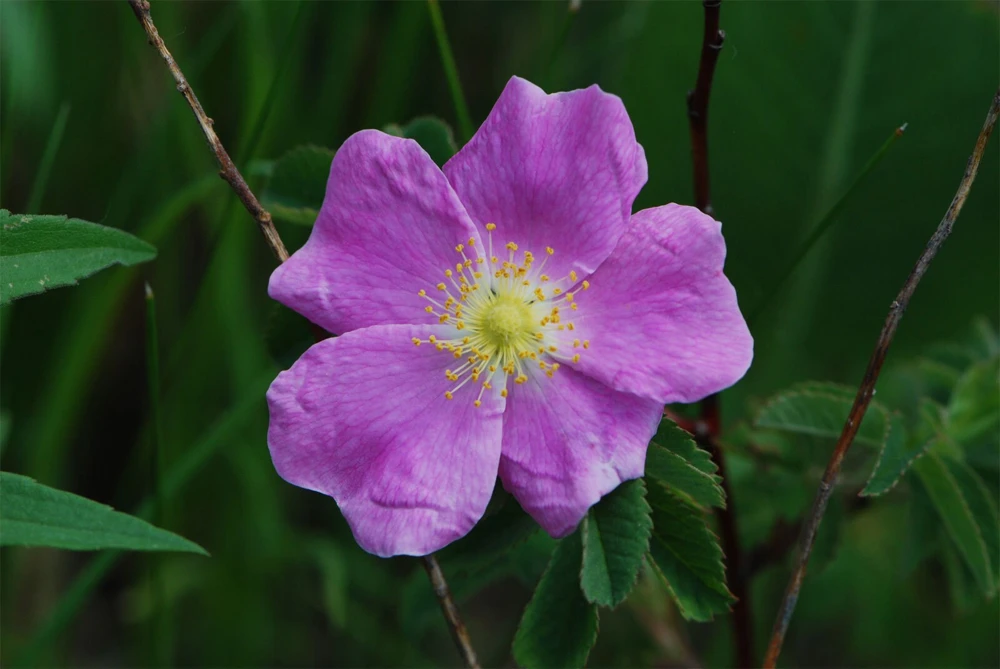
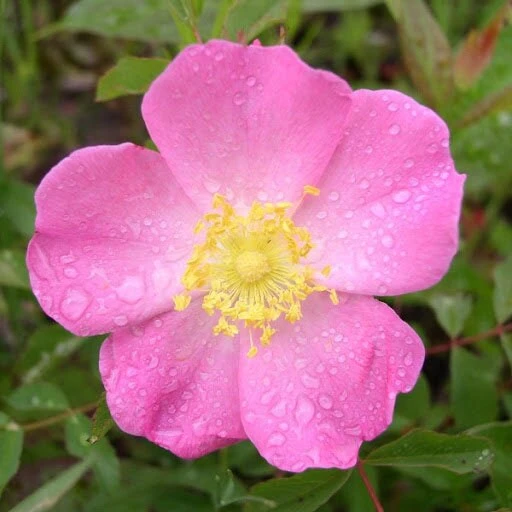
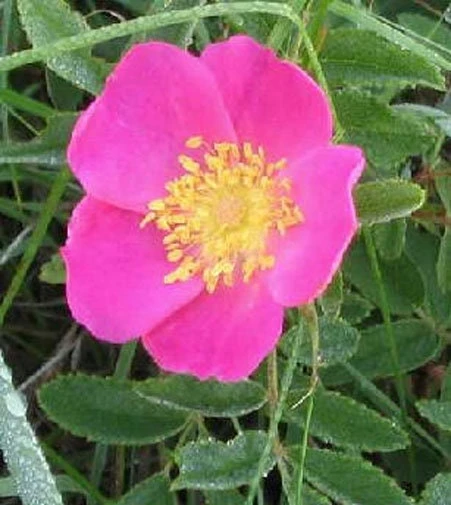
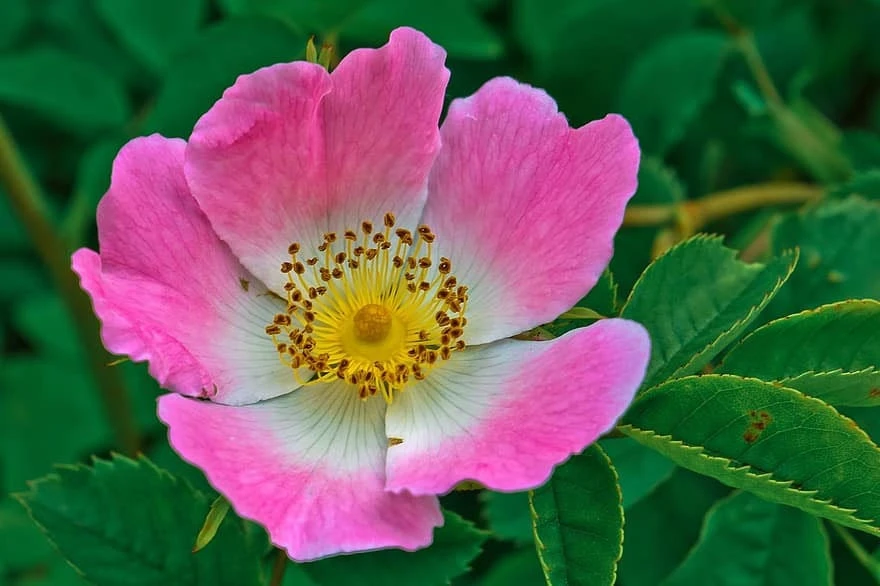
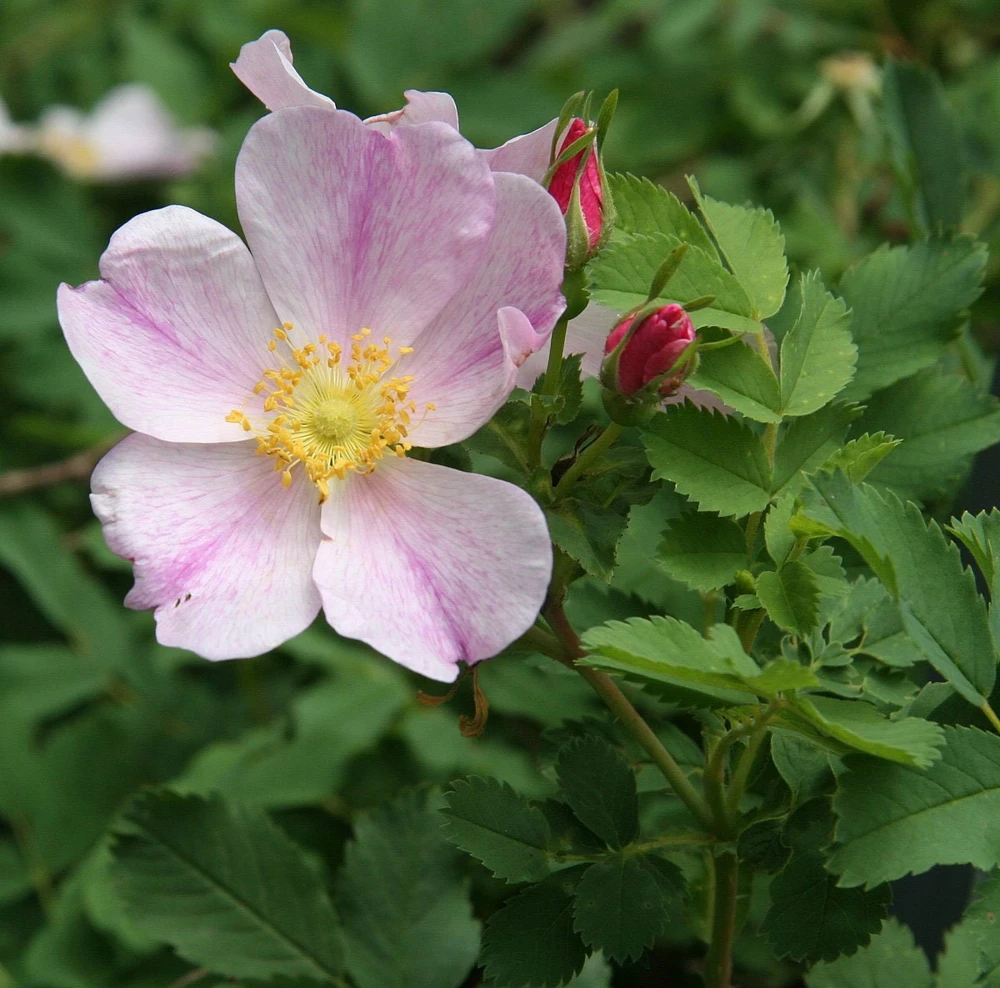
Wild Rose Seeds – Rosa arkansana Arkansas Prairie Rose Seeds – 20 Seeds
Original price was: 48.91 $.19.91 $Current price is: 19.91 $.
Cultivate the charming wild rose seeds (Rosa arkansana) to grow fragrant, ornamental plants. These prairie wild rose seeds are perfect for attracting birds, bees, and butterflies to your garden. Enjoy beautiful blossoms from mid-spring to early summer with these easy-to-grow seeds.
Estimated arrival
Nov 27
Dec 02 - Dec 04
Dec 04 - Dec 09
See our Shipping Policy.
Get in touch with us via email, and our team will review your concerns.
Our Alive & Thrive Guarantee covers issues with your plants within the first 30 days. Read our Refund & Returns Policy.
-
USDA Hardiness Zone
USDA Hardiness Zones 4 to 11 -
Soil Type
Well-draining soil -
Sunlight Exposure
Full sun -
Expected Planting Period
Early spring after stratification
Overview
Embark on a delightful gardening journey with our premium wild rose seeds, specifically the exquisite Rosa arkansana. Also known as the Arkansas rose plant or Prairie Wild Rose, this species offers a touch of untamed beauty to any landscape. These seeds will grow into resilient, fragrant ornamental plants, reaching a couple of feet in height. Perfect for gardeners looking to introduce native flora, these roses provide a stunning display of blossoms from mid-spring through early summer. Beyond their visual appeal, these plants are ecological powerhouses, serving as vital resources for local wildlife and contributing to a biodiverse garden ecosystem.
The wild rose seeds we offer are collected from robust plants, ensuring high viability and genetic integrity. Rosa arkansana is a hardy species, well-suited for a wide range of climates, making it an excellent choice for many American gardens. Its adaptability and natural charm make it a valuable addition for both experienced horticulturists and novice gardeners alike. Cultivating these roses from seed allows you to witness the full life cycle of a truly magnificent plant, fostering a deeper connection with nature right in your own backyard.
Key Benefits
Growing wild rose seeds provides a multitude of benefits, transforming your garden into a vibrant, fragrant haven. These plants are not only beautiful but also highly functional, offering ecological advantages and versatile uses. Here are some of the key benefits you can expect:
- Stunning Ornamental Value: The fragrant blossoms of the Arkansas rose plant provide a beautiful visual and aromatic display from mid-spring to early summer, enhancing the aesthetic appeal of your garden. Its simple yet elegant flowers are a classic symbol of natural beauty.
- Attracts Pollinators and Wildlife: These roses are a magnet for various beneficial insects, including bees and butterflies, playing a crucial role in supporting local ecosystems. They also attract a wide variety of birds, adding life and sound to your outdoor space.
- Larval Host Plant:Rosa arkansana serves as a vital larval host plant for several moth and butterfly species, including the Columbia silkmoth, Western sheepmoth, Grizzled Skipper, Coral Hairstreak, and Two-banded Checkered-Skipper butterflies. This makes them essential for supporting local insect populations.
- Edible and Medicinal Uses: The fruit (rose hips) can be used to make delicious teas, jellies, and jams, or eaten raw or cooked. Tea can also be made from the leaves, bark, roots, and shoots, offering traditional herbal benefits.
- Versatile Garden Addition: As a prairie wild rose, it thrives in various settings, from naturalized areas to more formal garden beds, providing flexibility in landscape design. Its ability to grow up to a couple of feet high makes it suitable for hedges or borders.
- Low Maintenance and Hardy: Once established, these wild roses are relatively low-maintenance, requiring minimal care. They are known for their hardiness, thriving in USDA Hardiness Zones 4 to 11, making them suitable for many climates.
- Natural Perfume and Hair Oil: The petals can be used to create natural perfumes or infused into oils for hair care, offering a unique, traditional application for this versatile plant.
Plant Care & Growing Tips
Cultivating wild rose seeds into thriving plants is a rewarding experience with the right care. These resilient plants, including the Arkansas rose plant, are relatively unfussy once established, but a good start is key. For germination, cold stratification is often beneficial for Rosa arkansana seeds. Place the seeds in a moist medium (like sand or peat moss) in a sealed bag in the refrigerator for 60-90 days before planting. This mimics winter conditions and encourages germination. Sow the stratified seeds in well-draining soil, either directly outdoors in early spring or indoors in seed-starting trays. Plant them about 1/4 inch deep and keep the soil consistently moist until germination occurs, which can take several weeks.
Once your prairie wild rose seedlings emerge, they will require adequate sunlight. These roses thrive in full sun, meaning at least 6-8 hours of direct sunlight per day. While they can tolerate partial shade, abundant sun will lead to more prolific blooming. Water regularly during dry periods, especially during the first year of growth, to help establish a strong root system. Mature plants are quite drought-tolerant. They prefer well-draining soil and can adapt to various soil types, from sandy to clay, as long as drainage is good. Avoid overly wet conditions, as this can lead to root rot. Fertilization is generally not heavily required for wild roses; a light application of a balanced organic fertilizer in spring can be beneficial but is often unnecessary in fertile soils.
The wild rose seeds will grow into plants hardy across a wide range of climates, specifically USDA Hardiness Zones 4 to 11. This broad adaptability means they can withstand cold winters and hot summers in many regions. Pruning is minimal; simply remove any dead or diseased branches, or prune to maintain a desired shape after the blooming period. Keep an eye out for common rose pests like aphids, though wild roses tend to be more resistant than cultivated varieties. With proper care, your wild roses will flourish, providing beauty and ecological benefits for years to come.
Size & Details
These wild rose seeds will mature into a plant that typically grows to a height of a couple of feet, creating a dense and attractive shrub. The spread can be similar, forming a rounded bush. The growth rate is moderate, with plants establishing well within their first year and reaching mature size in a few seasons. Each packet contains 20 seeds of Rosa arkansana, providing a generous quantity to start your garden project. The seeds are suitable for direct sowing outdoors or starting indoors for transplanting. Expect blossoms from mid-spring until early summer, with rose hips developing later in the season. These plants are known for their hardiness and will thrive in a wide range of conditions once established.
When you plant these prairie wild rose seeds, you’re investing in a plant that offers long-term beauty and ecological value. The mature plants are robust and can tolerate various environmental conditions, making them a reliable choice for sustainable gardening. The development of rose hips after flowering adds further interest and provides a food source for wildlife, extending the plant’s seasonal appeal. Growing from seed offers the satisfaction of nurturing a plant from its very beginning, ensuring a strong and healthy specimen.
Frequently Asked Questions
- Q: How big does this wild rose plant get? A: The wild rose seeds typically grow into plants that reach a height of a couple of feet, with a similar spread. They form a compact, rounded shrub that is well-suited for various garden settings.
- Q: Is this an indoor or outdoor plant? A: Rosa arkansana, the Arkansas rose plant, is primarily an outdoor plant. It thrives in full sun conditions in garden beds, naturalized areas, or as part of a native plant landscape.
- Q: How much sunlight does it need? A: This prairie wild rose requires full sun exposure, meaning at least 6-8 hours of direct sunlight per day, for optimal growth and abundant flowering. It can tolerate partial shade but may produce fewer blooms.
- Q: Is this plant easy to care for? A: Yes, once established, these wild roses are considered low-maintenance. They are hardy and adaptable, making them a good choice for gardeners of all experience levels. Basic care involves proper watering during establishment and minimal pruning.
- Q: What condition will the seeds arrive in? A: The wild rose seeds will arrive as dried seeds, ready for stratification and planting. They are packaged to ensure their viability and protection during transit.
- Q: Can I use the fruit of the wild rose? A: Absolutely! The fruit, known as rose hips, can be used to make delicious teas, jellies, and jams. They can also be eaten raw or cooked, offering a nutritious and flavorful addition to your diet.
- Q: When is the best time to plant these wild rose seeds? A: After cold stratification, the best time to plant the Rosa arkansana seeds is in early spring, either directly outdoors or indoors for later transplanting. This allows them to establish before the heat of summer.
- Q: Will it survive winter in my zone? A: Yes, this wild rose is incredibly hardy, thriving in USDA Hardiness Zones 4 to 11. It is well-adapted to survive cold winters in most of these zones, making it a robust choice for many regions.
- Q: Are these ornamental rose seeds native to North America? A: Yes, Rosa arkansana is native to the central plains of North America, making it an excellent choice for native plant gardens and supporting local biodiversity.
- Q: Do I need to stratify the seeds before planting? A: Yes, cold stratification is highly recommended for these wild rose seeds to break dormancy and improve germination rates. Typically, 60-90 days in a cold, moist environment is sufficient.
Be the first to review “Wild Rose Seeds – Rosa arkansana Arkansas Prairie Rose Seeds – 20 Seeds”
Related products


You May Like

How to Grow Passion Flower (Passiflora) for Tropical Blooms
Few climbing vines in the home garden command attention quite like the exotic Passion Flower (Passiflora). [...]
Nov

Thanksgiving Cactus Care: How to Get Thanksgiving Cactus to Bloom
Is your Thanksgiving cactus growing well but not giving you any flowers? Maybe it looked [...]
Nov

How to Grow Garlic for a Bountiful Home Harvest
Garlic (Allium sativum) is one of the most satisfying, low-maintenance, and flavor-packed crops you can [...]
Oct

Hardneck vs. Softneck Garlic: Which Should You Grow?
Have you ever stood in front of a seed catalog in mid-September, staring at dozens [...]
1 Comment
Oct

When to Plant Music Garlic: Ultimate US Fall Guide
Have you ever spent your fall weekend placing carefully chosen garlic cloves into rich, dark [...]
1 Comment
Oct

5 Best Bulbs for Fall Planting: Brighten Your Garden This Spring
Are you dreaming of a garden full of vibrant colors in the spring? The key [...]
Aug

10 Houseplants That Will Thrive in Your Kitchen
Are you tired of your kitchen feeling dull and lifeless? Want to add a little [...]
1 Comment
Aug
Reviews
There are no reviews yet.