
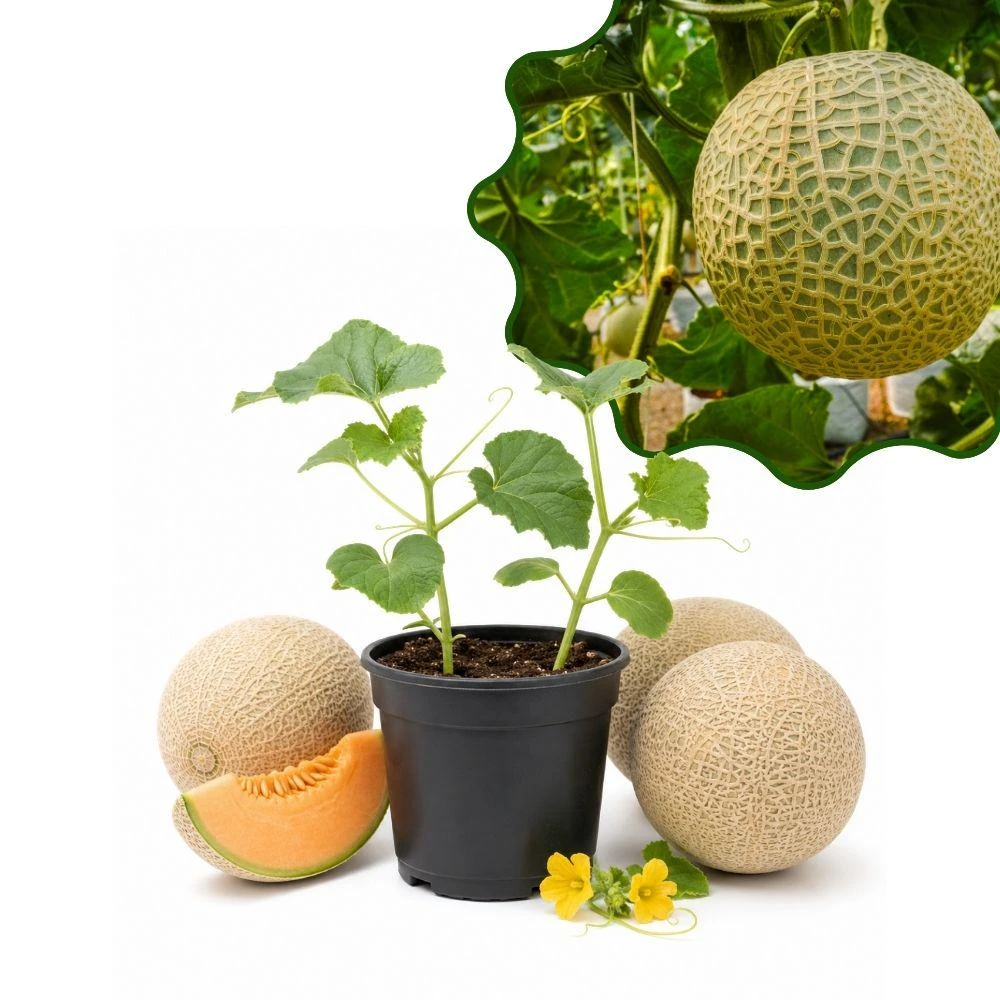
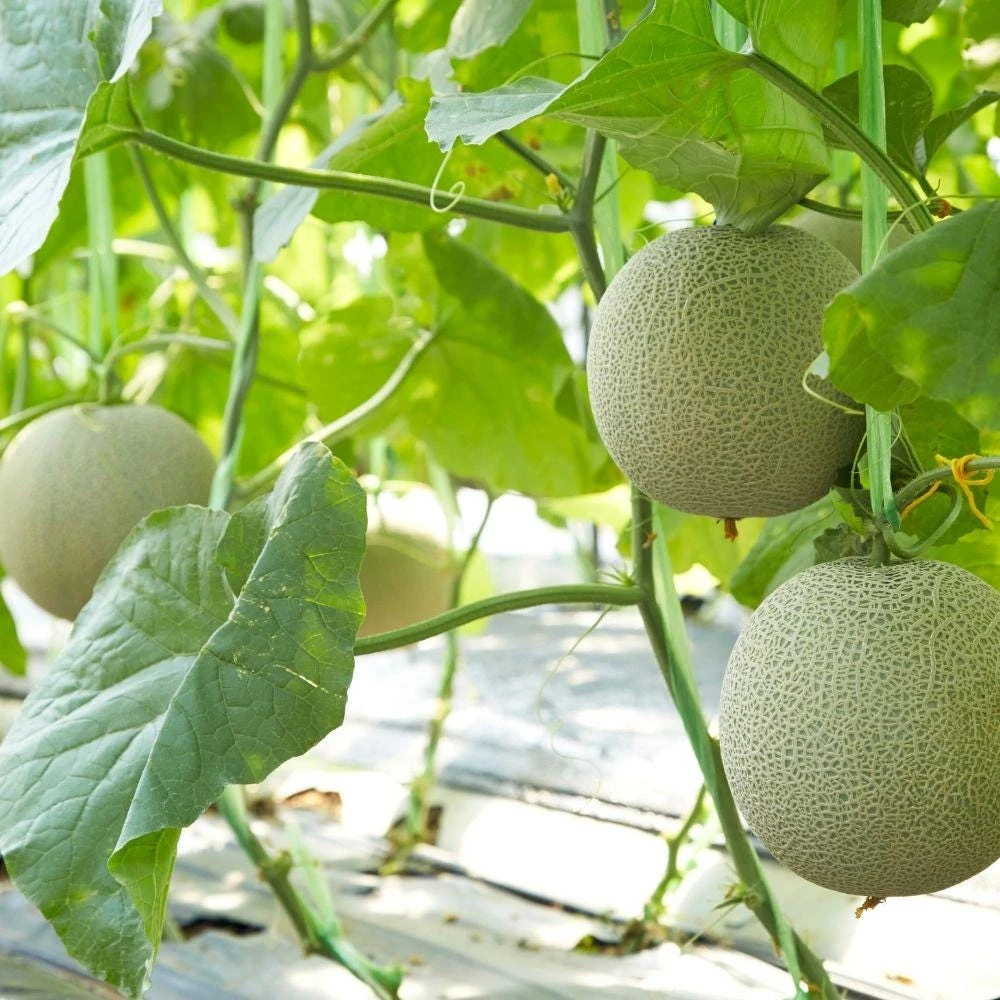
Yellow Cantaloupe Live Seedlings – 2 Plants, 4 Inch Pot, Starter Melon Plants
Original price was: 59.99 $.28.99 $Current price is: 28.99 $.
Start your home garden with yellow cantaloupe live seedlings. Each 4-inch nursery pot contains two healthy starter plants, ready for transplanting. Enjoy fresh, sweet melons grown right in your backyard or large containers.
Estimated arrival
Oct 16
Oct 21 - Oct 23
Oct 23 - Oct 28
See our Shipping Policy.
Get in touch with us via email, and our team will review your concerns.
Our Alive & Thrive Guarantee covers issues with your plants within the first 30 days. Read our Refund & Returns Policy.
-
USDA Hardiness Zone
USDA zones 4-11 (as an annual) -
Soil Type
Fertile, well-draining soil -
Sunlight Exposure
Full sun -
Expected Planting Period
Spring to early summer
Overview
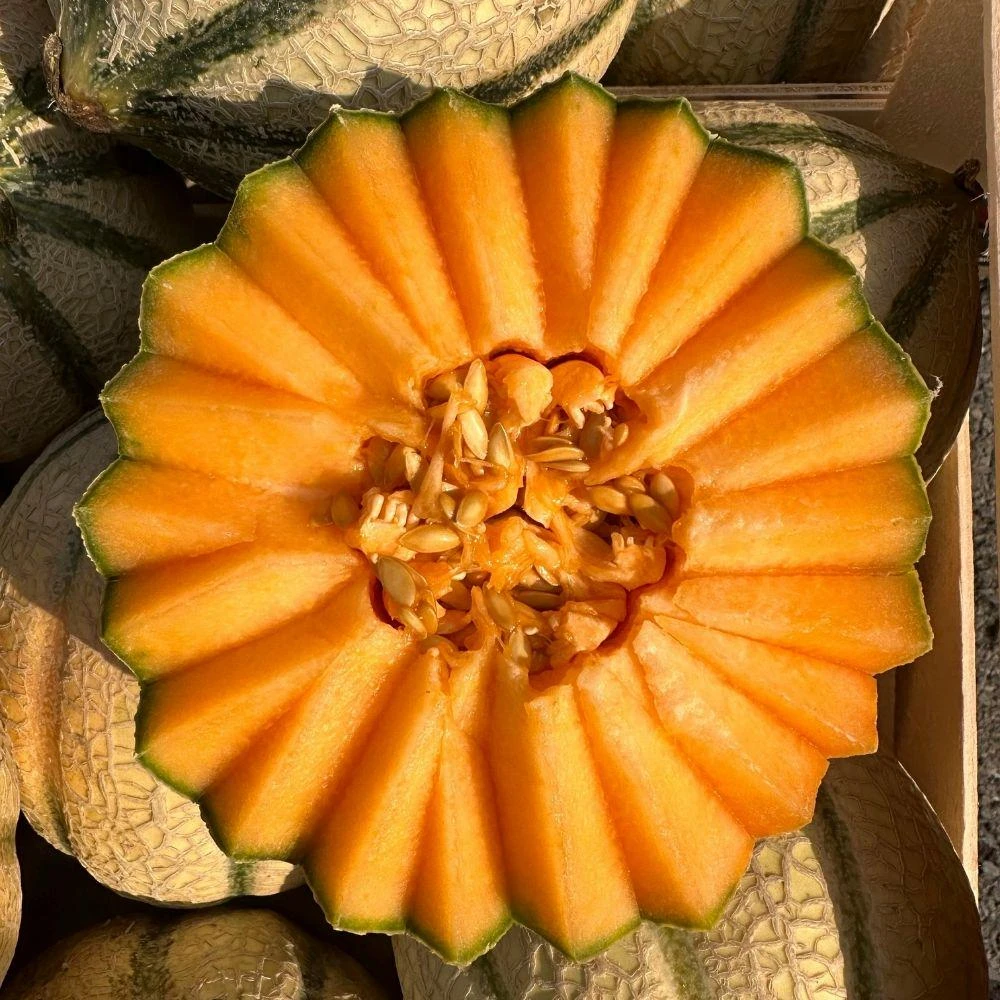
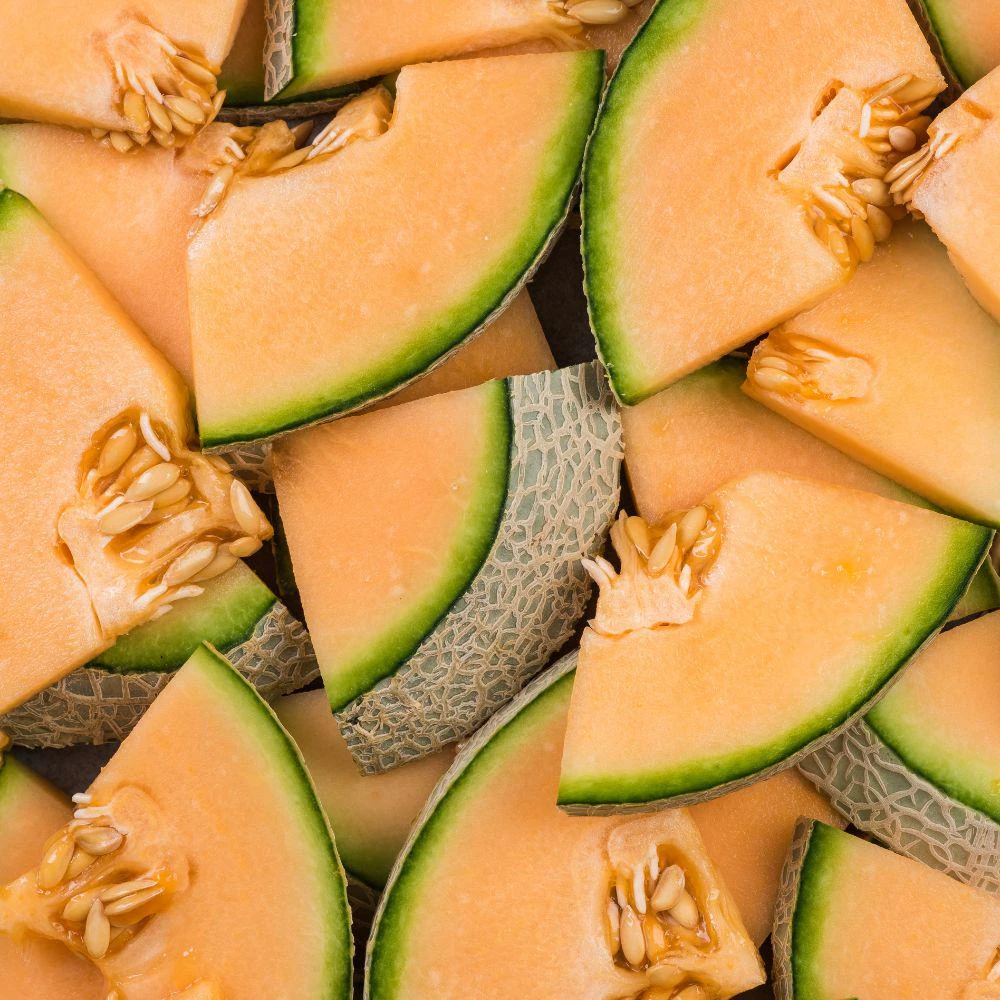
Embark on a delightful gardening journey with our yellow cantaloupe live seedlings. This offering provides two vigorous starter plants, carefully cultivated in a 4-inch nursery pot, ensuring they are robust and ready for transplanting into your garden. The yellow cantaloupe live seedlings are a fantastic choice for home gardeners eager to cultivate their own sweet and juicy melons. Known botanically as Cucumis melo, the yellow cantaloupe variety is celebrated for its delectable flavor and vibrant color. These plants will quickly establish themselves, allowing you to enjoy a bountiful harvest of sun-ripened fruit. Our starter plants eliminate the initial germination challenges, giving you a head start on the growing season and increasing your chances of success. Whether you’re an experienced gardener or just beginning, these seedlings make growing your own cantaloupe a rewarding experience.
Cultivating yellow cantaloupe live seedlings not only provides fresh produce but also adds a touch of natural beauty to your garden space. These annual fruiting vines are designed to thrive in various settings, from traditional garden beds to raised beds and even spacious containers on your patio. The ease of transplanting these established starter plants means less waiting and more growing. Prepare to savor the unique sweetness and refreshing texture of homegrown yellow cantaloupe, a true summer delight. With proper care, these plants will produce abundant fruit, making your gardening efforts truly worthwhile.
Key Benefits
Our yellow cantaloupe live seedlings offer numerous advantages for the home gardener, ensuring a successful and enjoyable growing experience.
- Early Harvest Potential: By starting with live seedlings, you bypass the germination phase, leading to an earlier harvest of sweet, ripe yellow cantaloupe compared to growing from seed.
- Increased Success Rate: Established starter plants are more resilient to common gardening challenges, significantly improving your chances of a successful crop.
- Superior Flavor and Nutrition: Homegrown yellow cantaloupe often boasts a richer, fresher flavor profile and higher nutritional content than store-bought varieties.
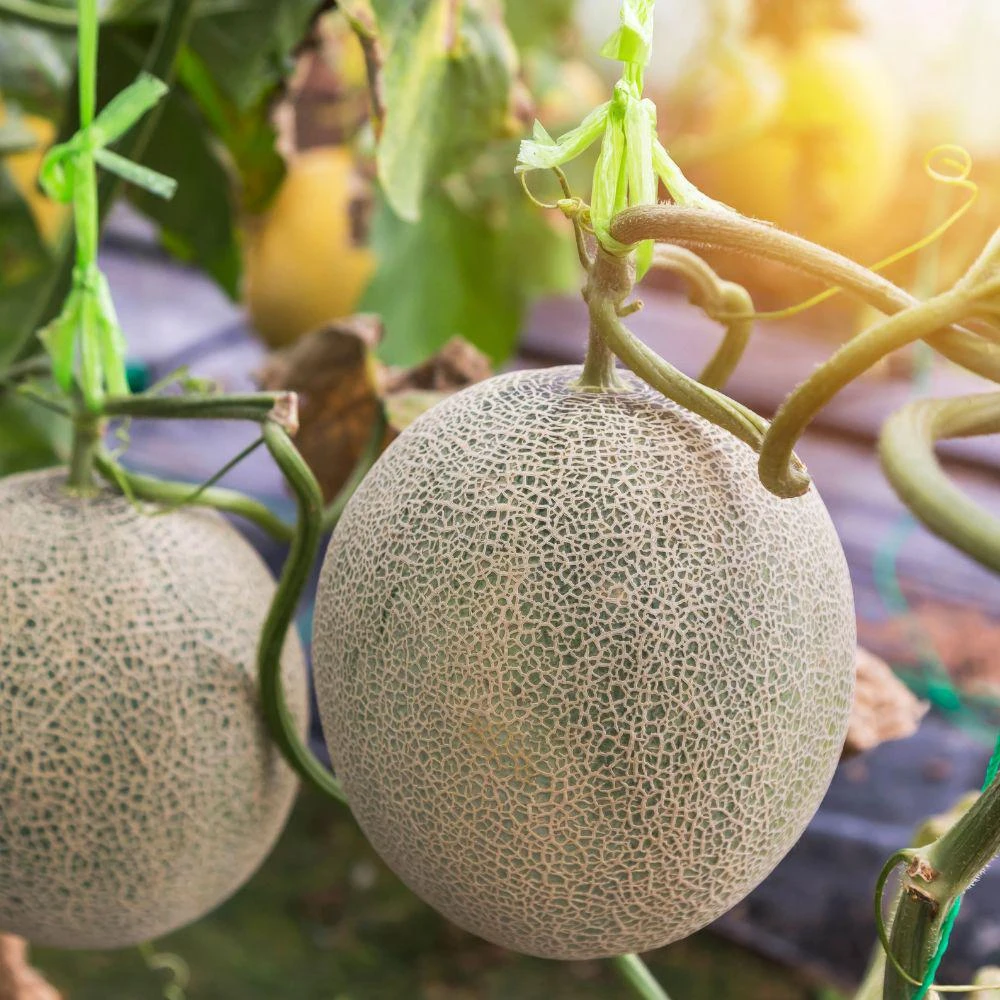
- Space-Efficient Growth: These vines can be trained to grow vertically, making them suitable for gardens of all sizes, including smaller plots and large containers, helping you maximize your growing space.
- Engaging Gardening Experience: Watching your yellow cantaloupe starter plants mature and produce fruit is a deeply satisfying and educational experience for gardeners of all ages.
- Versatile Planting Options: Ideal for garden beds, raised beds, or spacious pots, offering flexibility in how and where you grow your delicious melons.
- Reliable Variety: This well-known cantaloupe variety is appreciated for its consistent performance and delicious fruit, making it a reliable choice for your garden.
Plant Care & Growing Tips
Successful cultivation of your yellow cantaloupe live seedlings begins with proper care and attention to their specific needs. Upon arrival, it’s crucial to transplant your seedlings promptly to minimize stress and encourage rapid growth. Choose a location that receives at least 6–8 hours of direct sunlight daily, as cantaloupes are sun-loving plants. Ensure the soil is fertile and well-drained; heavy clay soils should be amended with organic matter to improve drainage and aeration. A slightly acidic to neutral pH (6.0-7.0) is ideal for optimal growth and fruit production.
Watering consistently is key, especially throughout the growing season when the vines are actively producing fruit. The soil should remain evenly moist but never waterlogged. Overwatering can lead to root rot, while underwatering can stunt growth and reduce fruit yield. During dry spells, check the soil moisture frequently. Fertilize your cucumis melo seedlings with a balanced fertilizer once they begin to vine, and then switch to a higher potassium fertilizer when fruits start to set. Allow adequate space for the vines to spread naturally; they can reach a mature length of 4–6 feet. Providing a trellis or support system can help keep the fruit off the ground, reducing disease risk and saving space.
Monitor your plants for common pests and diseases, addressing any issues promptly to maintain plant health. Good air circulation is important, so avoid overcrowding. As the fruits develop, you may want to place a piece of cardboard or straw underneath them to prevent contact with damp soil, which can lead to rot. Harvesting yellow cantaloupe at the right time is essential for optimal flavor; look for a change in skin color and a slight softening at the stem end, accompanied by a sweet aroma. Following these guidelines will help ensure you have a thriving crop of delicious cantaloupe plants for garden.
Size & Details
Each order includes one 4-inch nursery pot, thoughtfully prepared with two vibrant yellow cantaloupe starter plants. These seedlings are at an ideal stage for transplanting, minimizing shock and maximizing growth potential. The young plants are robust, having developed a healthy root system within their initial pot, ensuring a smooth transition to their new home in your garden. The mature vines of this yellow cantaloupe variety are expected to reach a length of 4–6 feet, requiring ample space to spread or a suitable support structure for vertical growth. This particular variety is an annual fruiting vine, meaning it completes its life cycle within one growing season, producing a generous harvest of sweet melons.
These yellow cantaloupe live seedlings are designed for gardeners who appreciate the convenience of starting with established plants rather than seeds. They are ready to be planted directly into garden beds, raised beds, or large containers, providing flexibility for various gardening setups. With proper care, you can expect fruit production within a reasonable timeframe after transplanting, allowing you to enjoy fresh, homegrown cantaloupe during the warmer months. The 4-inch pot size ensures the plants have sufficient soil and nutrients for their initial growth phase, setting them up for success.
Frequently Asked Questions
- Q: How big does this plant get? A: The yellow cantaloupe live seedlings will grow into vines that typically reach a mature length of 4–6 feet. Providing a trellis or support can help manage their spread and keep the fruit clean.
- Q: What size pot does it come in? A: Each order includes one 4-inch nursery pot, which contains two healthy yellow cantaloupe starter plants ready for transplanting.
- Q: Is this an indoor or outdoor plant? A: Yellow cantaloupe is primarily an outdoor plant, requiring full sun and warm temperatures to thrive and produce fruit. It can be grown in large containers on a patio or deck.
- Q: How much sunlight does it need? A: These cucumis melo seedlings require full sun, meaning at least 6–8 hours of direct sunlight daily for optimal growth and fruit development.
- Q: Is this plant easy to care for? A: Cantaloupes are moderately easy to care for. They require consistent watering, fertile soil, and plenty of sun. Starting with live seedlings simplifies the process compared to growing from seed.
- Q: What condition will it arrive in? A: Your cantaloupe plants for garden will arrive as healthy, well-established starter plants in a 4-inch nursery pot, ready for immediate transplanting.
- Q: When is the best time to plant? A: The best time to transplant these seedlings is after all danger of frost has passed in your region and soil temperatures have warmed, typically late spring to early summer.
- Q: How long until it produces fruit? A: With proper care, you can expect your yellow cantaloupe live seedlings to start producing fruit approximately 70-90 days after transplanting, depending on growing conditions and variety.
- Q: What kind of soil does it prefer? A: Yellow cantaloupe prefers fertile, well-draining soil with a slightly acidic to neutral pH. Amending heavy soils with organic matter is beneficial.
- Q: Can I grow these in containers? A: Yes, these yellow cantaloupe starter plants can be successfully grown in large containers (at least 5-gallon capacity per plant) with good drainage, ensuring they receive adequate sunlight and water.
Be the first to review “Yellow Cantaloupe Live Seedlings – 2 Plants, 4 Inch Pot, Starter Melon Plants”
Related products


You May Like

Hardneck vs. Softneck Garlic: Which Should You Grow?
Have you ever stood in front of a seed catalog in mid-September, staring at dozens [...]
Oct

When to Plant Music Garlic: Ultimate US Fall Guide
Have you ever spent your fall weekend placing carefully chosen garlic cloves into rich, dark [...]
1 Comment
Oct

5 Best Bulbs for Fall Planting: Brighten Your Garden This Spring
Are you dreaming of a garden full of vibrant colors in the spring? The key [...]
Aug

10 Houseplants That Will Thrive in Your Kitchen
Are you tired of your kitchen feeling dull and lifeless? Want to add a little [...]
1 Comment
Aug
Reviews
There are no reviews yet.