





Creeping Thyme Herb Flower Seeds – Thymus Serpyllum Ground Cover Blue – 100+ Seeds
Original price was: 36.66 $.16.66 $Current price is: 16.66 $.
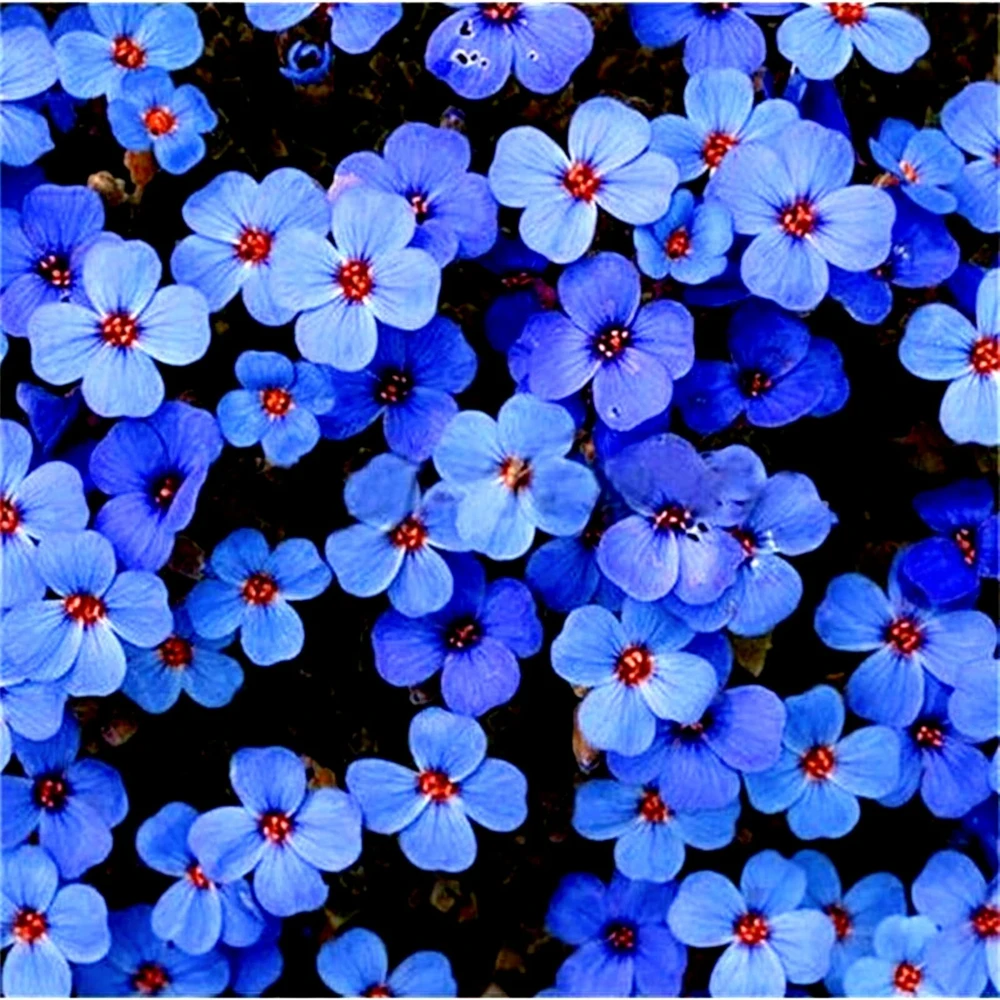
Cultivate a vibrant and aromatic landscape with creeping thyme seeds. These Thymus serpyllum seeds produce beautiful blue flowers and form a dense, low-growing mat, ideal for a fragrant ground cover or rock garden accent. Enjoy a drought-tolerant and easy-to-grow plant that adds charm to any outdoor space.
Estimated arrival
Nov 28
Dec 03 - Dec 05
Dec 05 - Dec 10
See our Shipping Policy.
Get in touch with us via email, and our team will review your concerns.
Our Alive & Thrive Guarantee covers issues with your plants within the first 30 days. Read our Refund & Returns Policy.
-
USDA Hardiness Zone
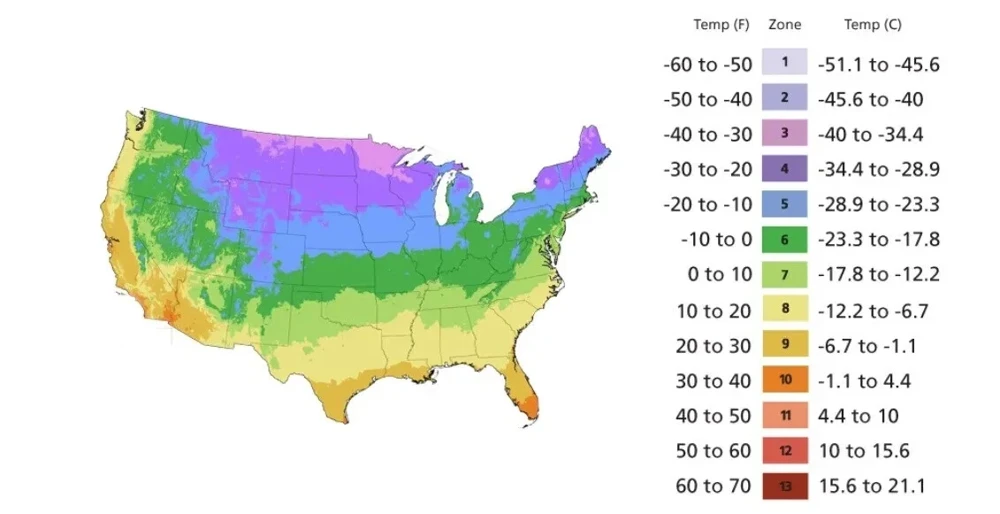
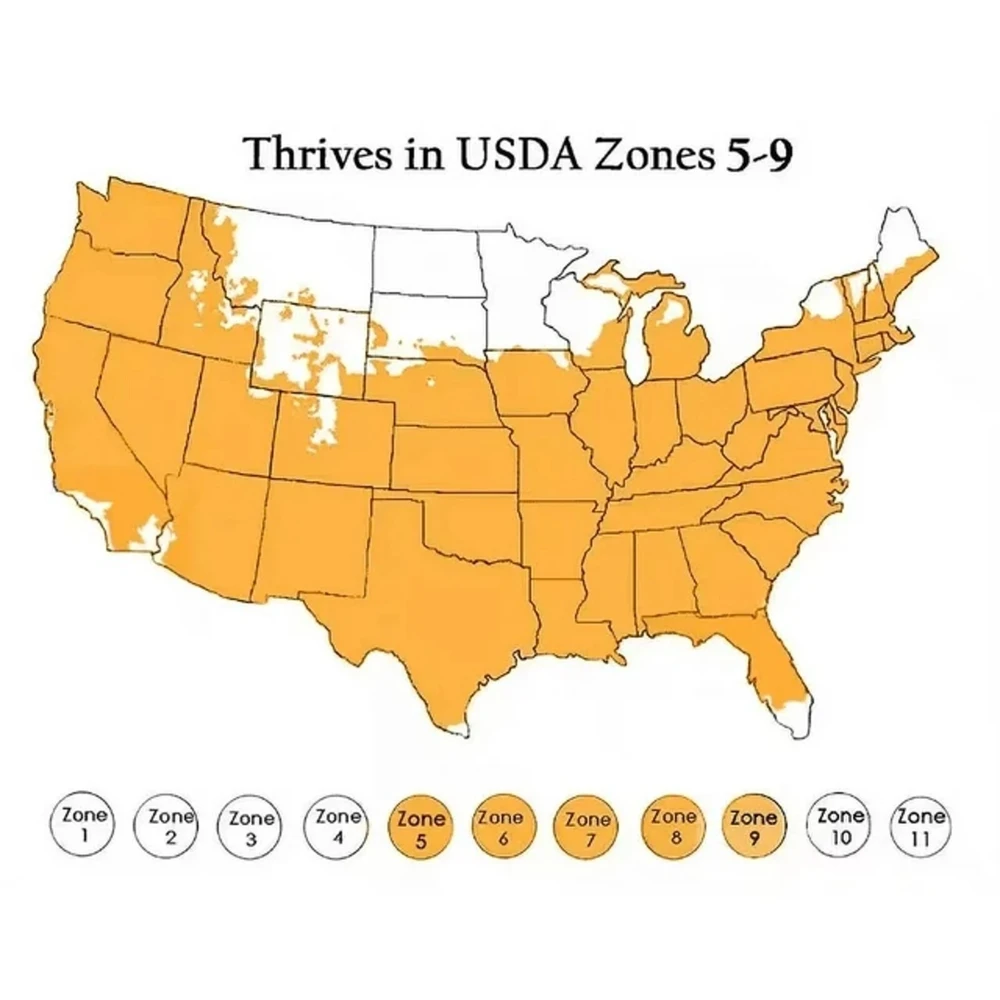
USDA zones 4-9 -
Soil Type
Well-draining, sandy, or gravelly soil -
Sunlight Exposure
Full sun -
Expected Planting Period
Early spring after last frost
Overview
Transform your garden into a fragrant haven with these high-quality creeping thyme seeds. This offering includes 100+ seeds of Thymus serpyllum, known for its rapid growth and beautiful blue flowers. Creeping thyme is a versatile perennial that serves as an excellent ground cover, creating a lush, aromatic carpet that suppresses weeds and requires minimal maintenance. Perfect for filling in pathways, between stepping stones, or cascading over rock walls, this variety adds a touch of natural beauty and a pleasant scent to any landscape. Growing your own thymus serpyllum seeds allows you to enjoy the full life cycle of this delightful herb and establish a robust, long-lasting ground cover.
Creeping thyme, also commonly known as wild thyme or mother of thyme, is cherished for its ornamental and practical uses. Its low-growing habit and ability to withstand light foot traffic make it a popular choice for gardeners seeking an attractive, functional alternative to traditional lawns in certain areas. The delicate blue blooms attract pollinators, enhancing the biodiversity of your garden. These creeping thyme seeds provide an economical and rewarding way to introduce this charming plant into your outdoor spaces, ensuring a vibrant display year after year.
Key Benefits
Introducing creeping thyme seeds into your garden offers a multitude of advantages, contributing to both the aesthetic appeal and ecological health of your landscape. This resilient plant is an excellent choice for a variety of garden designs and conditions.
- Beautiful Ground Cover: These seeds will grow into a dense, spreading mat of foliage adorned with delicate blue flowers. It’s perfect for creating a lush, low-maintenance carpet that beautifies bare spots in your garden and provides an attractive alternative to grass in less trafficked areas.
- Drought Tolerant: Once established, creeping thyme is highly resilient to dry conditions, making it an ideal choice for xeriscaping or gardens in regions with limited water resources. This reduces the need for frequent watering, saving time and conserving water.
- Aromatic Fragrance: The foliage releases a delightful, subtle fragrance when brushed against or walked upon. This natural aroma adds an enchanting sensory experience to pathways, rock gardens, and seating areas, making your garden more inviting.
- Attracts Pollinators: The small blue flowers are a magnet for bees, butterflies, and other beneficial pollinators. Planting creeping thyme seeds helps support local ecosystems and promotes healthy fruit and vegetable production in nearby plants.
- Weed Suppression: Its dense growth habit effectively smothers out weeds, reducing the need for manual weeding and chemical herbicides. This makes it an excellent choice for maintaining tidy garden beds and borders with less effort.
- Low Maintenance: After establishment, thymus serpyllum seeds mature into plants that require very little care. They thrive on neglect, making them perfect for busy gardeners or those looking for a hassle-free landscape solution.
- Erosion Control: The extensive root system of creeping thyme helps to stabilize soil on slopes and embankments, preventing erosion. This is particularly useful in areas prone to runoff or on sloped garden beds.
Plant Care & Growing Tips
Growing creeping thyme seeds is a straightforward process, but understanding its specific needs will ensure a thriving, beautiful ground cover. This hardy perennial prefers well-drained soil and plenty of sunshine to flourish. Begin by sowing the seeds directly outdoors after the last frost, or start them indoors 6-8 weeks before transplanting.
For optimal growth, provide creeping thyme with full sun exposure, meaning at least 6 hours of direct sunlight per day. While it can tolerate some partial shade, too much shade can lead to leggy growth and fewer blooms. The ideal soil is well-draining, sandy, or gravelly, with a pH between 6.0 and 8.0. Avoid heavy clay soils that retain too much moisture, as this can lead to root rot. If your soil is heavy, amend it with sand or compost to improve drainage. Water regularly during the establishment phase, keeping the soil consistently moist but not waterlogged. Once established, it is highly drought-tolerant and will only require occasional watering during prolonged dry spells. These ground cover seeds are quite robust.
Creeping thyme is hardy in USDA zones 4-9. It can withstand cold winters and hot summers, making it a resilient choice for many climates. Fertilization is generally not necessary; in fact, rich soil or excessive fertilizer can reduce flowering. If growth seems slow, a light application of a balanced, slow-release fertilizer in early spring can be beneficial. Pruning is minimal, primarily for shaping or to remove spent flower stalks, which can encourage new growth and a tidier appearance. Watch out for overwatering, which is the most common issue. Proper drainage is key to preventing fungal diseases. These thymus serpyllum seeds are designed for easy cultivation.
Size & Details
This offering includes 100+ creeping thyme seeds (Thymus serpyllum), providing ample opportunity to establish a beautiful ground cover. Each seed is carefully selected to ensure high germination rates, allowing you to cultivate a robust and healthy patch of thyme. When mature, creeping thyme typically forms a dense mat that reaches about 2-4 inches in height and spreads up to 12-18 inches wide, creating a lush, walkable surface. The growth rate is moderate to fast, allowing for quick establishment in your garden.
These blue creeping thyme plants will begin to flower in late spring to early summer, producing a profusion of tiny, fragrant blue blossoms that attract beneficial insects. The seeds are packaged to maintain viability and can be stored in a cool, dry place until planting. Expect germination within 7-21 days under ideal conditions. This quantity of herb seeds is perfect for covering small to medium-sized areas, adding a touch of elegance and aroma to your outdoor living spaces.
Frequently Asked Questions
- Q: How big does this plant get? A: Creeping thyme typically grows to a height of 2-4 inches and can spread 12-18 inches wide, forming a dense, low-growing mat. It’s an excellent choice for filling in spaces or as a ground cover.
- Q: Is this an indoor or outdoor plant? A: Creeping thyme is primarily an outdoor plant, thriving in garden beds, rockeries, and pathways. While it can be grown in containers, it is best suited for outdoor cultivation where it can spread.
- Q: How much sunlight does it need? A: This plant requires full sun exposure, ideally 6 or more hours of direct sunlight per day, to produce the best growth and flowering. It can tolerate partial shade but may become leggy.
- Q: Is this plant easy to care for? A: Yes, creeping thyme is known for being very easy to care for, especially once established. It’s drought-tolerant and requires minimal fertilization or pruning, making it ideal for beginners.
- Q: What condition will the seeds arrive in? A: The creeping thyme seeds will arrive in a sealed packet, ensuring their freshness and viability. They are ready for planting upon arrival, or can be stored in a cool, dry place.
- Q: When is the best time to plant these ground cover seeds? A: The best time to plant these seeds is in early spring after the last frost, or you can start them indoors 6-8 weeks before the last frost date for an earlier start.
- Q: Will it survive winter in my zone? A: Thymus serpyllum seeds grow into plants hardy in USDA Zones 4-9, meaning they are well-equipped to survive cold winters and return each spring in these regions.
- Q: Can I walk on creeping thyme? A: Yes, creeping thyme is known for its ability to withstand light foot traffic, making it a popular choice for planting between stepping stones or along pathways. It also releases a pleasant aroma when disturbed.
- Q: Do these herb seeds attract pollinators? A: Absolutely! The blue flowers of creeping thyme are highly attractive to bees, butterflies, and other beneficial pollinators, making it a great addition for supporting local wildlife.
- Q: What kind of soil does blue creeping thyme prefer? A: It thrives in well-draining, sandy, or gravelly soil. Good drainage is crucial, so avoid heavy clay soils that tend to stay waterlogged.
Be the first to review “Creeping Thyme Herb Flower Seeds – Thymus Serpyllum Ground Cover Blue – 100+ Seeds”
Related products


Herb Seeds
Great Saint John’s Wort Seeds – Hypericum Pyramidatum – 1500 Count – Yellow Flower Herb – Zones 2-10


You May Like

How to Grow Passion Flower (Passiflora) for Tropical Blooms
Few climbing vines in the home garden command attention quite like the exotic Passion Flower (Passiflora). [...]
Nov

Thanksgiving Cactus Care: How to Get Thanksgiving Cactus to Bloom
Is your Thanksgiving cactus growing well but not giving you any flowers? Maybe it looked [...]
Nov

How to Grow Garlic for a Bountiful Home Harvest
Garlic (Allium sativum) is one of the most satisfying, low-maintenance, and flavor-packed crops you can [...]
Oct

Hardneck vs. Softneck Garlic: Which Should You Grow?
Have you ever stood in front of a seed catalog in mid-September, staring at dozens [...]
1 Comment
Oct

When to Plant Music Garlic: Ultimate US Fall Guide
Have you ever spent your fall weekend placing carefully chosen garlic cloves into rich, dark [...]
1 Comment
Oct

5 Best Bulbs for Fall Planting: Brighten Your Garden This Spring
Are you dreaming of a garden full of vibrant colors in the spring? The key [...]
Aug

10 Houseplants That Will Thrive in Your Kitchen
Are you tired of your kitchen feeling dull and lifeless? Want to add a little [...]
1 Comment
Aug
Reviews
There are no reviews yet.