
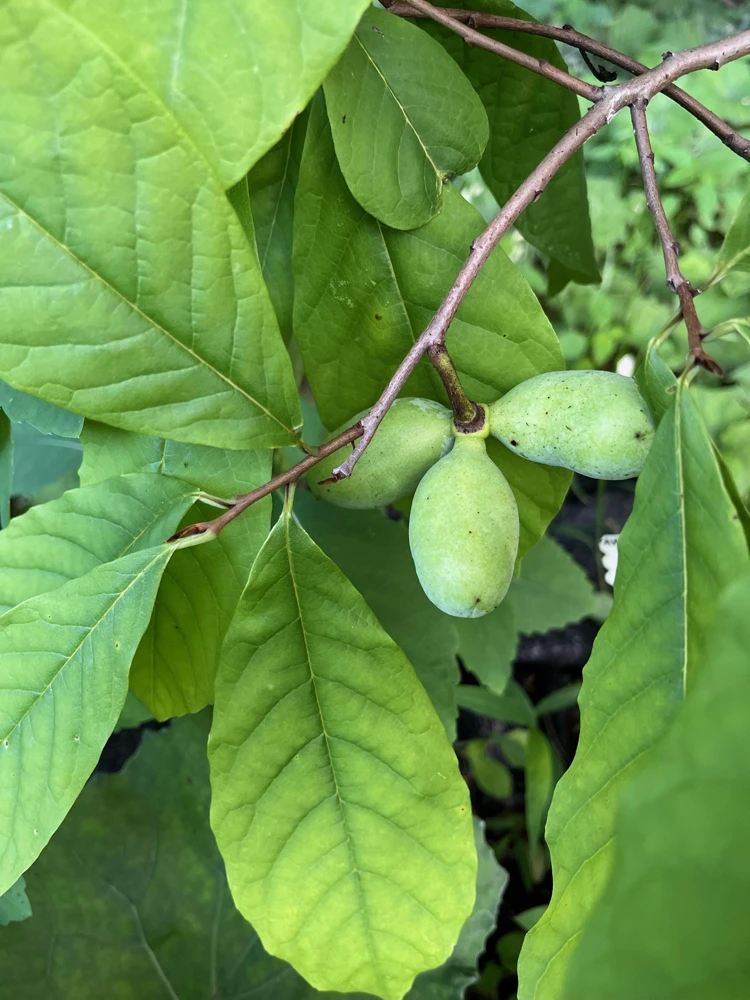
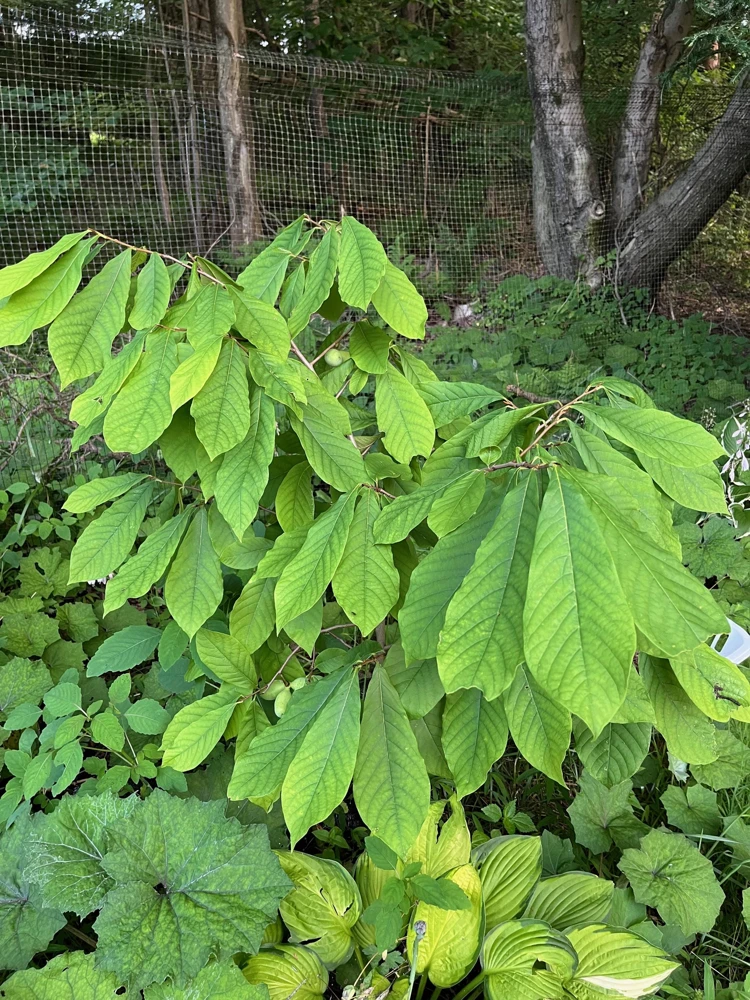
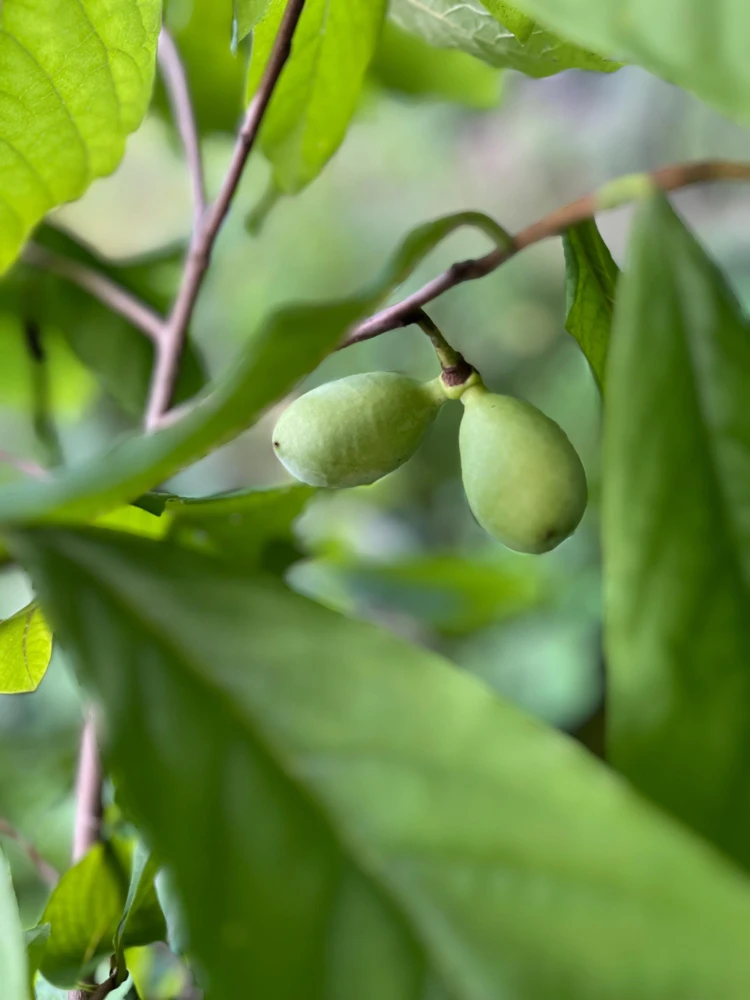
5 Michigan Banana Pawpaw Seeds – Asimina Triloba Hardy Native Fruit Tree
Original price was: 44.33 $.24.33 $Current price is: 24.33 $.
Cultivate a unique native fruit with these 5 Michigan Banana Pawpaw seeds. Ideal for gardeners seeking a hardy, low-maintenance fruit tree, these Asimina Triloba seeds produce delicious, tropical-flavored fruit. Perfect for zone 5 and warmer, these seeds are ready for stratification and planting to grow your own pawpaw fruit tree.
Estimated arrival
Nov 27
Dec 02 - Dec 04
Dec 04 - Dec 09
See our Shipping Policy.
Get in touch with us via email, and our team will review your concerns.
Our Alive & Thrive Guarantee covers issues with your plants within the first 30 days. Read our Refund & Returns Policy.
-
USDA Hardiness Zone
USDA zones 5-9 -
Soil Type
Well-draining, slightly acidic to neutral (pH 5.5-7.0), rich in organic matter -
Sunlight Exposure
Partial shade for young plants, full sun to partial shade for mature trees -
Expected Planting Period
After cold stratification, spring to early summer
Overview
Embark on a rewarding gardening journey with these premium 5 Michigan Banana Pawpaw seeds. The pawpaw, scientifically known as Asimina triloba, is a fascinating native North American fruit tree that offers a truly unique culinary experience. Often described as having a flavor akin to a blend of banana, mango, and pineapple, the pawpaw is a delicious and underutilized fruit. These particular Asimina Triloba seeds are sourced from hardy plants, making them suitable for a wide range of climates, particularly USDA Zone 5 and warmer. Growing a pawpaw fruit tree from seed allows you to witness the entire life cycle of this remarkable plant, from germination to bearing succulent fruit. This is an excellent choice for those looking to add an exotic yet resilient native species to their orchard or garden.
The pawpaw is not just about its delectable fruit; it’s also a beautiful tree that provides shade and contributes to local biodiversity. As a native fruit seeds option, it’s well-adapted to many North American environments, requiring less intervention once established compared to some non-native fruit trees. The ‘Michigan Banana’ variety is known for producing flavorful, medium-sized fruits. These seeds are ready for proper stratification to ensure successful germination, setting you on the path to cultivating your very own pawpaw fruit tree.
Key Benefits
Choosing to grow Michigan Banana Pawpaw seeds offers a variety of advantages for both the home gardener and the environment. These benefits extend beyond just the delicious fruit, providing ecological value and a unique gardening experience.
- Unique Edible Fruit: Enjoy the rich, creamy, tropical-like flavor of pawpaws, a fruit often compared to a blend of banana, mango, and pineapple. Growing your own ensures fresh, organic produce.
- Hardy Native Tree: The pawpaw fruit tree is a robust native species, well-adapted to various climates (specifically cold hardy to Zone 5), making it a resilient and low-maintenance addition to your landscape.
- Ecological Value: Pawpaw trees serve as a host plant for the beautiful Zebra Swallowtail butterfly, contributing to local biodiversity and supporting pollinators.
- Medicinal and Culinary Uses: Beyond fresh eating, pawpaw leaves can be dried for a delightful fruity tea, offering another way to enjoy this versatile plant.
- Non-GMO & Heirloom: These Asimina Triloba seeds are heirloom quality, non-GMO, and grown without harmful chemical pesticides, ensuring a natural and healthy start for your trees.
- Shade and Aesthetic Appeal: The pawpaw tree develops an attractive pyramidal shape, providing pleasant shade and visual interest in your garden or orchard.
- Self-Sufficiency: Cultivating hardy fruit seeds like these allows you to become more self-sufficient in your food production, connecting you directly to your food source.
Plant Care & Growing Tips
Growing Michigan Banana Pawpaw seeds requires a bit of patience and understanding of their specific needs, particularly concerning germination. Pawpaw seeds require a period of cold stratification to break dormancy. This can be achieved by placing the seeds in moist peat moss or sand in a sealed bag in a refrigerator (around 35-45°F or 1-7°C) for 90-120 days. After stratification, sow the seeds about 1 inch deep in well-draining soil. Pawpaws prefer a slightly acidic to neutral soil pH (5.5-7.0) rich in organic matter. A good quality potting mix amended with compost will provide an excellent start for your pawpaw fruit tree seedlings.
Once germinated, young pawpaw seedlings are sensitive to direct sunlight and prefer partial shade for their first year or two. As they mature, they can tolerate more sun, eventually thriving in full sun to partial shade, especially in cooler climates. In hotter regions, some afternoon shade is beneficial. Water regularly to keep the soil consistently moist but not waterlogged, especially during dry spells and the establishment phase. Fertilize sparingly with a balanced, slow-release fertilizer once the seedlings are established. Protect young trees from deer, which can browse on the tender foliage. The Asimina Triloba seeds you plant will develop into a resilient tree, but initial care is crucial for strong growth. Expect a gardening skill level of around 5 out of 10, meaning it’s moderately challenging but very rewarding for a dedicated gardener.
Size & Details
This offering includes 5 Michigan Banana Pawpaw seeds of the species Asimina triloba. These seeds are prepared for planting and have been kept in moist refrigeration to maintain viability, ready for your stratification process. Each seed has the potential to grow into a medium-sized deciduous tree, typically reaching heights of 15-20 feet at maturity, with a spread of 10-15 feet. Pawpaw trees have a moderate growth rate, and while they can begin to flower in 3-5 years, fruit production usually starts around 5-7 years after planting from seed. For optimal fruit set, it is recommended to plant at least two genetically different pawpaw trees for cross-pollination. These native fruit seeds are an excellent choice for establishing a long-term edible landscape.
The ‘Michigan Banana’ variety is known for producing oblong, yellowish-green fruits that ripen in late summer to early fall. The fruit can weigh anywhere from 5 to 16 ounces. These hardy fruit seeds will produce trees that are known to be resistant to most pests and diseases, making them a relatively low-maintenance option for a fruit-bearing tree. The seeds will be carefully packed to retain moisture during shipment, ensuring they arrive in optimal condition for your planting success.
Frequently Asked Questions
- Q: How do I germinate these 5 Michigan Banana Pawpaw seeds? A: Pawpaw seeds require cold stratification. Place the seeds in moist peat moss or sand in a sealed bag in your refrigerator for 90-120 days before planting. This simulates winter conditions and breaks dormancy for these Asimina Triloba seeds.
- Q: Is this an indoor or outdoor plant? A: The pawpaw fruit tree is an outdoor plant, native to temperate climates. While young seedlings can be started indoors, they should be transplanted outdoors once established and after the danger of frost has passed.
- Q: How much sunlight does a pawpaw tree need? A: Young pawpaw seedlings prefer partial shade for their first year or two. Mature trees thrive in full sun to partial shade, with full sun generally leading to more abundant fruit production, especially for this Michigan Banana Pawpaw seeds variety.
- Q: Is this plant easy to care for? Is it good for beginners? A: Growing pawpaws from seed requires patience and attention to stratification and initial care. Once established, the trees are relatively low-maintenance. We rate the gardening skill level at 5 out of 10, making it suitable for intermediate gardeners or dedicated beginners.
- Q: What condition will the seeds arrive in? A: The 5 Michigan Banana Pawpaw seeds will arrive kept in moist refrigeration and packed to retain moisture during shipment, ensuring their viability for planting.
- Q: How long until the pawpaw tree bears fruit? A: A pawpaw fruit tree grown from seed typically begins to bear fruit around 5-7 years after planting, though flowering may start a couple of years earlier. Patience is key for these native fruit seeds.
- Q: Will it survive winter in my zone? A: These hardy fruit seeds are from plants suited for USDA Zone 5 and warmer. The resulting trees are known for their cold hardiness and should thrive in appropriate zones.
- Q: Can the fruit be used in cooking? A: Yes, pawpaw fruit is excellent fresh, and its creamy, tropical flavor makes it a wonderful addition to smoothies, custards, ice creams, and baked goods.
- Q: Do I need more than one tree for fruit production? A: While some pawpaw trees are self-pollinating, most varieties, including the Michigan Banana Pawpaw seeds, produce more fruit with cross-pollination from a genetically different pawpaw tree. Planting at least two is recommended for good yields.
- Q: What is the ideal soil type for pawpaws? A: Pawpaws prefer deep, rich, well-draining, slightly acidic to neutral soil (pH 5.5-7.0). Amending your soil with organic matter will greatly benefit your growing Asimina Triloba seeds.
Be the first to review “5 Michigan Banana Pawpaw Seeds – Asimina Triloba Hardy Native Fruit Tree”
Related products


You May Like

How to Grow Passion Flower (Passiflora) for Tropical Blooms
Few climbing vines in the home garden command attention quite like the exotic Passion Flower (Passiflora). [...]
Nov

Thanksgiving Cactus Care: How to Get Thanksgiving Cactus to Bloom
Is your Thanksgiving cactus growing well but not giving you any flowers? Maybe it looked [...]
Nov

How to Grow Garlic for a Bountiful Home Harvest
Garlic (Allium sativum) is one of the most satisfying, low-maintenance, and flavor-packed crops you can [...]
Oct

Hardneck vs. Softneck Garlic: Which Should You Grow?
Have you ever stood in front of a seed catalog in mid-September, staring at dozens [...]
1 Comment
Oct

When to Plant Music Garlic: Ultimate US Fall Guide
Have you ever spent your fall weekend placing carefully chosen garlic cloves into rich, dark [...]
1 Comment
Oct

5 Best Bulbs for Fall Planting: Brighten Your Garden This Spring
Are you dreaming of a garden full of vibrant colors in the spring? The key [...]
Aug

10 Houseplants That Will Thrive in Your Kitchen
Are you tired of your kitchen feeling dull and lifeless? Want to add a little [...]
1 Comment
Aug
Reviews
There are no reviews yet.