
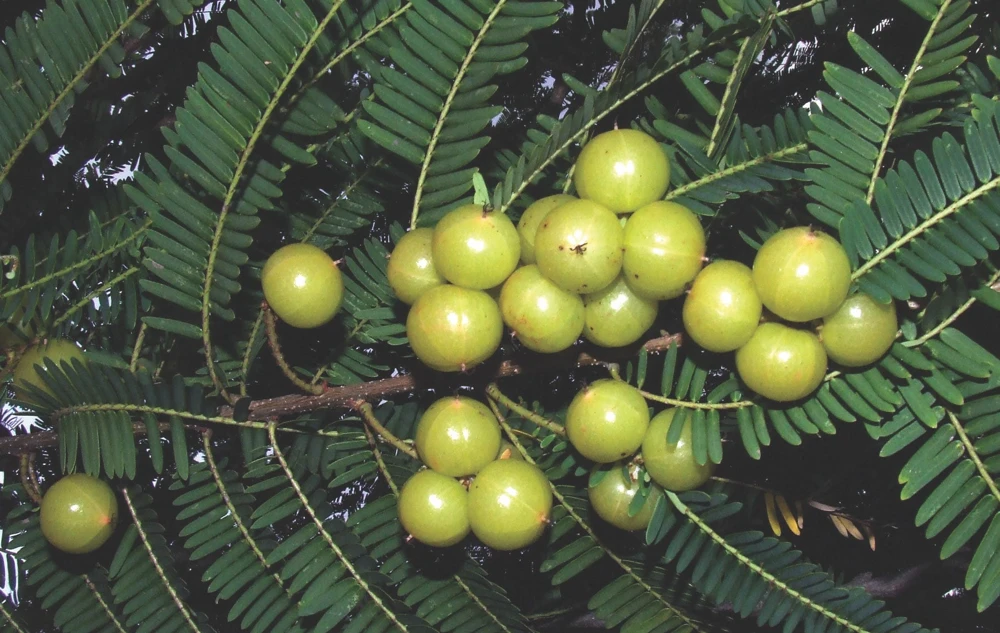
Amla Indian Gooseberry Seeds (Phyllanthus emblica) – 10 Seeds for Planting
Original price was: 48.91 $.19.91 $Current price is: 19.91 $.
Cultivate your own fruit-bearing tree with these Amla Indian Gooseberry seeds. Each pack contains 10 seeds of Phyllanthus emblica, also known as Malacca Tree or Emblic Myrobalan. Perfect for growing in USDA Hardiness Zones 10-11, these seeds offer a rewarding gardening experience for a plant known for its versatile fruit and cultural significance.
Estimated arrival
Nov 26
Dec 01 - Dec 03
Dec 03 - Dec 08
See our Shipping Policy.
Get in touch with us via email, and our team will review your concerns.
Our Alive & Thrive Guarantee covers issues with your plants within the first 30 days. Read our Refund & Returns Policy.
-
USDA Hardiness Zone
10 to 11 -
Soil Type
Well-draining, fertile loam -
Sunlight Exposure
Full sun -
Expected Planting Period
Spring to early summer
Overview
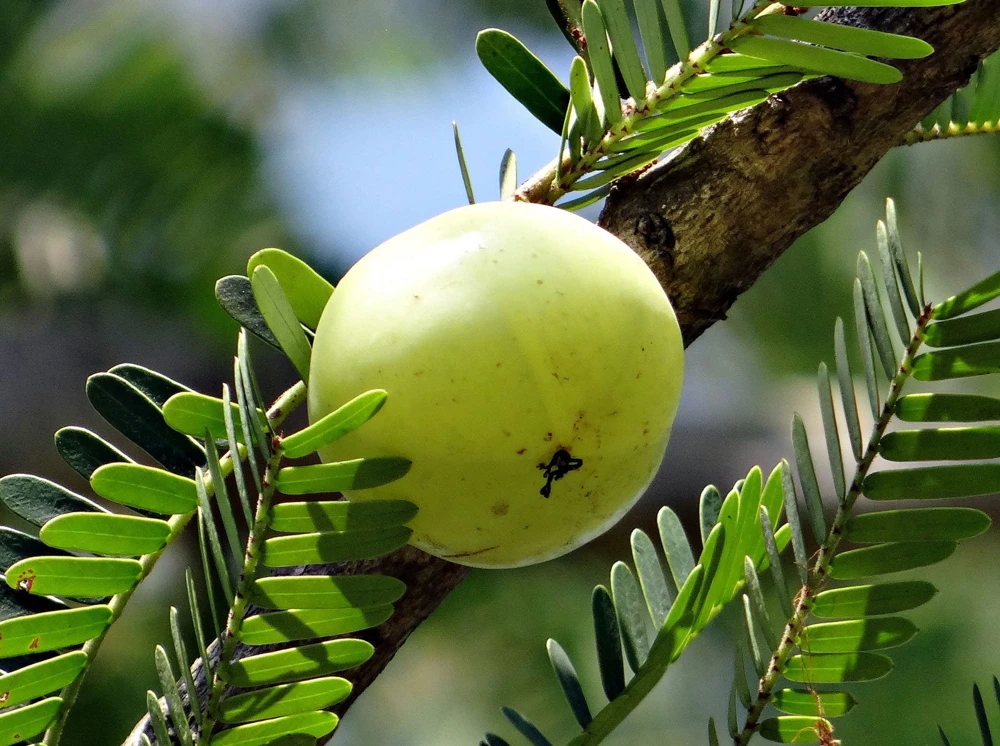
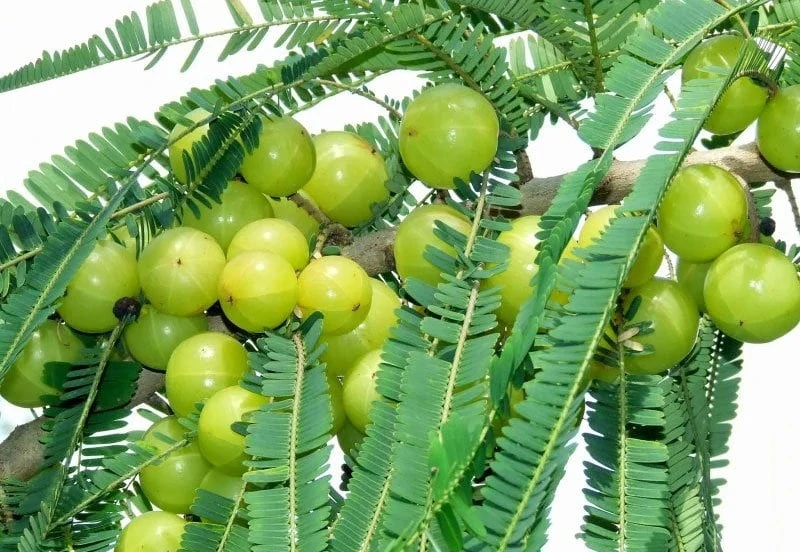
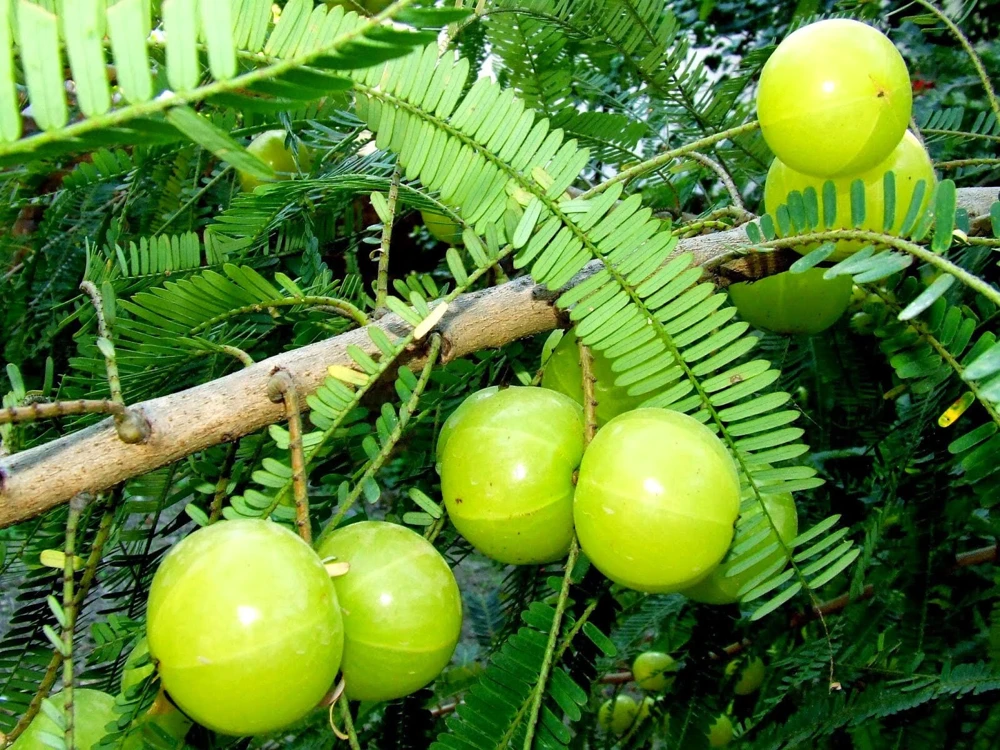
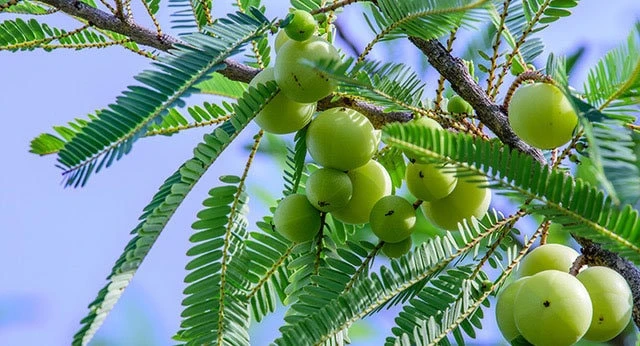
Embark on a rewarding horticultural journey with these premium Amla Indian Gooseberry seeds. Each packet contains 10 seeds of Phyllanthus emblica, offering you the opportunity to cultivate your very own Indian Gooseberry tree. Also known as Emblic Myrobalan and Malacca Tree, the Amla tree is revered not only for its distinctive spherical, yellowish-green fruit but also for its cultural and traditional significance. Originating from the Indian subcontinent, this deciduous tree can reach an impressive height of up to 30 feet, providing ample shade and a bountiful harvest. Growing an Amla Indian Gooseberry tree from seed is a fulfilling project for gardeners looking to add a unique, fruit-bearing specimen to their landscape, especially in warmer climates.
These high-quality seeds are ideal for starting your personal nursery. The Amla tree is a fast-growing plant that adapts well to various soil conditions, making it a robust choice for eager cultivators. Its relatively easy propagation from seed makes it accessible for both experienced gardeners and those new to growing fruit trees. With proper care, these seeds will germinate and grow into strong saplings, eventually producing the highly sought-after Amla fruit. This fruit is celebrated for its unique flavor profile and a myriad of uses, making the cultivation of Amla Indian Gooseberry seeds a truly worthwhile endeavor.
Key Benefits
Growing an Amla Indian Gooseberry tree offers a multitude of benefits, from its aesthetic appeal to the practical uses of its fruit. These trees are not just ornamental; they are a source of a versatile and historically significant fruit.
- Cultivate Your Own Fruit: Enjoy the satisfaction of harvesting fresh Amla fruit directly from your garden. The spherical, yellowish-green fruit is known for its distinct taste and can be used in various culinary applications.
- Ornamental Value: The Amla tree, with its dense foliage and seasonal blossoms, adds a touch of tropical beauty to any garden or landscape. Its upright growth habit makes it a striking specimen.
- Traditional Significance: The Emblic Myrobalan holds deep cultural and traditional value, particularly in certain spiritual practices where it symbolizes enlightenment. Growing this tree connects you to a rich botanical heritage.
- Adaptable Growth: While preferring full sun, the Amla tree demonstrates good adaptability, making it a resilient choice for various garden settings within its recommended hardiness zones.
- Long-Term Investment: Planting these Phyllanthus emblica seeds is an investment in your garden’s future, providing years of beauty, shade, and fruit production.
- Support Biodiversity: Introducing native or traditionally cultivated species like the Malacca Tree helps support local ecosystems and promotes diverse plant life in your area.
- Rewarding Gardening Experience: Watching an Amla tree grow from a small seed to a mature, fruit-bearing plant is an incredibly fulfilling experience for any gardener.
Plant Care & Growing Tips
Successfully growing your Amla Indian Gooseberry tree from seed requires attention to specific environmental conditions and care practices. These seeds thrive in particular settings to ensure healthy germination and vigorous growth. Once established, the Amla tree is relatively low-maintenance, making it a great addition to your garden.
For optimal growth, these Phyllanthus emblica seeds require a location that receives full sun, meaning at least 6-8 hours of direct sunlight daily. This is crucial for fruit production and overall plant health. The ideal soil type is well-draining, fertile loam, although the tree can tolerate a range of soil conditions. Ensure good drainage to prevent root rot, especially for young seedlings. A slightly acidic to neutral pH (6.0-7.0) is generally preferred. Regular watering is essential, particularly during dry spells and for young plants. The soil should be kept consistently moist but not waterlogged. As the tree matures, it becomes more drought-tolerant, but consistent moisture will promote better fruiting. The Amla tree is best suited for USDA Hardiness Zones 10 to 11, where it can withstand warmer temperatures and mild winters. In colder zones, it may need protection or can be grown in containers and brought indoors during winter months.
Fertilization can commence once the seedlings are established. Use a balanced, slow-release fertilizer or an organic compost to enrich the soil. Apply fertilizer according to the product’s instructions, typically in spring and early summer. Pruning is generally minimal, focusing on removing dead or diseased branches and shaping the tree for aesthetic appeal or to encourage better air circulation. Watch out for common pests and diseases, though the Amla tree is generally robust. Addressing issues early with appropriate organic or chemical treatments will help maintain the health of your Malacca Tree seeds. Proper care will ensure your tree thrives and provides a bountiful harvest, allowing you to fully appreciate the Emblic Myrobalan benefits.
Size & Details
This package contains 10 Amla Indian Gooseberry seeds, ready for planting. When mature, the Phyllanthus emblica tree can reach a substantial height of up to 30 feet, with a spread that provides ample shade. The growth rate is considered moderate to fast under ideal conditions, allowing you to see significant development within a few years. These seeds are designed to grow into full-sized trees, suitable for outdoor planting in appropriate climates. The fruit typically matures in late winter to early spring, following the appearance of yellowish-green blossoms. Each seed has the potential to grow into a robust tree, offering a long-term addition to your landscape. The resulting fruit is spherical and yellowish-green, maturing over several months after blooming.
The seeds are carefully selected to ensure viability and are shipped in a protective packet to maintain their quality. While germination times can vary, patience is key when starting trees from seed. Expect to see initial growth within a few weeks to several months, depending on environmental factors and stratification if required. The ultimate size and fruit yield will depend on growing conditions, soil fertility, and consistent care. These Amla Indian Gooseberry seeds offer a unique opportunity to cultivate a distinctive and beneficial tree from the ground up, providing a rewarding and sustainable gardening experience.
Frequently Asked Questions
- Q: How big does this plant get? A: A mature Amla Indian Gooseberry tree can grow up to 30 feet tall. Its spread can also be quite significant, providing excellent shade and a substantial presence in your garden.
- Q: What size pot does it come in? A: This product contains 10 Amla Indian Gooseberry seeds, not a potted plant. You will need to start them in small seed-starting trays or pots before transplanting them.
- Q: Is this an indoor or outdoor plant? A: The Malacca Tree seeds are intended for growing an outdoor tree. While young seedlings can be started indoors, the mature tree requires outdoor conditions, especially in USDA Hardiness Zones 10-11.
- Q: How much sunlight does it need? A: For optimal growth and fruit production, the Phyllanthus emblica tree prefers full sun, which means at least 6 to 8 hours of direct sunlight per day.
- Q: Is this plant easy to care for? A: Once established, the Amla tree is relatively low-maintenance. The initial germination and seedling stage require consistent care, but mature trees are quite robust, especially in their preferred climate.
- Q: What condition will it arrive in? A: The Amla Indian Gooseberry seeds will arrive in a protective packet, ensuring they are dry and ready for planting. They are carefully packaged to maintain viability during transit.
- Q: Can I use Amla fruit in cooking? A: Yes, the Amla fruit is widely used in various culinary applications, including juices, jams, pickles, and traditional dishes. It’s known for its unique tart flavor.
- Q: How long until it blooms? A: Amla trees typically begin to bloom and fruit several years after planting from seed. The yellowish-green blossoms usually appear from late winter to early spring, followed by the development of the fruit.
- Q: When is the best time to plant these seeds? A: The best time to plant Phyllanthus emblica seeds is in spring or early summer, after the last threat of frost, when soil temperatures are consistently warm.
- Q: Will it survive winter in my zone? A: The Amla tree is best suited for USDA Hardiness Zones 10 to 11. If you are in a colder zone, you may need to grow it in a container and provide winter protection, or cultivate it as an annual in some cases.
- Q: What are the Emblic Myrobalan benefits? A: Beyond its culinary uses, Emblic Myrobalan is highly valued in traditional medicine systems for its purported health benefits. Growing your own tree allows you to appreciate these aspects firsthand.
Be the first to review “Amla Indian Gooseberry Seeds (Phyllanthus emblica) – 10 Seeds for Planting”
Related products


Fruit Seeds
Ruegen Alpine Strawberry Seeds – 60 Count Everbearing Fragaria Vesca Red Fruit White Flower
You May Like

How to Grow Passion Flower (Passiflora) for Tropical Blooms
Few climbing vines in the home garden command attention quite like the exotic Passion Flower (Passiflora). [...]
Nov

Thanksgiving Cactus Care: How to Get Thanksgiving Cactus to Bloom
Is your Thanksgiving cactus growing well but not giving you any flowers? Maybe it looked [...]
Nov

How to Grow Garlic for a Bountiful Home Harvest
Garlic (Allium sativum) is one of the most satisfying, low-maintenance, and flavor-packed crops you can [...]
Oct

Hardneck vs. Softneck Garlic: Which Should You Grow?
Have you ever stood in front of a seed catalog in mid-September, staring at dozens [...]
1 Comment
Oct

When to Plant Music Garlic: Ultimate US Fall Guide
Have you ever spent your fall weekend placing carefully chosen garlic cloves into rich, dark [...]
1 Comment
Oct

5 Best Bulbs for Fall Planting: Brighten Your Garden This Spring
Are you dreaming of a garden full of vibrant colors in the spring? The key [...]
Aug

10 Houseplants That Will Thrive in Your Kitchen
Are you tired of your kitchen feeling dull and lifeless? Want to add a little [...]
1 Comment
Aug
Reviews
There are no reviews yet.