

Andean Sage Seeds – Salvia Discolor – 10 Seeds – Outdoor Perennial
Original price was: 19.98 $.15.99 $Current price is: 15.99 $.
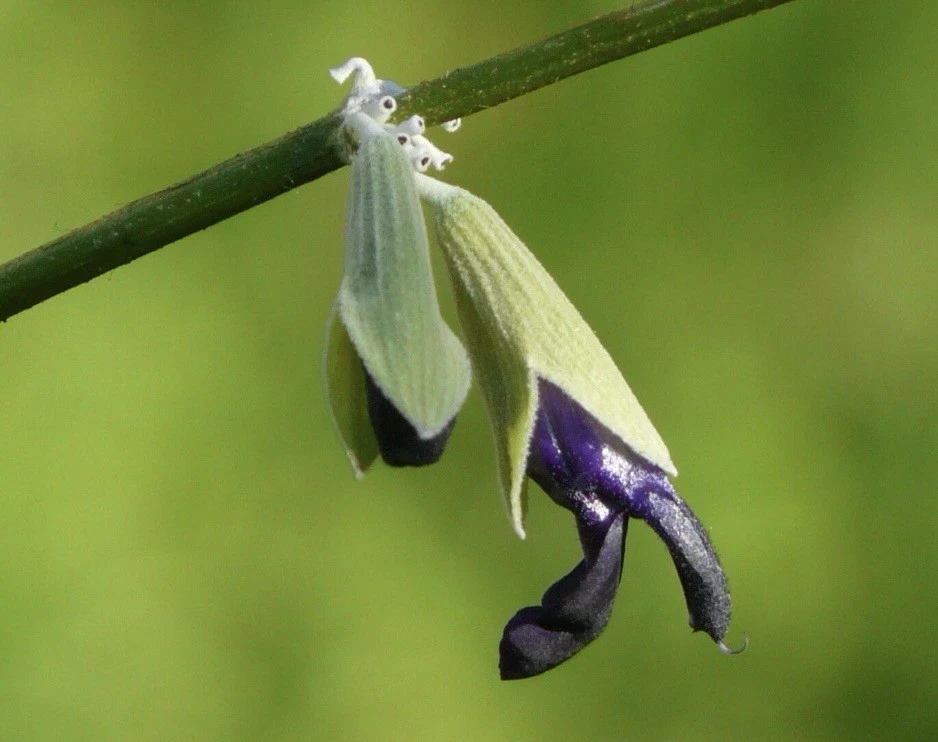
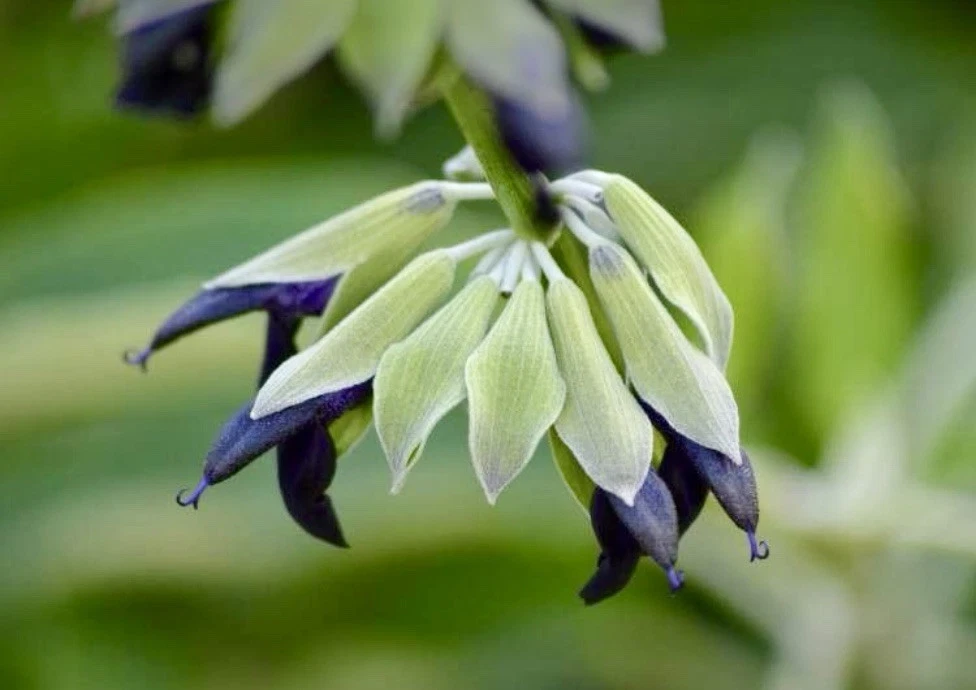
Discover the beauty of Andean Sage seeds (Salvia Discolor) for your garden. This rare perennial herb produces striking purple and green flowers, ideal for outdoor landscapes and attracting pollinators. Each pack contains 10 Salvia Discolor seeds, perfect for cultivating a unique and vibrant display.
Estimated arrival
Nov 26
Dec 01 - Dec 03
Dec 03 - Dec 08
See our Shipping Policy.
Get in touch with us via email, and our team will review your concerns.
Our Alive & Thrive Guarantee covers issues with your plants within the first 30 days. Read our Refund & Returns Policy.
-
USDA Hardiness Zone
USDA zones 8-10 -
Soil Type
Well-draining sandy loam -
Sunlight Exposure
Full sun -
Expected Planting Period
Spring to early summer
Overview
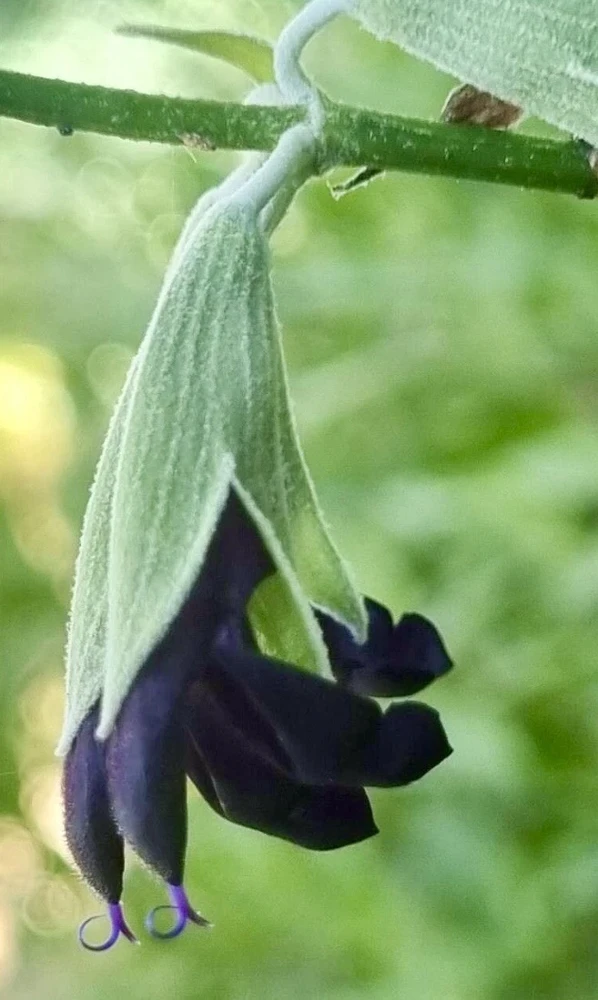
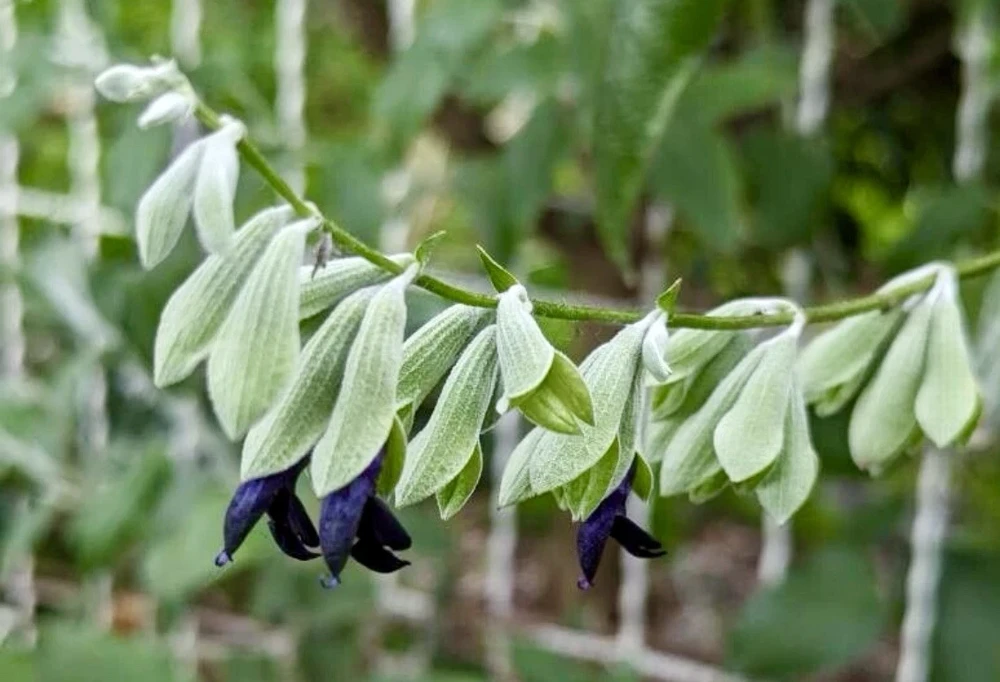
Embark on a captivating gardening journey with these exquisite Andean Sage seeds, botanically known as Salvia Discolor. Originating from the high altitudes of the Andes, this rare and fascinating plant is a true gem for any garden enthusiast seeking something unique. Unlike common sage varieties, Salvia Discolor captivates with its unusual deep purple, almost black, tubular flowers that emerge from contrasting green calyces. These striking blooms are not only visually appealing but also emit a subtle, pleasant fragrance, making them a delightful addition to borders, rock gardens, or containers. Growing from Salvia Discolor seeds allows you to experience the full life cycle of this remarkable perennial, bringing a touch of Andean mystery to your outdoor space. It’s an excellent choice for gardeners looking to introduce diversity and a conversation starter into their plant collection.
Cultivating Andean Sage seeds offers the rewarding experience of nurturing a plant from its very beginning. Known for its robust nature and ability to thrive in various conditions, this perennial sage is relatively low-maintenance once established. Its unique coloration provides a dramatic contrast against other garden plants, while its nectar-rich flowers are a magnet for hummingbirds and other beneficial pollinators, enhancing the biodiversity of your garden. Whether you’re an experienced gardener or a curious beginner, these Andean Sage seeds provide an opportunity to grow a truly distinctive plant that will surely become a focal point in your landscape.
Key Benefits
Introducing Salvia Discolor into your garden offers a multitude of benefits, from aesthetic appeal to ecological contributions. These Andean Sage seeds promise to deliver a plant that is both beautiful and beneficial:
- Unique Ornamental Value: The deep purple-black flowers emerging from fuzzy green calyces create a striking visual contrast that is rarely seen in other garden plants. This unique coloration ensures your Andean Sage stands out, adding an exotic touch to your landscape.
- Attracts Pollinators: The nectar-rich, tubular flowers are highly attractive to hummingbirds, butterflies, and bees, making it an excellent choice for supporting local ecosystems and encouraging biodiversity in your garden.
- Drought-Tolerant Once Established: Hailing from the Andes, Salvia Discolor is well-adapted to drier conditions. Once mature, it requires less frequent watering, making it a sustainable choice for water-wise gardening.
- Perennial Growth: As a perennial, Andean Sage returns year after year, providing continuous beauty and reducing the need for annual replanting. This makes it a long-term investment in your garden’s aesthetic.
- Low Maintenance: After germination and initial establishment, this plant is relatively easy to care for, requiring minimal intervention to thrive, making it suitable for gardeners of all experience levels.
- Aromatic Foliage: The leaves of Salvia Discolor, while not the primary feature, also possess a mild, herbaceous aroma, adding another sensory layer to your garden experience.
- Conversation Starter: Its unusual appearance and origin make Andean Sage seeds a fantastic topic of discussion among gardening enthusiasts and visitors alike.
Plant Care & Growing Tips
Successfully growing Andean Sage seeds into thriving plants requires attention to a few key environmental factors. Starting with good quality Salvia Discolor seeds is the first step, followed by providing the right conditions for germination and subsequent growth. This perennial thrives in conditions that mimic its native Andean habitat.
Sunlight Requirements: Andean Sage prefers full sun, meaning at least 6-8 hours of direct sunlight per day. While it can tolerate some partial shade, especially in hotter climates, optimal flowering and robust growth occur with ample sunlight. For best results, choose a location in your garden that receives bright, unfiltered light throughout the day. If growing indoors, a south-facing window or supplemental grow lights will be beneficial.
Watering Schedule and Soil Moisture: Once established, Andean Sage is quite drought-tolerant. During germination and early growth, keep the soil consistently moist but not waterlogged. After the plants are mature, water deeply but infrequently, allowing the top few inches of soil to dry out completely between waterings. Overwatering can lead to root rot, so good drainage is crucial. Reduce watering significantly during cooler, dormant periods.
Soil Type and Drainage: This plant thrives in well-draining soil. A sandy loam or a loamy soil amended with organic matter is ideal. Avoid heavy clay soils that retain too much moisture. A slightly acidic to neutral pH (6.0-7.0) is generally preferred. Ensuring excellent drainage is paramount to prevent waterlogging, which is detrimental to the plant’s health. Raised beds or containers with drainage holes are excellent options for areas with poor natural drainage.
Temperature Range and USDA Hardiness Zone:Andean Sage seeds are best suited for USDA Hardiness Zones 8-10 as a perennial. In colder zones, it can be grown as an annual or brought indoors during winter. It prefers mild to warm temperatures and can tolerate some heat, but extreme, prolonged heat may require some afternoon shade. Protect from heavy frosts, especially when young. It is important to remember that grow Andean Sage to its full potential, it needs consistent warmth.
Fertilization Schedule: Andean Sage is not a heavy feeder. A light application of a balanced, slow-release granular fertilizer in early spring is usually sufficient. Avoid over-fertilizing, as this can lead to excessive foliage growth at the expense of flowers. For container-grown plants, a diluted liquid feed every 4-6 weeks during the growing season can be beneficial.
Common Problems and Solutions: Generally pest and disease resistant, Andean Sage can occasionally suffer from powdery mildew in humid conditions or root rot from overwatering. Ensure good air circulation and proper drainage to prevent these issues. Keep an eye out for common garden pests like aphids, and treat with insecticidal soap if necessary. Deadheading spent flowers will encourage more blooms and maintain a tidy appearance, helping your purple flowering sage to flourish.
Size & Details
These Andean Sage seeds will grow into a truly remarkable perennial plant, bringing unique beauty to your garden. Typically, Salvia Discolor plants will reach a height of 2 to 3 feet (60-90 cm) and spread about 1 to 2 feet (30-60 cm) wide, forming an upright, bushy clump. The growth rate is moderate, with plants generally reaching a mature size within one to two growing seasons when provided with optimal conditions. You will receive 10 Salvia Discolor seeds, carefully packaged to ensure viability. These seeds are ready for planting in the spring after the last frost, or they can be started indoors several weeks before transplanting outdoors. Expect germination to occur within 2-4 weeks under ideal conditions. The distinctive deep purple-black flowers typically appear from late spring through fall, offering a long season of interest. This plant is shipped as seeds, providing you with the satisfaction of cultivating it from the very beginning. With proper care, your perennial sage seeds will develop into a robust and beautiful specimen.
Frequently Asked Questions
- Q: How big does this plant get from these 10 Salvia Discolor seeds? A: When mature, Andean Sage typically grows to about 2 to 3 feet tall (60-90 cm) with a spread of 1 to 2 feet (30-60 cm). Its upright, bushy habit makes it a great addition to borders and containers.
- Q: Is this an indoor or outdoor plant? A: While it can be grown indoors in a bright, sunny location, Andean Sage (Salvia Discolor) is primarily an outdoor perennial, thriving in garden beds, rock gardens, and patio containers in suitable climates.
- Q: How much sunlight does it need to grow Andean Sage? A: For optimal growth and prolific flowering, Andean Sage requires full sun, meaning at least 6-8 hours of direct sunlight per day. It can tolerate some afternoon shade in very hot regions.
- Q: Is this plant easy to care for, especially for beginners? A: Yes, once established, Andean Sage is considered relatively low-maintenance. It is drought-tolerant and pest-resistant, making it a good choice for both experienced gardeners and those looking to grow Andean Sage for the first time.
- Q: What condition will the seeds arrive in? A: You will receive 10 Salvia Discolor seeds in a protective packet, ensuring they are fresh and viable for planting. They are ready to be sown upon arrival.
- Q: Can I use this purple flowering sage in cooking? A: While it is a type of Salvia, Salvia Discolor is primarily grown for its ornamental value and is not typically used for culinary purposes like common garden sage. Its beauty lies in its unique flowers.
- Q: When is the best time to plant these perennial sage seeds? A: The best time to plant Andean Sage seeds is in early spring after the last frost date for your region. You can also start them indoors 6-8 weeks before the last frost to get a head start.
- Q: Will this purple flowering sage survive winter in my zone? A: Andean Sage is perennial in USDA Zones 8-10. In colder zones, it can be grown as an annual or brought indoors to overwinter in a bright, cool location.
- Q: What’s the minimum temperature this plant can tolerate? A: This plant can tolerate temperatures down to about 15-20°F (-9 to -6°C) for short periods once established. Prolonged freezing temperatures will likely damage or kill it if not protected.
- Q: What kind of soil is best for these Salvia Discolor seeds? A: Salvia Discolor seeds germinate and grow best in well-draining soil, such as a sandy loam or a potting mix amended with perlite. Good drainage is crucial to prevent root rot.
Be the first to review “Andean Sage Seeds – Salvia Discolor – 10 Seeds – Outdoor Perennial”
Related products

Herb Seeds
Great Saint John’s Wort Seeds – Hypericum Pyramidatum – 1500 Count – Yellow Flower Herb – Zones 2-10


Herb Seeds
Munstead Lavender Seeds – 200 English Lavandula Angustifolia Fragrant Purple Flower Herb Seeds

You May Like

How to Grow Passion Flower (Passiflora) for Tropical Blooms
Few climbing vines in the home garden command attention quite like the exotic Passion Flower (Passiflora). [...]
Nov

Thanksgiving Cactus Care: How to Get Thanksgiving Cactus to Bloom
Is your Thanksgiving cactus growing well but not giving you any flowers? Maybe it looked [...]
Nov

How to Grow Garlic for a Bountiful Home Harvest
Garlic (Allium sativum) is one of the most satisfying, low-maintenance, and flavor-packed crops you can [...]
Oct

Hardneck vs. Softneck Garlic: Which Should You Grow?
Have you ever stood in front of a seed catalog in mid-September, staring at dozens [...]
1 Comment
Oct

When to Plant Music Garlic: Ultimate US Fall Guide
Have you ever spent your fall weekend placing carefully chosen garlic cloves into rich, dark [...]
1 Comment
Oct

5 Best Bulbs for Fall Planting: Brighten Your Garden This Spring
Are you dreaming of a garden full of vibrant colors in the spring? The key [...]
Aug

10 Houseplants That Will Thrive in Your Kitchen
Are you tired of your kitchen feeling dull and lifeless? Want to add a little [...]
1 Comment
Aug
Reviews
There are no reviews yet.