
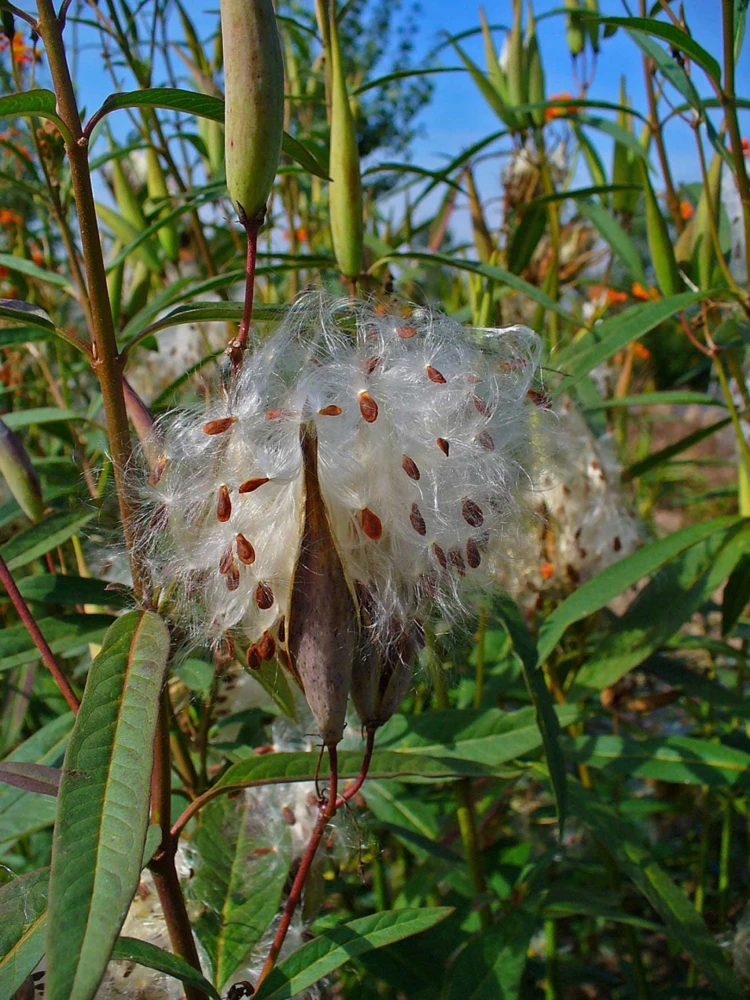
Asclepias curassavica Seeds – Scarlet Milkweed – 200 Seeds – Attracts Monarchs
Original price was: 48.91 $.19.91 $Current price is: 19.91 $.
Cultivate vibrant Asclepias curassavica seeds, commonly known as scarlet milkweed seeds or bloodflower. This essential plant is a vital host for monarch butterfly larvae and a nectar source for many pollinators. Grow 200 seeds into beautiful, butterfly-attracting plants for your garden.
Estimated arrival
Nov 27
Dec 02 - Dec 04
Dec 04 - Dec 09
See our Shipping Policy.
Get in touch with us via email, and our team will review your concerns.
Our Alive & Thrive Guarantee covers issues with your plants within the first 30 days. Read our Refund & Returns Policy.
-
USDA Hardiness Zone
8 to 11 -
Soil Type
Well-draining soil, sandy to loamy -
Sunlight Exposure
Full sun -
Expected Planting Period
Spring to early summer
Overview
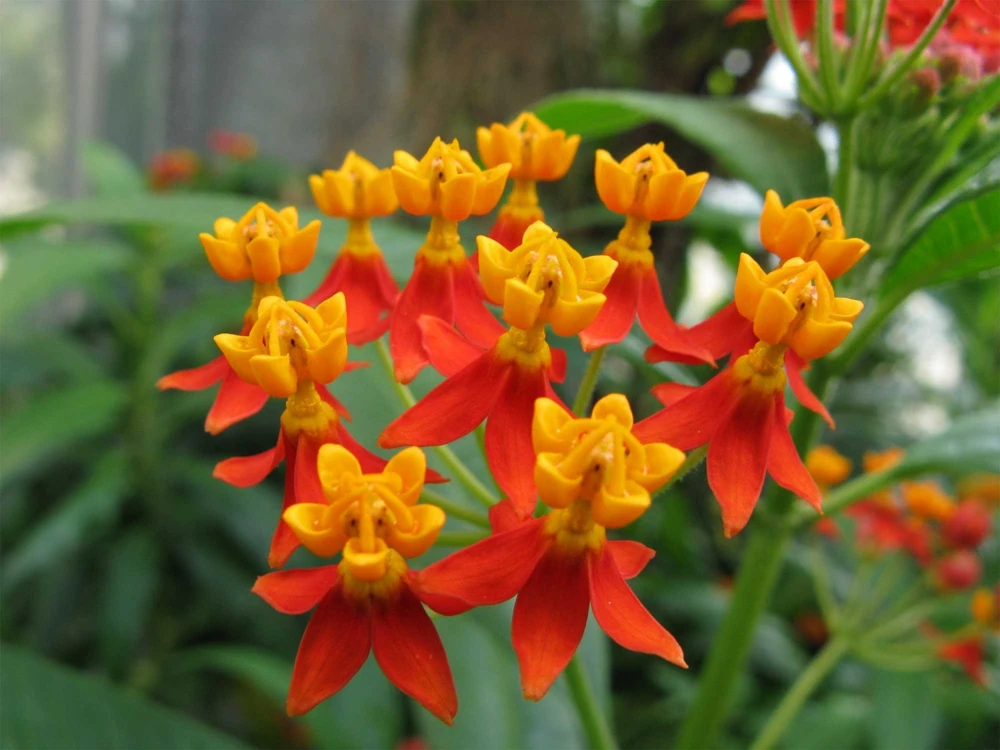
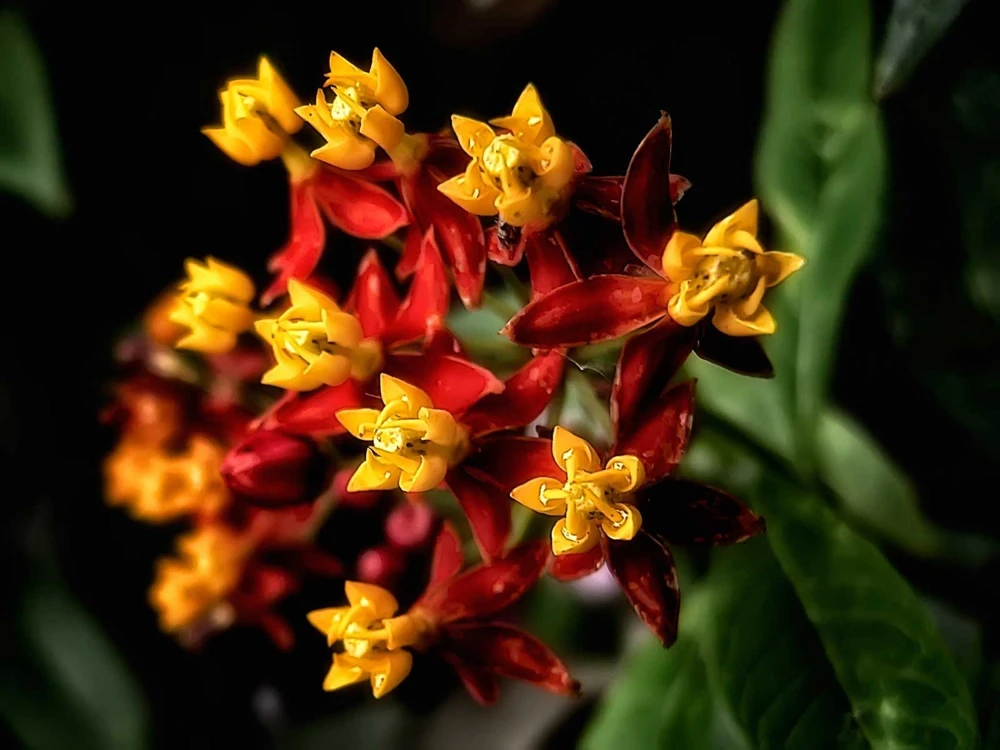
Embark on a journey to create a vibrant, pollinator-friendly garden with these premium Asclepias curassavica seeds. Also widely recognized as bloodflower, hierba de la cucaracha, redhead, scarlet milkweed seeds, cotton bush, Mexican butterfly weed, Swallow wort, and wild ipecacuanha, this remarkable plant is a must-have for any enthusiast looking to support local ecosystems. Each packet contains 200 seeds, providing ample opportunity to cultivate a thriving patch of this eye-catching perennial. Known for its striking red and yellow flowers, Asclepias curassavica not only adds aesthetic appeal to your landscape but also plays a crucial role in the lifecycle of many beautiful insects.
This species is celebrated globally for its indispensable role as a monarch butterfly host plant. Gardeners and conservationists alike cherish it for its ability to attract and sustain monarch populations. Beyond monarchs, it’s a magnet for hummingbirds, bees, and other butterflies, transforming your garden into a lively sanctuary. Growing these seeds offers a fulfilling experience, watching your garden come alive with activity as these plants mature. The ease of cultivation combined with its significant ecological impact makes this an ideal choice for both novice and experienced gardeners.
Key Benefits
Adding Asclepias curassavica seeds to your garden provides a multitude of benefits, from enhancing biodiversity to creating a stunning visual display. These plants are more than just pretty flowers; they are a cornerstone for a healthy garden ecosystem.
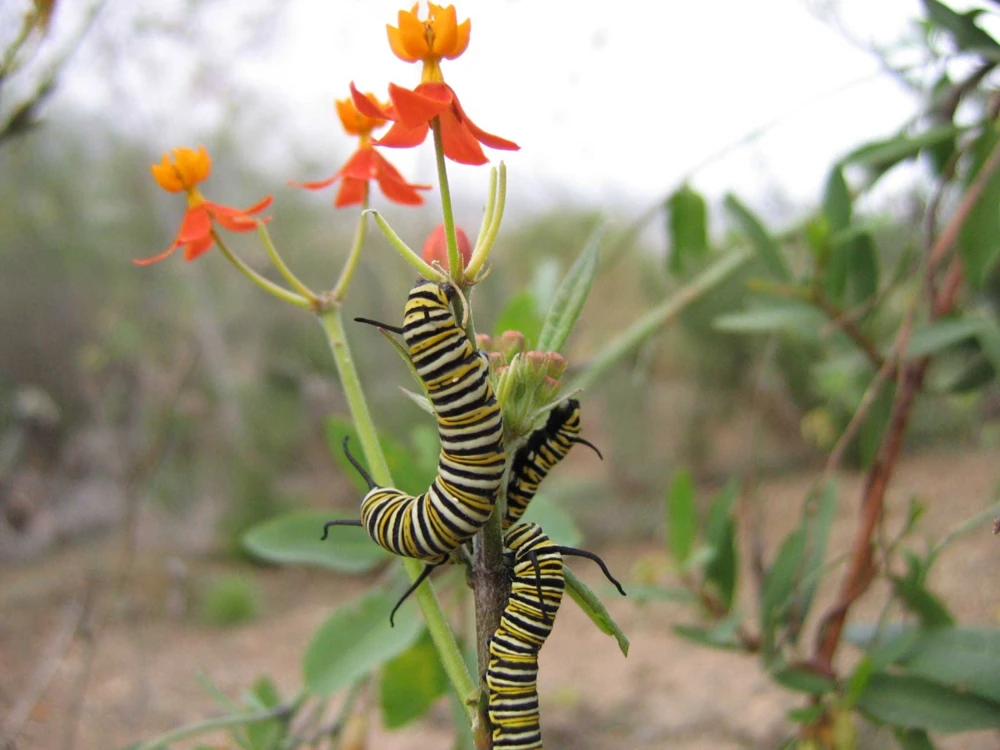
- Supports Monarch Butterflies: This plant is a primary larval host for monarch butterflies, including the African Monarch, Southern Monarch, and Jamaican Monarch, making it crucial for their survival and migration. Planting these scarlet milkweed seeds directly contributes to monarch conservation efforts.
- Attracts Diverse Pollinators: Beyond monarchs, Asclepias curassavica is a favorite nectar source for various butterflies like Queens, Soldiers, and Giant Swallowtails, as well as hummingbirds and bees, boosting pollination in your garden.
- Vibrant Garden Aesthetics: The bright red and yellow flowers provide a stunning visual contrast, adding a tropical and exotic touch to any garden or landscape. It’s a true attention-grabber.
- Low Maintenance: Once established, these plants are relatively easy to care for, thriving in full sun and drier soil conditions, requiring minimal intervention.
- Cut Flower Potential: The strong, exotic appearance of the blooms makes them an excellent choice for cut flower arrangements, bringing a touch of the wild indoors.
- Adaptable Growth: Suitable for USDA Hardiness Zones 8 to 11, this plant can be grown in a wide range of climates, tolerating various soil types as long as drainage is adequate.
- Educational Opportunity: Growing milkweed for monarchs offers a fantastic educational opportunity for children and adults to observe the butterfly life cycle firsthand.
Plant Care & Growing Tips
Cultivating Asclepias curassavica seeds into flourishing plants is a rewarding experience, especially when you follow these simple care guidelines. This plant thrives in conditions that mimic its natural habitat, requiring ample sunlight and well-drained soil. Begin by sowing your scarlet milkweed seeds in a location that receives full sun, meaning at least 6-8 hours of direct sunlight per day. While it can tolerate some partial shade, optimal flowering and growth for this monarch butterfly host plant occur in full sun exposure. Ensure the soil is on the drier side; Asclepias curassavica does not appreciate overly wet feet, which can lead to root rot. A sandy or loamy soil mixture with good drainage is ideal.
For watering, establish a routine that allows the soil to dry out between waterings. Once mature, these plants are quite drought-tolerant, making them an excellent choice for xeriscaping or gardens in drier climates. During prolonged dry spells, occasional deep watering will be beneficial. Fertilization is generally not heavily required; however, a light application of a balanced, slow-release fertilizer in early spring can promote vigorous growth and abundant blooms. Monitor your plants for common garden pests, though Asclepias species are generally robust. In colder regions, where winter temperatures drop below USDA zone 8, consider growing Asclepias curassavica as an annual or bringing potted specimens indoors.
It’s worth noting the discussion around Asclepias curassavica’s potential impact on monarch migration in warmer climates. Some gardeners choose to cut back their plants in late fall or winter to encourage monarchs to continue their migration rather than overwintering. This practice, while debated, aims to break the cycle of the Ophryocystis elektroscirrha (OE) parasite. Regardless of this consideration, providing milkweed for monarchs remains a critical effort for their conservation, and responsible gardening practices are always encouraged.
Size & Details
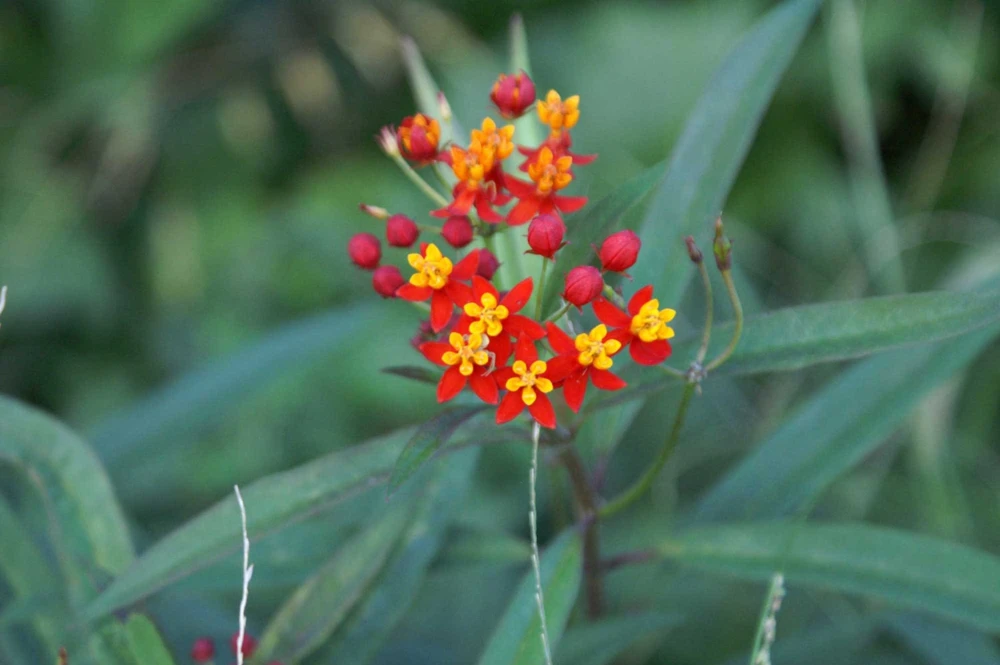
This offering includes 200 Asclepias curassavica seeds, providing a generous quantity for establishing a significant patch of these beautiful and ecologically important plants. When mature, Asclepias curassavica typically grows to a height of 2 to 4 feet (60-120 cm) with a similar spread, forming an upright, bushy perennial. The plants will produce clusters of vibrant red and orange-yellow flowers, which are highly attractive to pollinators. The seeds are ready for planting and should be sown according to local climate conditions, generally after the last frost. Expect germination within 10-20 days under ideal conditions, with flowering occurring in the first growing season if started early enough. The plants are robust and relatively fast-growing, quickly establishing themselves in your garden.
These scarlet milkweed seeds are ideal for creating a dedicated butterfly garden, adding to mixed perennial beds, or even growing in containers. The foliage is a rich green, providing a lush backdrop for the colorful blooms. The plant is known for its continuous blooming throughout the warmer months, offering a steady supply of nectar for visiting insects. While the seeds are small, they hold the promise of a vibrant, living ecosystem in your backyard, providing essential resources for the next generation of monarch butterflies and other beneficial garden visitors. The plant’s vigorous growth habit ensures a substantial presence in your landscape, making it a focal point for both beauty and wildlife interaction.
Frequently Asked Questions
- Q: How many Asclepias curassavica seeds are included? A: This package contains 200 Asclepias curassavica seeds, offering a plentiful supply for starting a new garden or expanding an existing one. This quantity allows for multiple plantings or sharing with fellow gardeners.
- Q: Is this an indoor or outdoor plant? A: While Asclepias curassavica thrives outdoors in full sun, especially in USDA Zones 8-11, it can be grown as an annual in colder climates or overwintered indoors in a sunny location. It’s primarily cultivated as an outdoor garden plant.
- Q: How much sunlight does Scarlet Milkweed need? A: For optimal growth and flowering, scarlet milkweed seeds should be planted in a location that receives full sun, meaning at least 6-8 hours of direct sunlight daily. This ensures vigorous growth and abundant blooms.
- Q: Is this plant easy to care for? A: Yes, once established, Asclepias curassavica is relatively low maintenance. It prefers well-draining soil and is quite drought-tolerant, making it a good choice for gardeners seeking an easy-care, high-impact plant.
- Q: What condition will the seeds arrive in? A: The Asclepias curassavica seeds will arrive in a protective packet, ensuring their viability and readiness for planting. They are carefully packaged to maintain their quality during transit.
- Q: How long until the plants bloom from seed? A: If started early in the growing season under optimal conditions, plants grown from these bloodflower seeds can typically bloom in their first year. Expect to see flowers generally within 3-4 months after germination.
- Q: Will it survive winter in my zone? A: Asclepias curassavica is perennial in USDA Hardiness Zones 8 to 11. In colder zones, it is often grown as an annual or can be brought indoors during winter to protect it from frost.
- Q: Why is Milkweed important for Monarchs? A: Milkweed for monarchs is vital because it is the only plant on which monarch butterflies lay their eggs. The leaves are the sole food source for monarch caterpillars, making it a critical part of their life cycle and the success of the species.
- Q: Can I grow these seeds in containers? A: Yes, Asclepias curassavica can be successfully grown in containers, especially in areas where it is not hardy year-round. Ensure the container has good drainage and is large enough to accommodate the plant’s mature size.
- Q: What type of soil does Asclepias curassavica prefer? A: This plant prefers well-draining soil that is on the drier side. A sandy or loamy mix is ideal, but it can adapt to various soil types as long as they are not waterlogged.
Be the first to review “Asclepias curassavica Seeds – Scarlet Milkweed – 200 Seeds – Attracts Monarchs”
Related products


Flower Plants
You May Like

How to Grow Passion Flower (Passiflora) for Tropical Blooms
Few climbing vines in the home garden command attention quite like the exotic Passion Flower (Passiflora). [...]
Nov

Thanksgiving Cactus Care: How to Get Thanksgiving Cactus to Bloom
Is your Thanksgiving cactus growing well but not giving you any flowers? Maybe it looked [...]
Nov

How to Grow Garlic for a Bountiful Home Harvest
Garlic (Allium sativum) is one of the most satisfying, low-maintenance, and flavor-packed crops you can [...]
Oct

Hardneck vs. Softneck Garlic: Which Should You Grow?
Have you ever stood in front of a seed catalog in mid-September, staring at dozens [...]
1 Comment
Oct

When to Plant Music Garlic: Ultimate US Fall Guide
Have you ever spent your fall weekend placing carefully chosen garlic cloves into rich, dark [...]
1 Comment
Oct

5 Best Bulbs for Fall Planting: Brighten Your Garden This Spring
Are you dreaming of a garden full of vibrant colors in the spring? The key [...]
Aug

10 Houseplants That Will Thrive in Your Kitchen
Are you tired of your kitchen feeling dull and lifeless? Want to add a little [...]
1 Comment
Aug
Reviews
There are no reviews yet.