
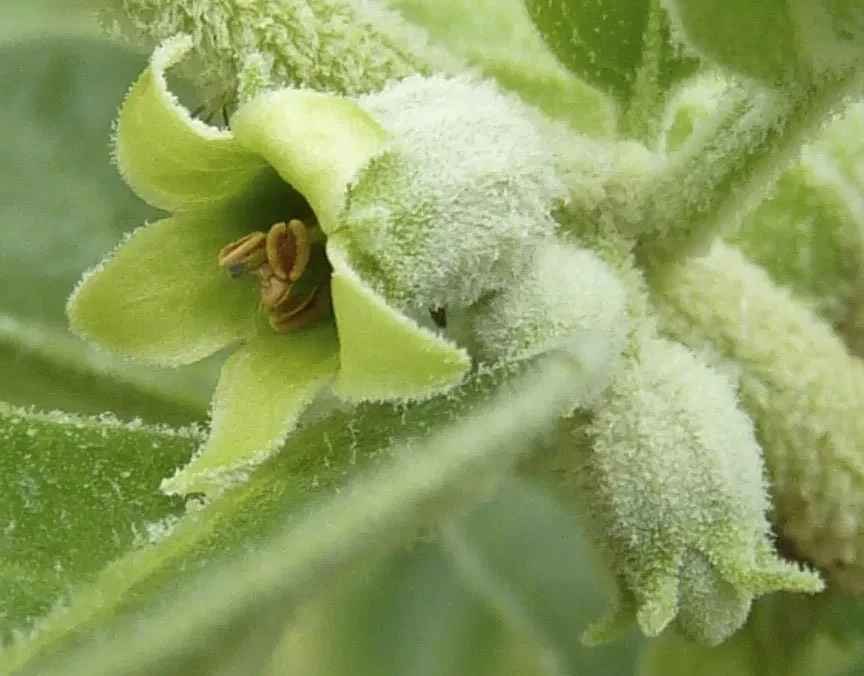
Ashwagandha Seeds – Withania somnifera – Indian Ginseng – 100 Seeds
Original price was: 48.91 $.19.91 $Current price is: 19.91 $.
Cultivate your own powerful herbal garden with these Ashwagandha seeds (Withania somnifera). Also known as Indian Ginseng seeds, these 100 seeds are perfect for growing this versatile plant. Enjoy its green and white flowers and numerous traditional uses.
Estimated arrival
Nov 27
Dec 02 - Dec 04
Dec 04 - Dec 09
See our Shipping Policy.
Get in touch with us via email, and our team will review your concerns.
Our Alive & Thrive Guarantee covers issues with your plants within the first 30 days. Read our Refund & Returns Policy.
-
USDA Hardiness Zone
Annual in most zones; Perennial in USDA Zones 10-11 -
Soil Type
Well-draining soil; sandy loam -
Sunlight Exposure
Full sun to partial shade -
Expected Planting Period
Spring to early summer (after last frost)
Overview
Embark on a rewarding gardening journey with our premium Ashwagandha seeds. Also known by its botanical name Withania somnifera, this incredible plant is a staple in traditional wellness practices and a fascinating addition to any garden. Often referred to as Indian Ginseng seeds or Winter Cherry, Ashwagandha is celebrated for its adaptability and unique properties. Each packet contains 100 viable seeds, providing ample opportunity to cultivate this robust and beneficial herb. Whether you’re a seasoned gardener or just starting out, growing Ashwagandha from seed is a fulfilling experience that connects you with nature’s ancient remedies. This tender perennial can thrive as an annual in most regions, bringing beauty and utility to your outdoor space.
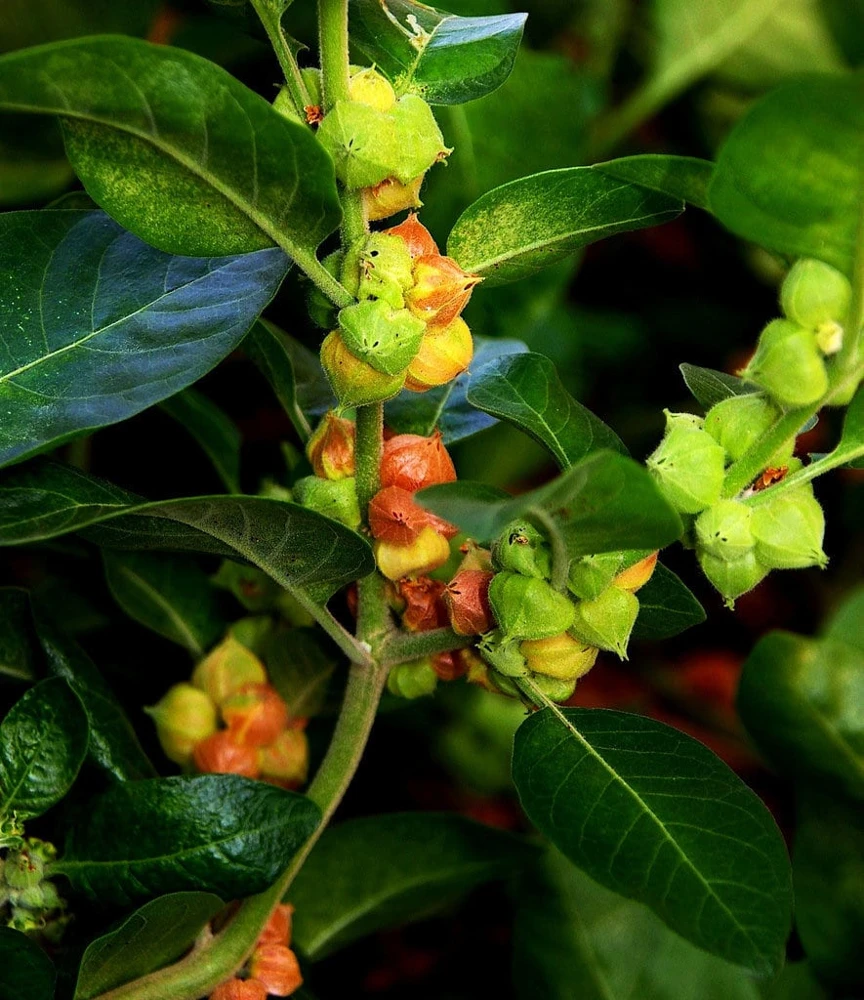
Our Ashwagandha seeds are sourced for their quality, ensuring a high germination rate for successful cultivation. The plant itself is visually appealing, featuring subtle green and white flowers that emerge from late spring through early fall. These blossoms not only add a touch of natural charm but also attract a diverse array of pollinators, including birds, bees, and butterflies, contributing to a vibrant garden ecosystem. Growing up to 4 feet tall, Withania somnifera is a resilient plant that adapts well to various conditions, making it an excellent choice for a wide range of climates and gardening styles.
Key Benefits
Growing Ashwagandha from seed offers a multitude of benefits, from enhancing your garden’s biodiversity to providing a source of a historically significant herb. This versatile plant brings both aesthetic and practical advantages to your home and garden.
- Medicinal and Culinary Uses:Ashwagandha is renowned for its adaptogenic properties in traditional medicine. Beyond that, its seeds can be used to curdle plant milk for vegan cheeses, and the leaves can be crushed as a natural insect repellent.
- Attracts Pollinators: The subtle green and white flowers of Withania somnifera are a magnet for beneficial insects like bees and butterflies, as well as various bird species, promoting a healthy and lively garden environment.
- Adaptable Growth: This plant is highly adaptable, thriving in full sun but also tolerating partial shade. It can be grown as an annual in cooler climates or as a tender perennial in warmer USDA Zones.
- Natural Pest Repellent: The leaves of the Ashwagandha plant can be utilized to create a natural insect repellent, offering an eco-friendly solution for pest control in your garden and home.
- Unique Plant Parts: Beyond the roots and leaves, the fruit pulp can be used as a soap substitute, showcasing the plant’s diverse applications and making it a truly multi-purpose botanical.
- Easy to Grow from Seed: Our Ashwagandha seeds are straightforward to germinate and cultivate, making them an excellent project for gardeners of all skill levels who wish to grow Ashwagandha from seed.
- Drought Tolerance: Once established, Ashwagandha demonstrates good drought tolerance, requiring less frequent watering compared to many other garden plants, which is ideal for water-conscious gardening.
Plant Care & Growing Tips
To successfully grow Ashwagandha seeds, understanding its specific care requirements is crucial. This plant, also known as Winter Cherry seeds, thrives in conditions that mimic its native environment. Begin by sowing seeds indoors 6-8 weeks before the last frost date in your area. Use a good quality seed-starting mix and cover the seeds lightly, as they require light to germinate. Maintain a consistent soil temperature of 70-75°F (21-24°C) for optimal germination, which typically occurs within 1-3 weeks. Once seedlings have developed a few true leaves, they can be transplanted into larger pots.
When transplanting outdoors, choose a location that receives full sun, although Withania somnifera can tolerate partial shade, especially in hotter climates. Ensure the soil is well-draining, as Ashwagandha does not like wet feet. A sandy loam or loamy soil with a pH between 7.5 and 8.0 is ideal. Water regularly during the initial growth phase, but once established, the plant becomes quite drought-tolerant. In USDA Hardiness Zones 10 to 11, it can be grown as a tender perennial, surviving the winter. In colder zones, it is typically cultivated as an annual. Fertilize sparingly with a balanced organic fertilizer if your soil is poor, but generally, Ashwagandha is not a heavy feeder. Watch out for common garden pests, though the plant’s leaves can also be used as a repellent.
Harvesting usually occurs after 150-180 days when the berries are ripe and the leaves begin to dry. The roots, which are the most commonly used part, are typically harvested in the fall. Proper care ensures a bountiful harvest and a healthy, thriving plant from your Indian Ginseng seeds.
Size & Details
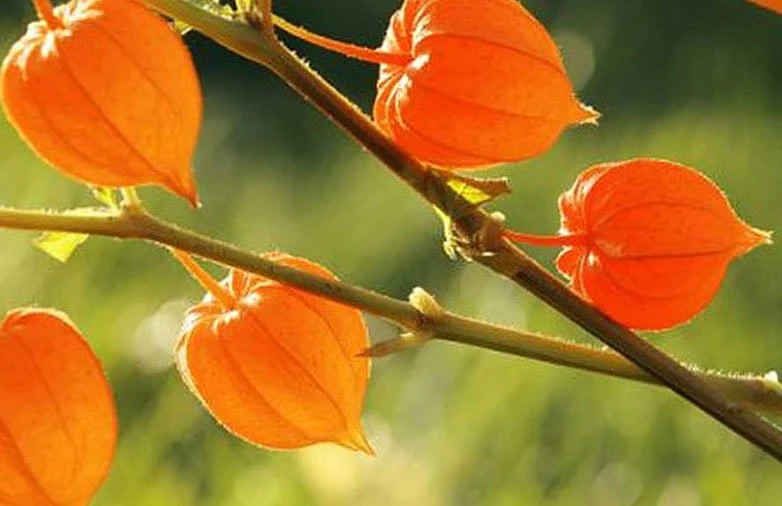
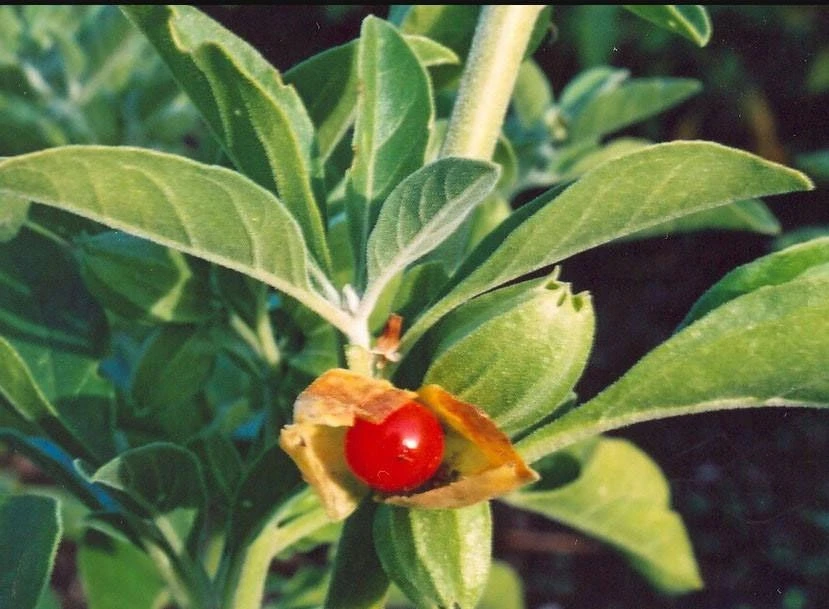
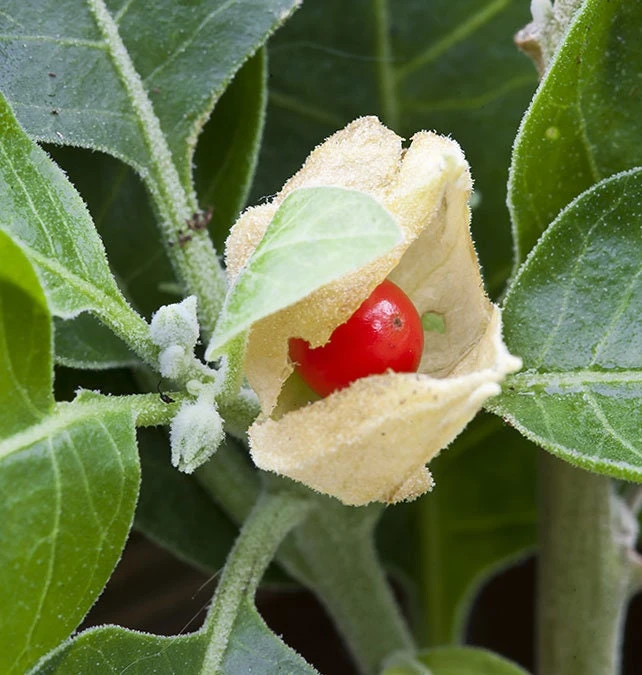
Each packet contains 100 Ashwagandha seeds (Withania somnifera), offering a generous supply for your gardening endeavors. These seeds will grow into plants that typically reach a height of about 3 to 4 feet (90-120 cm) with a similar spread, forming a bushy, upright habit. The plants exhibit a moderate growth rate, reaching maturity and producing flowers from late spring through early fall. The small green and white flowers are followed by small, orange-red berries encased in a papery calyx, resembling tiny lanterns.
These Ashwagandha seeds are suitable for planting in a variety of settings, from dedicated herb gardens to mixed perennial borders or even large containers. In colder climates (below USDA Zone 10), it is best treated as an annual and replanted each spring. For those in warmer zones, the plant will behave as a tender perennial, returning year after year. The roots, which are the most sought-after part for their traditional uses, develop well in loose, well-draining soil. Expect a full harvest of roots in the autumn of the first growing season when grown as an annual, or after the second year for perennials.
Frequently Asked Questions
- Q: How big does the Ashwagandha plant get? A: The Ashwagandha plant typically grows to about 3 to 4 feet tall and can have a similar spread, forming a bushy appearance in your garden.
- Q: Is this an indoor or outdoor plant? A: While it can be started indoors, Ashwagandha thrives outdoors in full sun to partial shade. In USDA Zones 10-11, it’s a tender perennial; elsewhere, it’s usually grown as an annual.
- Q: How much sunlight does Ashwagandha need? A: Withania somnifera prefers full sun for optimal growth but can tolerate partial shade, especially in regions with intense summer heat.
- Q: Is this plant easy to care for? A: Yes, Ashwagandha seeds are relatively easy to grow. Once established, the plant is quite hardy and drought-tolerant, making it suitable for gardeners of various skill levels.
- Q: What condition will the Ashwagandha seeds arrive in? A: Your Ashwagandha seeds will arrive as dry, viable seeds, ready for planting. They are carefully packaged to ensure their quality during transit.
- Q: Can I use Ashwagandha in cooking? A: While the roots are primarily used for traditional wellness, the seeds can be used to curdle plant milk for vegan cheeses. The leaves also have applications as an insect repellent.
- Q: How long until Ashwagandha blooms? A: Ashwagandha plants typically begin to blossom with small green and white flowers from late spring until early fall, usually within a few months of planting from seed.
- Q: When is the best time to plant Ashwagandha seeds? A: For most climates, it’s best to start Ashwagandha seeds indoors 6-8 weeks before the last expected frost date in spring.
- Q: Will Ashwagandha survive winter in my zone? A: Ashwagandha is a tender perennial that will survive winter outdoors in USDA Hardiness Zones 10 to 11. In colder zones, it is typically grown as an annual.
- Q: What kind of soil does Ashwagandha prefer? A: Indian Ginseng seeds will grow best in well-draining soil, ideally a sandy loam or loamy soil with a slightly alkaline pH.
Be the first to review “Ashwagandha Seeds – Withania somnifera – Indian Ginseng – 100 Seeds”
Related products


Herb Seeds
Great Saint John’s Wort Seeds – Hypericum Pyramidatum – 1500 Count – Yellow Flower Herb – Zones 2-10


You May Like

How to Grow Passion Flower (Passiflora) for Tropical Blooms
Few climbing vines in the home garden command attention quite like the exotic Passion Flower (Passiflora). [...]
Nov

Thanksgiving Cactus Care: How to Get Thanksgiving Cactus to Bloom
Is your Thanksgiving cactus growing well but not giving you any flowers? Maybe it looked [...]
Nov

How to Grow Garlic for a Bountiful Home Harvest
Garlic (Allium sativum) is one of the most satisfying, low-maintenance, and flavor-packed crops you can [...]
Oct

Hardneck vs. Softneck Garlic: Which Should You Grow?
Have you ever stood in front of a seed catalog in mid-September, staring at dozens [...]
1 Comment
Oct

When to Plant Music Garlic: Ultimate US Fall Guide
Have you ever spent your fall weekend placing carefully chosen garlic cloves into rich, dark [...]
1 Comment
Oct

5 Best Bulbs for Fall Planting: Brighten Your Garden This Spring
Are you dreaming of a garden full of vibrant colors in the spring? The key [...]
Aug

10 Houseplants That Will Thrive in Your Kitchen
Are you tired of your kitchen feeling dull and lifeless? Want to add a little [...]
1 Comment
Aug
Reviews
There are no reviews yet.