
Bloodgood Japanese Maple Seeds – 20 Count – Outdoor Tree Seeds
Original price was: 19.98 $.15.99 $Current price is: 15.99 $.
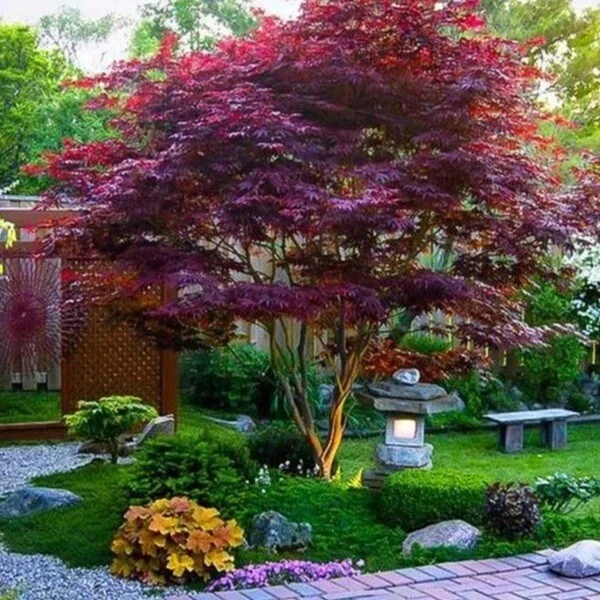
Cultivate the iconic Bloodgood Japanese Maple in your own garden with this pack of 20 premium seeds. Known for its striking green and purple foliage and elegant form, this ornamental tree adds year-round beauty to any outdoor space. Perfect for creating a serene landscape.
Estimated arrival
Nov 29
Dec 04 - Dec 06
Dec 06 - Dec 11
See our Shipping Policy.
Get in touch with us via email, and our team will review your concerns.
Our Alive & Thrive Guarantee covers issues with your plants within the first 30 days. Read our Refund & Returns Policy.
-
USDA Hardiness Zone
USDA zones 5-8 -
Soil Type
Well-draining, slightly acidic soil -
Sunlight Exposure
Partial sun to partial shade -
Expected Planting Period
Early spring after stratification
Overview
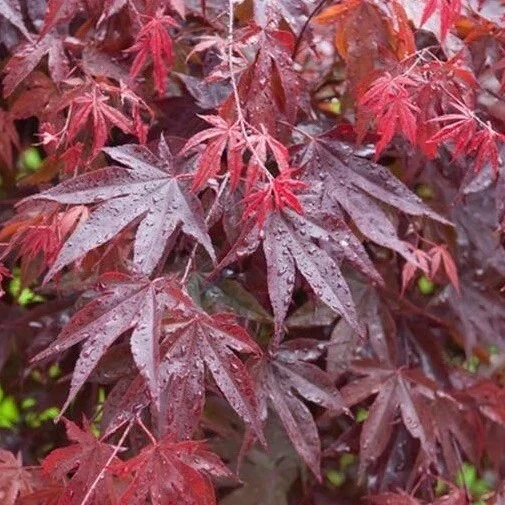
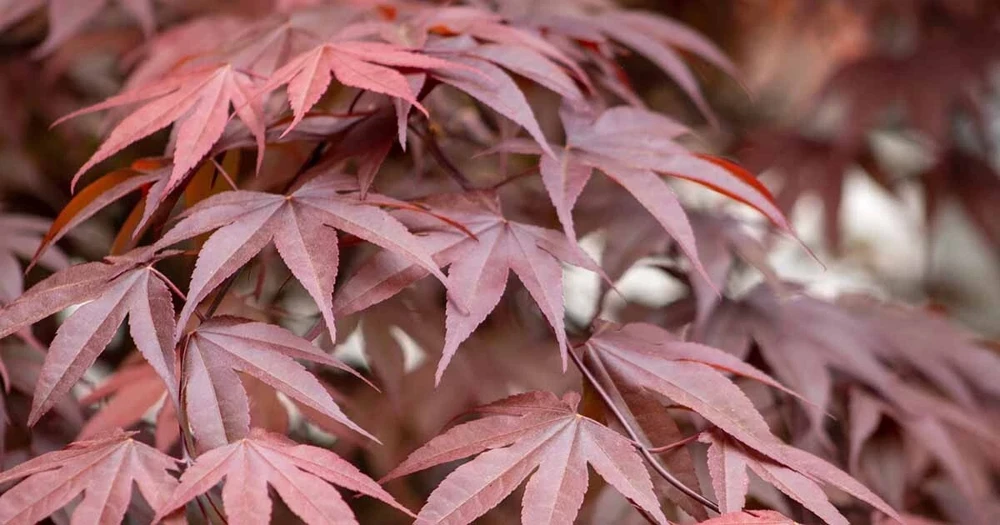
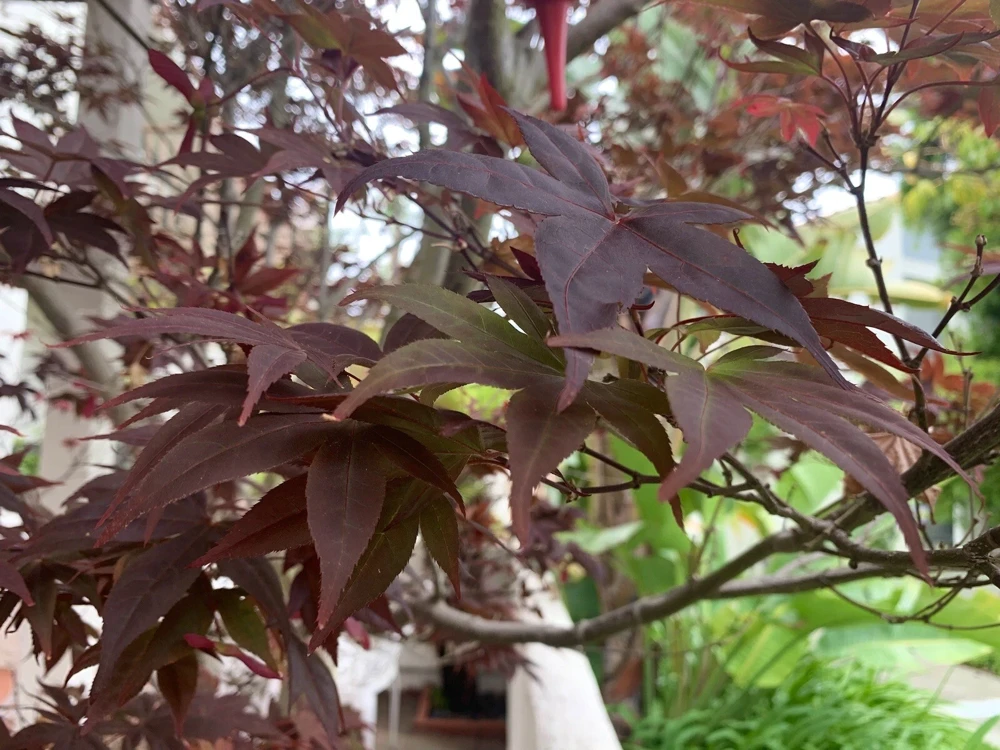
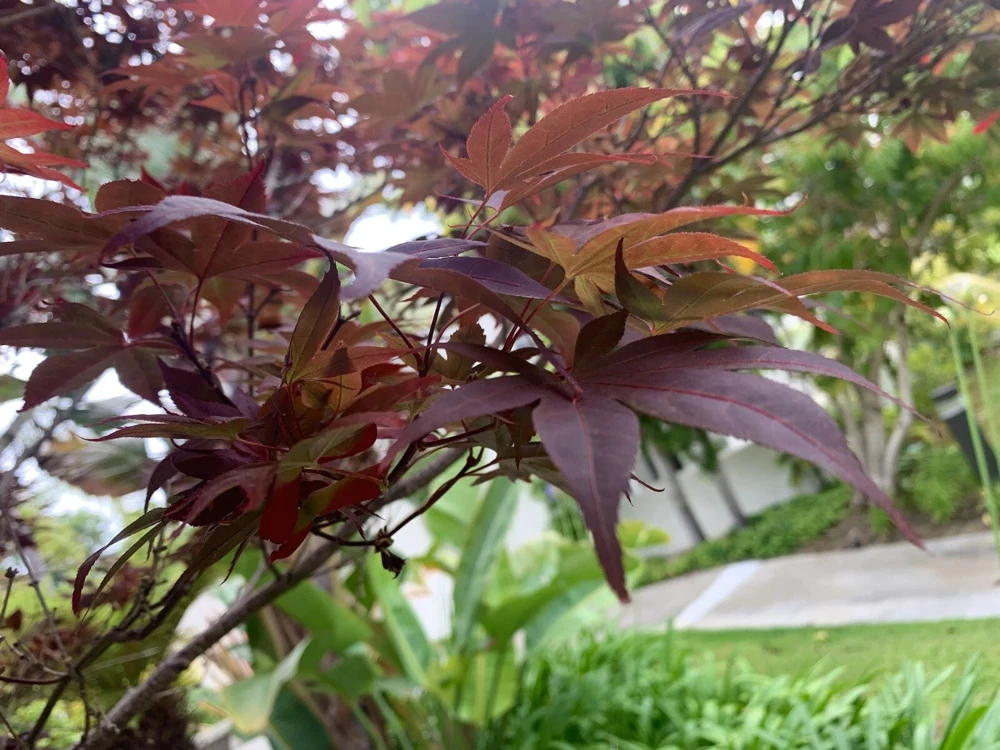
Embark on a rewarding gardening journey with these premium Bloodgood Japanese Maple seeds. The ‘Bloodgood’ cultivar of Acer palmatum is celebrated for its distinctive deep green leaves that mature to a rich purple-red, offering a spectacular display throughout the seasons. These 20 high-quality seeds provide an excellent opportunity to grow your own magnificent Japanese Maple trees, known for their graceful habit and vibrant fall colors. Ideal for creating a focal point in any garden, patio, or landscape design, the Bloodgood Japanese Maple is a favorite among enthusiasts for its resilience and aesthetic appeal. Growing your own Japanese Maple tree seeds allows you to nurture these beautiful specimens from their very beginning, observing their unique development.
Key Benefits
Growing a Bloodgood Japanese Maple from seed offers numerous advantages, transforming your outdoor space into a haven of natural beauty and tranquility. These benefits extend beyond mere aesthetics, contributing to a richer gardening experience.
- Stunning Visual Appeal: The ‘Bloodgood’ variety is renowned for its captivating foliage. Leaves emerge green, transition to a deep purple-red during summer, and burst into brilliant crimson in the autumn, providing continuous seasonal interest. This makes them perfect for adding dramatic color to your garden.
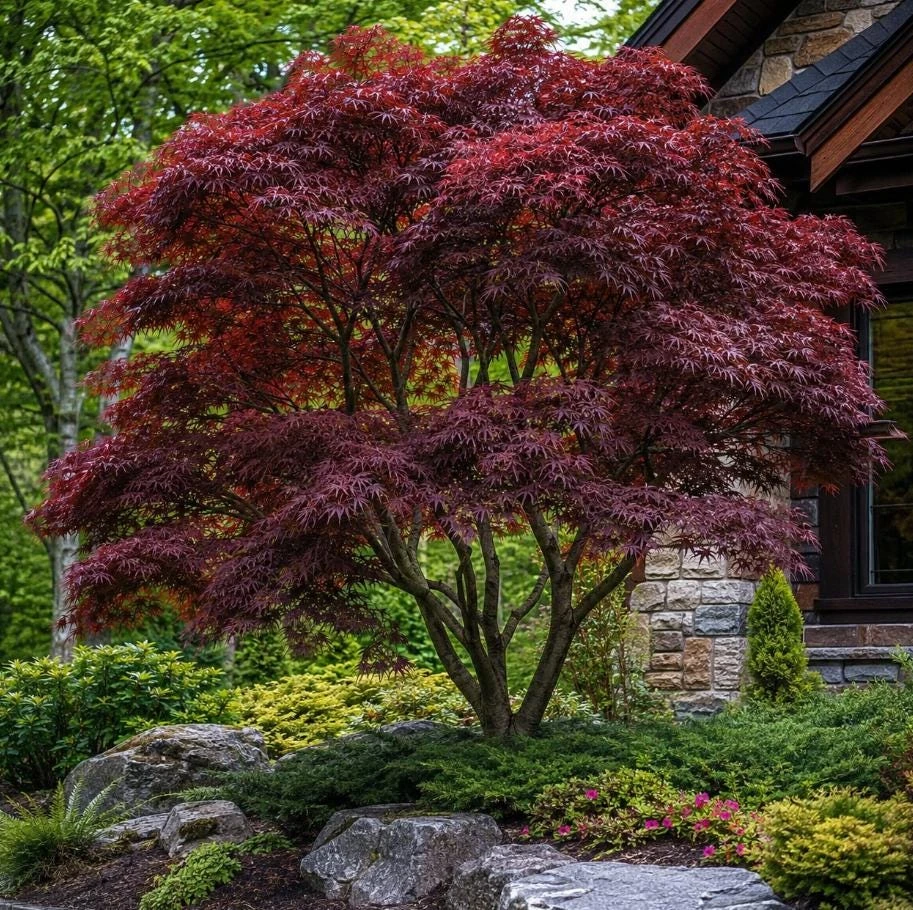
- Elegant Form and Structure:Bloodgood Japanese Maple trees typically develop a graceful, upright, and spreading canopy, making them ideal as specimen trees or for accentuating garden beds and borders. Their delicate branches and intricate leaf shapes add a touch of sophistication.
- Versatile Landscaping Element: Whether you’re designing a tranquil Japanese garden, a contemporary landscape, or simply enhancing your backyard, these trees fit seamlessly. They are suitable for planting near ponds, as focal points, or in large containers.
- Long-Term Investment: Nurturing a tree from seed is a fulfilling long-term project. A well-cared-for Bloodgood Japanese Maple can live for many decades, becoming a cherished part of your property and increasing its value.
- Hardy and Adaptable: The ‘Bloodgood’ cultivar is known for its hardiness and ability to adapt to various soil conditions, provided they are well-draining. This makes it a relatively low-maintenance option for many gardeners seeking to grow Japanese Maple trees.
- Attracts Beneficial Wildlife: While not a primary food source, the tree’s structure and shade can provide shelter for small birds and other garden creatures, contributing to a healthier ecosystem.
- Educational Experience: For families and budding gardeners, planting and caring for Bloodgood Japanese Maple seeds offers an invaluable educational experience about plant life cycles, patience, and environmental care.
Plant Care & Growing Tips
Successfully cultivating your Bloodgood Japanese Maple seeds requires attention to specific environmental factors and consistent care. Starting with proper stratification is crucial for germination. Place seeds in a moist medium (like peat moss or sand) in a sealed bag and refrigerate for 90-120 days to mimic winter conditions. After stratification, sow seeds in well-draining soil, about 1/4 inch deep. Maintain consistent moisture without overwatering.
Once seedlings emerge, provide them with partial shade, especially during the hottest parts of the day. Bloodgood Japanese Maple trees thrive in locations with morning sun and afternoon shade, which protects their delicate foliage from scorching. They prefer rich, slightly acidic (pH 6.0-7.0), well-draining soil. Avoid heavy clay soils that retain too much water, as this can lead to root rot. Regular watering is essential, especially during dry periods and for young plants. The soil should remain consistently moist but never waterlogged. Reduce watering in fall as the plant prepares for dormancy.
These trees are generally hardy in USDA Zones 5-8. Protect young trees from harsh winter winds and extreme summer heat. Fertilize sparingly in spring with a balanced, slow-release fertilizer designed for trees and shrubs, or one specifically formulated for acid-loving plants. Avoid fertilizing too late in the season, as this can encourage new growth that is vulnerable to early frosts. Pruning should be done in late winter or early spring while the tree is dormant, focusing on removing dead, damaged, or crossing branches to maintain its natural form. Proper care will help your Acer palmatum Bloodgood thrive.
Size & Details
This package contains 20 Bloodgood Japanese Maple seeds, providing ample opportunity to cultivate these magnificent trees. When mature, a Bloodgood Japanese Maple typically reaches a height of 15-20 feet with a similar spread, forming a beautiful, rounded canopy. The growth rate is moderate, usually adding 1-2 feet per year under optimal conditions. These seeds are intended for outdoor cultivation, where the trees can develop their full potential and characteristic form. Each seed has the genetic potential to grow into a stately ornamental tree, known for its vibrant green and purple-red foliage.
The seeds are ready for stratification and planting, offering a fresh start for your garden project. While germination rates can vary, starting with 20 seeds increases your chances of successfully growing multiple saplings. The mature tree will offer year-round interest, from its spring foliage to its stunning fall color, making it a valuable addition to any landscape. The seeds will eventually grow into a tree that will be a significant focal point, enhancing the beauty and tranquility of your outdoor living space for decades to come.
Frequently Asked Questions
- Q: How long does it take for Bloodgood Japanese Maple seeds to germinate? A: After proper cold stratification (typically 90-120 days), germination can take anywhere from a few weeks to several months, depending on conditions. Patience is key when growing Bloodgood Japanese Maple seeds.
- Q: What is the best time to plant these seeds? A: After cold stratification, the best time to sow the seeds is in early spring, once the danger of hard frost has passed. This mimics their natural germination cycle.
- Q: How much sunlight do Bloodgood Japanese Maples need? A: They prefer partial shade, especially protection from intense afternoon sun. Morning sun and afternoon shade is ideal to prevent leaf scorch and ensure vibrant foliage color for your Acer palmatum Bloodgood.
- Q: Are these seeds suitable for growing indoors? A: While you can start the seeds indoors, Bloodgood Japanese Maple trees are primarily outdoor specimens. They require outdoor conditions to thrive and reach their mature size and form.
- Q: What kind of soil is best for growing Japanese Maples from seed? A: Use a well-draining, slightly acidic soil mix. A blend of potting soil, peat moss, and perlite or sand works well to ensure good drainage and aeration for your Japanese Maple tree seeds.
- Q: How often should I water the seedlings? A: Keep the soil consistently moist but not waterlogged. Allow the top inch of soil to dry slightly before watering again to prevent fungal issues.
- Q: What USDA hardiness zones are suitable for Bloodgood Japanese Maples? A: Bloodgood Japanese Maples are generally hardy in USDA Zones 5-8. They can tolerate colder temperatures with proper protection and thrive in these regions.
- Q: How tall will a Bloodgood Japanese Maple grow? A: A mature Bloodgood Japanese Maple typically reaches a height of 15-20 feet with a similar spread, creating a beautiful, rounded silhouette in your garden.
- Q: Do I need to fertilize young Bloodgood Japanese Maples? A: Fertilize sparingly with a balanced, slow-release fertilizer in spring, once the seedlings are well-established. Over-fertilizing can harm young plants.
- Q: What are the main challenges when trying to grow Japanese Maple? A: Common challenges include ensuring proper seed stratification, protecting young seedlings from pests and harsh weather, and maintaining consistent soil moisture. However, with attention, successfully growing Bloodgood Japanese Maple is very rewarding.
Be the first to review “Bloodgood Japanese Maple Seeds – 20 Count – Outdoor Tree Seeds”
Related products


Tree Seeds
Canino Olive Tree Seeds – 10 Pack Olea Europaea Canino for Edible Olives, Full Sun, Zones 9-11


You May Like

How to Grow Passion Flower (Passiflora) for Tropical Blooms
Few climbing vines in the home garden command attention quite like the exotic Passion Flower (Passiflora). [...]
Nov

Thanksgiving Cactus Care: How to Get Thanksgiving Cactus to Bloom
Is your Thanksgiving cactus growing well but not giving you any flowers? Maybe it looked [...]
Nov

How to Grow Garlic for a Bountiful Home Harvest
Garlic (Allium sativum) is one of the most satisfying, low-maintenance, and flavor-packed crops you can [...]
Oct

Hardneck vs. Softneck Garlic: Which Should You Grow?
Have you ever stood in front of a seed catalog in mid-September, staring at dozens [...]
1 Comment
Oct

When to Plant Music Garlic: Ultimate US Fall Guide
Have you ever spent your fall weekend placing carefully chosen garlic cloves into rich, dark [...]
1 Comment
Oct

5 Best Bulbs for Fall Planting: Brighten Your Garden This Spring
Are you dreaming of a garden full of vibrant colors in the spring? The key [...]
Aug

10 Houseplants That Will Thrive in Your Kitchen
Are you tired of your kitchen feeling dull and lifeless? Want to add a little [...]
1 Comment
Aug
Reviews
There are no reviews yet.