
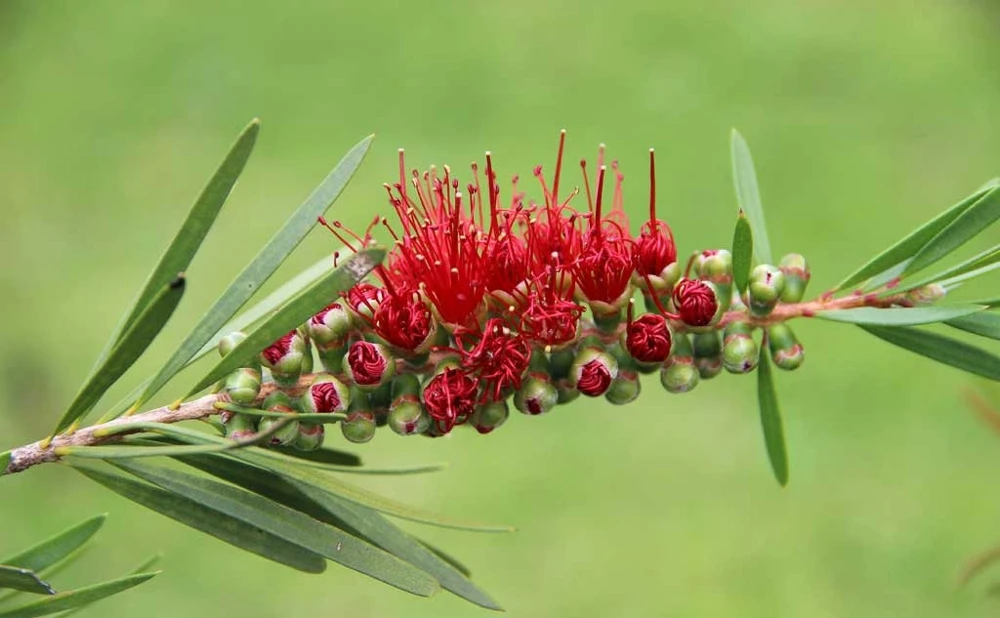
Callistemon citrinus Lemon Bottlebrush Seeds – 1000 Count – Attracts Hummingbirds
Original price was: 48.91 $.19.91 $Current price is: 19.91 $.
Discover the beauty of lemon bottlebrush seeds (Callistemon citrinus). This 1000-count seed pack allows you to grow a vibrant, fragrant shrub that is a magnet for hummingbirds, bees, and butterflies. Perfect for sunny gardens in USDA Zones 8-10.
Estimated arrival
Nov 26
Dec 01 - Dec 03
Dec 03 - Dec 08
See our Shipping Policy.
Get in touch with us via email, and our team will review your concerns.
Our Alive & Thrive Guarantee covers issues with your plants within the first 30 days. Read our Refund & Returns Policy.
-
USDA Hardiness Zone
8 to 10 -
Soil Type
Well-draining soil -
Sunlight Exposure
Full sun -
Expected Planting Period
Spring to early summer
Overview
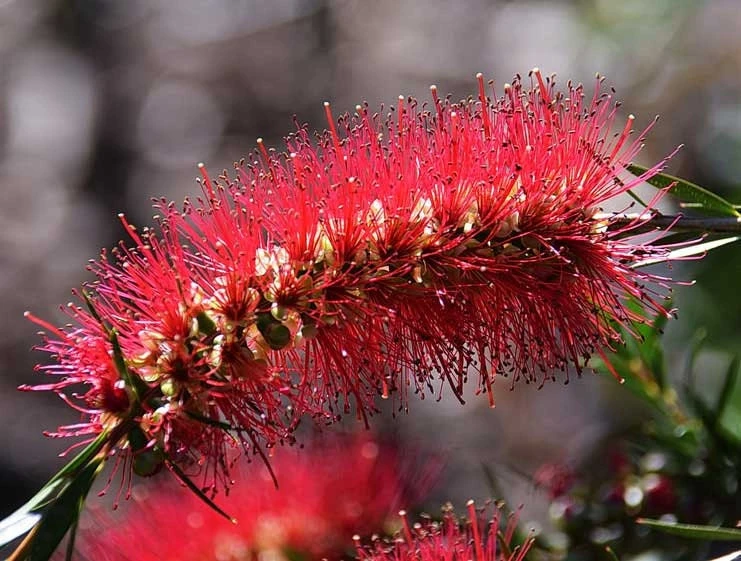
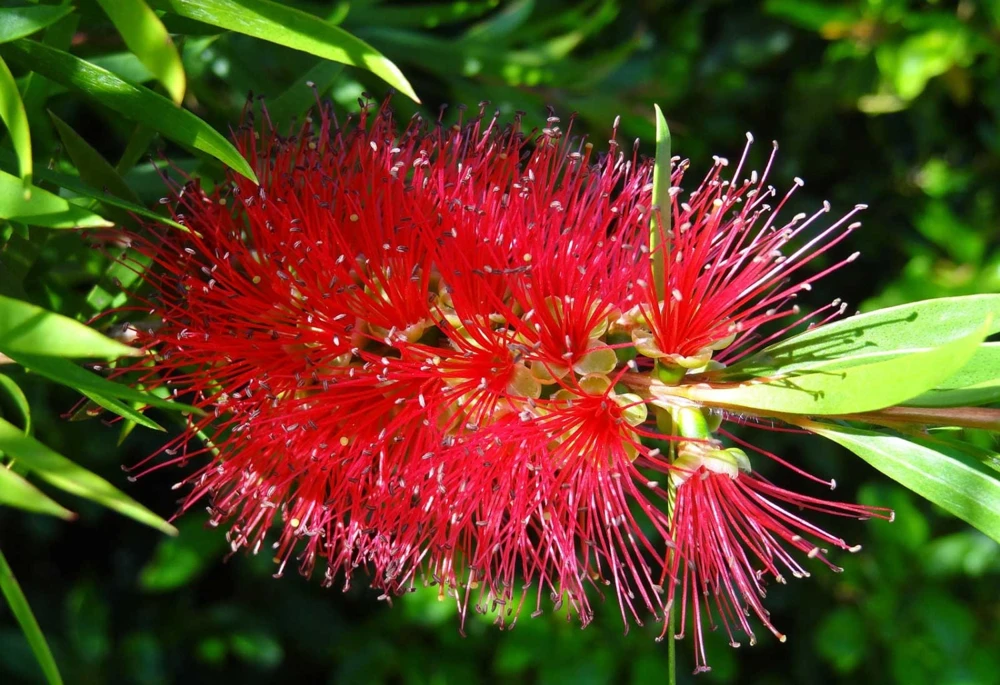
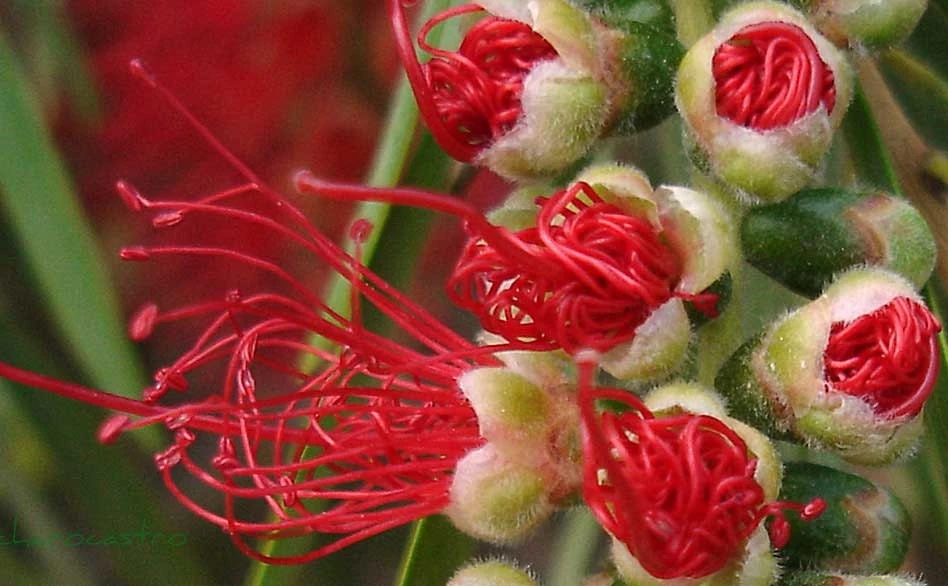
Embark on a rewarding gardening journey with lemon bottlebrush seeds, scientifically known as Callistemon citrinus. This offering provides a generous 1000-count pack of high-quality seeds, enabling you to cultivate numerous stunning plants. Also commonly referred to as Crimson Bottlebrush, this eye-catching shrub is celebrated for its distinctive, brush-like red flowers that bloom profusely from mid-spring through mid-summer. Growing to a maximum height of about 8 feet, the Lemon Bottlebrush is a magnificent addition to any landscape, especially those seeking to introduce vibrant color and captivating fragrance. Its alluring scent and nectar-rich blooms make it an irresistible draw for local wildlife, including hummingbirds, bees, and butterflies, turning your garden into a lively sanctuary.
These callistemon citrinus seeds are perfect for gardeners looking to create a low-maintenance yet spectacular display. The plant thrives in full sun conditions, making it an excellent choice for sunny borders, specimen plantings, or as an informal hedge. Its evergreen foliage provides year-round interest, ensuring your garden maintains its charm even when not in bloom. With its hardy nature and adaptability, the Lemon Bottlebrush is a fantastic option for various garden styles, from native plant gardens to more formal designs. Cultivating these seeds offers a fulfilling experience, culminating in a mature plant that delivers both aesthetic appeal and ecological benefits.
Key Benefits
The Lemon Bottlebrush offers a multitude of benefits that make it a standout choice for any garden. Its unique characteristics contribute significantly to both the beauty and biodiversity of your outdoor space. Growing lemon bottlebrush seeds allows you to enjoy these advantages firsthand:
- Attracts Pollinators and Wildlife: The vibrant crimson flowers are a powerful magnet for hummingbirds, bees, and butterflies, enriching your garden’s ecosystem and providing endless opportunities for wildlife observation. This makes it an ideal plant for creating a vibrant, living landscape.
- Stunning Visual Appeal: The distinctive, brush-like red flowers are incredibly showy and provide a dramatic focal point in any garden setting. The evergreen foliage adds year-round texture and color, ensuring visual interest regardless of the season.
- Wonderful Fragrance: Beyond its visual beauty, the Lemon Bottlebrush emits a delightful fragrance that enhances the sensory experience of your garden. The sweet scent is particularly noticeable when the plant is in full bloom, inviting you to linger outdoors.
- Drought Tolerant and Low Maintenance: Once established, Callistemon citrinus is remarkably drought-tolerant, requiring minimal watering. Its robust nature means it generally requires little care, making it an excellent choice for busy gardeners or those in drier climates.
- Versatile Landscape Use: This shrub can be used in various garden applications, from a striking specimen plant to an attractive informal hedge, or even in large containers. Its adaptability allows it to fit seamlessly into diverse landscape designs.
- Long Blooming Period: Enjoy a prolonged display of color with blooms lasting from mid-spring through mid-summer. This extended flowering period ensures your garden remains vibrant and attractive for several months.
- Hardy and Resilient: Suitable for USDA Hardiness Zones 8 to 10, the Lemon Bottlebrush is a resilient plant that can withstand a range of conditions, offering reliable performance year after year. Learning about bottlebrush plant care will ensure its longevity.
Plant Care & Growing Tips
Growing callistemon citrinus seeds into robust, flowering shrubs requires attention to a few key environmental factors. The Lemon Bottlebrush is generally easy to care for once established, making it a rewarding plant for both novice and experienced gardeners. Proper cultivation begins with understanding its preferred conditions.
Sunlight Requirements: This plant absolutely thrives in full sun. For optimal growth and the most abundant blooms, ensure your Lemon Bottlebrush receives at least 6-8 hours of direct sunlight per day. While it can tolerate partial shade, flowering may be reduced. When planting from crimson bottlebrush seeds, choose a location that maximizes sun exposure throughout the day.
Watering Schedule and Soil Moisture: During the establishment phase (the first year after planting), water regularly to keep the soil consistently moist but not waterlogged. Once mature, the Lemon Bottlebrush is quite drought-tolerant and can withstand periods of dry conditions. Water deeply but infrequently, allowing the top few inches of soil to dry out between waterings. Overwatering can lead to root rot, so good drainage is crucial.
Soil Type and Drainage: Callistemon citrinus prefers well-draining soil. It can adapt to a variety of soil types, including sandy, loamy, or clay soils, as long as drainage is adequate. Amending heavy clay soils with organic matter can improve drainage. A slightly acidic to neutral pH is generally preferred. When preparing your garden bed for your hummingbird attracting seeds, ensure the soil is loose and well-aerated.
Temperature Range and USDA Hardiness Zone: The Lemon Bottlebrush is best suited for USDA Hardiness Zones 8 to 10. In these zones, it can typically withstand winter temperatures without significant damage. In colder zones, it can be grown as an annual or overwintered indoors in a container. Protect young plants from hard frosts.
Fertilization: Fertilize sparingly, especially once the plant is established. An annual application of a balanced, slow-release fertilizer in early spring is usually sufficient. Avoid high-phosphorus fertilizers, as bottlebrushes are sensitive to phosphorus. Established plants in good soil may not require any fertilization at all. Understanding proper bottlebrush plant care includes knowing when and how much to fertilize.
Pruning: Prune after the main flowering period to maintain shape, encourage bushier growth, and promote a second flush of blooms. Remove spent flower spikes and any dead or crossing branches. Light, regular pruning is better than heavy, infrequent pruning.
Common Problems: Generally pest and disease resistant. Watch for scale insects or mealybugs, which can be treated with horticultural oil. Root rot can occur in poorly drained soils, so ensure proper site selection and watering practices.
Size & Details
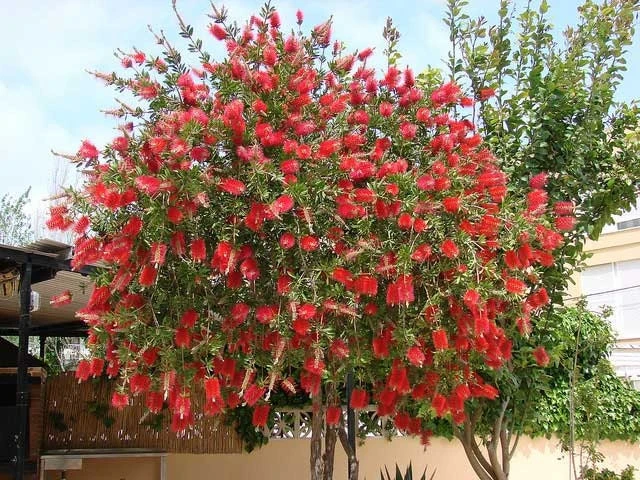
The Lemon Bottlebrush (Callistemon citrinus) typically grows as a medium to large shrub, reaching a mature height of approximately 6 to 8 feet (1.8 to 2.4 meters) with a spread of 4 to 6 feet (1.2 to 1.8 meters). Its growth rate is considered moderate, allowing it to establish itself within a few seasons. This offering provides 1000 lemon bottlebrush seeds, giving you ample opportunity to cultivate multiple plants or to share with fellow gardening enthusiasts. The seeds are packaged to ensure viability upon arrival, ready for planting. Once germinated, seedlings will develop into robust plants, typically beginning to flower within 2-3 years, depending on growing conditions and care. The plant develops a woody stem structure, supporting its dense, evergreen foliage and providing a strong framework for its spectacular crimson blooms. Expect a significant presence in your garden as these plants mature, creating a vibrant display and a haven for pollinators.
Frequently Asked Questions
- Q: How big does this plant get from lemon bottlebrush seeds? A: The Lemon Bottlebrush typically grows to a maximum height of about 8 feet and can spread 4 to 6 feet wide. Its size makes it suitable for a prominent spot in the garden or as a striking informal hedge.
- Q: Is this an indoor or outdoor plant? A: Callistemon citrinus is primarily an outdoor plant, thriving in full sun. It is suitable for outdoor cultivation in USDA Hardiness Zones 8 to 10. In colder climates, it can be grown in containers and brought indoors during winter.
- Q: How much sunlight does the Lemon Bottlebrush need? A: For optimal growth and prolific flowering, the Lemon Bottlebrush requires at least 6 to 8 hours of direct sunlight per day. It performs best in a full sun exposure.
- Q: Is this plant easy to care for, especially for beginners? A: Yes, once established, the Lemon Bottlebrush is considered a low-maintenance plant. It is drought-tolerant and generally pest-resistant, making it a good choice for gardeners of all experience levels. Proper initial planting and watering are key.
- Q: What condition will the callistemon citrinus seeds arrive in? A: The seeds will arrive in a protective package, ensuring they are viable and ready for planting. They are dry seeds, not live plants, and should be stored in a cool, dry place until ready to sow.
- Q: How long until the plant blooms from seed? A: Typically, Lemon Bottlebrush plants grown from seed will begin to flower within 2 to 3 years after germination, depending on growing conditions and care. Patience is a virtue when growing from seed.
- Q: What’s the minimum temperature this plant can tolerate? A: The Lemon Bottlebrush is hardy in USDA Zones 8 to 10, meaning it can generally tolerate winter temperatures down to about 10-20°F (-12 to -6°C). Protection may be needed in the lower end of its hardiness range during severe cold snaps.
- Q: Do these hummingbird attracting seeds really bring hummingbirds? A: Absolutely! The vibrant, nectar-rich flowers of the Lemon Bottlebrush are highly attractive to hummingbirds, as well as bees and butterflies, making it an excellent choice for a pollinator garden.
- Q: Can I grow this plant in a container? A: Yes, the Lemon Bottlebrush can be successfully grown in large containers, especially in colder climates where it can be moved indoors during winter. Ensure the container has good drainage and use a high-quality potting mix.
- Q: What is the best time to plant these crimson bottlebrush seeds? A: The best time to sow Callistemon citrinus seeds is typically in spring after the last frost, or in late summer/early fall in warmer climates. This allows the young plants to establish before extreme temperatures.
Be the first to review “Callistemon citrinus Lemon Bottlebrush Seeds – 1000 Count – Attracts Hummingbirds”
Related products


Shrub Seeds
Nannyberry Sweet Viburnum Lentago Seeds – 20 Pack, White Flowers, Edible Blue-Black Berries



You May Like

How to Grow Passion Flower (Passiflora) for Tropical Blooms
Few climbing vines in the home garden command attention quite like the exotic Passion Flower (Passiflora). [...]
Nov

Thanksgiving Cactus Care: How to Get Thanksgiving Cactus to Bloom
Is your Thanksgiving cactus growing well but not giving you any flowers? Maybe it looked [...]
Nov

How to Grow Garlic for a Bountiful Home Harvest
Garlic (Allium sativum) is one of the most satisfying, low-maintenance, and flavor-packed crops you can [...]
Oct

Hardneck vs. Softneck Garlic: Which Should You Grow?
Have you ever stood in front of a seed catalog in mid-September, staring at dozens [...]
1 Comment
Oct

When to Plant Music Garlic: Ultimate US Fall Guide
Have you ever spent your fall weekend placing carefully chosen garlic cloves into rich, dark [...]
1 Comment
Oct

5 Best Bulbs for Fall Planting: Brighten Your Garden This Spring
Are you dreaming of a garden full of vibrant colors in the spring? The key [...]
Aug

10 Houseplants That Will Thrive in Your Kitchen
Are you tired of your kitchen feeling dull and lifeless? Want to add a little [...]
1 Comment
Aug
Reviews
There are no reviews yet.