
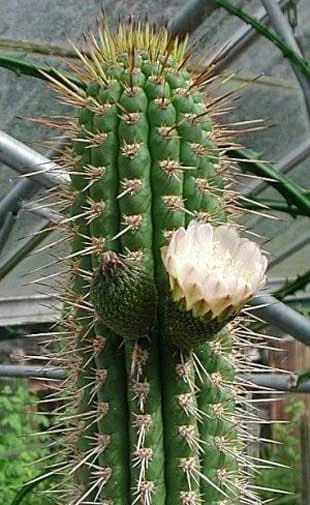
Eulychnia Acida Copao Seeds – Rare Chilean Cactus, 20 Seeds
Original price was: 48.91 $.19.91 $Current price is: 19.91 $.
Cultivate the unique Eulychnia Acida Copao seeds, a fascinating rare Chilean cactus seeds known for its longevity and large, edible fruit. This drought-tolerant plant thrives in full sun and attracts beautiful butterflies, making it a distinctive addition to xeriscapes or arid gardens.
Estimated arrival
Nov 28
Dec 03 - Dec 05
Dec 05 - Dec 10
See our Shipping Policy.
Get in touch with us via email, and our team will review your concerns.
Our Alive & Thrive Guarantee covers issues with your plants within the first 30 days. Read our Refund & Returns Policy.
-
USDA Hardiness Zone
USDA Zones 10 to 11 -
Soil Type
Well-draining cactus/succulent mix -
Sunlight Exposure
Full sun -
Expected Planting Period
Spring to early summer
Overview
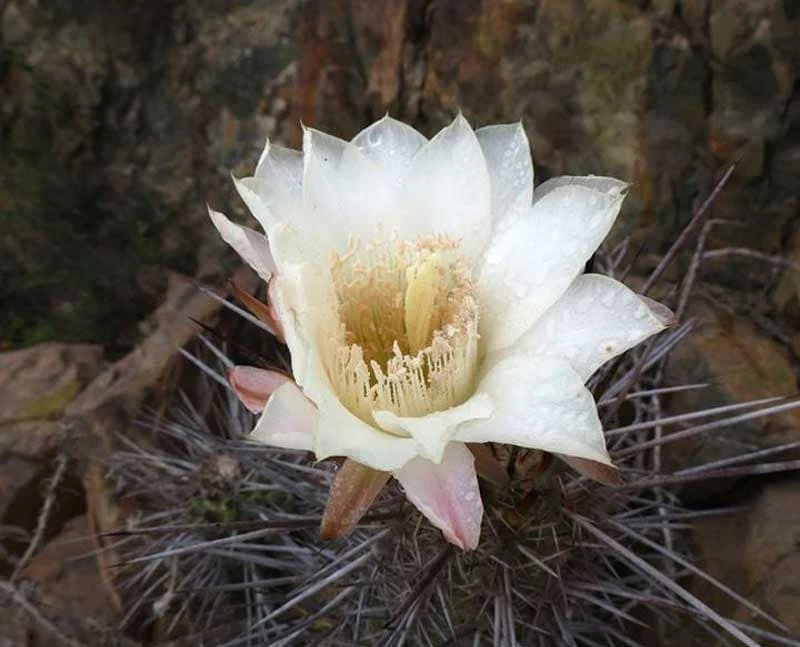
Embark on a unique gardening journey with Eulychnia Acida Copao seeds, offering you the chance to grow one of Chile’s most remarkable native cacti. Also widely known as Copao, this protected plant species is celebrated for its impressive longevity, potentially living for up to a century. The seeds allow you to cultivate this drought-tolerant beauty from its very beginning. Originating from the arid regions of Chile, the Eulychnia Acida is not only a botanical marvel but also produces a delicious, grapefruit-sized fruit. Its striking white blossoms, often tinged with pink petals, add a touch of delicate beauty to its rugged appearance. This cactus is an excellent choice for gardeners seeking a distinctive, low-maintenance plant that offers both aesthetic appeal and ecological benefits.
Growing Eulychnia Acida Copao seeds connects you with a piece of Chilean natural heritage. This plant is perfectly suited for xeriscaping or rock gardens, thriving in conditions where many other plants struggle. Its unique form and vibrant flowers make it a conversation starter, while its ability to withstand dry soils makes it a resilient choice for various landscapes. Whether you’re an experienced cactus enthusiast or a curious beginner, these seeds provide an exciting opportunity to cultivate a truly special plant.
Key Benefits
Growing Eulychnia Acida Copao seeds offers a multitude of benefits, transforming your garden into a haven for wildlife and a showcase of unique botanical beauty. This resilient cactus is more than just a plant; it’s an investment in sustainable gardening and natural splendor.
- Unique Edible Fruit: The Eulychnia Acida produces a distinctive, grapefruit-sized fruit known as Copao. This fruit is a culinary delight in its native Chile, offering a refreshing and exotic flavor for those adventurous enough to try it.
- Exceptional Longevity: This remarkable cactus can live for up to 100 years, becoming a long-term fixture and a living legacy in your garden. Its enduring presence adds a sense of permanence and history to any landscape.
- Drought-Tolerant: As a native of arid Chilean regions, the Eulychnia Acida is exceptionally drought-tolerant. It requires minimal watering once established, making it an ideal choice for water-wise gardening and xeriscapes.
- Attracts Pollinators: The plant’s beautiful white and pink blossoms are a magnet for various butterflies, enhancing your garden’s biodiversity and providing a vital food source for these essential pollinators. This makes it an excellent butterfly host plant seeds option.
- Low Maintenance: Once established, this cactus demands very little attention. Its ability to thrive in dry, full-sun conditions means less work for the gardener and more time to enjoy its unique beauty.
- Endemic and Protected Species: Cultivating this plant from rare Chilean cactus seeds helps preserve an endemic and protected species, contributing to biodiversity conservation efforts.
- Distinctive Ornamental Value: With its unique form, vibrant blossoms, and large fruit, the Eulychnia Acida serves as a striking ornamental plant, adding architectural interest and exotic appeal to any garden setting.
Plant Care & Growing Tips
Cultivating Eulychnia Acida Copao seeds into a thriving cactus requires understanding its natural habitat and replicating those conditions as closely as possible. This robust plant is relatively low-maintenance once established, but careful attention during germination and early growth will ensure success. Begin by sowing the seeds in a well-draining cactus or succulent potting mix. A mixture of sand, perlite, and a small amount of peat moss is ideal to ensure proper drainage, which is crucial for preventing root rot.
For optimal growth, the Eulychnia Acida prefers full sun exposure, meaning at least 6-8 hours of direct sunlight daily. If growing indoors, place it near a south-facing window or use supplemental grow lights. Water sparingly, allowing the soil to dry out completely between waterings. Overwatering is the most common cause of failure for cacti. During the winter months, reduce watering even further. This cactus is hardy in USDA Hardiness Zones 10 to 11, meaning it can tolerate temperatures down to about 30°F (-1°C). In colder climates, it should be grown in containers and brought indoors before the first frost. Fertilize once a year in spring with a diluted low-nitrogen cactus fertilizer. Propagation is primarily through seeds, making these Copao cactus seeds an excellent starting point for your collection. Watch out for common cactus pests like mealybugs or scale, treating them promptly with insecticidal soap if detected.
Size & Details
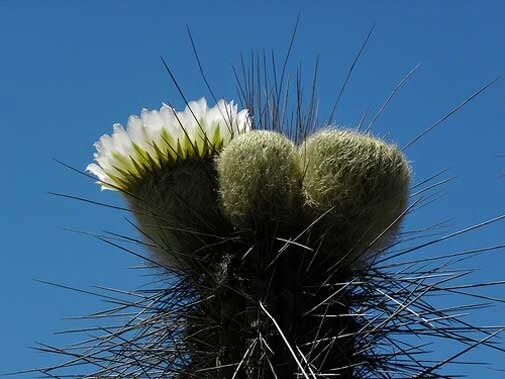
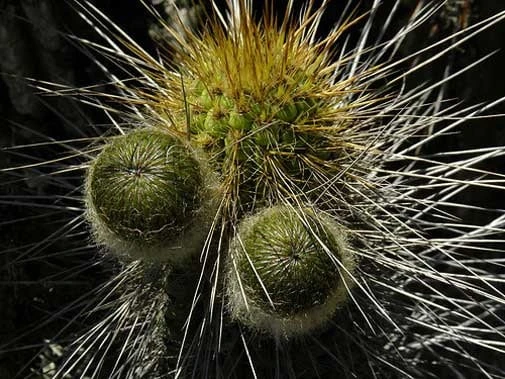
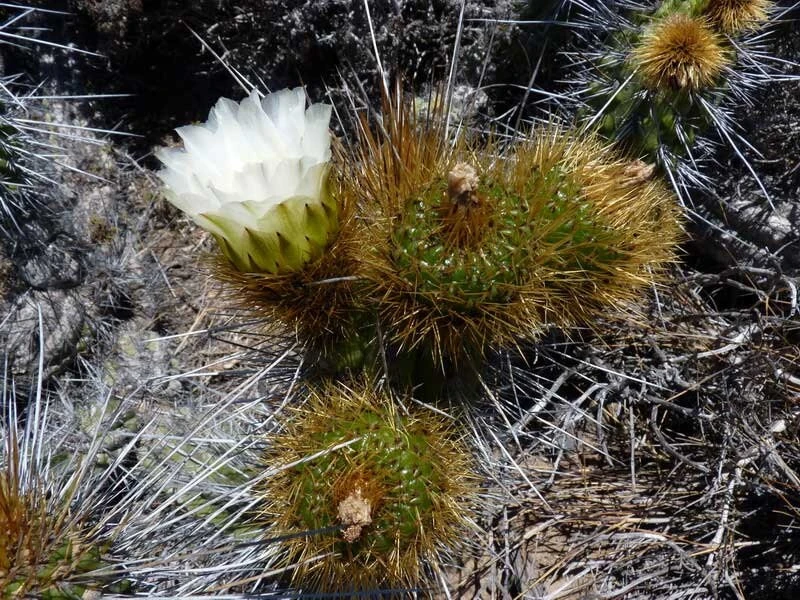
When mature, the Eulychnia Acida cactus can grow into a substantial, tree-like form, reaching heights of up to 10-15 feet in its natural habitat, though it may remain smaller in cultivation. Its columnar stems are typically covered in spines, giving it a characteristic rugged appearance. The fruit, known as Copao, is roughly the size of a grapefruit and develops after successful pollination of the white to pink-tinged blossoms. These Eulychnia Acida Copao seeds are provided in a pack of 20, offering ample opportunity to start multiple plants. Growth rate is moderate, with established plants showing noticeable development each year. Expect the plant to take several years to reach fruiting maturity, but its unique form and resilience make the wait worthwhile. These seeds are ready for planting in well-draining soil, ideally during the warmer months, to give them the best start.
Frequently Asked Questions
- Q: How large does the Eulychnia Acida Copao cactus get? A: In its native environment, the Eulychnia Acida can grow up to 10-15 feet tall. When cultivated in pots or outside its natural range, it typically remains smaller but still reaches an impressive size, making it a significant landscape feature.
- Q: Is this an indoor or outdoor plant? A: The Eulychnia Acida is primarily an outdoor plant, thriving in full sun and dry conditions. However, in USDA Zones colder than 10, it can be grown in containers and brought indoors during winter to protect it from frost.
- Q: How much sunlight does it need? A: This cactus requires full sun exposure, meaning at least 6-8 hours of direct sunlight per day. Adequate light is crucial for healthy growth, flowering, and fruit production for your Eulychnia Acida Copao seeds.
- Q: Is this plant easy to care for? A: Once established, the Eulychnia Acida is considered low-maintenance due to its drought-tolerant nature and preference for dry, sunny conditions. The main challenge is ensuring proper drainage and avoiding overwatering.
- Q: What condition will the seeds arrive in? A: The Eulychnia Acida Copao seeds will arrive as dry, viable seeds, carefully packaged to ensure their integrity during transit. They are ready for immediate sowing upon receipt.
- Q: How long until it produces fruit? A: Like many cacti grown from seed, the Eulychnia Acida can take several years, typically 5-10 years, to reach maturity and begin producing fruit. Patience is key when growing these rare Chilean cactus seeds.
- Q: What’s the minimum temperature this cactus can tolerate? A: The Eulychnia Acida is hardy in USDA Zones 10 to 11, meaning it can withstand temperatures down to approximately 30°F (-1°C). Prolonged exposure to freezing temperatures can be damaging.
- Q: Are these seeds considered butterfly host plant seeds? A: Yes, the Eulychnia Acida is known to attract several different butterflies and is commonly used as a larval host plant, making it an excellent choice for supporting local pollinator populations.
- Q: What kind of soil is best for growing these seeds? A: A very well-draining soil mix is essential. A specialized cactus or succulent potting mix, often containing sand, perlite, and pumice, is highly recommended to prevent waterlogging and root rot for your Copao cactus seeds.
- Q: Can I grow this plant in a pot? A: Absolutely. Growing Eulychnia Acida in a pot is an excellent option, especially in colder climates, as it allows you to move the plant indoors during winter. Ensure the pot has drainage holes and is sufficiently large to accommodate its growth.
Be the first to review “Eulychnia Acida Copao Seeds – Rare Chilean Cactus, 20 Seeds”
Related products


Shrub Seeds
Golden Currant Shrub Seeds – 20 Count – Edible Black Fruit, Yellow Flowers, Ribes Aureum


Shrub Seeds
Nannyberry Sweet Viburnum Lentago Seeds – 20 Pack, White Flowers, Edible Blue-Black Berries

You May Like

How to Grow Passion Flower (Passiflora) for Tropical Blooms
Few climbing vines in the home garden command attention quite like the exotic Passion Flower (Passiflora). [...]
Nov

Thanksgiving Cactus Care: How to Get Thanksgiving Cactus to Bloom
Is your Thanksgiving cactus growing well but not giving you any flowers? Maybe it looked [...]
Nov

How to Grow Garlic for a Bountiful Home Harvest
Garlic (Allium sativum) is one of the most satisfying, low-maintenance, and flavor-packed crops you can [...]
Oct

Hardneck vs. Softneck Garlic: Which Should You Grow?
Have you ever stood in front of a seed catalog in mid-September, staring at dozens [...]
1 Comment
Oct

When to Plant Music Garlic: Ultimate US Fall Guide
Have you ever spent your fall weekend placing carefully chosen garlic cloves into rich, dark [...]
1 Comment
Oct

5 Best Bulbs for Fall Planting: Brighten Your Garden This Spring
Are you dreaming of a garden full of vibrant colors in the spring? The key [...]
Aug

10 Houseplants That Will Thrive in Your Kitchen
Are you tired of your kitchen feeling dull and lifeless? Want to add a little [...]
1 Comment
Aug
Reviews
There are no reviews yet.