
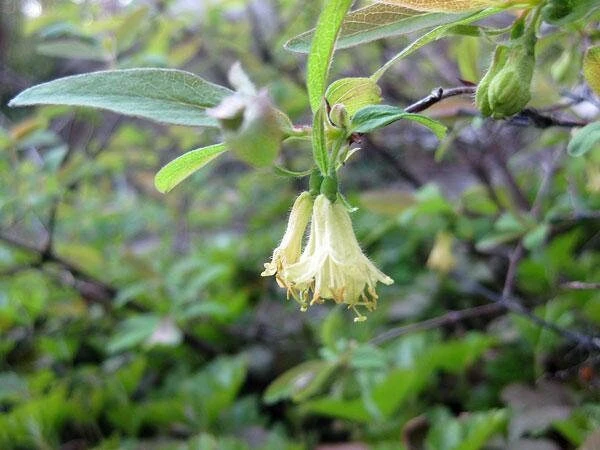
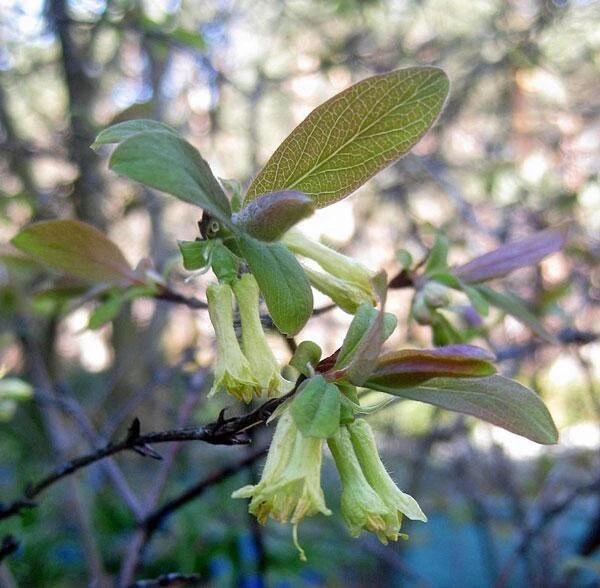
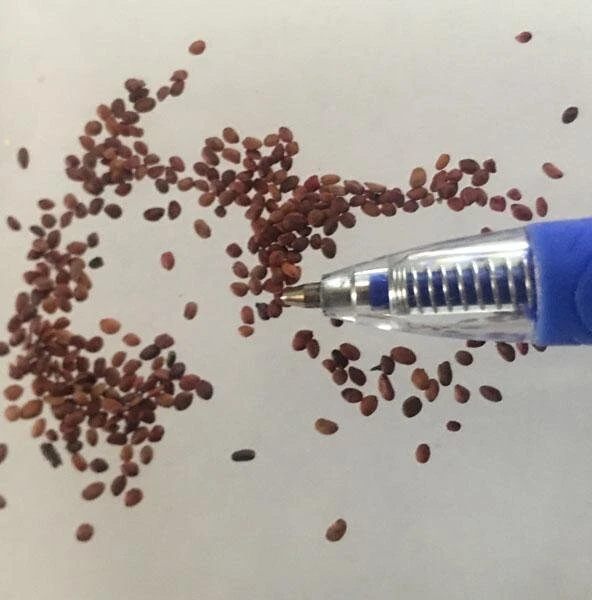
Haskap Berry Seeds – Lonicera caerulea var. edulis – Edible Blue Honeysuckle – 10 Seeds
Original price was: 21.00 $.14.10 $Current price is: 14.10 $.
Cultivate your own fruitful garden with Haskap Berry seeds (Lonicera caerulea var. edulis). These Edible Blue Honeysuckle seeds grow into cold-hardy shrubs producing delicious, antioxidant-rich berries. Perfect for jams, smoothies, or fresh eating, adding a unique flavor to your edible landscape.
Estimated arrival
Nov 26
Dec 01 - Dec 03
Dec 03 - Dec 08
See our Shipping Policy.
Get in touch with us via email, and our team will review your concerns.
Our Alive & Thrive Guarantee covers issues with your plants within the first 30 days. Read our Refund & Returns Policy.
-
USDA Hardiness Zone
USDA Zones 3-8 -
Soil Type
Well-draining, slightly acidic to neutral soil -
Sunlight Exposure
Full sun to partial shade -
Expected Planting Period
Late winter to early spring (after stratification)
Overview
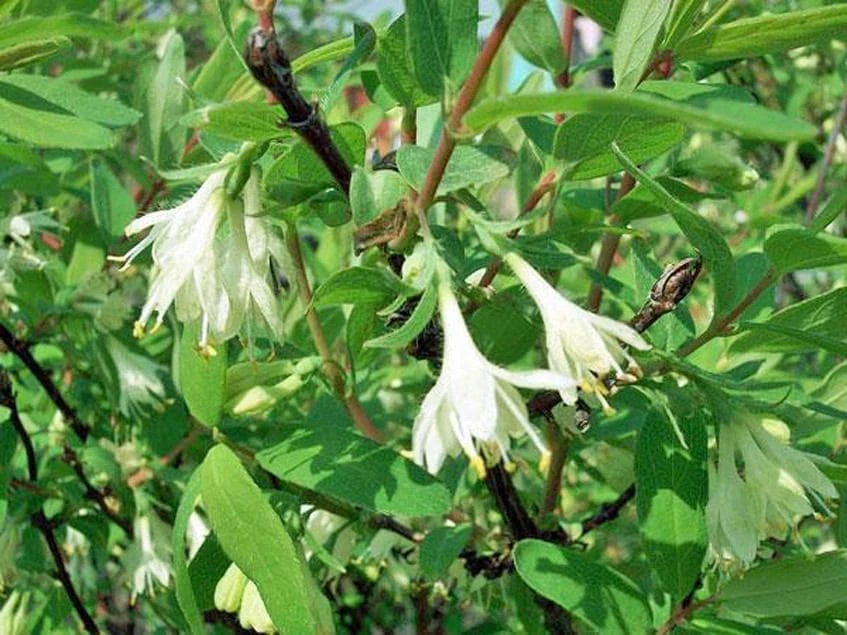
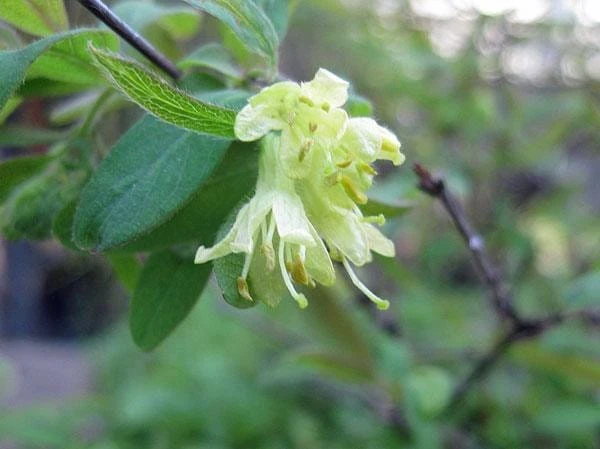
Embark on a rewarding gardening journey with our premium Haskap Berry seeds. Scientifically known as Lonicera caerulea var. edulis, this deciduous fruit-bearing shrub is also commonly referred to as Edible Blue Honeysuckle or Fly Honeysuckle. Native to the northern regions of Asia and Europe, the Haskap Berry is celebrated for its highly nutritious and uniquely flavored berries, often described as a delightful blend of blueberry, raspberry, and blackcurrant with a hint of tartness. Growing your own Haskap Berry seeds allows you to cultivate a resilient, cold-hardy shrub that will provide a bountiful harvest for years to come. These seeds offer an economical and satisfying way to introduce this exceptional fruit to your home garden, promising fresh, flavorful produce right from your backyard.
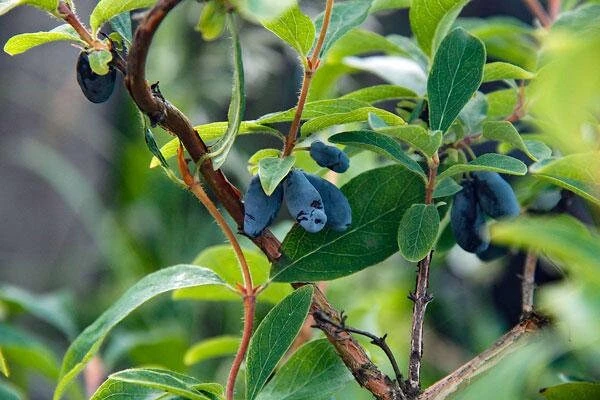
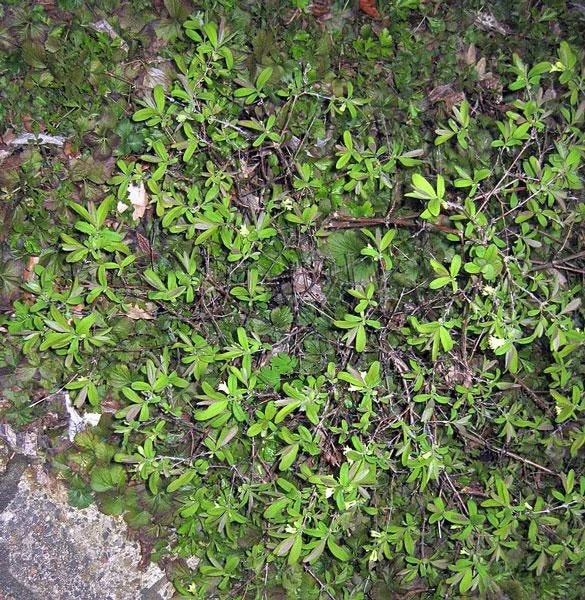
The Edible Blue Honeysuckle plant is a compact shrub, typically reaching heights of 3 to 6 feet (1 to 2 meters). It features attractive oval, bluish-green leaves that provide a lovely backdrop for the clusters of small, elongated blue-gray berries. These berries are not only delicious but also packed with antioxidants, vitamins, and minerals, making them a fantastic addition to a healthy diet. Whether you’re an experienced gardener or a beginner, growing Lonicera caerulea seeds can be an incredibly fulfilling experience, culminating in a harvest of versatile berries perfect for various culinary applications.
Key Benefits
Growing Haskap Berry seeds offers a multitude of advantages for the home gardener, transforming your landscape into a productive and beautiful space while providing healthy, homegrown fruit.
- Nutrient-Rich Berries: The Haskap Berry is renowned for its exceptional nutritional profile, boasting high levels of antioxidants, vitamins, and minerals. Enjoy a superfood directly from your garden that supports overall health and wellness.
- Unique Flavor Profile: Experience a distinct and delightful taste that combines the best of blueberries, raspberries, and blackcurrants with a pleasant tartness. These berries are a gourmet treat, perfect for fresh consumption, jams, jellies, smoothies, and baked goods.
- Exceptional Cold Hardiness: The Edible Blue Honeysuckle is incredibly resilient, thriving in cold northern climates (USDA Zones 3-8). This makes it an ideal choice for gardeners in regions where many other fruit-bearing plants struggle to survive winter conditions.
- Versatile Culinary Use: From homemade preserves and pies to vibrant smoothies and sauces, Haskap berries are incredibly versatile in the kitchen. Their unique flavor enhances both sweet and savory dishes, offering endless culinary possibilities.
- Compact & Attractive Shrub: This compact shrub typically grows 3-6 feet tall, making it suitable for various garden sizes, including smaller spaces or as part of an edible hedge. Its bluish-green foliage and vibrant berries add ornamental value to your landscape.
- Easy to Grow from Seeds: While requiring stratification, these Lonicera caerulea seeds provide a cost-effective and rewarding way to establish multiple plants. With patience, you can propagate a thriving patch of these valuable berry bushes.
- Long-Term Productivity: Once established, Haskap Berry plants are long-lived and will continue to produce abundant harvests for many years, offering a sustainable source of fresh, healthy fruit.
Plant Care & Growing Tips
Successfully germinating and growing Haskap Berry seeds requires a bit of patience and adherence to specific care protocols, especially regarding stratification. To mimic natural winter conditions and break dormancy, stratify the seeds by placing them in a damp paper towel or peat moss, then sealing them in a plastic bag. Refrigerate this bag for approximately 90-120 days. This cold stratification period is crucial for successful germination of Lonicera caerulea seeds. After stratification, sow the seeds in a well-draining potting mix, lightly pressing them onto the surface without burying them too deeply. Maintain consistent moisture in the soil, ensuring it is damp but never waterlogged, which can lead to rot.
For optimal growth, provide indirect sunlight or use grow lights to maintain a consistent temperature range of 60-70°F (15-21°C). Germination can be variable, taking several weeks to a few months, so continued patience is key. Once seedlings are large enough to handle, transplant them into individual pots or directly into your garden. Haskap Berry plants thrive in full sun to partial shade, requiring at least 6 hours of direct sunlight for best fruit production. They are adaptable to a range of soil types but prefer well-draining, slightly acidic to neutral soil. Fertilize annually in early spring with a balanced slow-release fertilizer. Regular watering is important, especially during dry spells and fruit development, to ensure healthy growth and a bountiful harvest of your Edible Blue Honeysuckle.
Size & Details
This offering includes 10 Haskap Berry seeds (Lonicera caerulea var. edulis), ready for stratification and planting. Each seed has the potential to grow into a robust Haskap Berry plant, reaching a mature height of 3 to 6 feet (1 to 2 meters) with a similar spread, creating a compact and productive shrub. The plants typically begin bearing fruit within 2-3 years after establishment from seed, with full production achieved by the 4th or 5th year. These are seeds, not live plants, and will require the described stratification and germination process. The mature plants are cold-hardy, suitable for USDA Zones 3-8, making them an excellent choice for a wide range of climates. Expect a moderate growth rate, allowing you to watch your Edible Blue Honeysuckle develop into a valuable addition to your edible landscape.
Frequently Asked Questions
- Q: How big do Haskap Berry plants get? A: Haskap Berry plants typically grow to a mature height and width of 3 to 6 feet (1 to 2 meters), forming a compact, deciduous shrub. They are suitable for various garden sizes.
- Q: Is this an indoor or outdoor plant? A: Haskap Berry plants are primarily outdoor shrubs, thriving in garden settings where they can receive adequate sunlight and experience seasonal changes. They are very cold-hardy.
- Q: How much sunlight do Haskap Berry plants need? A: For best fruit production, Edible Blue Honeysuckle plants require full sun (at least 6 hours of direct sunlight daily). They can tolerate partial shade, but fruiting may be reduced.
- Q: Are these live plants or seeds? A: This product consists of 10 Haskap Berry seeds. You will need to stratify and germinate them to grow your own plants.
- Q: Is this plant easy to care for? A: While germinating Lonicera caerulea seeds requires patience and specific stratification, established Haskap Berry plants are relatively low-maintenance, being cold-hardy and adaptable to various soil types.
- Q: How long until Haskap Berry plants produce fruit? A: From seed, it typically takes 2-3 years for Haskap Berry plants to begin producing fruit, with full production reached around 4-5 years.
- Q: What is the best time to plant Haskap Berry seeds? A: After the required 90-120 day cold stratification period, you can sow your Haskap Berry seeds indoors in late winter or early spring to get a head start on the growing season.
- Q: Will Haskap Berry plants survive winter in my zone? A: Yes, Haskap Berry plants are exceptionally cold-hardy and are suitable for USDA Zones 3-8, meaning they can withstand very cold winter temperatures.
- Q: What does Edible Blue Honeysuckle taste like? A: The berries of the Edible Blue Honeysuckle have a unique and delightful flavor profile, often described as a blend of blueberry, raspberry, and blackcurrant with a pleasant tartness.
- Q: Can I use Haskap berries in cooking? A: Absolutely! Haskap berries are highly valued in culinary applications, perfect for making jams, jellies, smoothies, pies, sauces, and eating fresh.
Be the first to review “Haskap Berry Seeds – Lonicera caerulea var. edulis – Edible Blue Honeysuckle – 10 Seeds”
Related products

Fruit Seeds
Southern Highbush Blueberry Seeds – 50 Pre-Stratified Vaccinium Corymbosum Fruit Bush Seeds


You May Like

How to Grow Passion Flower (Passiflora) for Tropical Blooms
Few climbing vines in the home garden command attention quite like the exotic Passion Flower (Passiflora). [...]
Nov

Thanksgiving Cactus Care: How to Get Thanksgiving Cactus to Bloom
Is your Thanksgiving cactus growing well but not giving you any flowers? Maybe it looked [...]
Nov

How to Grow Garlic for a Bountiful Home Harvest
Garlic (Allium sativum) is one of the most satisfying, low-maintenance, and flavor-packed crops you can [...]
Oct

Hardneck vs. Softneck Garlic: Which Should You Grow?
Have you ever stood in front of a seed catalog in mid-September, staring at dozens [...]
1 Comment
Oct

When to Plant Music Garlic: Ultimate US Fall Guide
Have you ever spent your fall weekend placing carefully chosen garlic cloves into rich, dark [...]
1 Comment
Oct

5 Best Bulbs for Fall Planting: Brighten Your Garden This Spring
Are you dreaming of a garden full of vibrant colors in the spring? The key [...]
Aug

10 Houseplants That Will Thrive in Your Kitchen
Are you tired of your kitchen feeling dull and lifeless? Want to add a little [...]
1 Comment
Aug
Reviews
There are no reviews yet.