
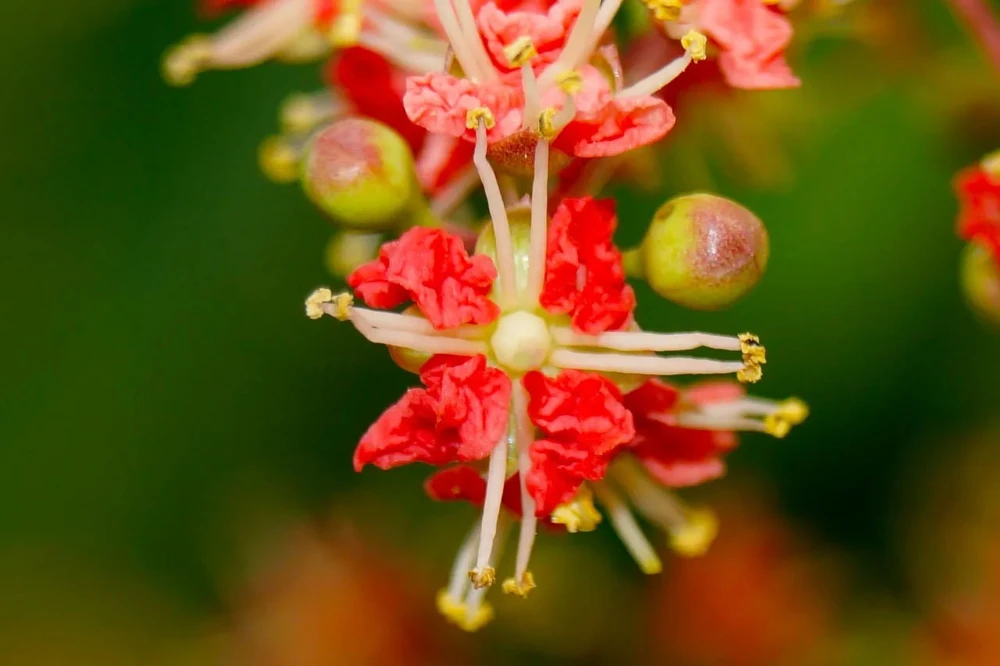
Henna Seeds (Lawsonia inermis) – 500 Seeds – Egyptian Privet Mignonette Tree
Original price was: 48.91 $.19.91 $Current price is: 19.91 $.
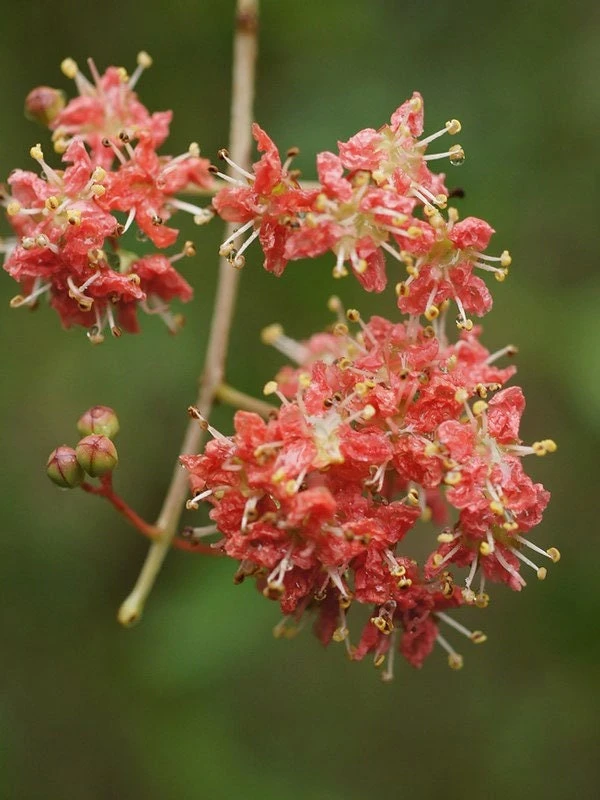
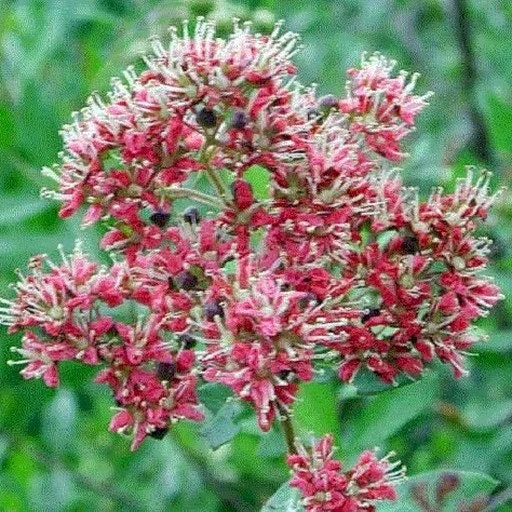
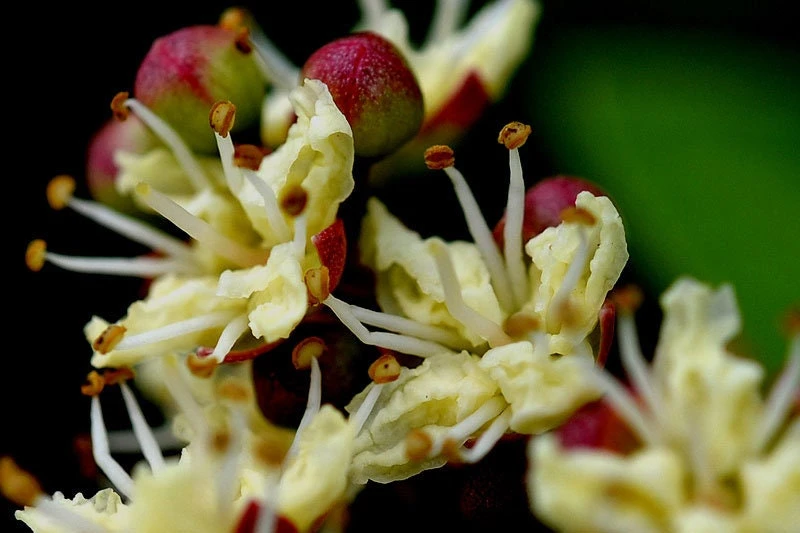
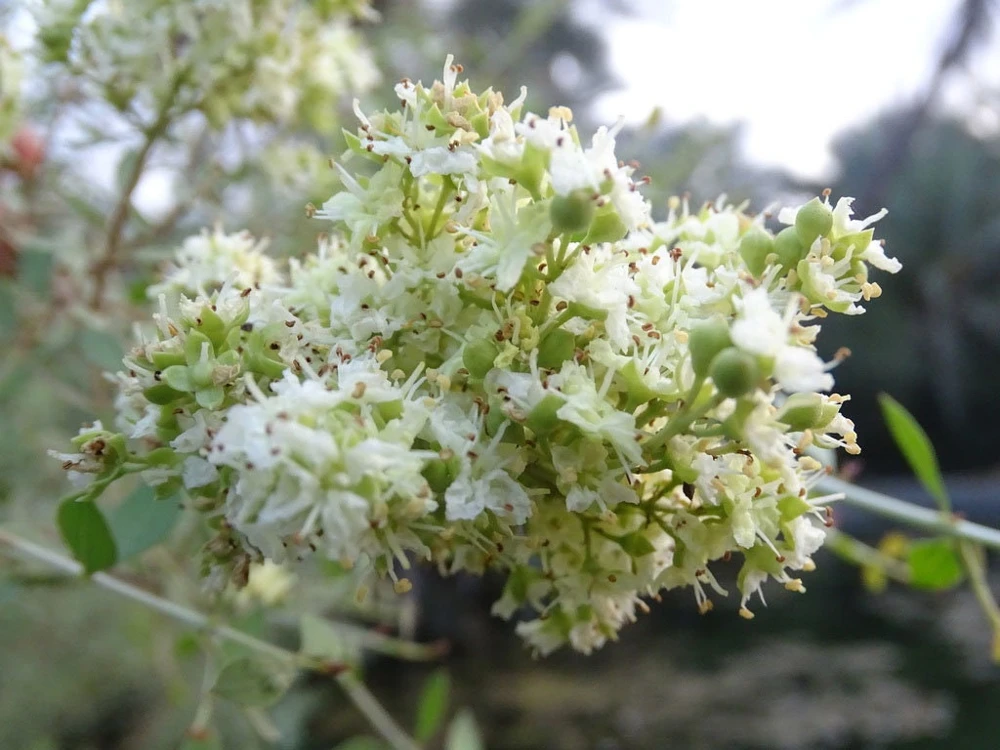
Cultivate your own historic dye plant with this pack of henna seeds. Each packet contains 500 Lawsonia inermis seeds, also known as Egyptian Privet or Mignonette Tree. Grow a beautiful, fragrant shrub that produces pink and white blossoms and leaves used for natural henna dye.
Estimated arrival
Nov 26
Dec 01 - Dec 03
Dec 03 - Dec 08
See our Shipping Policy.
Get in touch with us via email, and our team will review your concerns.
Our Alive & Thrive Guarantee covers issues with your plants within the first 30 days. Read our Refund & Returns Policy.
-
USDA Hardiness Zone
9b to 11 -
Soil Type
Well-draining, sandy loam -
Sunlight Exposure
Full sun -
Expected Planting Period
Spring to early summer
Overview
Embark on a fascinating botanical journey by cultivating your own henna seeds. This pack contains 500 premium Lawsonia inermis seeds, allowing you to grow the legendary plant renowned for its beautiful flowers and historic dye properties. Commonly known as Henna, Egyptian Privet, or Mignonette Tree, Lawsonia inermis is a perennial shrub that offers both ornamental beauty and practical uses. Originating from North Africa, West Asia, and Northern Australia, this plant has been cherished for millennia, with its leaves traditionally used to create the natural dye for hair, skin, and fabrics. Growing your own henna from seed connects you to an ancient tradition and provides a rewarding gardening experience. These seeds are perfect for gardeners looking to add a unique, fragrant, and historically significant plant to their landscape.
The Lawsonia inermis seeds will germinate into robust plants that can reach up to 15 feet in height under ideal conditions. Its slender branches are adorned with small, oval leaves, and in late spring to early summer, it bursts into a spectacular display of fragrant pink and white blossoms. Beyond its aesthetic appeal, the primary allure of the henna plant lies in its leaves, which, when dried and powdered, produce the famous henna dye. Whether you’re interested in natural cosmetics, traditional arts, or simply want to grow a beautiful and resilient shrub, these henna seeds provide an excellent starting point for your gardening adventure.
Key Benefits
Growing Lawsonia inermis from seed offers a multitude of benefits, from its captivating beauty to its historical significance and practical applications. This versatile plant is a fantastic addition to various garden styles and provides a unique botanical experience.
- Source of Natural Dye: The primary benefit of growing henna seeds is the ability to harvest leaves to create your own natural henna dye. This traditional cosmetic is used for temporary body art, hair coloring, and fabric dyeing, offering a safe and natural alternative to chemical dyes.
- Fragrant Blooms: Enjoy the delightful fragrance of the Mignonette Tree’s pink and white blossoms. These aromatic flowers appear from late spring to early summer, attracting pollinators and adding a sweet scent to your garden or patio.
- Ornamental Shrub: Lawsonia inermis grows into an attractive perennial shrub, providing lush green foliage and a beautiful floral display. It can serve as an excellent specimen plant, a fragrant hedge, or a striking addition to a xeriscape garden.
- Drought Tolerant: Once established, the henna plant is known for its resilience and drought tolerance, making it suitable for gardens in warmer climates or those seeking water-wise landscaping solutions.
- Historical and Cultural Significance: Cultivating this plant connects you to a rich history spanning over 2,500 years. Henna has been an integral part of various cultures for its cosmetic, medicinal, and ceremonial uses.
- Attracts Pollinators: The fragrant flowers are a magnet for bees, butterflies, and other beneficial pollinators, contributing to the biodiversity and health of your garden ecosystem.
- Low Maintenance: Once established, these shrubs are relatively low-maintenance, thriving in full sun with minimal intervention, making them suitable for both experienced and novice gardeners looking to grow henna plant.
Plant Care & Growing Tips
Growing Lawsonia inermis from henna seeds is a rewarding process that requires attention to specific environmental conditions to ensure healthy growth. To successfully grow henna plant, start by sowing the seeds in well-draining soil. Scarification of the seeds (lightly scratching the seed coat) can improve germination rates, followed by soaking them in warm water for 24 hours. Plant seeds about 1/4 inch deep in a seed-starting mix and keep the soil consistently moist but not waterlogged. A warm environment, ideally between 70-85°F (21-29°C), is crucial for germination, which can take anywhere from 2-6 weeks.
Once seedlings emerge, provide them with plenty of light. As they grow, transplant them into larger pots or directly into the garden. Egyptian Privet seeds will develop into plants that thrive in full sun, requiring at least 6-8 hours of direct sunlight daily to produce abundant foliage and flowers. The plant prefers well-draining, sandy loam soil with a slightly acidic to neutral pH. While young plants need regular watering to establish their root system, mature henna plants are quite drought-tolerant and prefer drier conditions once established. Overwatering can lead to root rot, so allow the top few inches of soil to dry out between waterings. Fertilize sparingly with a balanced, slow-release fertilizer during the growing season, typically once in spring and once in mid-summer.
Lawsonia inermis is best suited for USDA Hardiness Zones 9b to 11, where it can be grown as a perennial. In cooler climates, it can be grown in containers and brought indoors during winter or treated as an annual. Protect young plants from frost. Pruning can be done to maintain shape and size, and to encourage bushier growth. Watch out for common pests like spider mites or aphids, which can usually be controlled with organic insecticidal soaps. Providing optimal conditions will ensure your natural dye plant thrives and produces plenty of leaves for your needs.
Size & Details
This product includes 500 high-quality henna seeds (Lawsonia inermis), carefully selected for viability. Each seed has the potential to grow into a robust perennial shrub. Mature henna plants typically reach a height of 6 to 15 feet (1.8 to 4.5 meters) with a spread of similar dimensions, forming a dense, bushy structure. The growth rate is moderate, allowing the plant to establish itself well within a few seasons. These seeds are provided in a bulk quantity, ideal for starting multiple plants, creating a hedge, or experimenting with different growing conditions.
The plants grown from these Lawsonia inermis seeds will produce fragrant pink and white flowers from late spring through early summer, followed by small fruit capsules containing more seeds. The primary harvest for henna dye is the leaves, which are typically collected from mature plants that are at least a year old. The seeds are packaged to ensure freshness and optimal germination rates upon arrival. With proper care, you can expect a beautiful, thriving natural dye plant that provides both aesthetic pleasure and practical resources for years to come.
Frequently Asked Questions
- Q: How big does the henna plant get? A: The henna plant, Lawsonia inermis, can grow to be quite substantial, typically reaching heights of 6 to 15 feet (1.8 to 4.5 meters) and spreading similarly wide, forming a dense shrub. Its size can be managed with regular pruning.
- Q: Is this an indoor or outdoor plant? A: Henna is primarily an outdoor plant, thriving in warm climates (USDA Zones 9b-11). In cooler regions, it can be grown outdoors during the warm season and brought indoors as a container plant for winter protection, requiring a sunny spot.
- Q: How much sunlight does it need? A: Henna plants require full sun exposure, meaning at least 6 to 8 hours of direct sunlight per day. Adequate sunlight is crucial for healthy growth, abundant flowering, and optimal dye production in the leaves.
- Q: Is this plant easy to care for? A: Once established, henna plants are relatively low-maintenance. They are drought-tolerant and resilient. The main considerations are providing full sun, well-draining soil, and protection from frost in colder climates.
- Q: What condition will the henna seeds arrive in? A: Your henna seeds will arrive carefully packaged to ensure their viability and freshness. They are dry and ready for planting, though scarification and soaking are recommended for best germination results.
- Q: How long until it blooms? A: Henna plants typically begin flowering within 1 to 2 years from seed, depending on growing conditions and climate. The fragrant pink and white blossoms usually appear from late spring to early summer.
- Q: What’s the minimum temperature these plants can tolerate? A: Lawsonia inermis is not frost-tolerant. It can withstand temperatures down to about 28°F (-2°C) for very short periods, but prolonged exposure to freezing temperatures will damage or kill the plant. It thrives in warm, subtropical to tropical conditions.
- Q: Can I use the leaves for henna dye? A: Yes, the leaves of the Lawsonia inermis plant are traditionally used to create natural henna dye. Once the plant is mature (typically after about a year of growth), you can harvest the leaves, dry them, and grind them into a powder to make your own henna paste.
- Q: What kind of soil is best for growing henna? A: Henna plants prefer well-draining soil, ideally a sandy loam. They can tolerate a range of soil types but good drainage is essential to prevent root rot. A slightly acidic to neutral pH (6.0-7.0) is ideal.
- Q: How often should I water my henna plant? A: Young henna plants need consistent moisture to establish. Once mature, they are drought-tolerant. Water deeply when the top few inches of soil are dry, but allow the soil to dry out between waterings to avoid overwatering.
Be the first to review “Henna Seeds (Lawsonia inermis) – 500 Seeds – Egyptian Privet Mignonette Tree”
Related products


Shrub Seeds
Nannyberry Sweet Viburnum Lentago Seeds – 20 Pack, White Flowers, Edible Blue-Black Berries

You May Like

How to Grow Passion Flower (Passiflora) for Tropical Blooms
Few climbing vines in the home garden command attention quite like the exotic Passion Flower (Passiflora). [...]
Nov

Thanksgiving Cactus Care: How to Get Thanksgiving Cactus to Bloom
Is your Thanksgiving cactus growing well but not giving you any flowers? Maybe it looked [...]
Nov

How to Grow Garlic for a Bountiful Home Harvest
Garlic (Allium sativum) is one of the most satisfying, low-maintenance, and flavor-packed crops you can [...]
Oct

Hardneck vs. Softneck Garlic: Which Should You Grow?
Have you ever stood in front of a seed catalog in mid-September, staring at dozens [...]
1 Comment
Oct

When to Plant Music Garlic: Ultimate US Fall Guide
Have you ever spent your fall weekend placing carefully chosen garlic cloves into rich, dark [...]
1 Comment
Oct

5 Best Bulbs for Fall Planting: Brighten Your Garden This Spring
Are you dreaming of a garden full of vibrant colors in the spring? The key [...]
Aug

10 Houseplants That Will Thrive in Your Kitchen
Are you tired of your kitchen feeling dull and lifeless? Want to add a little [...]
1 Comment
Aug
Reviews
There are no reviews yet.