
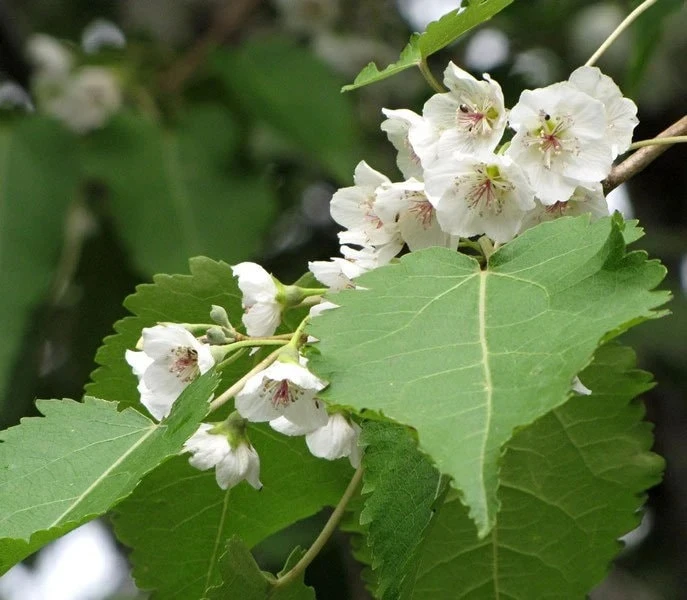
Hoheria lyallii Mountain Lacebark Seeds – 10 Count – White Blossoms – USDA Zones 8-12
Original price was: 44.91 $.15.91 $Current price is: 15.91 $.
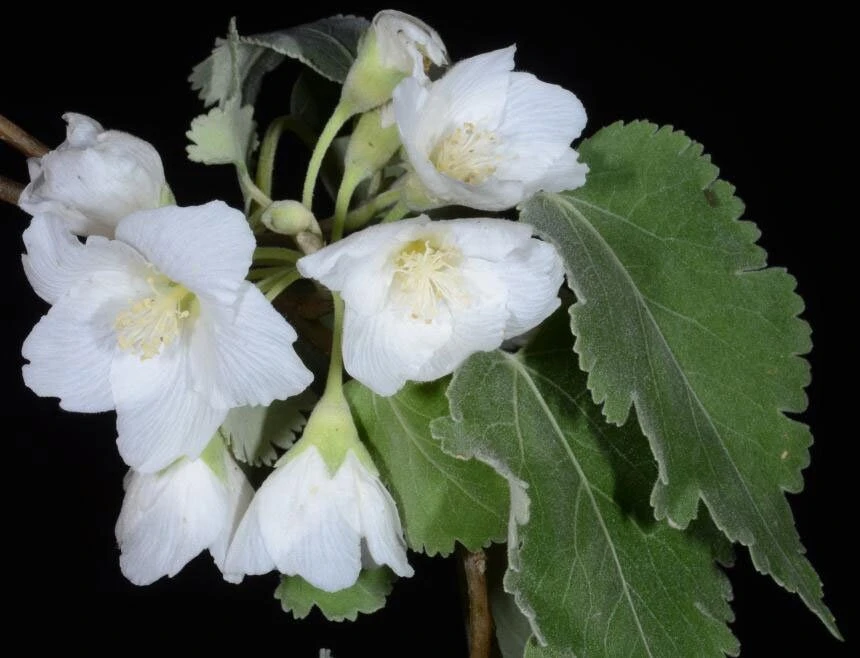
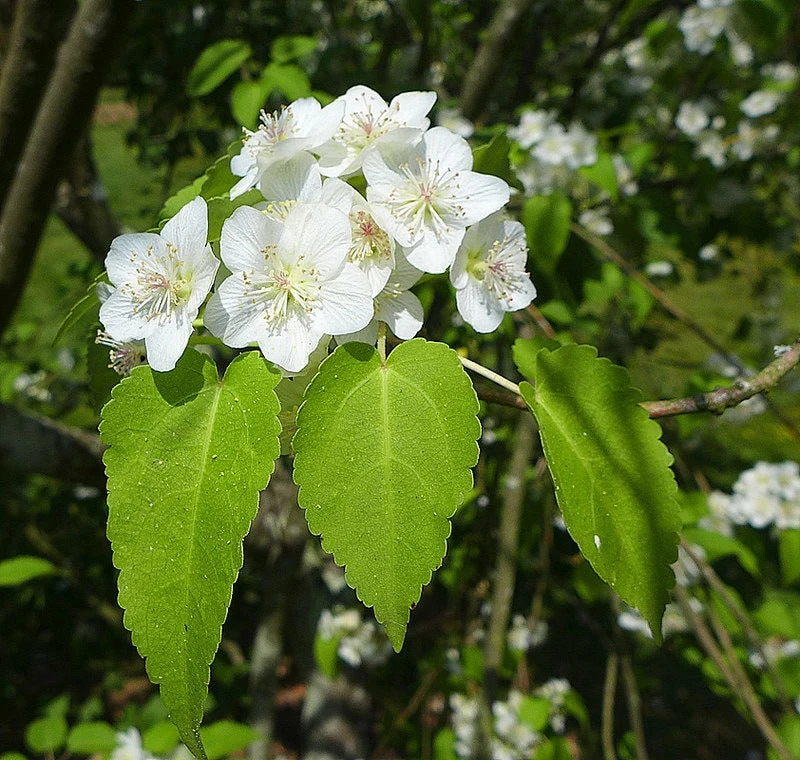
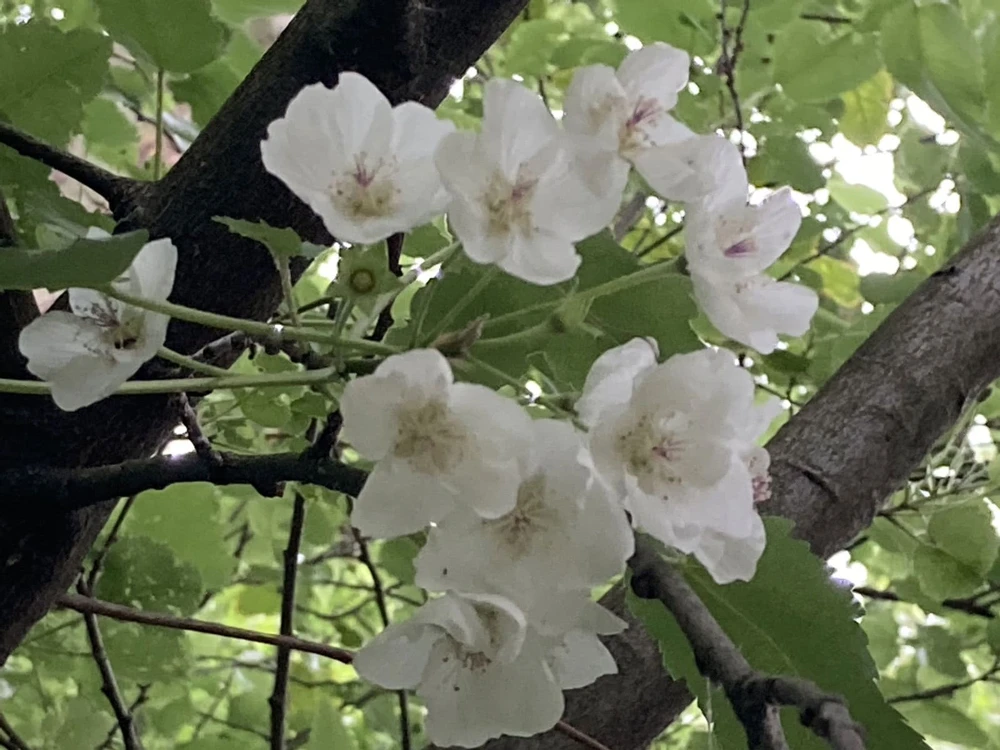
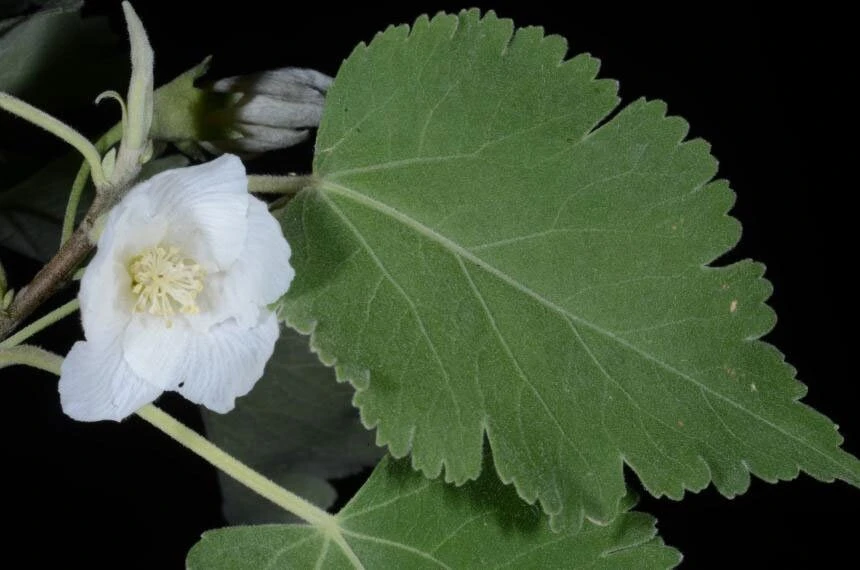
Cultivate stunning Hoheria lyallii seeds to grow the elegant Mountain Lacebark seeds. These beautiful shrubs reach up to 12 feet, adorned with pristine white blossoms in summer. Ideal for USDA Hardiness Zones 8 to 12, they add a touch of natural beauty to any garden. Perfect for those looking to grow Mountain Lacebark from scratch.
Estimated arrival
Nov 26
Dec 01 - Dec 03
Dec 03 - Dec 08
See our Shipping Policy.
Get in touch with us via email, and our team will review your concerns.
Our Alive & Thrive Guarantee covers issues with your plants within the first 30 days. Read our Refund & Returns Policy.
-
USDA Hardiness Zone
USDA Hardiness Zones 8 to 12 -
Soil Type
Well-draining, moderately fertile, slightly acidic to neutral soil -
Sunlight Exposure
Full sun to partial shade -
Expected Planting Period
Spring, after stratification
Overview
Embark on a rewarding gardening journey with these premium Hoheria lyallii seeds, also known as Mountain Lacebark seeds. This remarkable deciduous shrub or small tree, native to New Zealand, is cherished for its graceful appearance and abundant summer blooms. Starting from seed allows you to cultivate this unique plant from its very beginning, witnessing its transformation into a magnificent garden specimen. The Hoheria lyallii plant is celebrated for its attractive foliage and spectacular display of white, star-shaped flowers that appear in the middle of summer, creating a truly enchanting focal point in any landscape. These seeds offer an excellent opportunity to introduce a distinctive and beautiful species into your garden, providing a serene and elegant atmosphere.
Key Benefits
Growing Hoheria lyallii seeds offers a multitude of benefits for both the avid gardener and the natural environment. These seeds promise a beautiful addition to your outdoor space.
- Stunning Floral Display: The primary allure of the Mountain Lacebark seeds is the profusion of elegant white blossoms that blanket the shrub in mid-summer. These delicate flowers create a striking contrast against the foliage, attracting pollinators and adding a serene beauty to your garden. The visual impact is truly captivating, making it a focal point.
- Architectural Interest: As the Hoheria lyallii plant matures, it develops a graceful, somewhat open habit, reaching heights of up to 12 feet. Its distinctive structure provides year-round architectural interest, especially when adorned with its beautiful flowers or in its bare winter form.
- Adaptability: This species is surprisingly adaptable, thriving across a range of conditions within its specified USDA Hardiness Zones 8 to 12. Its resilience makes it a suitable choice for various garden settings, from mixed borders to specimen plantings.
- Pollinator Friendly: The summer blooms are a magnet for bees and other beneficial pollinators, contributing to the health and biodiversity of your garden ecosystem. Planting to grow Mountain Lacebark supports local wildlife.
- Unique Garden Specimen: While increasingly popular, Hoheria lyallii is still a relatively uncommon sight in many gardens, making it a unique and conversation-starting addition that will set your landscape apart.
- Low Maintenance: Once established, the Hoheria lyallii is relatively low-maintenance, requiring minimal intervention to thrive, allowing you more time to enjoy its beauty.
- Seasonal Appeal: Beyond its summer flowers, the fine-textured foliage offers appeal throughout the growing season, providing a lush green backdrop for other plants.
Plant Care & Growing Tips
Successfully cultivating Hoheria lyallii seeds requires attention to specific environmental conditions to ensure healthy growth and abundant flowering. Begin by sowing the seeds in a well-draining seed-starting mix, lightly covering them. Keep the soil consistently moist but not waterlogged, and maintain a temperature around 65-70°F (18-21°C) for optimal germination. Stratification may be beneficial for these seeds; a period of cold, moist conditions can help break dormancy and improve germination rates. Once seedlings emerge and are large enough to handle, transplant them into individual pots.
For established Hoheria lyallii plant, choose a location with full sun to partial shade. In hotter climates, some afternoon shade can prevent leaf scorch. The ideal soil for Mountain Lacebark seeds is well-draining, moderately fertile, and slightly acidic to neutral. Amend heavy clay soils with organic matter to improve drainage. Water regularly during the first growing season to help establish a strong root system. Once mature, it is moderately drought-tolerant but will perform best with consistent moisture, especially during dry spells. Protect young plants from strong winds, which can damage their delicate foliage and branches. Pruning is generally minimal, focused on removing dead or damaged wood and shaping the plant after flowering. Fertilize sparingly in spring with a balanced, slow-release fertilizer if soil fertility is low. This plant is hardy in USDA Hardiness Zones 8 to 12, meaning it can tolerate winter temperatures down to 10°F (-12°C). In the colder end of its range, consider planting in a sheltered location.
Size & Details
This offering includes 10 Hoheria lyallii seeds, providing an excellent starting point for cultivating your own Mountain Lacebark shrubs. Once mature, the Hoheria lyallii plant typically grows to an impressive height of about 8 to 12 feet (2.4 to 3.7 meters) with a similar spread, forming an elegant, multi-stemmed shrub or small tree. The growth rate is moderate, allowing you to enjoy its development over several seasons. These seeds will arrive ready for planting, enabling you to begin the process of growing this beautiful specimen in your garden. With proper care, you can expect these seeds to develop into robust plants that will eventually showcase their characteristic white blossoms in the middle of summer, adding significant aesthetic value to your landscape.
Frequently Asked Questions
- Q: How big does this plant get? A: The Hoheria lyallii plant typically grows to a height of 8 to 12 feet (2.4 to 3.7 meters) with a similar spread, forming a graceful, multi-stemmed shrub or small tree when mature.
- Q: How many seeds are included in this pack? A: This pack contains 10 Hoheria lyallii seeds, providing a good quantity to start your cultivation efforts.
- Q: Is this an indoor or outdoor plant? A: Hoheria lyallii is primarily an outdoor plant, best suited for gardens and landscapes within its recommended hardiness zones. It is not typically grown as a houseplant.
- Q: How much sunlight does it need? A: The Mountain Lacebark seeds should be grown in a location that receives full sun to partial shade. In regions with intense summer heat, some afternoon shade is beneficial.
- Q: Is this plant easy to care for? A: Once established, the Hoheria lyallii is relatively low-maintenance. It requires consistent watering during its establishment phase but becomes more tolerant of drier conditions afterward.
- Q: What condition will the seeds arrive in? A: The Hoheria lyallii seeds will arrive as clean, viable seeds, ready for stratification and planting according to the provided instructions.
- Q: When is the best time to plant these seeds? A: While seeds can be started indoors at various times, they generally benefit from a period of cold stratification before planting, often mimicking natural winter conditions. Spring is an ideal time for outdoor planting or transplanting seedlings.
- Q: Will it survive winter in my zone? A: Hoheria lyallii is hardy in USDA Hardiness Zones 8 to 12. If you are within these zones, it should survive winter outdoors. In colder areas within this range, protection from harsh winds may be beneficial for young plants.
- Q: What type of soil does Hoheria lyallii prefer? A: This plant thrives in well-draining, moderately fertile soil that is slightly acidic to neutral. Good drainage is crucial to prevent root rot.
- Q: How long until it blooms? A: While germination can occur within several weeks to months after stratification, it will take a few years for the young plants grown from Hoheria lyallii seeds to mature enough to produce their first significant white blossoms.
Be the first to review “Hoheria lyallii Mountain Lacebark Seeds – 10 Count – White Blossoms – USDA Zones 8-12”
Related products

Shrub Seeds
Nannyberry Sweet Viburnum Lentago Seeds – 20 Pack, White Flowers, Edible Blue-Black Berries


You May Like

How to Grow Passion Flower (Passiflora) for Tropical Blooms
Few climbing vines in the home garden command attention quite like the exotic Passion Flower (Passiflora). [...]
Nov

Thanksgiving Cactus Care: How to Get Thanksgiving Cactus to Bloom
Is your Thanksgiving cactus growing well but not giving you any flowers? Maybe it looked [...]
Nov

How to Grow Garlic for a Bountiful Home Harvest
Garlic (Allium sativum) is one of the most satisfying, low-maintenance, and flavor-packed crops you can [...]
Oct

Hardneck vs. Softneck Garlic: Which Should You Grow?
Have you ever stood in front of a seed catalog in mid-September, staring at dozens [...]
1 Comment
Oct

When to Plant Music Garlic: Ultimate US Fall Guide
Have you ever spent your fall weekend placing carefully chosen garlic cloves into rich, dark [...]
1 Comment
Oct

5 Best Bulbs for Fall Planting: Brighten Your Garden This Spring
Are you dreaming of a garden full of vibrant colors in the spring? The key [...]
Aug

10 Houseplants That Will Thrive in Your Kitchen
Are you tired of your kitchen feeling dull and lifeless? Want to add a little [...]
1 Comment
Aug
Reviews
There are no reviews yet.