
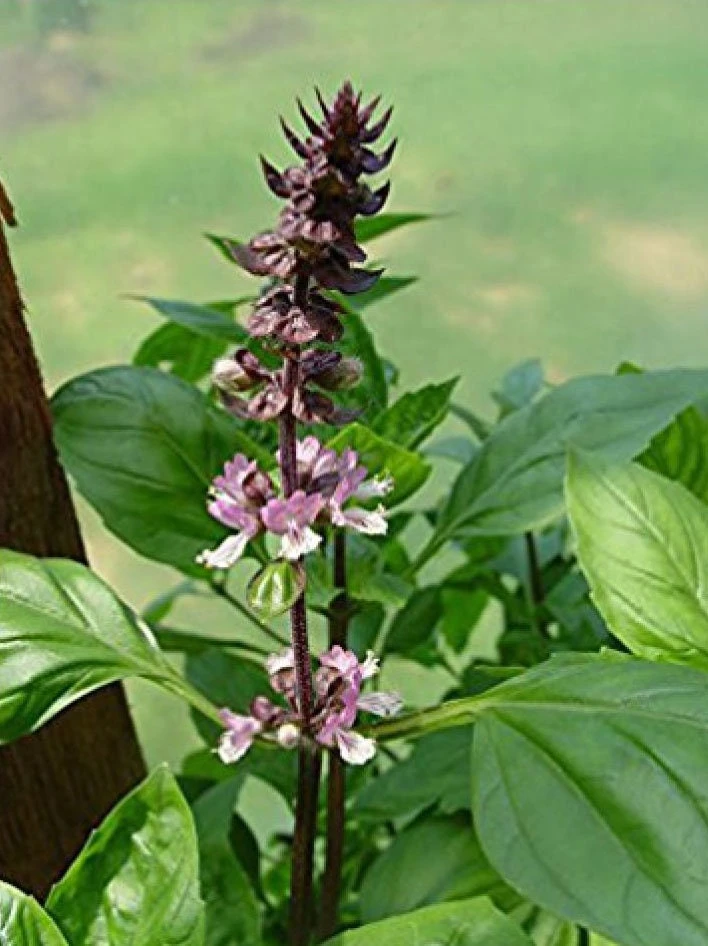
Holy Basil Tulsi Seeds – Ocimum Tenuiflorum Sanctum – 200 Seed Pack – Culinary & Medicinal Herb
Original price was: 48.91 $.19.91 $Current price is: 19.91 $.
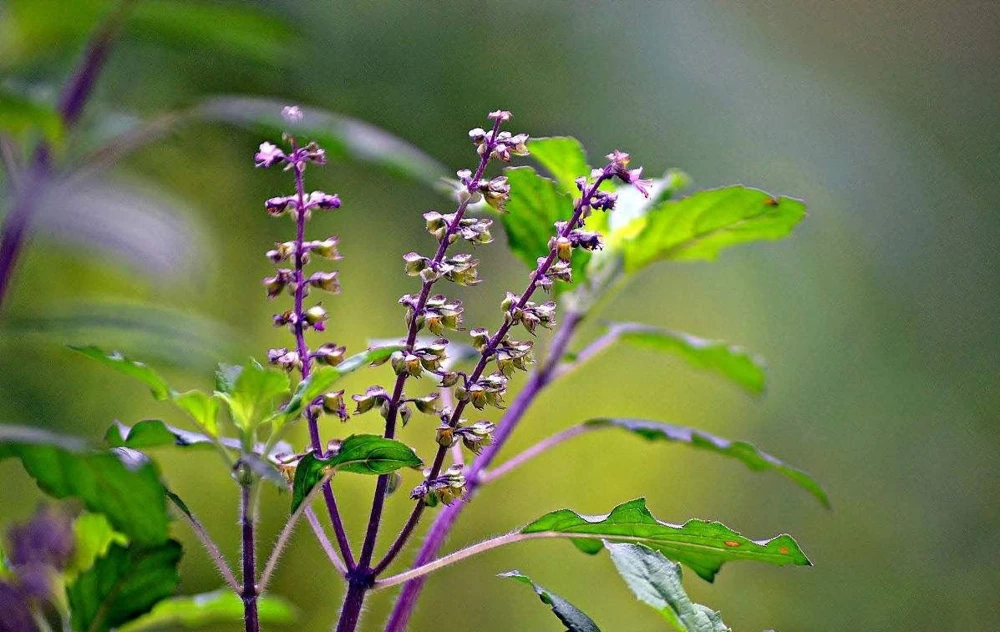
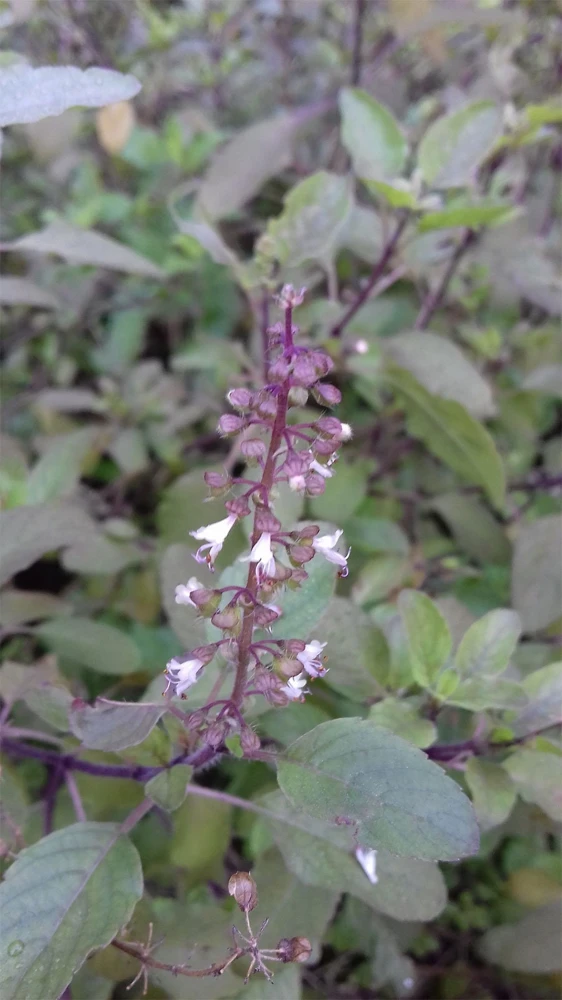
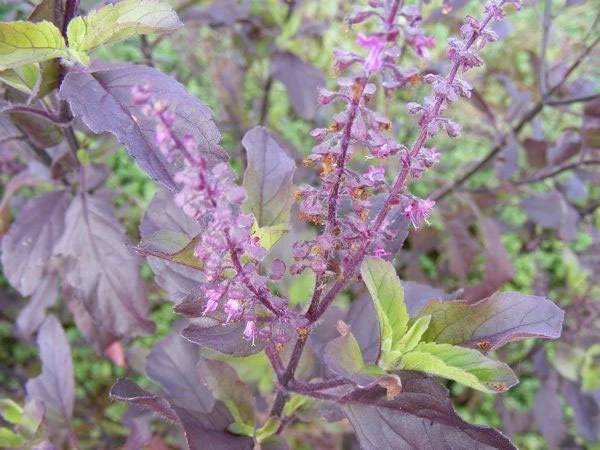
Cultivate your own sacred and flavorful herb with our premium holy basil tulsi seeds. This pack contains 200 seeds of Ocimum tenuiflorum, also known as Tulasi or Thulasi, perfect for growing a versatile plant used in culinary dishes, traditional remedies, and spiritual practices. Enjoy its aromatic leaves and beautiful purple blossoms.
Estimated arrival
Nov 27
Dec 02 - Dec 04
Dec 04 - Dec 09
See our Shipping Policy.
Get in touch with us via email, and our team will review your concerns.
Our Alive & Thrive Guarantee covers issues with your plants within the first 30 days. Read our Refund & Returns Policy.
-
USDA Hardiness Zone
USDA Zones 10-11 (as perennial), annual elsewhere -
Soil Type
Well-draining, rich in organic matter -
Sunlight Exposure
Full sun (6+ hours direct sunlight) -
Expected Planting Period
Spring after last frost (outdoors), year-round indoors
Overview
Embark on a rewarding gardening journey with our high-quality holy basil tulsi seeds. This pack provides 200 seeds of Ocimum tenuiflorum, widely recognized by its synonym Ocimum sanctum, and cherished under various names such as Holy Basil, Tulasi, Thulasi, and Tulsi. Revered for centuries in various cultures, particularly in Hinduism where it’s used in the worship of deities like Vishnu, Rama, and Krishna, this plant is much more than just an herb. Growing up to 2 feet tall, it produces delicate purple blossoms and aromatic leaves that are both beautiful and functional. Whether you’re looking to enhance your culinary skills, explore traditional herbal remedies, or simply add a plant with deep cultural significance to your garden, these holy basil tulsi seeds offer an excellent starting point for gardeners of all levels.
Our ocimum tenuiflorum seeds are carefully selected to ensure viability and robust growth, allowing you to cultivate a thriving patch of this extraordinary herb. The plant’s vibrant green and purple leaves are a staple in Thai cuisine, enjoyed both cooked and raw, adding a unique peppery and slightly clove-like flavor to dishes. Beyond the kitchen, the dried leaves can be brewed into a soothing tea, known for its calming properties, or even used as a natural insect repellent when mixed with stored grains, a practice that dates back centuries. The versatility and rich history of Holy Basil make it a truly fascinating addition to any home garden or herb collection.
Key Benefits
Growing holy basil tulsi seeds offers a multitude of benefits, from enhancing your culinary creations to contributing to your well-being and garden’s ecosystem. This remarkable herb is easy to cultivate and provides a continuous supply of fresh, aromatic leaves for various uses.
- Culinary Versatility: The distinctive flavor of Holy Basil, a blend of peppery, spicy, and clove-like notes, makes it an indispensable ingredient in many Thai dishes. Use fresh leaves in stir-fries, curries, or salads to add an authentic, aromatic touch to your cooking.
- Traditional Wellness Herb: Known as an adaptogen, Tulsi has been traditionally used to help the body adapt to stress. Brewing a tea from the dried leaves is a popular way to enjoy its calming and restorative properties, making it a valuable addition to your herbal repertoire.
- Aromatic Garden Addition: The plant itself is highly aromatic, emitting a pleasant, spicy fragrance that can enhance your garden or indoor space. Its purple blossoms also add a touch of beauty, attracting beneficial pollinators.
- Natural Insect Repellent: Historically, dried Tulsi leaves have been mixed with stored grains to deter insects, offering a natural and chemical-free method of pest control in your pantry or garden.
- Spiritual and Cultural Significance: For those interested in its cultural heritage, growing Tulsi connects you to centuries of tradition. The plant is considered sacred in Hinduism, symbolizing purity and devotion, and its stems are even used to make rosary beads.
- Easy to Grow: These tulasi seeds for planting are relatively simple to germinate and grow, making them suitable for both experienced gardeners and beginners looking to cultivate their own herbs from scratch.
- Supports Biodiversity: The flowers of the Holy Basil plant attract bees and other beneficial insects, contributing to the pollination of your garden and supporting local ecosystems.
Plant Care & Growing Tips
Successfully growing holy basil tulsi seeds requires attention to a few key environmental factors, but overall, it’s a forgiving and rewarding plant to cultivate. Starting from seed is an economical way to produce many plants, ensuring you have a steady supply of this versatile herb.
For optimal growth, grow holy basil in a location that receives full sun, meaning at least 6 hours of direct sunlight per day. If growing indoors, place it near a south-facing window or under grow lights. The plant thrives in warm temperatures and is quite sensitive to cold, performing best in USDA Hardiness Zones 10 to 11 when grown outdoors year-round. In cooler climates, it can be grown as an annual or brought indoors during colder months. Sow seeds about 1/4 inch deep in well-draining soil, either directly in your garden after the last frost or indoors 6-8 weeks before the last frost date for a head start. Keep the soil consistently moist but not waterlogged during germination, which typically occurs within 1-2 weeks.
Once established, Holy Basil prefers consistently moist soil, so water regularly, especially during dry spells. Allow the top inch of soil to dry out slightly between waterings to prevent root rot. A well-draining potting mix or garden soil rich in organic matter is ideal. Fertilize lightly every 4-6 weeks during the growing season with a balanced liquid fertilizer to encourage lush growth. Pinch back the top leaves and flower buds regularly to promote bushier growth and prevent the plant from going to seed too quickly, which can reduce leaf production. Common problems are few, but watch out for aphids or whiteflies; a strong spray of water or insecticidal soap can usually manage these pests. Ensuring good air circulation can help prevent fungal issues. By following these guidelines, you can successfully grow holy basil and enjoy its many uses.
Size & Details
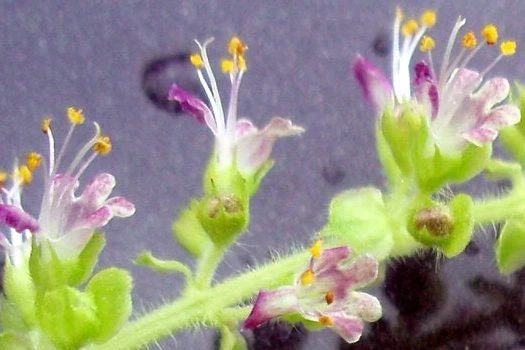
This product includes a pack of 200 holy basil tulsi seeds (Ocimum tenuiflorum / Ocimum sanctum), providing ample opportunity to cultivate a thriving patch of this revered herb. When mature, the Holy Basil plant typically grows to a height of about 1 to 2 feet (30-60 cm) and spreads similarly, forming a bushy, upright habit. The leaves are generally green, often with purple tinges, and are highly aromatic. The plant produces small, delicate purple flowers in spikes, which are also attractive to pollinators.
These sacred basil seeds are suitable for planting in garden beds, raised beds, or containers, making them versatile for various gardening setups. They are best started in spring after the danger of frost has passed, or indoors several weeks before transplanting. Under ideal conditions, plants will establish quickly, providing a harvest of leaves throughout the warm seasons. Expect your Holy Basil plants to reach a harvestable size within 6-8 weeks after germination, and they will continue to produce leaves until the first hard frost. Regular harvesting encourages more vigorous growth and a continuous supply of fresh leaves.
Frequently Asked Questions
- Q: How big does this plant get? A: Holy Basil plants typically grow to about 1 to 2 feet (30-60 cm) tall and spread similarly, forming a bushy appearance. Regular pruning can help maintain a desired size and shape.
- Q: Is this an indoor or outdoor plant? A: Holy Basil thrives outdoors in warm climates (USDA Zones 10-11) as a perennial. In cooler regions, it’s best grown as an annual outdoors during the warm season or cultivated indoors year-round as a potted plant.
- Q: How much sunlight does it need? A: For optimal growth and flavor, Holy Basil requires full sun, meaning at least 6 hours of direct sunlight per day. If growing indoors, place it in the brightest window available or supplement with grow lights.
- Q: Is this plant easy to care for? A: Yes, Holy Basil is generally considered easy to care for. It requires consistent moisture, plenty of sunlight, and well-draining soil. Pinching back regularly encourages bushier growth and delays flowering.
- Q: What condition will it arrive in? A: You will receive a packet containing 200 high-quality holy basil tulsi seeds, ready for planting. They are carefully packaged to ensure viability upon arrival.
- Q: Can I use holy basil in cooking? A: Absolutely! Holy Basil leaves are a popular ingredient in Thai cuisine, used in stir-fries, curries, and salads. Its unique peppery, clove-like flavor adds a distinctive aroma and taste to dishes.
- Q: How long until it blooms? A: Holy Basil typically starts producing small purple flower spikes within 8-12 weeks of planting. It’s often recommended to pinch off flower buds early to encourage more leaf production.
- Q: When is the best time to plant these ocimum tenuiflorum seeds? A: The best time to plant is in spring, after all danger of frost has passed and soil temperatures have warmed up. For an earlier harvest, start seeds indoors 6-8 weeks before your last expected frost date.
- Q: What’s the minimum temperature this plant can tolerate? A: Holy Basil is very sensitive to cold. It thrives in temperatures above 50°F (10°C) and will suffer damage or die if exposed to frost or temperatures below 40°F (4°C) for extended periods.
- Q: What are sacred basil seeds used for besides cooking? A: Beyond culinary uses, Holy Basil is revered for its traditional medicinal properties, often brewed as a tea for its adaptogenic qualities. Its dried leaves can also be used as a natural insect repellent.
Be the first to review “Holy Basil Tulsi Seeds – Ocimum Tenuiflorum Sanctum – 200 Seed Pack – Culinary & Medicinal Herb”
Related products


You May Like

How to Grow Passion Flower (Passiflora) for Tropical Blooms
Few climbing vines in the home garden command attention quite like the exotic Passion Flower (Passiflora). [...]
Nov

Thanksgiving Cactus Care: How to Get Thanksgiving Cactus to Bloom
Is your Thanksgiving cactus growing well but not giving you any flowers? Maybe it looked [...]
Nov

How to Grow Garlic for a Bountiful Home Harvest
Garlic (Allium sativum) is one of the most satisfying, low-maintenance, and flavor-packed crops you can [...]
Oct

Hardneck vs. Softneck Garlic: Which Should You Grow?
Have you ever stood in front of a seed catalog in mid-September, staring at dozens [...]
1 Comment
Oct

When to Plant Music Garlic: Ultimate US Fall Guide
Have you ever spent your fall weekend placing carefully chosen garlic cloves into rich, dark [...]
1 Comment
Oct

5 Best Bulbs for Fall Planting: Brighten Your Garden This Spring
Are you dreaming of a garden full of vibrant colors in the spring? The key [...]
Aug

10 Houseplants That Will Thrive in Your Kitchen
Are you tired of your kitchen feeling dull and lifeless? Want to add a little [...]
1 Comment
Aug
Reviews
There are no reviews yet.