
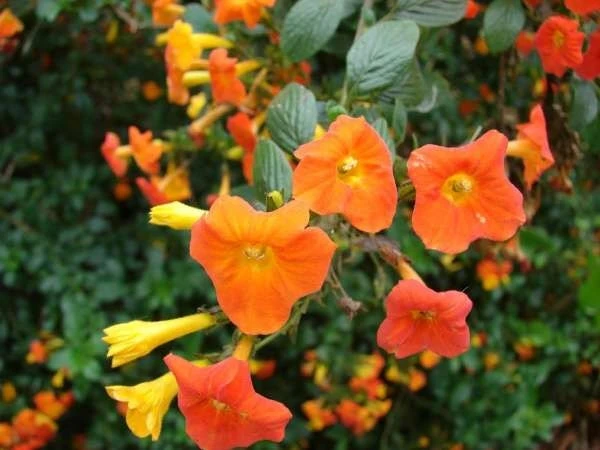
Marmalade Bush Seeds – Streptosolen jamesonii – 100 Seeds for Outdoor Garden
Original price was: 44.91 $.15.91 $Current price is: 15.91 $.
Cultivate the stunning marmalade bush seeds (Streptosolen jamesonii) with this pack of 100 seeds. Known for its brilliant, color-changing blooms, this shrub adds a breathtaking display to any garden, attracting butterflies and hummingbirds. Perfect for USDA Zones 9-11.
Estimated arrival
Nov 27
Dec 02 - Dec 04
Dec 04 - Dec 09
See our Shipping Policy.
Get in touch with us via email, and our team will review your concerns.
Our Alive & Thrive Guarantee covers issues with your plants within the first 30 days. Read our Refund & Returns Policy.
-
USDA Hardiness Zone
USDA Zones 9 to 11 -
Soil Type
Well-draining, sandy loam enriched with organic matter -
Sunlight Exposure
Full sun to partial shade -
Expected Planting Period
Spring after last frost
Overview
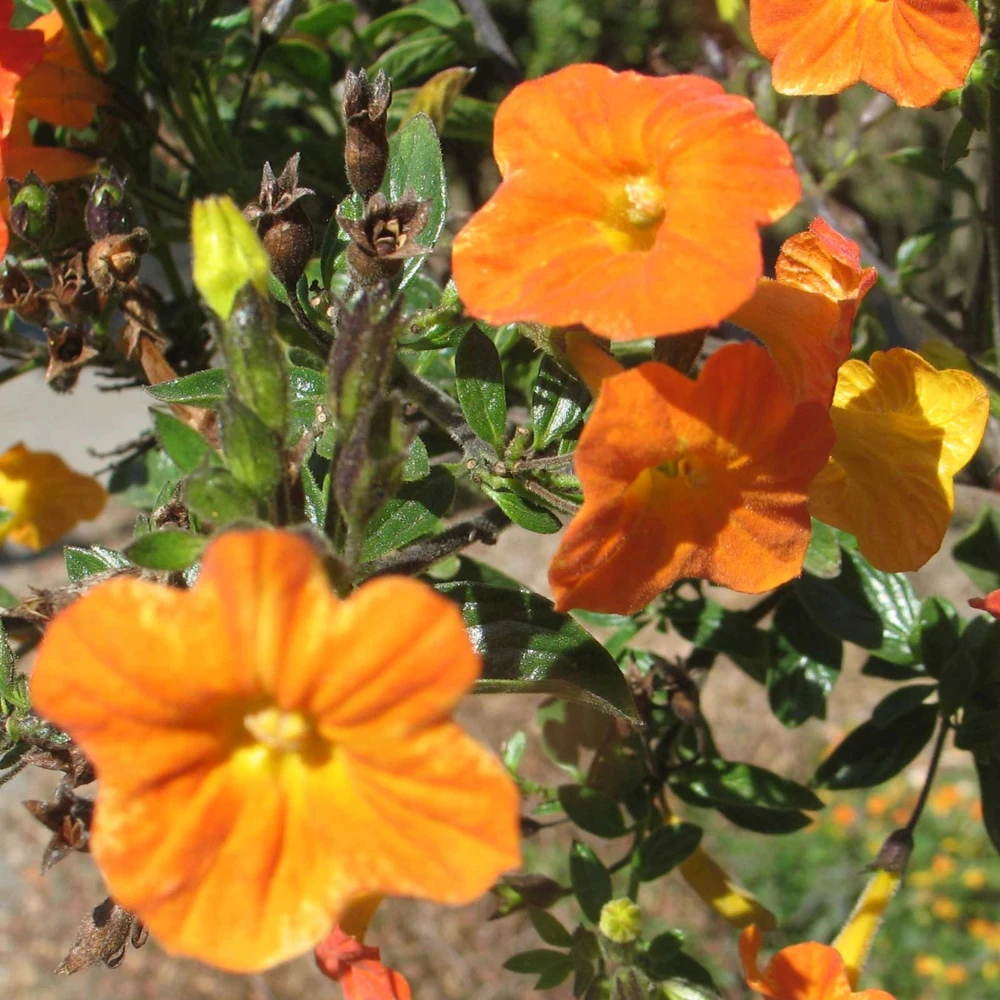
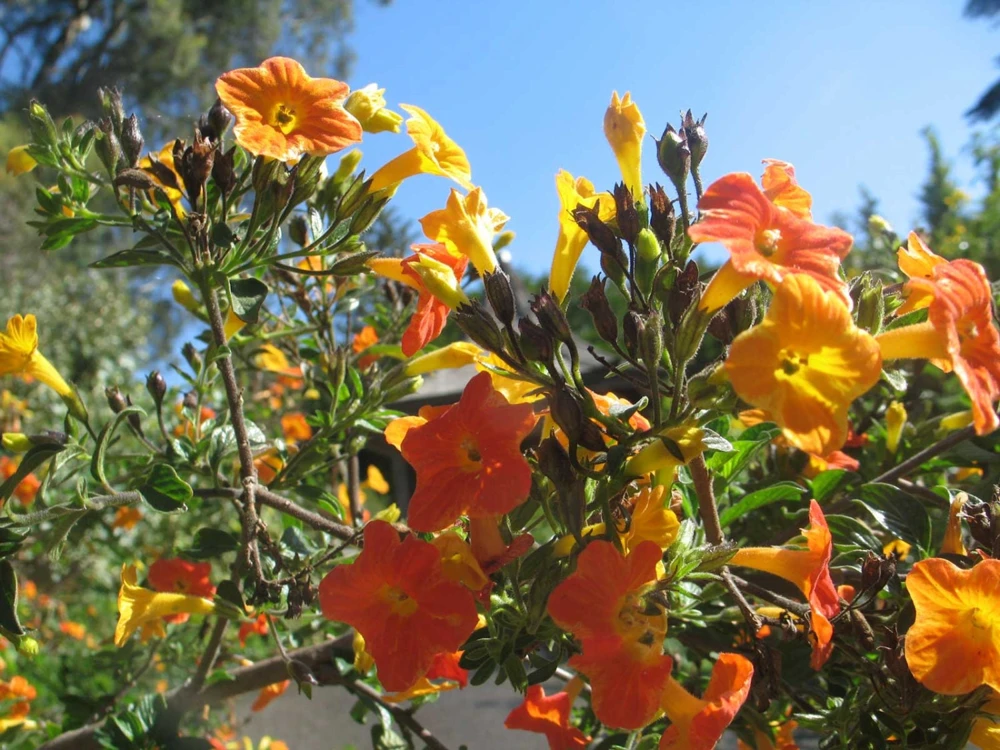
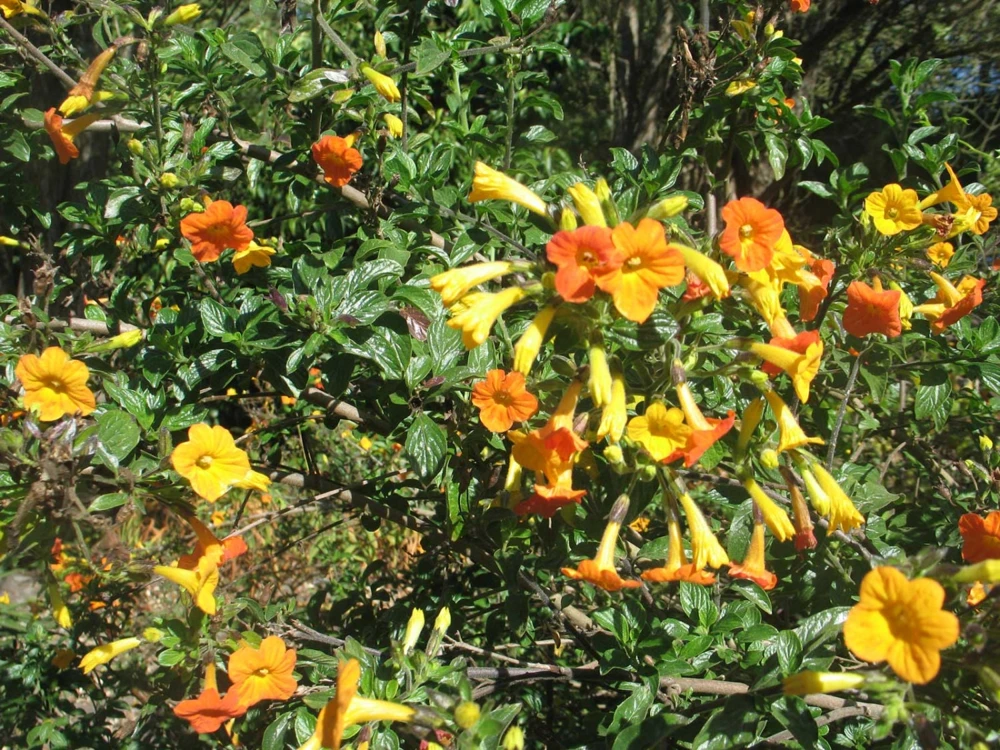
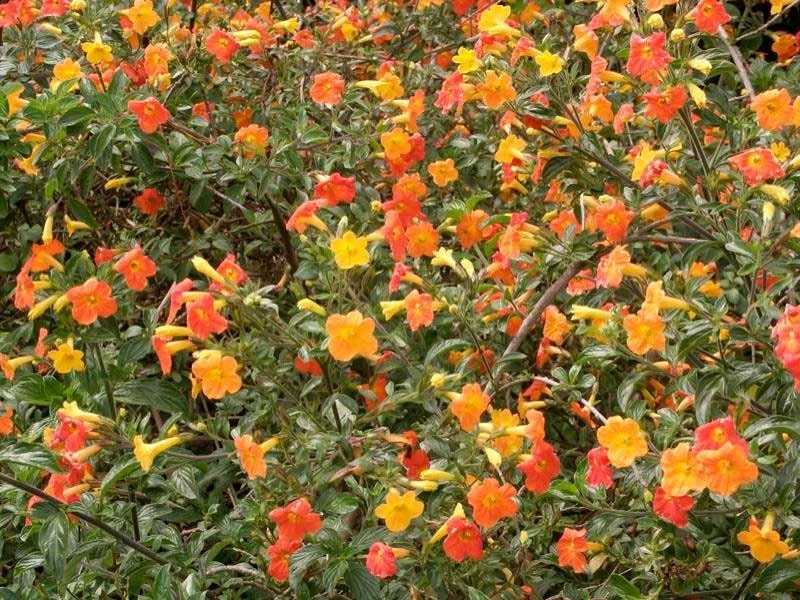
Discover the beauty of the marmalade bush seeds, also known by its botanical name Streptosolen jamesonii seeds. This remarkable plant, often referred to as Orange Browallia or Firebush, is celebrated for its truly spectacular floral display. With this pack of 100 seeds, you can cultivate this brilliant shrub that promises to be a focal point in your garden. The blossoms begin as a cheerful yellow, gradually transitioning to a vibrant orange, and finally maturing into a fiery red, creating a stunning gradient of color on a single plant. This swirling mix of hues is breathtaking, making it much more than just a privacy plant. Ideal for warmer climates, the marmalade bush can offer continuous blooms throughout the year in areas with mild winters, bringing consistent joy and color to your outdoor space.
The marmalade bush seeds offer an opportunity to grow a plant that truly stands out. Its unique color transformation and vigorous growth habit make it a favorite among gardeners looking for something special. Whether you’re an experienced gardener or just starting, these seeds provide a rewarding cultivation experience. Imagine your garden filled with these spectacular flowers, attracting a host of beneficial pollinators. Cultivating streptosolen jamesonii seeds allows you to witness this natural wonder from germination to full bloom.
Key Benefits
The Marmalade Bush offers numerous benefits that make it an excellent addition to any garden. Its unique characteristics contribute to both aesthetic appeal and ecological value.
- Stunning Visual Appeal: The primary benefit of the marmalade bush seeds is the extraordinary visual display. The flowers’ transition from yellow to orange and then to red creates a dynamic and captivating show, ensuring your garden remains vibrant and interesting throughout its blooming season. This natural artistry makes it a true garden gem.
- Attracts Pollinators: This colorful bush is a magnet for local wildlife. Its bright, nectar-rich flowers are irresistible to butterflies, bees, and hummingbirds, making it an excellent choice for supporting local ecosystems and encouraging biodiversity in your garden. Watching these creatures interact with the plant is a delight.
- Extended Blooming Period: In suitable climates (USDA Hardiness Zones 9 to 11), the Marmalade Bush can bloom almost continuously, offering year-round color and interest. This extended blooming period means you can enjoy its beauty for much longer than many other flowering shrubs, providing a consistent source of joy.
- Versatile Landscaping Plant: While often grown for its ornamental value, the Marmalade Bush can also serve practical purposes. Its dense growth makes it suitable for hedges or privacy screens, adding both beauty and function to your landscape. The vibrant colors enhance any garden design.
- Unique Color Transformation: The distinctive color-changing nature of the flowers sets this plant apart. It’s not just a single-color bloom; it’s a living canvas that continuously shifts its palette, offering a unique and engaging experience for any gardener. This feature is a key reason many choose to plant streptosolen jamesonii seeds.
- Relatively Low Maintenance: Once established, the Marmalade Bush is known for being relatively easy to care for, requiring minimal attention beyond basic watering and occasional pruning. This makes growing marmalade bush accessible even for those with busy schedules.
- Drought Tolerance: While it appreciates regular watering, the Marmalade Bush exhibits good drought tolerance once established, making it a resilient choice for various garden conditions, especially in warmer regions.
Plant Care & Growing Tips
Successfully growing marmalade bush from marmalade bush seeds requires attention to specific environmental conditions and consistent care. The Marmalade Bush thrives in conditions that mimic its natural subtropical habitat. For optimal growth and prolific blooming, ensure your plants receive plenty of sunlight. They prefer a location that gets full sun for at least 6-8 hours a day, though they can tolerate partial shade, especially in hotter climates where afternoon shade can prevent scorching. Well-draining soil is crucial; a sandy loam enriched with organic matter is ideal. Avoid heavy, clay soils that retain too much moisture, as this can lead to root rot.
When it comes to watering, keep the soil consistently moist but not waterlogged. Allow the top inch or two of soil to dry out slightly between waterings, especially for young plants. Once established, the Marmalade Bush is somewhat drought-tolerant but will perform best with regular moisture. Fertilize during the active growing season (spring and summer) with a balanced, slow-release fertilizer or a liquid feed every 2-4 weeks. Pruning is essential for maintaining shape, encouraging bushier growth, and promoting more blooms. Prune after a flush of flowers to remove spent blossoms and shape the plant. The Marmalade Bush is hardy in USDA Zones 9 to 11, meaning it can withstand mild winters in these regions. In colder areas, it can be grown as an annual or brought indoors during winter. Keep an eye out for common pests like aphids or whiteflies, which can be managed with insecticidal soap. Proper care will ensure your firebush plant seeds develop into healthy, vibrant shrubs.
Size & Details
This product includes 100 seeds of Streptosolen jamesonii seeds, commonly known as Marmalade Bush, Orange Browallia, or Firebush. When grown from these seeds, the plant typically matures into a medium-sized shrub, reaching heights of 3 to 6 feet with a similar spread, though it can grow larger in ideal conditions. The growth rate is moderate to fast, allowing you to enjoy substantial growth within the first few seasons. The seeds should be planted in spring after the last frost for best results. Expect germination within 2-4 weeks under optimal conditions, with flowering typically commencing in the second year of growth. These seeds are suitable for outdoor planting in USDA Hardiness Zones 9 to 11. Each seed has the potential to grow into a robust, flowering shrub, providing a stunning display of color-changing blooms. The plant forms a dense, bushy habit, making it an excellent choice for borders, mass plantings, or as a vibrant specimen plant.
Frequently Asked Questions
- Q: How big does the Marmalade Bush get from these marmalade bush seeds? A: When fully grown, the Marmalade Bush typically reaches a height of 3 to 6 feet and can spread similarly. In very favorable conditions, it might grow even larger. Regular pruning can help manage its size and shape.
- Q: Is this an indoor or outdoor plant? A: The Marmalade Bush is primarily an outdoor plant, thriving in garden settings within USDA Hardiness Zones 9 to 11. In colder regions, it can be grown as an annual or overwintered indoors as a container plant.
- Q: How much sunlight does the Marmalade Bush need? A: For the best blooming performance, the Marmalade Bush requires full sun, meaning at least 6-8 hours of direct sunlight per day. It can tolerate partial shade, especially in extremely hot climates, but flowering may be less abundant.
- Q: Is this plant easy to care for? A: Yes, once established, the Marmalade Bush is considered relatively easy to care for. It requires well-draining soil, consistent watering, and occasional fertilization and pruning to encourage healthy growth and continuous blooms. It’s a great choice for various gardening skill levels.
- Q: What condition will the streptosolen jamesonii seeds arrive in? A: You will receive 100 high-quality, viable seeds in a protective packet. They are packaged to ensure their integrity during transit, ready for you to plant upon arrival.
- Q: How long until the Marmalade Bush blooms from seed? A: While germination can occur within 2-4 weeks, the Marmalade Bush typically begins to bloom in its second year of growth after being planted from seed. This allows the plant to establish a strong root system first.
- Q: What is the best time to plant these firebush plant seeds? A: The best time to plant Marmalade Bush seeds is in the spring, after all danger of frost has passed and the soil has begun to warm up. This provides the ideal conditions for germination and initial growth.
- Q: Will the Marmalade Bush survive winter in my zone? A: The Marmalade Bush is hardy in USDA Zones 9 to 11. If you are in these zones, it should survive winter outdoors. In colder zones, it will need protection or should be grown as an annual or container plant brought indoors.
- Q: Can the Marmalade Bush be used for hedging? A: Yes, due to its dense growth habit and attractive foliage, the Marmalade Bush makes an excellent choice for informal hedges or privacy screens, adding a vibrant splash of color to your garden boundary.
- Q: What kind of soil does the Marmalade Bush prefer? A: The Marmalade Bush thrives in well-draining soil. A sandy loam enriched with organic matter is ideal. It is crucial to avoid heavy clay soils that can become waterlogged, as this can harm the plant’s roots.
Be the first to review “Marmalade Bush Seeds – Streptosolen jamesonii – 100 Seeds for Outdoor Garden”
Related products


Shrub Seeds
Nannyberry Sweet Viburnum Lentago Seeds – 20 Pack, White Flowers, Edible Blue-Black Berries


You May Like

How to Grow Passion Flower (Passiflora) for Tropical Blooms
Few climbing vines in the home garden command attention quite like the exotic Passion Flower (Passiflora). [...]
Nov

Thanksgiving Cactus Care: How to Get Thanksgiving Cactus to Bloom
Is your Thanksgiving cactus growing well but not giving you any flowers? Maybe it looked [...]
Nov

How to Grow Garlic for a Bountiful Home Harvest
Garlic (Allium sativum) is one of the most satisfying, low-maintenance, and flavor-packed crops you can [...]
Oct

Hardneck vs. Softneck Garlic: Which Should You Grow?
Have you ever stood in front of a seed catalog in mid-September, staring at dozens [...]
1 Comment
Oct

When to Plant Music Garlic: Ultimate US Fall Guide
Have you ever spent your fall weekend placing carefully chosen garlic cloves into rich, dark [...]
1 Comment
Oct

5 Best Bulbs for Fall Planting: Brighten Your Garden This Spring
Are you dreaming of a garden full of vibrant colors in the spring? The key [...]
Aug

10 Houseplants That Will Thrive in Your Kitchen
Are you tired of your kitchen feeling dull and lifeless? Want to add a little [...]
1 Comment
Aug
Reviews
There are no reviews yet.