
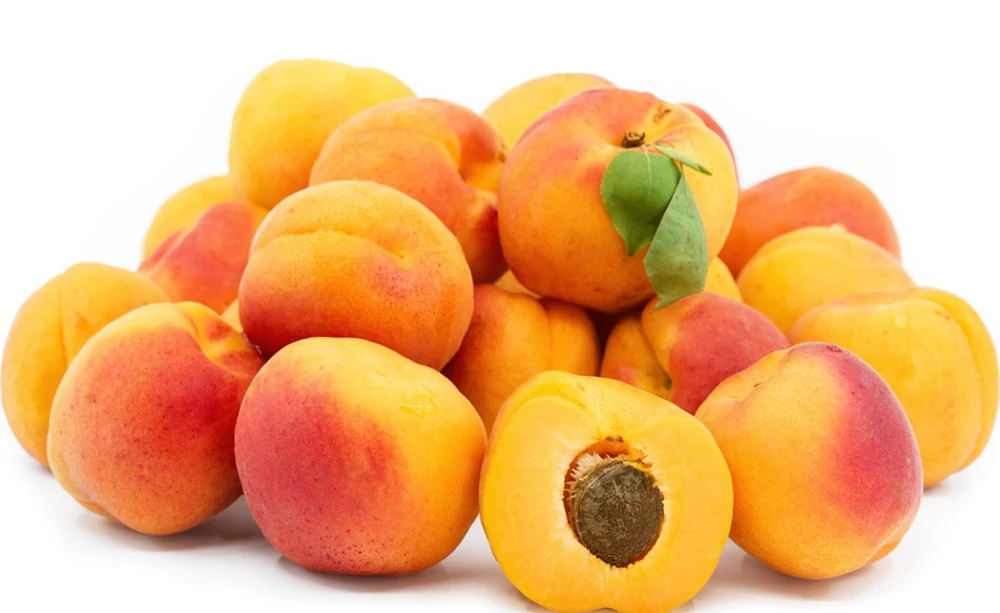
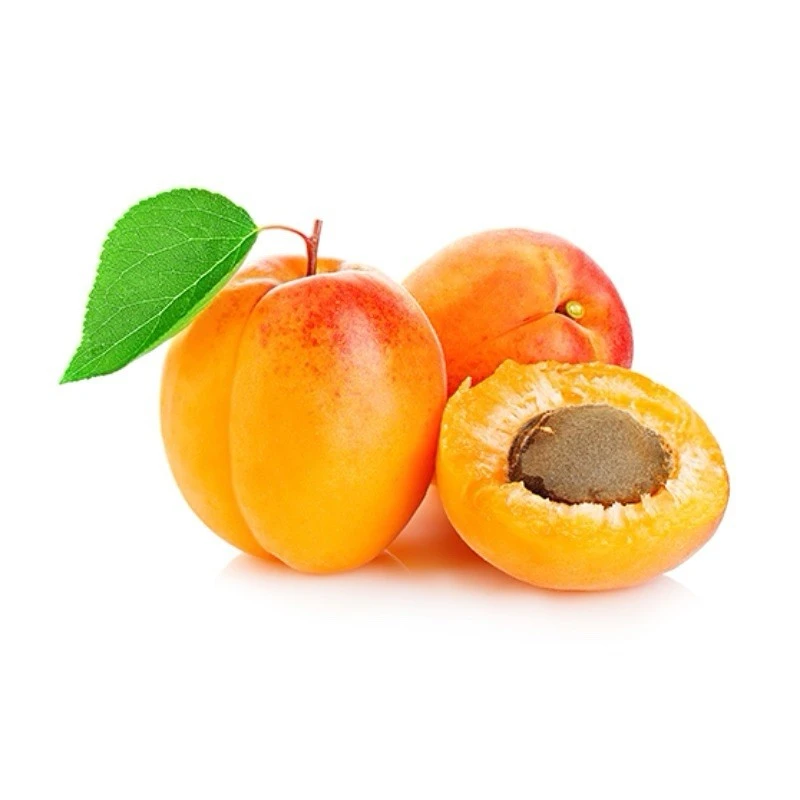
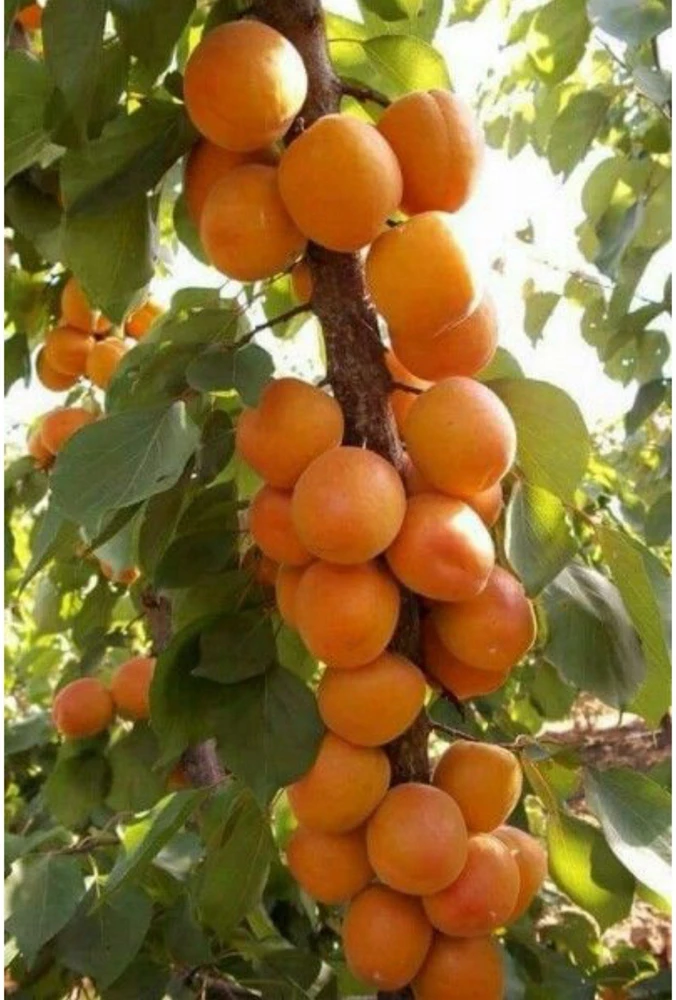
Sweet Apricot Seeds – Prunus Armeniaca Fruit Tree Seeds – 5 Seeds Outdoor
Original price was: 19.98 $.15.99 $Current price is: 15.99 $.
Start your own orchard with sweet apricot seeds. These Prunus Armeniaca seeds are ideal for outdoor cultivation, yielding delicious fruit. Perfect for gardeners looking to grow their own fresh apricots.
Estimated arrival
Nov 26
Dec 01 - Dec 03
Dec 03 - Dec 08
See our Shipping Policy.
Get in touch with us via email, and our team will review your concerns.
Our Alive & Thrive Guarantee covers issues with your plants within the first 30 days. Read our Refund & Returns Policy.
-
USDA Hardiness Zone
USDA zones 5-8 -
Soil Type
Well-draining loamy soil -
Sunlight Exposure
Full sun -
Expected Planting Period
Early spring after stratification
Overview
Embark on a rewarding gardening journey by cultivating your own delicious sweet apricot trees from seed. These premium sweet apricot seeds, botanically known as Prunus Armeniaca, offer a fantastic opportunity to grow a productive fruit tree right in your backyard. Apricots are cherished for their sweet, juicy flesh and beautiful, fragrant blossoms, making them a wonderful addition to any garden or orchard. Starting with Prunus Armeniaca seeds allows you to experience the full life cycle of this magnificent plant, from tiny seed to a mature, fruit-bearing tree. Whether you’re an experienced horticulturist or a budding gardener, growing apricot from seed is an engaging and satisfying project that connects you directly with nature’s bounty.
Our apricot tree seeds are selected to provide the best chance of successful germination and growth, leading to healthy, vigorous trees. These seeds are specifically sourced for their potential to develop into trees that produce succulent sweet apricots, perfect for fresh eating, baking, or preserves. The journey of growing apricot from seed is an educational and enriching experience, teaching patience and the wonders of plant development. Prepare to transform your outdoor space into a haven of fresh fruit with these high-quality fruit tree seeds.
Key Benefits
Cultivating sweet apricot trees from seed offers a multitude of benefits, enhancing your garden and providing a source of fresh, homegrown fruit. These advantages make growing apricot from seed a truly worthwhile endeavor:
- Fresh Homegrown Fruit: Enjoy the unparalleled taste of freshly picked apricots directly from your own garden. There’s nothing quite like the flavor of fruit ripened on the tree, free from commercial handling and pesticides. These sweet apricot seeds provide the foundation for a sustainable food source.
- Beautiful Ornamental Value: Beyond their fruit, apricot trees are highly ornamental. They produce lovely pinkish-white blossoms in spring, followed by attractive green foliage and, of course, the vibrant orange fruit in summer. They add significant aesthetic appeal to any landscape.
- Rewarding Gardening Experience: The process of growing apricot from seed is incredibly satisfying. Witnessing a tiny seed sprout and develop into a mature tree that produces fruit is a testament to your patience and care, offering a deep connection to nature.
- Cost-Effective: Starting with apricot tree seeds is often a more economical way to establish an orchard or add multiple fruit trees to your property compared to purchasing mature saplings. This makes expanding your edible landscape more accessible.
- Genetic Diversity: Growing from seed can introduce genetic variation, potentially leading to trees with unique characteristics or improved resilience to local conditions. Each of these Prunus Armeniaca seeds holds the potential for a distinct and robust tree.
- Educational Opportunity: For families and educators, planting fruit tree seeds and nurturing them provides a fantastic learning opportunity about botany, horticulture, and the importance of fresh food.
- Sustainable Practice: By growing your own fruit, you contribute to a more sustainable lifestyle, reducing your carbon footprint associated with food transportation and packaging.
Plant Care & Growing Tips
To successfully grow sweet apricot trees from your sweet apricot seeds, proper care and attention are crucial. Apricot trees thrive in specific conditions that mimic their natural Mediterranean origins. First, stratify your Prunus Armeniaca seeds by placing them in a moist medium (like peat moss or sand) in a refrigerator for 60-90 days. This cold stratification period mimics winter and breaks dormancy, preparing the seeds for germination. Once stratified, plant the seeds about 1 inch deep in a well-draining potting mix in individual pots or directly into the ground.
Apricot trees require a location with full sun, meaning at least 6-8 hours of direct sunlight per day. They prefer well-draining soil with a pH between 6.0 and 7.0. If your soil is heavy clay, amend it with organic matter like compost to improve drainage and fertility. Water regularly, especially during dry spells and when the trees are young, ensuring the soil remains consistently moist but not waterlogged. Once established, apricot trees are moderately drought-tolerant but will produce better fruit with consistent moisture. Fertilize young trees sparingly, using a balanced fertilizer in early spring. Protect young trees from pests and diseases, and prune annually in late winter or early spring to maintain shape, encourage fruit production, and remove dead or diseased branches. Understanding the needs for growing apricot from seed is key to a bountiful harvest.
Apricot trees are generally hardy in USDA Zones 5-8, though some varieties may tolerate colder or warmer climates. Ensure your chosen planting site offers good air circulation to prevent fungal issues. Common problems include late spring frosts damaging blossoms, and pests like aphids or peach tree borers. Regular inspection and appropriate organic pest control methods can help mitigate these issues, ensuring your apricot tree seeds develop into healthy, productive trees.
Size & Details
These sweet apricot seeds are intended for cultivation into mature fruit-bearing trees. Upon germination, seedlings will typically grow several inches in their first year. A mature sweet apricot tree can reach a height of 15-20 feet and a spread of 15-20 feet, though size can be managed with proper pruning. The growth rate is moderate, with trees often beginning to bear fruit within 3-5 years after planting. Each packet contains 5 high-quality Prunus Armeniaca seeds, providing multiple opportunities for successful germination and growth. These fruit tree seeds are designed for outdoor planting and will establish best when given ample space to develop their root system and canopy.
The trees are deciduous, shedding their leaves in the fall and entering a dormant period during winter, which is essential for fruit production. Expect a beautiful display of flowers in early spring, followed by fruit ripening in late spring to mid-summer, depending on the specific variety and local climate. Proper spacing of 15-20 feet between trees is recommended to allow for optimal growth and air circulation. These apricot tree seeds offer a long-term investment in your garden’s productivity and beauty.
Frequently Asked Questions
- Q: How big does a sweet apricot tree get? A: A mature sweet apricot tree typically grows to a height and spread of 15-20 feet. Regular pruning can help manage its size and shape, making it suitable for various garden sizes.
- Q: When is the best time to plant these sweet apricot seeds? A: After cold stratification, the best time to plant Prunus Armeniaca seeds is in early spring, once the danger of hard frost has passed. This allows the seedlings to establish themselves during the growing season.
- Q: How much sunlight do apricot trees need? A: Apricot trees require full sun, meaning at least 6-8 hours of direct sunlight daily, to produce abundant and sweet fruit. A sunny location is crucial for successful growing apricot from seed.
- Q: Is this plant easy to care for? A: While growing apricot from seed requires patience and specific stratification, established apricot trees are moderately easy to care for with proper watering, sunlight, and annual pruning. They are a good choice for gardeners seeking a rewarding challenge.
- Q: What condition will the sweet apricot seeds arrive in? A: Your sweet apricot seeds will arrive as dormant, ready-to-stratify seeds. They will be carefully packaged to ensure their viability for planting and germination.
- Q: How long until an apricot tree grown from seed produces fruit? A: Apricot trees grown from apricot tree seeds typically begin to bear fruit within 3-5 years after planting, although this can vary based on growing conditions and specific care.
- Q: Can I grow these fruit tree seeds in a container? A: While it’s possible to start fruit tree seeds in containers, apricot trees eventually need to be transplanted into the ground to reach their full potential and produce ample fruit. Dwarf varieties or specific pruning techniques can allow for longer container growth.
- Q: What type of soil is best for growing apricot from seed? A: Apricot trees prefer well-draining, fertile soil with a slightly acidic to neutral pH (6.0-7.0). Amending heavy clay soils with organic matter will greatly improve drainage and success with your Prunus Armeniaca seeds.
- Q: Will these sweet apricot seeds grow true to type? A: While seeds from hybrid apricots may not always grow true to the parent plant, seeds from open-pollinated or heirloom varieties are more likely to produce offspring similar to the parent. These sweet apricot seeds are selected for their potential to yield desirable fruit.
- Q: Are apricot trees self-pollinating? A: Most common apricot varieties are self-pollinating, meaning a single tree can produce fruit. However, planting multiple trees or having other apricot trees nearby can often lead to improved fruit set and yield for your sweet apricot trees.
Be the first to review “Sweet Apricot Seeds – Prunus Armeniaca Fruit Tree Seeds – 5 Seeds Outdoor”
Related products


Fruit Seeds
Southern Highbush Blueberry Seeds – 50 Pre-Stratified Vaccinium Corymbosum Fruit Bush Seeds

You May Like

How to Grow Passion Flower (Passiflora) for Tropical Blooms
Few climbing vines in the home garden command attention quite like the exotic Passion Flower (Passiflora). [...]
Nov

Thanksgiving Cactus Care: How to Get Thanksgiving Cactus to Bloom
Is your Thanksgiving cactus growing well but not giving you any flowers? Maybe it looked [...]
Nov

How to Grow Garlic for a Bountiful Home Harvest
Garlic (Allium sativum) is one of the most satisfying, low-maintenance, and flavor-packed crops you can [...]
Oct

Hardneck vs. Softneck Garlic: Which Should You Grow?
Have you ever stood in front of a seed catalog in mid-September, staring at dozens [...]
1 Comment
Oct

When to Plant Music Garlic: Ultimate US Fall Guide
Have you ever spent your fall weekend placing carefully chosen garlic cloves into rich, dark [...]
1 Comment
Oct

5 Best Bulbs for Fall Planting: Brighten Your Garden This Spring
Are you dreaming of a garden full of vibrant colors in the spring? The key [...]
Aug

10 Houseplants That Will Thrive in Your Kitchen
Are you tired of your kitchen feeling dull and lifeless? Want to add a little [...]
1 Comment
Aug
Reviews
There are no reviews yet.