
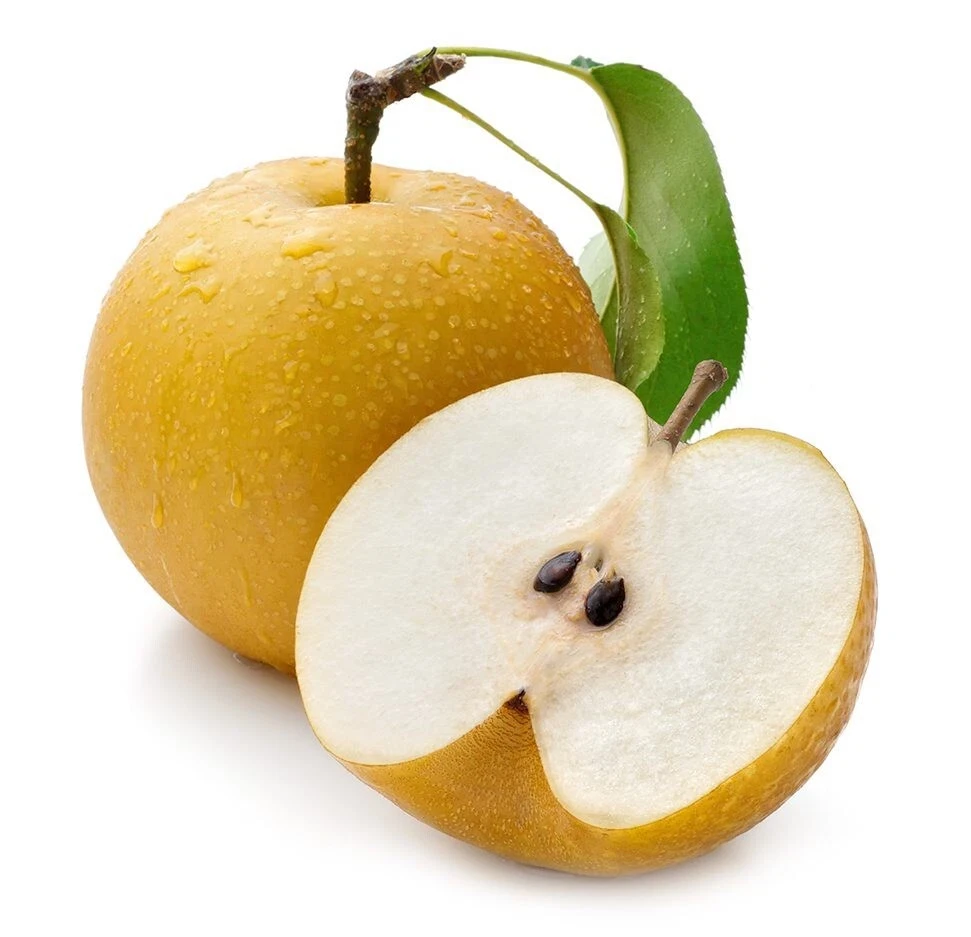
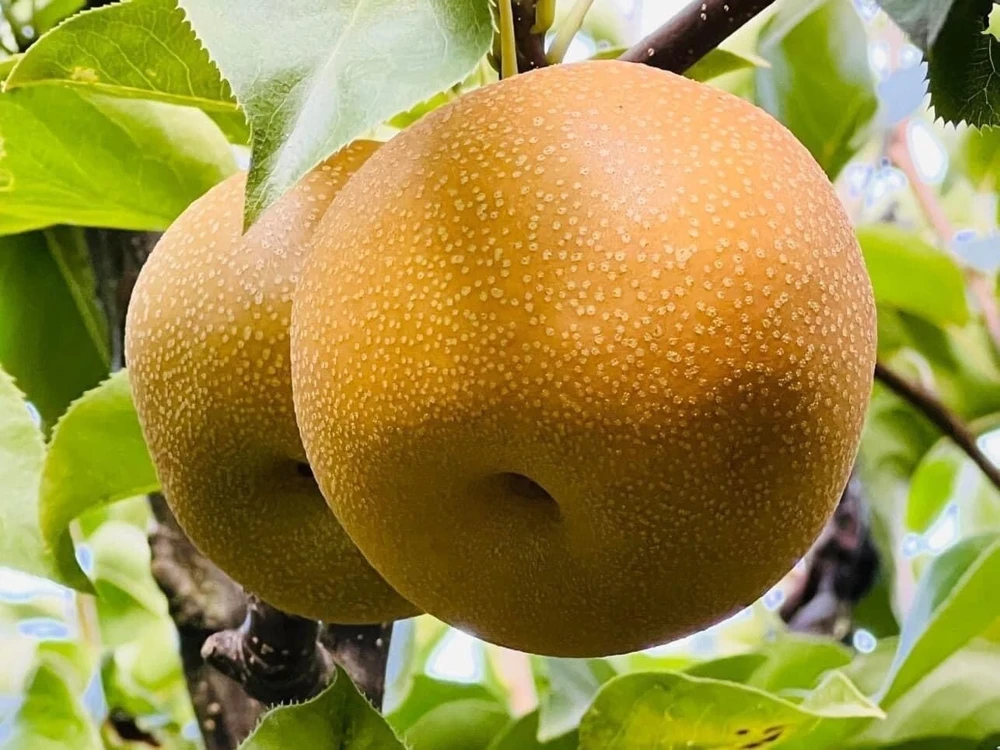
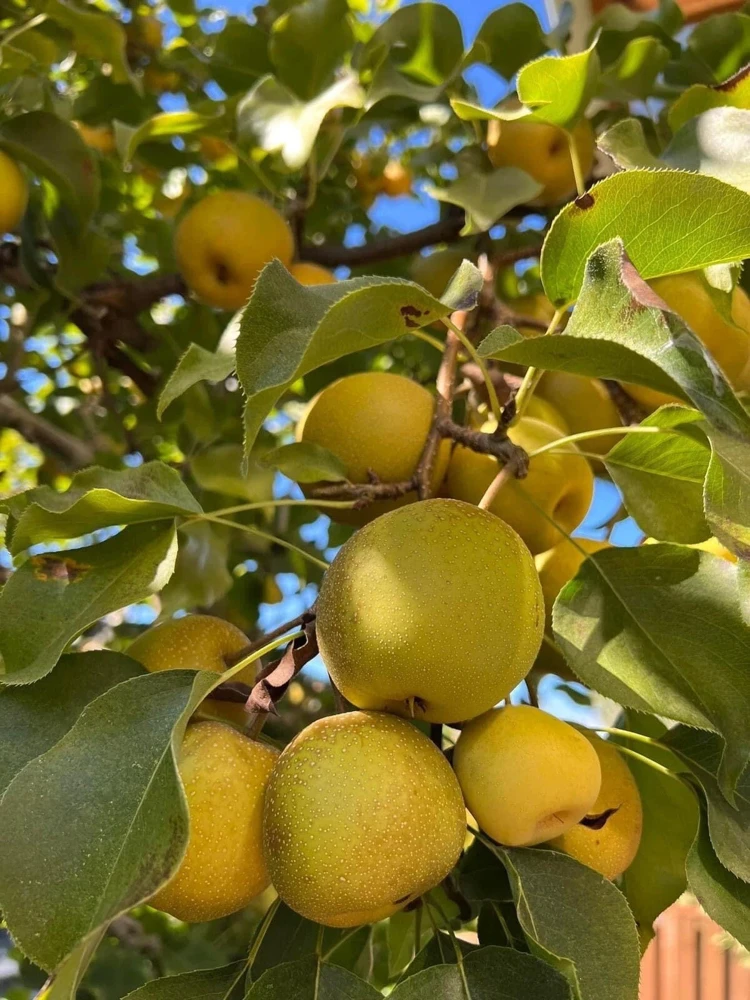
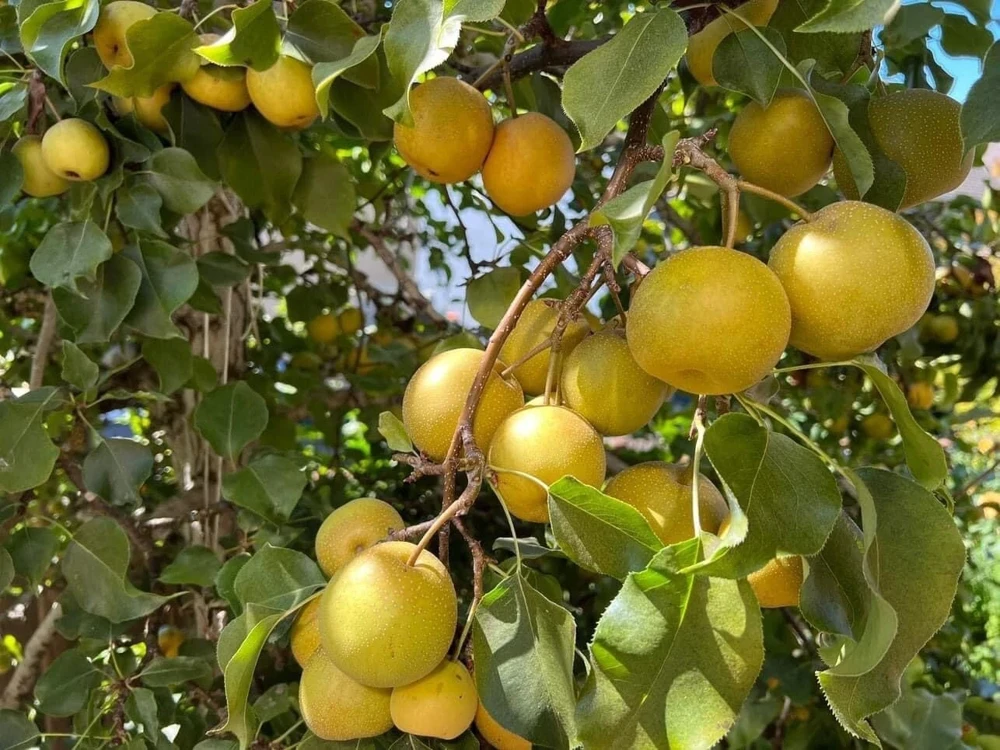
Asian Pear Seeds – 10 Seeds – Pyrus Pyrifolia – Grow Your Own Fruit
Original price was: 19.98 $.15.99 $Current price is: 15.99 $.
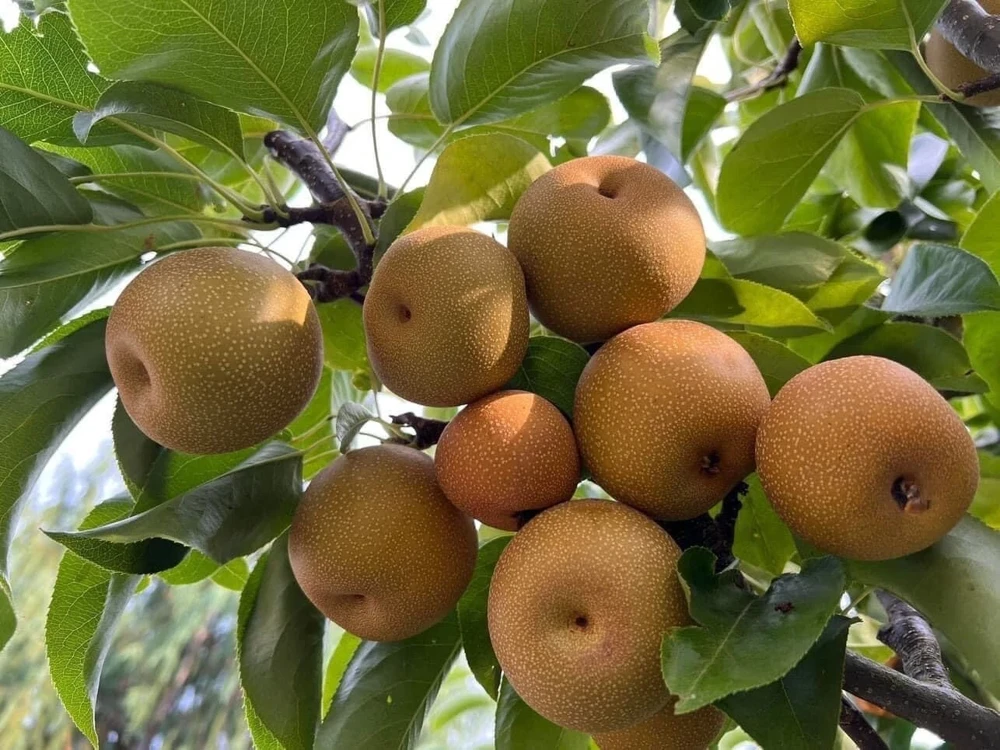
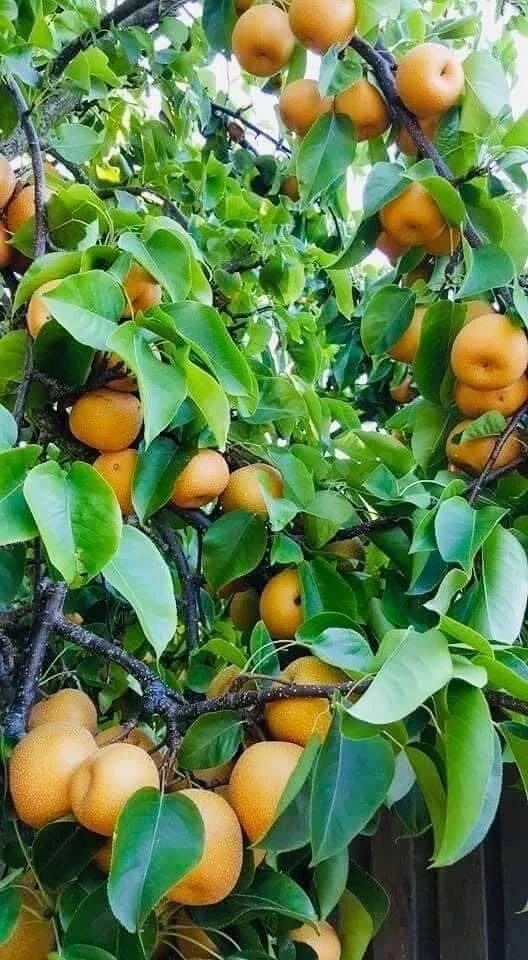
Cultivate your own orchard with these asian pear seeds. Each packet contains 10 pyrus pyrifolia seeds, offering a unique opportunity to grow delicious and crisp Asian Pears right in your backyard. Perfect for gardeners looking for a rewarding fruit-growing experience.
Estimated arrival
Nov 28
Dec 03 - Dec 05
Dec 05 - Dec 10
See our Shipping Policy.
Get in touch with us via email, and our team will review your concerns.
Our Alive & Thrive Guarantee covers issues with your plants within the first 30 days. Read our Refund & Returns Policy.
-
USDA Hardiness Zone
USDA zones 5-9 -
Soil Type
Well-draining loamy soil -
Sunlight Exposure
Full sun -
Expected Planting Period
Early spring (after stratification)
Overview
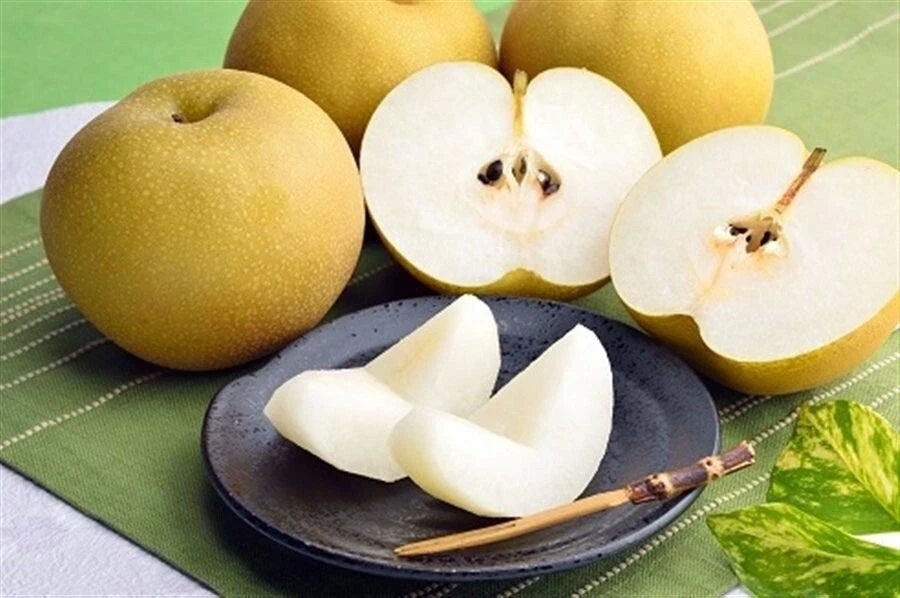
Embark on a delightful gardening journey by growing your own asian pear seeds. These high-quality pyrus pyrifolia seeds provide the foundation for cultivating a tree that yields the famously crisp, sweet, and juicy Asian Pears, also known as Japanese Pear or Korean Pear. Originating from Asia, these unique fruits are a true culinary delight, perfect for fresh eating, salads, or desserts. Growing from seed offers a deeply satisfying experience, allowing you to nurture your tree from its very beginning. Our asian pear seeds are carefully selected to give you the best chance at a successful harvest, bringing the taste of fresh, homegrown fruit to your table.
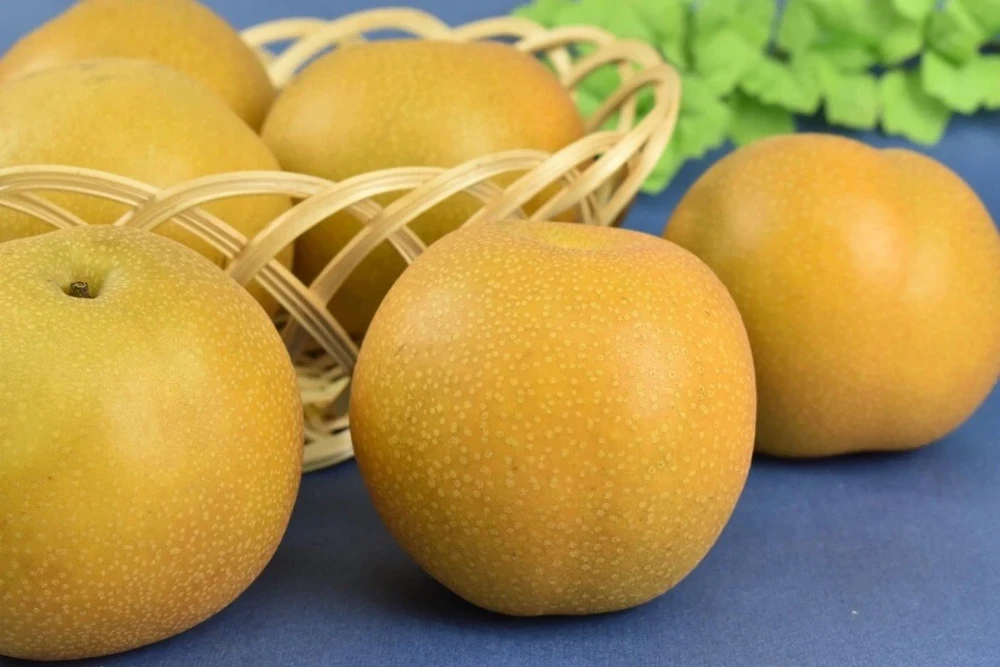
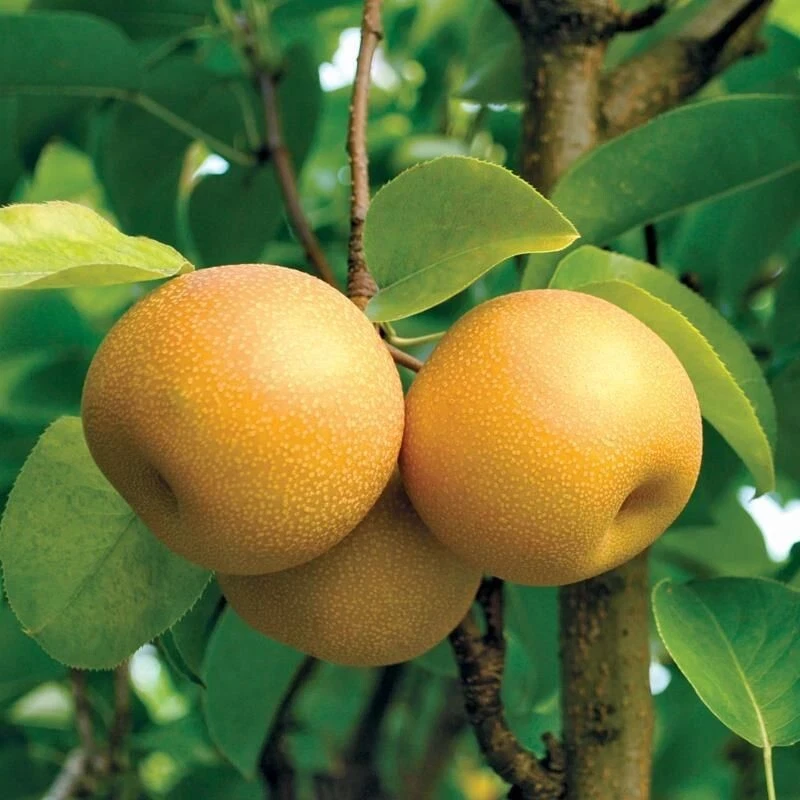
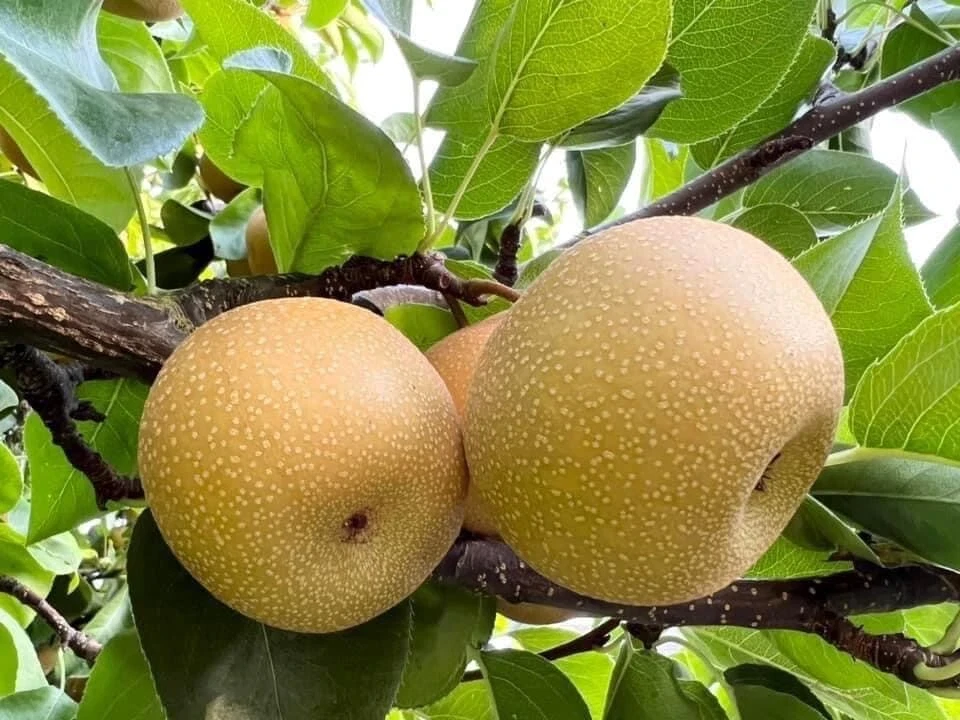
The Asian Pear tree is a beautiful addition to any landscape, offering ornamental value with its attractive foliage and fragrant blossoms before producing its distinctive fruit. Unlike common European pears, Asian Pears have a round, apple-like shape and a crunchy texture, making them a favorite among fruit enthusiasts. With patience and proper care, these seeds will mature into robust trees capable of providing abundant harvests for years to come. Start your fruit-growing adventure today with these exceptional seeds.
Key Benefits
Growing your own Asian Pears from seed offers numerous advantages, from fresh produce to the joy of nurturing a plant from its earliest stage. These pyrus pyrifolia seeds are an excellent choice for any home gardener.
- Fresh, Homegrown Fruit: Enjoy the unparalleled taste of crisp, sweet, and juicy Asian Pears picked directly from your own garden, ensuring peak freshness and flavor.
- Unique Culinary Experience: Asian Pears offer a distinct texture and sweetness, making them a versatile ingredient for fresh consumption, salads, and gourmet dishes.
- Rewarding Gardening Project: The process of growing asian pear seeds into a fruit-bearing tree is incredibly satisfying, connecting you more deeply with your food source.
- Beautiful Landscape Addition: Beyond their delicious fruit, Asian Pear trees provide attractive foliage, beautiful spring blossoms, and a lovely structure that enhances garden aesthetics.
- Sustainable Living: Cultivating your own fruit reduces reliance on commercial produce, contributing to a more sustainable and self-sufficient lifestyle.
- Educational for Families: A fantastic opportunity to teach children about plant life cycles, patience, and where food comes from, all while growing delicious korean pear seeds.
- Long-Term Investment: A well-cared-for Asian Pear tree can produce fruit for many decades, providing a continuous supply of healthy, organic produce.
Plant Care & Growing Tips
Successfully growing asian pear seeds requires attention to specific environmental conditions and care practices. Asian Pear trees generally thrive in a sunny location with well-draining soil. Start your seeds indoors in early spring for best results. Stratification is often required for these seeds to germinate; refrigerate them in a moist medium for 60-90 days before planting. Once germinated, transplant seedlings into larger pots or directly into the garden after the last frost, ensuring they have ample space to grow.
Sunlight requirements: Asian Pear trees need at least 6-8 hours of full sun per day to produce the best fruit. Choose a location in your garden that receives abundant sunlight throughout the growing season. Watering schedule and soil moisture preferences: Keep the soil consistently moist, especially during the growing season and when fruit is developing. Deep watering is preferred, encouraging strong root development. Avoid waterlogging, as this can lead to root rot. Soil type and drainage requirements: A well-draining, fertile loamy soil with a pH between 6.0 and 7.0 is ideal. Amend heavy clay soils with organic matter to improve drainage and aeration. Temperature range and USDA hardiness zone: Most Asian Pear varieties are hardy in USDA zones 5-9. They require a certain number of chill hours (temperatures below 45°F or 7°C) to break dormancy and produce fruit. Fertilization schedule and type: Fertilize young trees lightly in spring with a balanced fruit tree fertilizer. Mature trees may benefit from a balanced fertilizer application annually, adjusted based on soil test results. Common problems and solutions: Watch out for common pear diseases like fire blight and scab, and pests such as codling moths. Implement integrated pest management strategies and choose disease-resistant varieties if possible. Pruning for shape and air circulation is also crucial for tree health and fruit production. Growing these japanese pear seeds can be a rewarding experience with proper care.
Size & Details
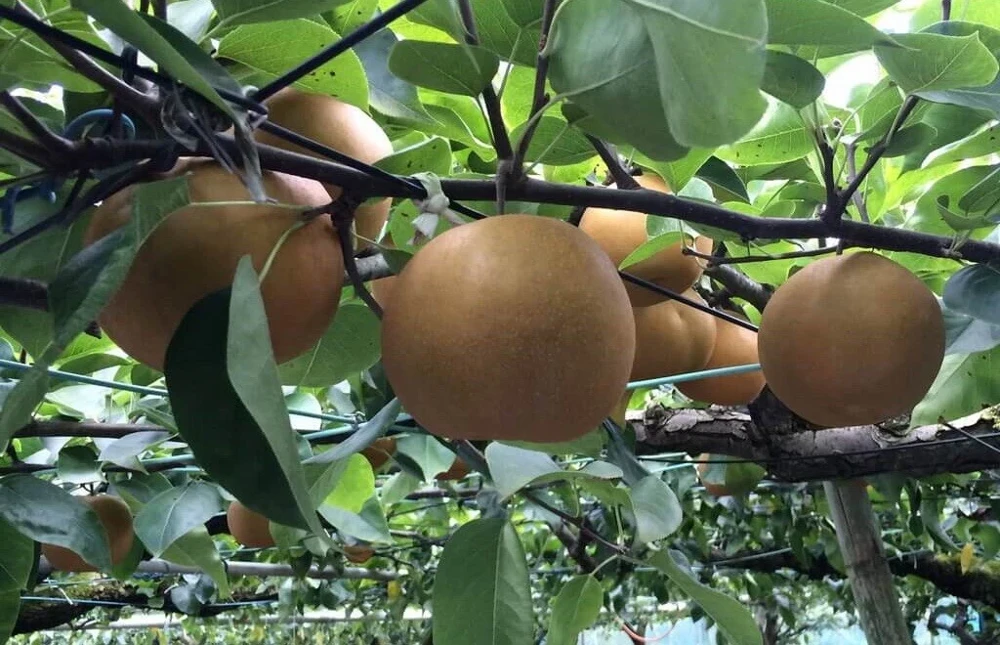
Each packet contains 10 asian pear seeds, providing a generous start to your home orchard. When mature, Asian Pear trees typically reach a height of 15-20 feet with a similar spread, though dwarf varieties and pruning can keep them smaller. They are deciduous trees, shedding their leaves in the fall and offering beautiful seasonal interest. The fruit itself is generally round, with a crisp texture and a sweet, subtle flavor, ripening in late summer to early fall. These seeds are designed for outdoor cultivation, thriving in conditions that mimic their native habitats. While germination and initial growth may take time, the reward of fresh, homegrown Asian Pears is well worth the effort. Expect the first significant fruit production within 3-5 years from planting the pyrus pyrifolia seeds, depending on growing conditions and care.
Frequently Asked Questions
- Q: How big does an Asian Pear tree get? A: A mature Asian Pear tree typically grows to about 15-20 feet tall and wide. With proper pruning, you can manage its size to fit your garden space, ensuring it remains productive and healthy.
- Q: Is this an indoor or outdoor plant? A: Asian Pear trees are best grown outdoors. They require specific chilling hours in winter and full sunlight during the growing season to produce fruit. Growing asian pear seeds indoors is not recommended for long-term fruit production.
- Q: How much sunlight do Asian Pear trees need? A: Asian Pear trees thrive in full sun, requiring at least 6-8 hours of direct sunlight per day. This ensures optimal fruit development and overall tree health.
- Q: Is growing Asian Pear from seed easy for beginners? A: Growing asian pear seeds requires some patience and attention to detail, especially with stratification. However, with good instructions and consistent care, it’s a rewarding project for enthusiastic beginners.
- Q: What condition will the seeds arrive in? A: The seeds will arrive dry and carefully packaged to ensure their viability. You will need to stratify them before planting to promote successful germination.
- Q: How long until an Asian Pear tree grown from seed produces fruit? A: Typically, an Asian Pear tree grown from seed will begin producing fruit within 3 to 5 years, though this can vary based on growing conditions and specific care.
- Q: What is the best time to plant asian pear seeds? A: After stratifying your japanese pear seeds, the best time to plant them is in early spring, after the last danger of frost has passed, to allow them a full growing season.
- Q: Will these Asian Pear trees survive winter in my zone? A: Most Asian Pear varieties are hardy in USDA Zones 5-9. If you are outside this range, consider protecting young trees during harsh winters or choosing more cold-hardy rootstock if grafting.
- Q: What kind of soil is best for Asian Pear trees? A: Asian Pear trees prefer well-draining, fertile loamy soil with a slightly acidic to neutral pH (6.0-7.0). Good drainage is crucial to prevent root issues.
- Q: Can I use the fruit from these trees for cooking? A: Absolutely! Asian Pears are excellent for fresh eating due to their crisp texture and sweetness. They can also be used in various culinary applications, including salads, desserts, and even savory dishes.
Be the first to review “Asian Pear Seeds – 10 Seeds – Pyrus Pyrifolia – Grow Your Own Fruit”
Related products


You May Like

How to Grow Passion Flower (Passiflora) for Tropical Blooms
Few climbing vines in the home garden command attention quite like the exotic Passion Flower (Passiflora). [...]
Nov

Thanksgiving Cactus Care: How to Get Thanksgiving Cactus to Bloom
Is your Thanksgiving cactus growing well but not giving you any flowers? Maybe it looked [...]
Nov

How to Grow Garlic for a Bountiful Home Harvest
Garlic (Allium sativum) is one of the most satisfying, low-maintenance, and flavor-packed crops you can [...]
Oct

Hardneck vs. Softneck Garlic: Which Should You Grow?
Have you ever stood in front of a seed catalog in mid-September, staring at dozens [...]
1 Comment
Oct

When to Plant Music Garlic: Ultimate US Fall Guide
Have you ever spent your fall weekend placing carefully chosen garlic cloves into rich, dark [...]
1 Comment
Oct

5 Best Bulbs for Fall Planting: Brighten Your Garden This Spring
Are you dreaming of a garden full of vibrant colors in the spring? The key [...]
Aug

10 Houseplants That Will Thrive in Your Kitchen
Are you tired of your kitchen feeling dull and lifeless? Want to add a little [...]
1 Comment
Aug
Reviews
There are no reviews yet.