
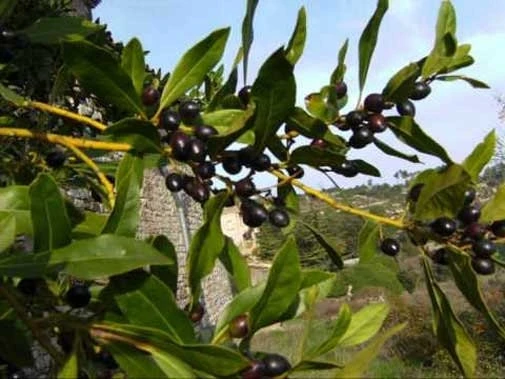
Bay Laurel Seeds – Laurus nobilis Sweet Bay Leaf – 5 Seed Pack
Original price was: 48.91 $.19.91 $Current price is: 19.91 $.
Cultivate your own culinary and ornamental herb with these high-quality bay laurel seeds (Laurus nobilis). Also known as sweet bay leaf seeds, they are perfect for growing the aromatic leaves essential for cooking and attracting butterflies. Ideal for USDA Zones 8-11.
Estimated arrival
Nov 27
Dec 02 - Dec 04
Dec 04 - Dec 09
See our Shipping Policy.
Get in touch with us via email, and our team will review your concerns.
Our Alive & Thrive Guarantee covers issues with your plants within the first 30 days. Read our Refund & Returns Policy.
-
USDA Hardiness Zone
8 to 11 -
Soil Type
Well-draining soil, rich in organic matter -
Sunlight Exposure
Full sun to partial shade -
Expected Planting Period
Year-round indoors; Spring to early summer outdoors
Overview
Embark on a rewarding gardening journey by cultivating your very own aromatic bay laurel seeds. These premium Laurus nobilis seeds offer you the opportunity to grow the classic Bay Laurel, also known as Sweet Bay, Bay Tree, or Bay Leaf. Revered for centuries, this evergreen tree is not only a culinary staple but also an attractive ornamental plant that can reach an average height of about 30 feet in ideal conditions. Starting from seed allows you to witness the entire life cycle of this magnificent plant, nurturing it from a tiny sprout into a robust tree. Whether you’re an experienced gardener or just beginning, growing laurus nobilis seeds is a fulfilling endeavor that yields a versatile and beautiful plant for your home or garden.
The Bay Laurel is celebrated worldwide for its glossy, dark green leaves, which are indispensable in kitchens for flavoring a wide array of dishes. Beyond its culinary appeal, this tree offers significant ecological benefits, serving as a larval host plant for several beautiful butterfly species, including the Eastern Tiger Swallowtail, Palamedes Swallowtail, and Spicebush Swallowtail. With these bay laurel seeds, you’re not just growing a plant; you’re cultivating a piece of history and contributing to local biodiversity, all while ensuring a fresh supply of bay leaves for your culinary adventures.
Key Benefits
Growing Bay Laurel from these bay laurel seeds provides a multitude of advantages, blending culinary delight with ecological and aesthetic benefits. The fresh leaves offer a superior aroma and flavor compared to dried, store-bought options, enhancing your cooking. You’ll find yourself reaching for these leaves constantly.
- Fresh Culinary Herb Supply: Enjoy a continuous source of fresh, aromatic bay leaves, perfect for enhancing Italian pasta sauces, soups, stews, and a variety of other dishes. The flavor profile is significantly richer than dried leaves.
- Essential Spice Mixture Ingredient: The leaves from your homegrown Bay Laurel are a crucial component of the traditional Bouquet Garni spice mixture, elevating the complexity of your broths and stocks.
- Attractive Ornamental Tree: With its evergreen foliage and potential for a stately form, the Bay Laurel makes an elegant addition to any garden or patio, offering year-round visual interest.
- Butterfly Host Plant: Support local ecosystems by providing a vital larval host plant for the Eastern Tiger Swallowtail, Palamedes Swallowtail, and Spicebush Swallowtail butterflies, attracting these beautiful insects to your garden.
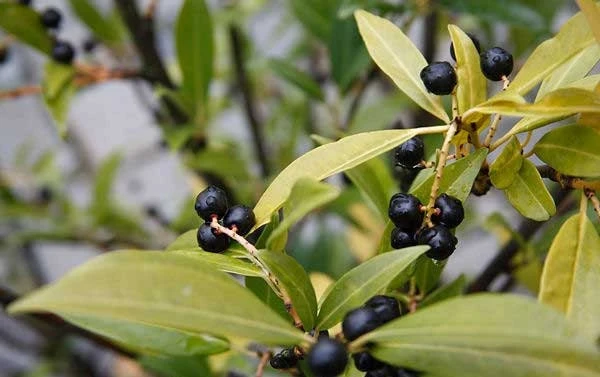
- Versatile Use of Plant Parts: Beyond fresh leaves, the dried leaves can be used for making herbal teas, and the dried berries and pressed leaf oil can also be utilized as spices, showcasing the plant’s incredible versatility.
- Aromatic Smoke Flavoring: The wood of the Bay Laurel can be used to create a unique smoke flavoring, adding another dimension to its utility for those who enjoy grilling or smoking foods.
- Long-Term Investment: A Bay Laurel tree grown from bay laurel seeds can be a long-lived plant, providing years of enjoyment, culinary ingredients, and ecological benefits.
Plant Care & Growing Tips
Cultivating Bay Laurel from laurus nobilis seeds requires patience and attention, but the results are incredibly rewarding. These plants thrive in conditions ranging from full sun to partial shade. For optimal growth and leaf production, aim for at least 6 hours of direct sunlight per day, especially in cooler climates. In hotter regions, some afternoon shade can prevent leaf scorch. Ensure your planting site or container offers good air circulation.
When it comes to watering, Bay Laurel prefers consistently moist, but not waterlogged, soil. Allow the top inch or two of soil to dry out between waterings. Overwatering can lead to root rot, so good drainage is crucial. A well-draining soil mix, rich in organic matter, is ideal. For potted plants, use a high-quality potting mix designed for herbs or general container plants. In the garden, amend heavy clay soils with compost and sand to improve drainage. Bay Laurel is tolerant of a range of soil pH but prefers slightly acidic to neutral conditions.
Bay Laurel is hardy in USDA Hardiness Zones 8 to 11. In colder zones, it can be grown in containers and brought indoors during winter or protected with frost covers. Fertilize sparingly; a balanced, slow-release fertilizer in spring is usually sufficient. Avoid over-fertilizing, which can promote lush growth at the expense of flavor. Watch out for common pests like scale insects or mealybugs, and treat with horticultural oil or insecticidal soap if necessary. Proper care will ensure your bay tree seeds develop into strong, healthy plants.
Size & Details
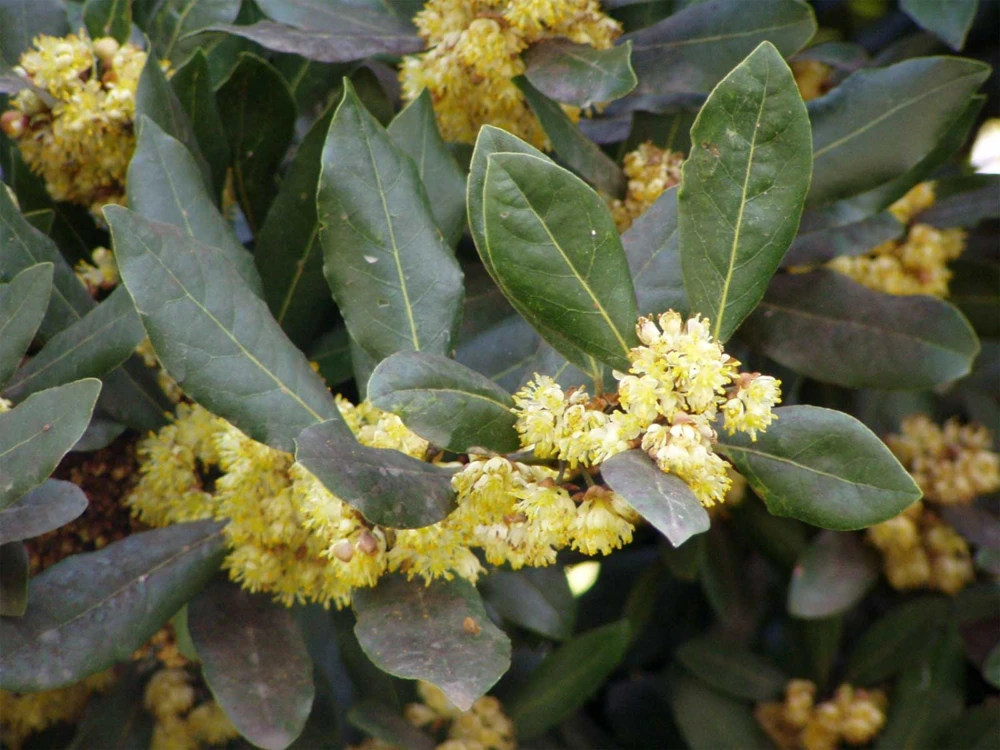
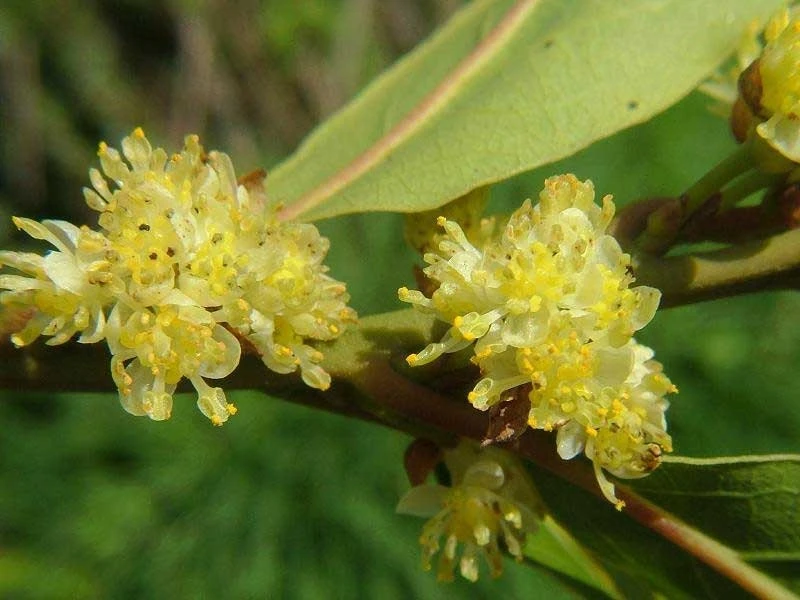
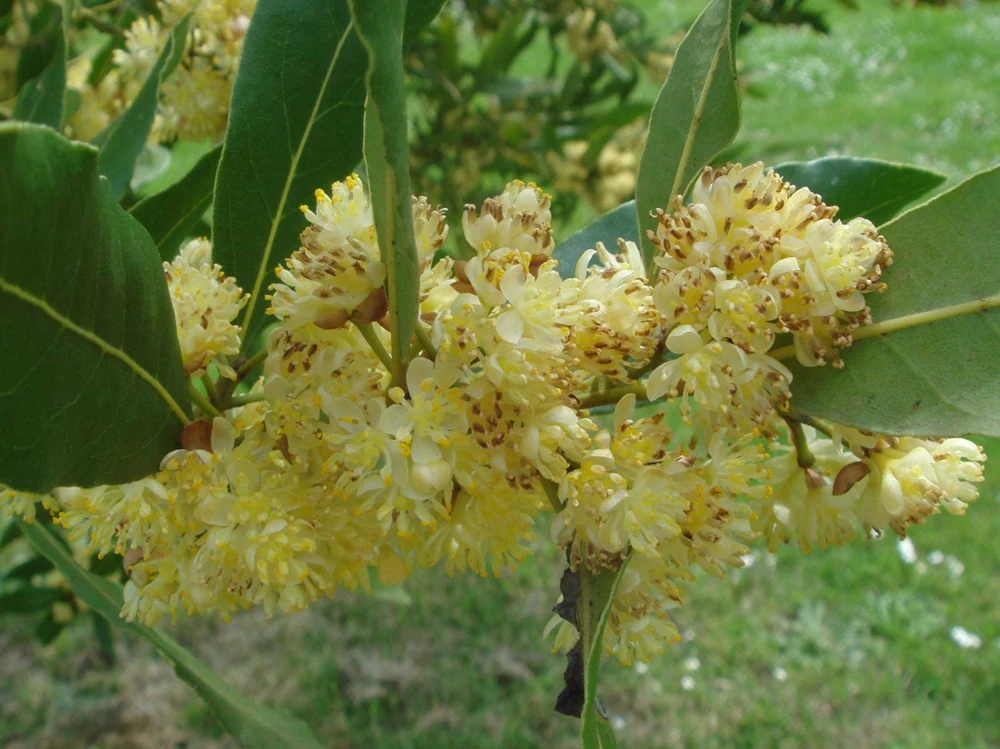
This offering includes 5 individual bay laurel seeds, providing a great start to growing your own Bay Laurel tree. While germination can take some time, the eventual tree can reach an average height of approximately 30 feet in its natural environment, though it can be maintained at a smaller size through pruning when grown in containers or as a garden shrub. The chartreuse blossoms typically appear from late Spring until early Summer, adding a subtle beauty to the plant before it sets berries. The growth rate is moderate, allowing you to enjoy various stages of its development.
These sweet bay leaf seeds are suitable for planting in USDA Hardiness Zones 8 to 11, allowing them to thrive outdoors year-round in these regions. In cooler climates, they make excellent container plants that can be moved indoors during the colder months. The mature leaves are typically harvested as needed, providing a fresh, aromatic ingredient for your kitchen. With proper care, these seeds will grow into a robust and productive Bay Laurel tree, offering both ornamental beauty and culinary utility for many years.
Frequently Asked Questions
- Q: How big does Bay Laurel get from these seeds? A: In ideal outdoor conditions, a Bay Laurel tree can reach an average height of about 30 feet. When grown in containers, its size can be managed through regular pruning to suit your space.
- Q: What is the best time to plant these bay laurel seeds? A: While they can be started indoors anytime, the best time to plant for outdoor growth is generally in spring after the last frost, or in late summer/early autumn in warmer climates.
- Q: Is Bay Laurel an indoor or outdoor plant? A: Bay Laurel can be grown outdoors in USDA Zones 8-11. In colder zones, it is best grown as a container plant that can be brought indoors during winter to protect it from frost.
- Q: How much sunlight do these laurus nobilis seeds need to grow? A: Bay Laurel prefers full sun to partial shade, ideally receiving at least 6 hours of direct sunlight per day. In very hot climates, some afternoon shade is beneficial.
- Q: Is this plant easy to care for, especially for beginners? A: Bay Laurel is moderately easy to care for. It requires consistent watering, good drainage, and protection from severe cold. Starting from bay tree seeds requires patience for germination and initial growth.
- Q: What condition will the seeds arrive in? A: You will receive 5 high-quality, viable Bay Laurel seeds, carefully packaged to ensure their integrity and readiness for planting.
- Q: Can I use the leaves from this plant in cooking? A: Absolutely! The leaves of Bay Laurel (Laurus nobilis) are renowned for their culinary use and are essential for flavoring a wide range of dishes, from soups and stews to sauces.
- Q: How long does it take for Bay Laurel seeds to germinate? A: Germination can be slow and sporadic, often taking several weeks to a few months. Pre-treatment like stratification can help improve germination rates.
- Q: What is the minimum temperature these plants can tolerate? A: Mature Bay Laurel plants can tolerate temperatures down to about 10-20°F (-12 to -6°C) in USDA Zone 8. Younger plants are more sensitive to cold.
- Q: Do these sweet bay leaf seeds attract butterflies? A: Yes, the Bay Laurel tree serves as a larval host plant for several swallowtail butterflies, including the Eastern Tiger Swallowtail, Palamedes Swallowtail, and Spicebush Swallowtail.
Be the first to review “Bay Laurel Seeds – Laurus nobilis Sweet Bay Leaf – 5 Seed Pack”
Related products


Herb Seeds
Great Saint John’s Wort Seeds – Hypericum Pyramidatum – 1500 Count – Yellow Flower Herb – Zones 2-10
You May Like

How to Grow Passion Flower (Passiflora) for Tropical Blooms
Few climbing vines in the home garden command attention quite like the exotic Passion Flower (Passiflora). [...]
Nov

Thanksgiving Cactus Care: How to Get Thanksgiving Cactus to Bloom
Is your Thanksgiving cactus growing well but not giving you any flowers? Maybe it looked [...]
Nov

How to Grow Garlic for a Bountiful Home Harvest
Garlic (Allium sativum) is one of the most satisfying, low-maintenance, and flavor-packed crops you can [...]
Oct

Hardneck vs. Softneck Garlic: Which Should You Grow?
Have you ever stood in front of a seed catalog in mid-September, staring at dozens [...]
1 Comment
Oct

When to Plant Music Garlic: Ultimate US Fall Guide
Have you ever spent your fall weekend placing carefully chosen garlic cloves into rich, dark [...]
1 Comment
Oct

5 Best Bulbs for Fall Planting: Brighten Your Garden This Spring
Are you dreaming of a garden full of vibrant colors in the spring? The key [...]
Aug

10 Houseplants That Will Thrive in Your Kitchen
Are you tired of your kitchen feeling dull and lifeless? Want to add a little [...]
1 Comment
Aug
Reviews
There are no reviews yet.