
Honey Pomelo Seeds – Yellow Rind & Pink Flesh – 15 Seeds – Citrus Maxima
Original price was: 19.98 $.15.99 $Current price is: 15.99 $.
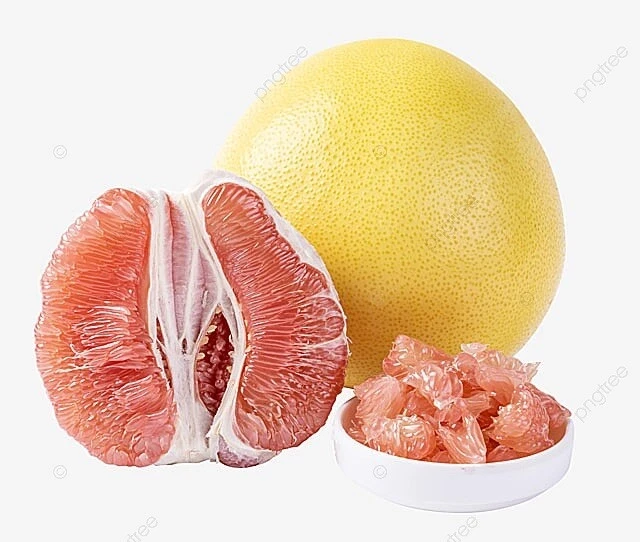
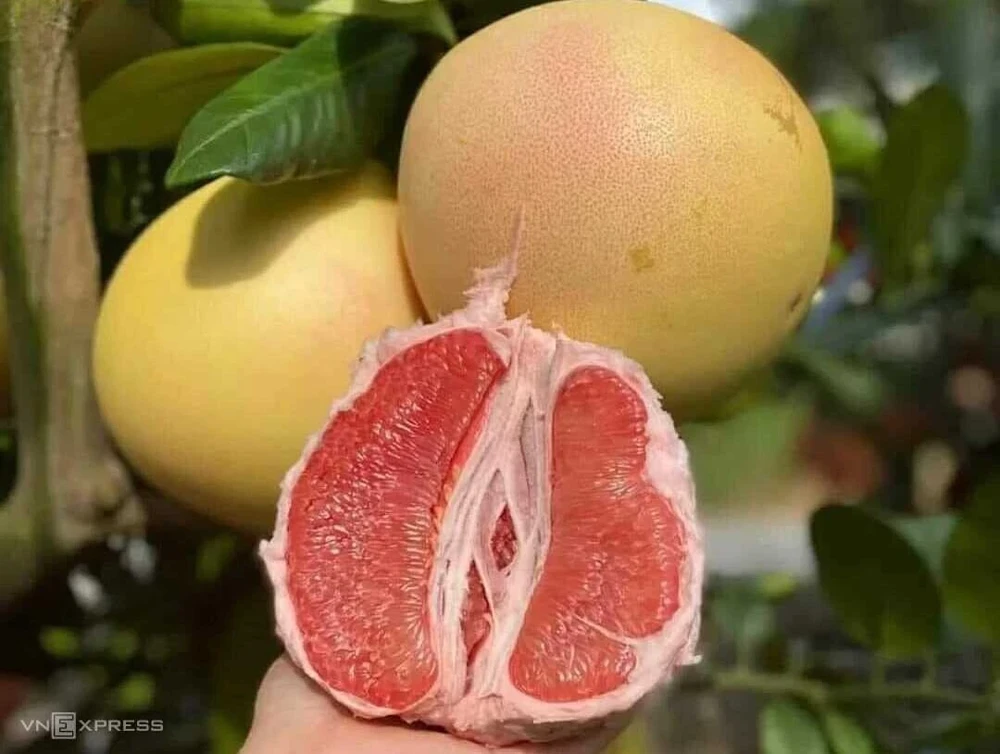
Cultivate your own sweet and juicy honey pomelo seeds with this pack of 15 premium seeds. Experience the joy of growing citrus maxima seeds, yielding large fruits with a vibrant yellow rind and succulent pink flesh, perfect for fresh eating or culinary uses. These pink flesh pomelo seeds offer a rewarding gardening project for enthusiasts.
Estimated arrival
Nov 27
Dec 02 - Dec 04
Dec 04 - Dec 09
See our Shipping Policy.
Get in touch with us via email, and our team will review your concerns.
Our Alive & Thrive Guarantee covers issues with your plants within the first 30 days. Read our Refund & Returns Policy.
-
USDA Hardiness Zone
USDA Zones 9-11 (outdoors), can be grown in containers in colder zones -
Soil Type
Well-draining, slightly acidic to neutral soil (pH 6.0-7.0) -
Sunlight Exposure
Full Sun (6-8 hours direct sunlight daily) -
Expected Planting Period
Year-round indoors, late winter to early spring for outdoor transplant
Overview
Embark on a rewarding gardening journey with our premium honey pomelo seeds. This offering includes 15 high-quality seeds of the renowned Citrus maxima, also known as the pomelo. The pomelo is the largest citrus fruit, cherished for its unique sweet-tart flavor, thick yellow rind, and juicy, often pink-tinted flesh. Growing your own honey pomelo seeds allows you to cultivate this tropical delight right in your garden or a suitable container. These seeds are perfect for gardeners looking to expand their citrus collection and enjoy fresh, homegrown fruit. Each seed has the potential to grow into a robust tree, eventually bearing the magnificent fruit that is a staple in many cuisines and a refreshing treat on its own. Discover the satisfaction of nurturing these citrus maxima seeds from germination to harvest.
The pomelo, a true giant among citrus, offers a delightful experience for both the grower and the consumer. Its impressive size and distinctive taste make it a standout. These honey pomelo seeds are carefully selected to give you the best chance of successful germination and healthy plant development. Whether you’re an experienced gardener or just starting out, the process of growing edible citrus seeds like these is an engaging and educational endeavor. Imagine harvesting your very own pink flesh pomelo, bursting with flavor and freshness, knowing you’ve grown it from a tiny seed.
Key Benefits
Growing your own pomelo from seed offers a myriad of benefits, from the satisfaction of cultivation to enjoying fresh, delicious fruit. Our honey pomelo seeds provide an excellent opportunity to experience these advantages:
- Fresh, Homegrown Fruit: Enjoy the unparalleled taste of freshly picked pomelo, free from commercial waxes or pesticides. The flavor of a homegrown honey pomelo seeds fruit is truly superior.
- Nutritional Value: Pomelos are rich in Vitamin C, antioxidants, and dietary fiber, contributing to a healthy diet. Cultivating edible citrus seeds ensures a fresh supply of these nutrients.
- Unique Culinary Ingredient: The sweet and slightly bitter notes of pomelo make it a versatile ingredient for salads, desserts, juices, and savory dishes. Your pink flesh pomelo will be a culinary delight.
- Rewarding Gardening Experience: The process of nurturing a plant from a small seed to a fruit-bearing tree is incredibly fulfilling. Watching your citrus maxima seeds sprout and grow is a joy.
- Attractive Ornamental Tree: Pomelo trees are evergreen with glossy green leaves and fragrant white blossoms, adding aesthetic appeal to your garden or patio.
- Long-Term Investment: A well-cared-for pomelo tree can produce fruit for many years, providing a continuous harvest for your family.
- Educational for All Ages: Growing fruit from grow pomelo from seed is a fantastic way to teach children about plant life cycles and healthy eating.
Plant Care & Growing Tips
Successfully growing honey pomelo seeds requires attention to several key environmental factors. Start by germinating your citrus maxima seeds indoors in a warm environment. Plant seeds about half an inch deep in a well-draining seed-starting mix. Keep the soil consistently moist but not waterlogged. Germination typically occurs within a few weeks to a couple of months. Once seedlings are established, they can be transplanted into larger pots.
Pomelo trees thrive in full sun, requiring at least 6-8 hours of direct sunlight daily. If growing indoors, place them near a south-facing window or use grow lights. They prefer a slightly acidic to neutral soil (pH 6.0-7.0) that is rich in organic matter and offers excellent drainage. Water thoroughly when the top inch or two of soil feels dry, allowing excess water to drain away. Overwatering can lead to root rot, so ensure good drainage. Fertilize young trees every 2-3 months with a balanced citrus-specific fertilizer, following package instructions. As the tree matures, reduce fertilization frequency to 3-4 times a year. Protecting your pink flesh pomelo from strong winds can also aid its development. Proper care for your grow pomelo from seed project will lead to healthy, productive trees.
Pomelos are generally hardy in USDA Zones 9-11, where they can be grown outdoors year-round. In colder climates, they should be grown in containers and brought indoors during winter or protected from frost. Ensure good air circulation to prevent fungal diseases. Pruning is generally minimal, focusing on removing dead or diseased branches and shaping the tree for better fruit production. Watch out for common citrus pests like aphids and scale insects, and treat them promptly with appropriate organic or chemical controls. With diligent care, your edible citrus seeds will develop into beautiful, fruit-bearing trees.
Size & Details
This package contains 15 seeds of the Honey Pomelo (Citrus maxima), offering a generous quantity to begin your growing project. Each seed has the potential to develop into a mature pomelo tree, which typically grows to a height of 15-25 feet when planted in the ground, though container-grown trees will remain significantly smaller, usually 6-10 feet tall, depending on pruning and pot size. The pomelo fruit itself is quite large, often weighing 2-4 pounds and measuring 6-10 inches in diameter, characterized by its thick yellow rind and juicy pink flesh pomelo. Trees grown from honey pomelo seeds typically begin to bear fruit within 4-7 years, depending on growing conditions and care. The seeds are shipped in a protective packet to ensure viability upon arrival, ready for immediate planting. Growing grow pomelo from seed is a long-term commitment, but the reward of fresh, delicious fruit is well worth the wait.
Frequently Asked Questions
- Q: How long does it take for these honey pomelo seeds to germinate? A: Germination time for honey pomelo seeds can vary, but typically ranges from a few weeks to two months under optimal conditions. Warmth and consistent moisture are key for successful sprouting.
- Q: How big does a pomelo tree get when grown from seed? A: When planted in the ground, a pomelo tree can reach 15-25 feet tall. If grown in a container, its size can be managed to 6-10 feet with proper pruning, making it suitable for patios or indoor spaces.
- Q: Is this an indoor or outdoor plant? A: Pomelo trees thrive outdoors in USDA Zones 9-11. In colder climates, it’s best to grow them in containers so they can be brought indoors during the winter months to protect them from frost.
- Q: How much sunlight do these citrus maxima seeds need? A: Pomelo trees require at least 6-8 hours of direct sunlight per day to produce fruit. If growing indoors, a bright, south-facing window or supplemental grow lights are essential.
- Q: Is this plant easy to care for? A: While growing grow pomelo from seed requires some patience and consistent care, it is a manageable project for gardeners of all experience levels. Providing adequate sunlight, water, and nutrients is crucial.
- Q: What condition will the edible citrus seeds arrive in? A: The edible citrus seeds will arrive in a protective packet, ensuring their viability and readiness for planting. We take care to package them securely for transit.
- Q: How long until the tree grown from these seeds produces fruit? A: A pomelo tree grown from honey pomelo seeds typically begins to bear fruit within 4 to 7 years, depending on the growing conditions and the care it receives.
- Q: What’s the best time to plant these pink flesh pomelo seeds? A: While seeds can be started indoors year-round, the ideal time to plant is in late winter or early spring to give seedlings a head start before the warmer growing season.
- Q: What kind of soil is best for growing pomelo from seed? A: Pomelo trees prefer a well-draining, slightly acidic to neutral soil rich in organic matter. A good quality potting mix designed for citrus plants is ideal for container growing.
- Q: Will these seeds grow into a true-to-type honey pomelo? A: While citrus grown from seed can sometimes vary, these citrus maxima seeds are from a specific variety known for its honey pomelo characteristics, offering a good chance of growing true-to-type fruit.
Be the first to review “Honey Pomelo Seeds – Yellow Rind & Pink Flesh – 15 Seeds – Citrus Maxima”
Related products


You May Like

How to Grow Passion Flower (Passiflora) for Tropical Blooms
Few climbing vines in the home garden command attention quite like the exotic Passion Flower (Passiflora). [...]
Nov

Thanksgiving Cactus Care: How to Get Thanksgiving Cactus to Bloom
Is your Thanksgiving cactus growing well but not giving you any flowers? Maybe it looked [...]
Nov

How to Grow Garlic for a Bountiful Home Harvest
Garlic (Allium sativum) is one of the most satisfying, low-maintenance, and flavor-packed crops you can [...]
Oct

Hardneck vs. Softneck Garlic: Which Should You Grow?
Have you ever stood in front of a seed catalog in mid-September, staring at dozens [...]
1 Comment
Oct

When to Plant Music Garlic: Ultimate US Fall Guide
Have you ever spent your fall weekend placing carefully chosen garlic cloves into rich, dark [...]
1 Comment
Oct

5 Best Bulbs for Fall Planting: Brighten Your Garden This Spring
Are you dreaming of a garden full of vibrant colors in the spring? The key [...]
Aug

10 Houseplants That Will Thrive in Your Kitchen
Are you tired of your kitchen feeling dull and lifeless? Want to add a little [...]
1 Comment
Aug
Reviews
There are no reviews yet.