
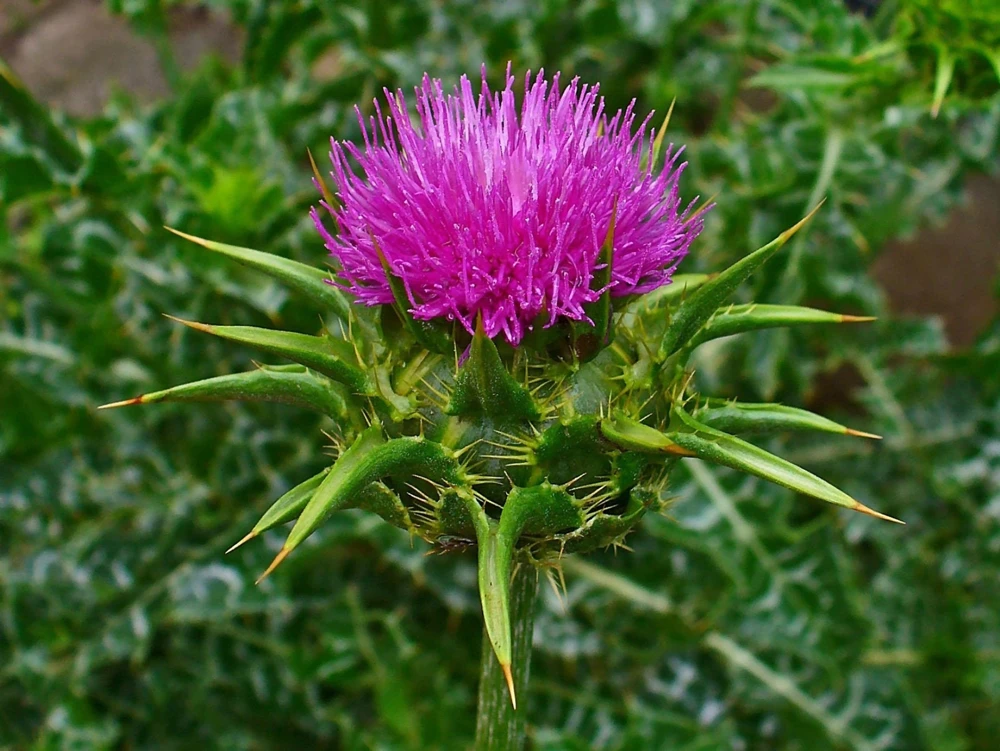
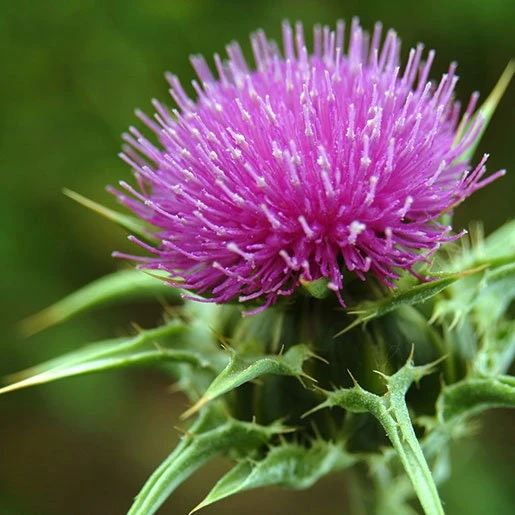
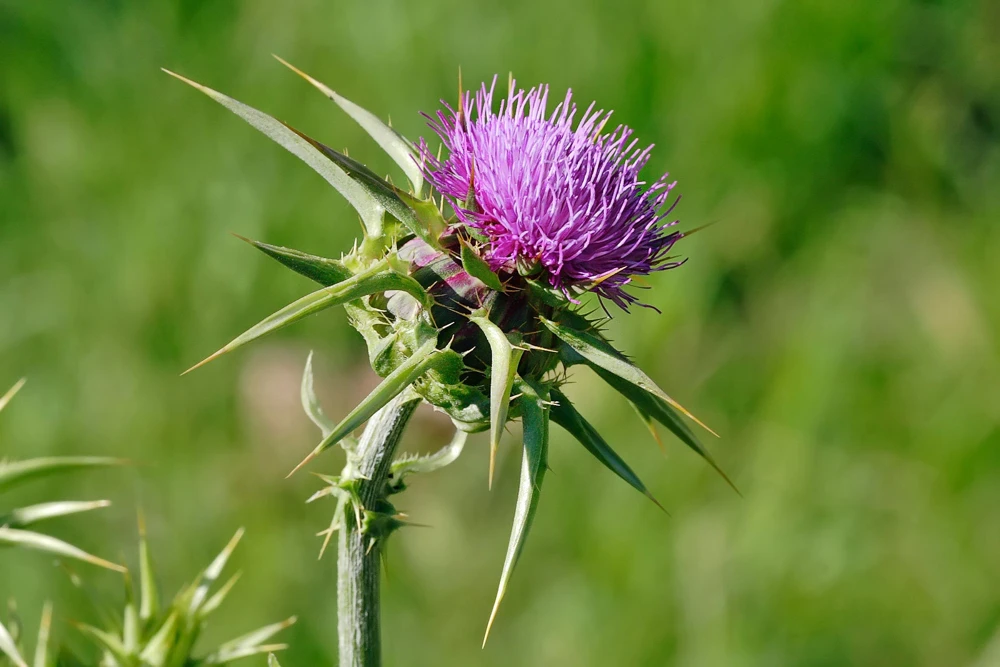
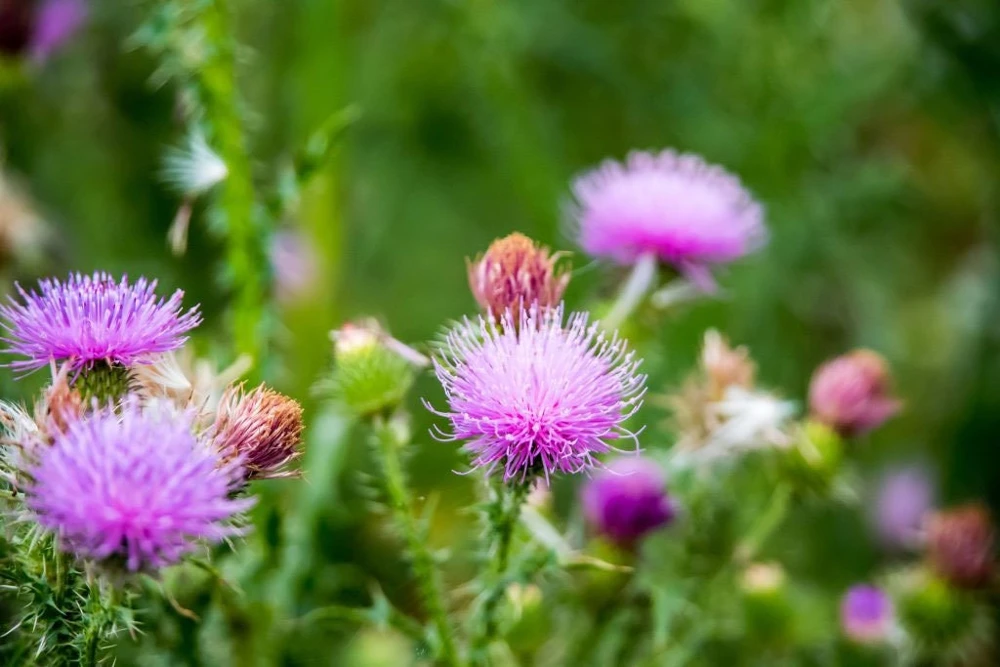
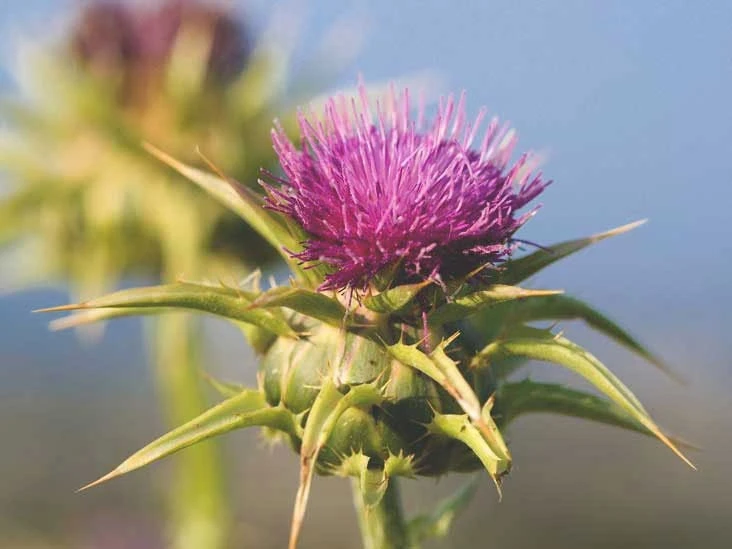
Milk Thistle Seeds (10 Count) – Silybum Marianum – Medicinal Herb Seeds
Original price was: 48.91 $.19.91 $Current price is: 19.91 $.
Cultivate your own beneficial milk thistle seeds (Silybum marianum) with this pack of 10 seeds. This hardy biennial is known for its striking purple flowers and traditional uses, thriving in full sun. Grow your own silybum marianum seeds for a rewarding garden experience.
Estimated arrival
Nov 26
Dec 01 - Dec 03
Dec 03 - Dec 08
See our Shipping Policy.
Get in touch with us via email, and our team will review your concerns.
Our Alive & Thrive Guarantee covers issues with your plants within the first 30 days. Read our Refund & Returns Policy.
-
USDA Hardiness Zone
6 to 9 -
Soil Type
Well-draining, moderately fertile soil -
Sunlight Exposure
Full sun -
Expected Planting Period
Spring to early summer or late summer/early fall
Overview
Embark on a rewarding gardening journey with these premium milk thistle seeds (Silybum marianum). Also known as St. Mary’s Thistle, this remarkable biennial herb is renowned for its distinctive appearance and historical significance. Each packet contains 10 high-quality seeds, ready to be sown and cultivated into robust plants. Thriving in full sun, Milk Thistle can reach impressive heights of up to 6 feet, making a bold statement in any garden. Its vibrant purple flowers emerge from mid-summer to early fall, attracting pollinators and adding a splash of color to your landscape. Growing silybum marianum seeds allows you to experience the full lifecycle of this fascinating plant, from seed to magnificent bloom.
Beyond its ornamental appeal, Milk Thistle has a rich history of use, particularly for its seeds, which are traditionally valued for their properties. This adaptable plant is also a larval host for the beautiful Mylitta Crescent butterfly, contributing to local biodiversity. Whether you’re a seasoned gardener or just starting, cultivating milk thistle seeds offers an engaging and beneficial experience, bringing both beauty and utility to your outdoor space. Discover the resilience and charm of this ancient herb in your own garden.
Key Benefits
Growing milk thistle seeds offers a variety of advantages, from its visual appeal to its practical uses and ecological contributions. This versatile plant is a valuable addition to many gardens.
- Medicinal and Culinary Potential: The seeds of the milk thistle plant are traditionally used for their beneficial properties, while various parts of the plant, including roots, leaves, and stems, can be prepared for culinary purposes. The roots offer a flavor similar to salsify when cooked, and young leaves (with spines removed) can be used raw in salads or cooked like spinach.
- Striking Ornamental Value: With its tall stature and vibrant purple flowers that bloom from summer to fall, Milk Thistle adds a dramatic and beautiful element to garden borders, naturalized areas, or herb gardens.
- Supports Local Wildlife: This plant serves as a crucial larval host for the Mylitta Crescent butterfly, making it an excellent choice for supporting pollinators and enhancing ecological diversity in your garden.
- Drought Tolerance: Once established, silybum marianum seeds grow into plants that are relatively drought-tolerant, requiring less frequent watering compared to many other garden plants, making them suitable for xeriscaping or low-water gardens.
- Easy to Grow Biennial: Milk Thistle is known for its hardiness and ease of cultivation. As a biennial, it typically establishes a root system and foliage in its first year and flowers and sets seed in its second, offering a predictable growth cycle.
- Versatile Plant Parts: Beyond the seeds, the roots, stems, and leaves of the milk thistle plant can be harvested and prepared in various ways, offering multiple uses from a single plant.
- Attracts Pollinators: The distinctive purple flowers are attractive to various beneficial insects, including bees and butterflies, contributing to a healthy garden ecosystem.
Plant Care & Growing Tips
Successfully growing milk thistle seeds requires attention to a few key environmental factors, primarily sunlight and soil conditions. This hardy biennial prefers a location where it can receive ample sunlight throughout the day. Aim for at least 6-8 hours of direct sun daily to ensure vigorous growth and abundant flowering. While it can tolerate some partial shade, full sun promotes the strongest plants and the best bloom production. Good air circulation is also beneficial, especially in humid climates, to prevent fungal issues. Preparing the planting site effectively will set your silybum marianum seeds up for success.
Watering should be consistent during the establishment phase, especially after planting the medicinal herb seeds. Keep the soil consistently moist but not waterlogged. Once established, Milk Thistle becomes quite drought-tolerant and can withstand drier conditions, though occasional deep watering during prolonged dry spells will be beneficial. The ideal soil for Milk Thistle is well-draining, moderately fertile, and can range from sandy to loamy. It can tolerate a variety of soil pH levels but prefers slightly alkaline to neutral. Good drainage is crucial to prevent root rot. These plants are generally robust and do not require heavy fertilization; a balanced, slow-release fertilizer at the beginning of the growing season is usually sufficient, or simply enriching the soil with compost. Milk Thistle is hardy in USDA Hardiness Zones 6 to 9, making it suitable for a wide range of climates. Protection from harsh winter winds may be beneficial in the colder parts of its range.
Size & Details
This offering includes 10 milk thistle seeds, providing a foundation for growing several robust plants. Once mature, the Milk Thistle plant (Silybum marianum) can reach an impressive height of up to 6 feet, with a spread of approximately 2-3 feet, creating a significant presence in the garden. These are seeds, not live plants, and will need to be germinated and grown. The growth rate is moderate, with plants typically establishing foliage in the first year and producing flowers and seeds in the second year before completing their biennial life cycle. Expect the vibrant purple flowers to appear from mid-summer until early fall in the plant’s second year of growth. The mature plant is a striking specimen, adding both visual interest and ecological benefits to your landscape. Understanding how to grow milk thistle from these seeds will enable you to nurture them to their full potential.
Frequently Asked Questions
- Q: How big does the Milk Thistle plant get? A: A: The Milk Thistle plant (Silybum marianum) can grow quite tall, typically reaching heights of up to 6 feet when mature, with a spread of approximately 2-3 feet. This makes it a prominent feature in the garden.
- Q: How much sunlight do these milk thistle seeds need? A: For optimal growth and flowering, Milk Thistle prefers full sun, meaning at least 6-8 hours of direct sunlight per day. While it can tolerate some partial shade, full sun encourages the strongest plants.
- Q: Is this plant easy to care for? A: Yes, Milk Thistle is generally considered an easy-to-grow biennial. Once established from silybum marianum seeds, it is relatively low-maintenance and tolerant of various conditions, including some drought.
- Q: When is the best time to plant milk thistle seeds? A: These medicinal herb seeds are typically best sown in early spring after the last frost, or in late summer/early fall for germination the following spring. This allows them to establish before extreme temperatures.
- Q: Can I use the milk thistle plant for culinary purposes? A: Yes, various parts of the Milk Thistle plant can be used. The roots can be eaten raw or cooked, the leaves (with spines removed) can be used in salads or cooked like spinach, and young buds and peeled stems are also edible.
- Q: Will it survive winter in my zone? A: Milk Thistle is hardy in USDA Hardiness Zones 6 to 9. In these zones, it will typically overwinter successfully as a biennial, establishing foliage in its first year and flowering in its second.
- Q: What condition will the milk thistle seeds arrive in? A: Your order will contain 10 high-quality, viable milk thistle seeds, carefully packaged to ensure their safe arrival and readiness for planting.
- Q: How long until the milk thistle plant blooms? A: As a biennial, Milk Thistle typically blooms in its second year of growth, usually from mid-summer to early fall. The first year is primarily focused on foliage and root development.
- Q: What are the main benefits of growing milk thistle? A: Beyond its ornamental beauty, growing milk thistle seeds offers potential culinary uses for various plant parts, supports local biodiversity as a butterfly host plant, and is a hardy, drought-tolerant addition to gardens.
- Q: What kind of soil is best for these medicinal herb seeds? A: Milk Thistle thrives in well-draining, moderately fertile soil. It can tolerate a range from sandy to loamy soil types and prefers a slightly alkaline to neutral pH. Good drainage is crucial.
Be the first to review “Milk Thistle Seeds (10 Count) – Silybum Marianum – Medicinal Herb Seeds”
Related products

Herb Seeds
Munstead Lavender Seeds – 200 English Lavandula Angustifolia Fragrant Purple Flower Herb Seeds


Herb Seeds
Great Saint John’s Wort Seeds – Hypericum Pyramidatum – 1500 Count – Yellow Flower Herb – Zones 2-10


You May Like

How to Grow Passion Flower (Passiflora) for Tropical Blooms
Few climbing vines in the home garden command attention quite like the exotic Passion Flower (Passiflora). [...]
Nov

Thanksgiving Cactus Care: How to Get Thanksgiving Cactus to Bloom
Is your Thanksgiving cactus growing well but not giving you any flowers? Maybe it looked [...]
Nov

How to Grow Garlic for a Bountiful Home Harvest
Garlic (Allium sativum) is one of the most satisfying, low-maintenance, and flavor-packed crops you can [...]
Oct

Hardneck vs. Softneck Garlic: Which Should You Grow?
Have you ever stood in front of a seed catalog in mid-September, staring at dozens [...]
1 Comment
Oct

When to Plant Music Garlic: Ultimate US Fall Guide
Have you ever spent your fall weekend placing carefully chosen garlic cloves into rich, dark [...]
1 Comment
Oct

5 Best Bulbs for Fall Planting: Brighten Your Garden This Spring
Are you dreaming of a garden full of vibrant colors in the spring? The key [...]
Aug

10 Houseplants That Will Thrive in Your Kitchen
Are you tired of your kitchen feeling dull and lifeless? Want to add a little [...]
1 Comment
Aug
Reviews
There are no reviews yet.