
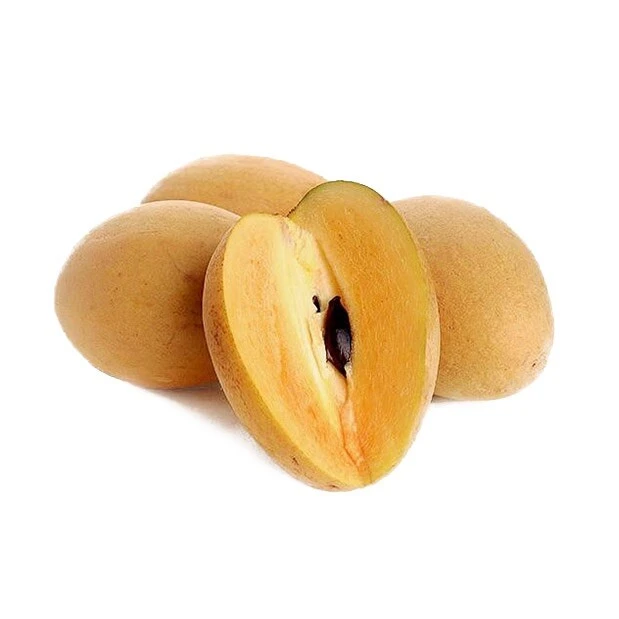
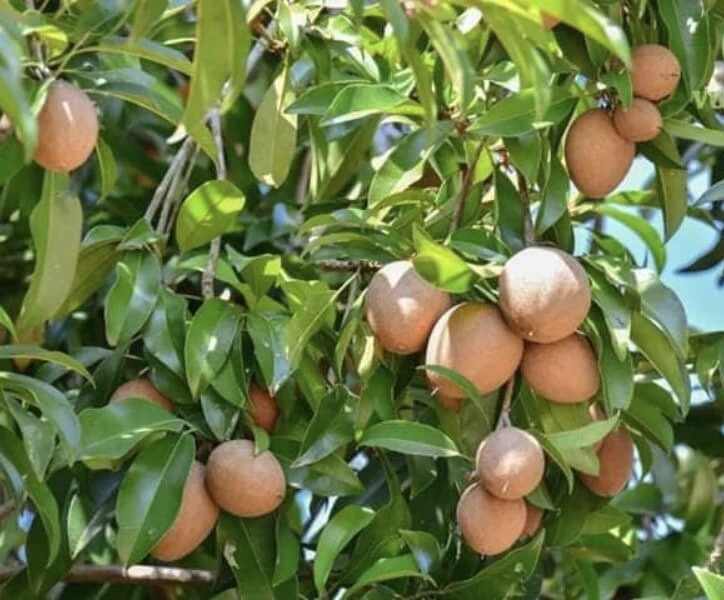
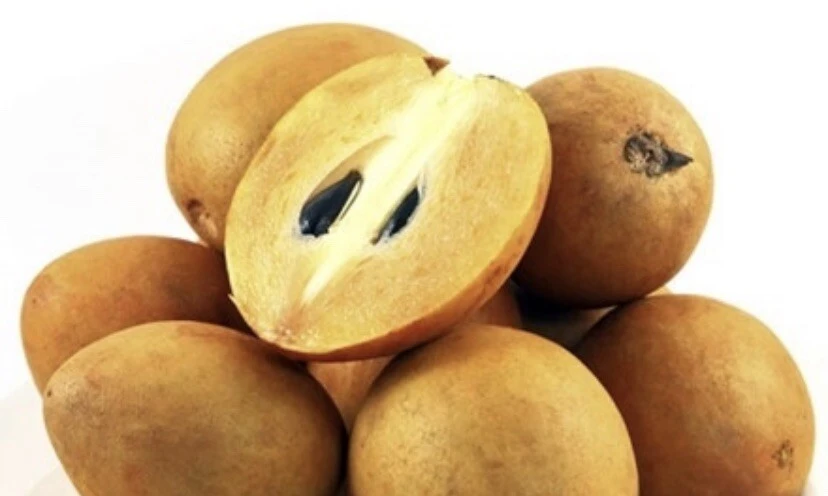
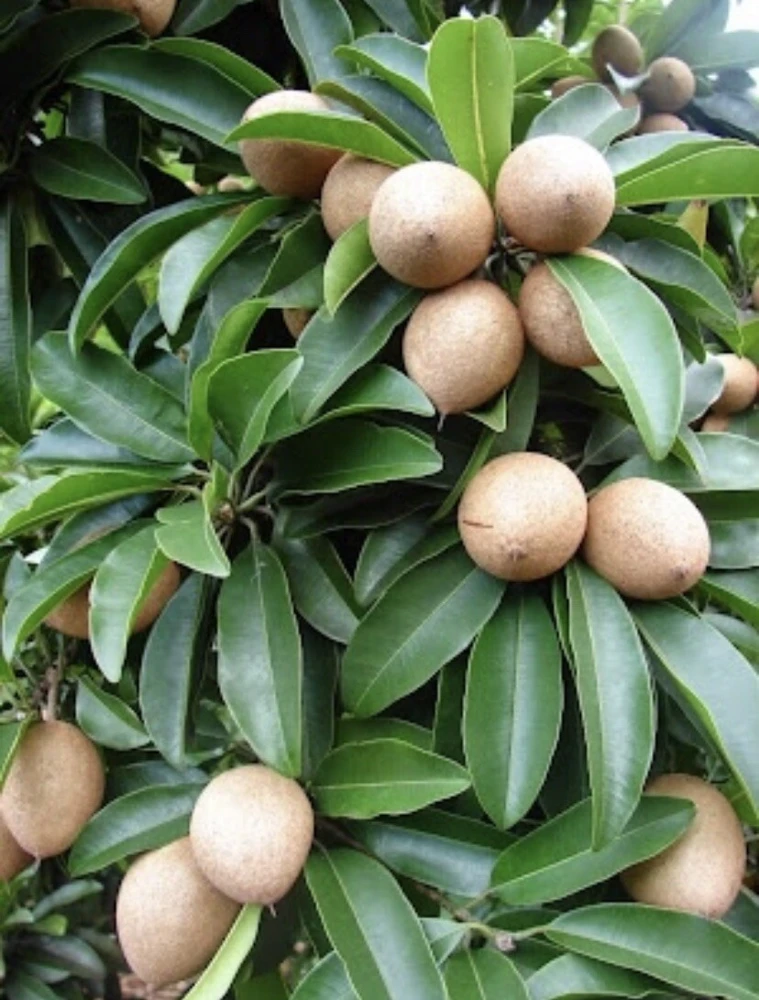
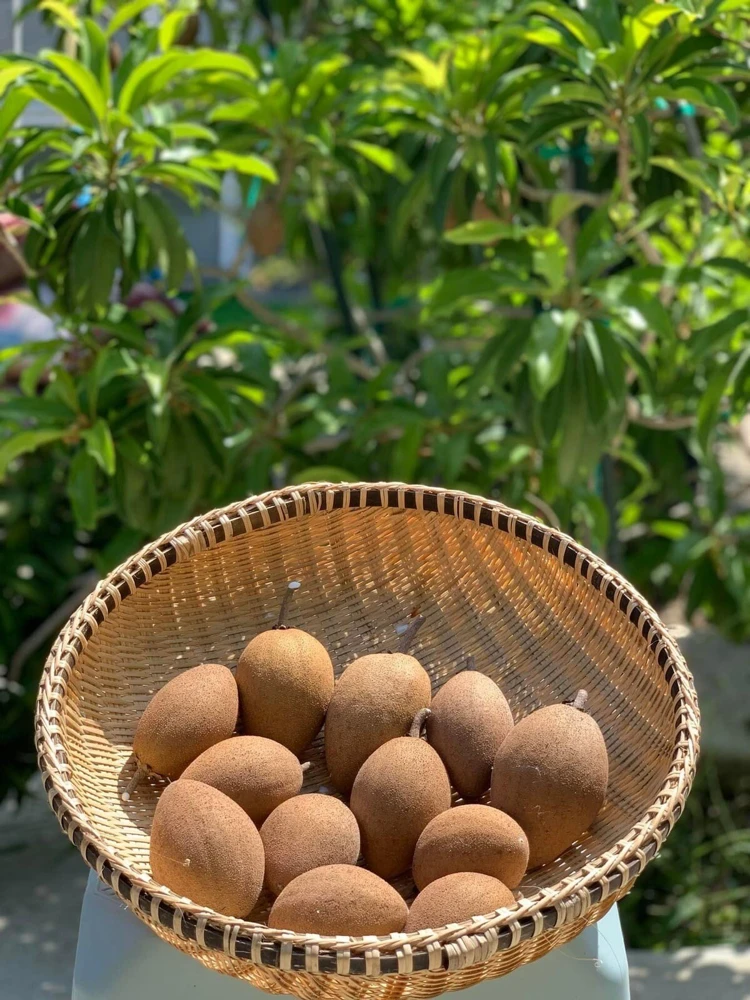
Sapodilla Sapote Seeds – 10 Very Sweet Fruit Seeds for Planting Outdoor
Original price was: 19.98 $.15.99 $Current price is: 15.99 $.
Cultivate your own tropical harvest with these premium Sapodilla sapote seeds. Each packet contains 10 viable seeds ready for planting, offering the chance to grow trees that produce deliciously sweet, brown-skinned fruit. Ideal for outdoor cultivation in warm climates, these sweet sapote seeds promise a rewarding gardening experience.
Estimated arrival
Nov 27
Dec 02 - Dec 04
Dec 04 - Dec 09
See our Shipping Policy.
Get in touch with us via email, and our team will review your concerns.
Our Alive & Thrive Guarantee covers issues with your plants within the first 30 days. Read our Refund & Returns Policy.
-
USDA Hardiness Zone
USDA zones 10-11 -
Soil Type
Well-draining sandy loam -
Sunlight Exposure
Full sun -
Expected Planting Period
Spring to early summer
Overview
Embark on a rewarding gardening journey with our premium Sapodilla sapote seeds. This offering includes 10 high-quality seeds, providing an excellent opportunity to cultivate your own tropical fruit trees. Sapodilla, scientifically known as Manilkara zapota (though sometimes confused with Pouteria sapota, which is another type of sapote), is renowned for its exceptionally sweet, malty-flavored fruit with a unique grainy texture. These seeds are perfect for gardeners looking to grow a distinctive and delicious fruit in their home orchard. Originating from Central America, the sapodilla tree is a beautiful addition to any garden, providing both shade and an abundance of delectable fruit. Growing your own Sapodilla sapote seeds allows you to enjoy the freshest possible fruit, straight from your tree to your table, and experience the satisfaction of nurturing a plant from its very beginning.
Key Benefits
Planting Sapodilla sapote seeds offers numerous advantages, from enjoying fresh, homegrown fruit to enhancing your garden’s biodiversity. These seeds lead to trees that provide a host of benefits:
-
Delicious Homegrown Fruit: Enjoy the rich, sweet, and malty flavor of fresh sapodilla fruit. Homegrown fruit often tastes superior to store-bought varieties, and you control the growing conditions.
-
Ornamental Value: Sapodilla trees are evergreen with dense, attractive foliage, making them a beautiful addition to any landscape. They provide excellent shade and a lush, tropical aesthetic.
-
Nutrient-Rich Harvest: Sapodilla fruit is packed with vitamins A and C, dietary fiber, and antioxidants, contributing to a healthy diet. Growing your own ensures a pesticide-free harvest.
-
Long-Lived and Productive: Once established, sapodilla trees are long-lived and can produce fruit for many years, offering a continuous supply of this exotic treat.
-
Unique Gardening Experience: Growing tropical fruit from seed is a fulfilling experience, connecting you more deeply with nature and providing a unique conversation starter for your garden.
-
Adaptability: While preferring tropical climates, sapodilla trees can adapt to various soil types, making them a relatively forgiving choice for aspiring fruit growers. Cultivating Sapodilla sapote seeds is a step towards sustainable living.
Plant Care & Growing Tips
Successfully growing sapodilla from seed requires patience and attention to specific environmental conditions. To germinate your Sapodilla sapote seeds, soak them in warm water for 24 hours before planting to encourage germination. Plant each seed about 1 inch deep in a well-draining seed-starting mix. Maintain consistent moisture but avoid waterlogging, which can lead to rot. Germination can take anywhere from 3 weeks to 3 months, so be patient.
Once seedlings emerge, provide them with plenty of sunlight. Young sapodilla plants thrive in full sun, meaning at least 6-8 hours of direct sunlight per day. They prefer consistently moist soil, especially during their growth phase, but are somewhat drought-tolerant once established. Ensure the soil is well-draining; a sandy loam with a pH between 6.0 and 7.0 is ideal. For fertilization, use a balanced slow-release fertilizer or a fruit tree specific formula once the plant is established, following product instructions.
Sapodilla trees are tropical and prefer warm climates. They are sensitive to frost, so if you live in an area with cold winters, consider growing them in a large pot that can be moved indoors during colder months. They are generally hardy in USDA zones 10-11, where they can be grown outdoors year-round. Protect young trees from strong winds. Pruning is usually minimal, focused on removing dead or diseased branches and shaping the tree for better fruit production and accessibility. With proper care, your grow sapodilla from seed project will yield delicious fruit.
Size & Details
This offering includes 10 viable Sapodilla sapote seeds, ready for you to sow. Each seed has the potential to grow into a substantial fruit-bearing tree. Sapodilla trees are slow to moderate growers, typically reaching heights of 20-40 feet in mature landscapes, though they can be kept smaller with pruning or when grown in containers. They develop a dense, rounded canopy, providing ample shade. Fruit production typically begins 5-8 years after planting from seed, depending on growing conditions and care. The trees are shipped as raw seeds, carefully packaged to ensure their viability upon arrival. These sweet sapote seeds are a long-term investment in your home orchard.
Frequently Asked Questions
- Q: How big does a sapodilla tree get? A: In ideal conditions, sapodilla trees can grow to be 20-40 feet tall, with a similar spread. They can be maintained at a smaller size through regular pruning, especially if grown in a large container.
- Q: Is this an indoor or outdoor plant? A: Sapodilla trees are primarily outdoor plants, thriving in tropical and subtropical climates (USDA Zones 10-11). In cooler regions, they can be grown in large pots and brought indoors during winter to protect them from frost.
- Q: How much sunlight do Sapodilla sapote seeds need to germinate and grow? A: For germination, indirect light is sufficient, but once seedlings emerge, they require full sun, ideally 6-8 hours of direct sunlight per day, to grow strong and produce fruit.
- Q: Is this plant easy to care for? A: Growing sapodilla from seed requires patience, but once established, the trees are relatively low-maintenance. They need consistent watering when young and protection from frost, but are quite resilient.
- Q: What condition will the Pouteria sapota seeds arrive in? A: You will receive 10 fresh, viable sapodilla seeds, carefully packaged to ensure they reach you in optimal condition for planting. They will be dry and ready for soaking and sowing.
- Q: How long until the sapodilla tree produces fruit? A: Sapodilla trees grown from seed typically begin to bear fruit in 5-8 years, though this can vary based on growing conditions and climate. Grafted trees may produce fruit sooner.
- Q: What’s the minimum temperature these trees can tolerate? A: Mature sapodilla trees can tolerate brief dips to around 28-30°F (-1 to -2°C), but young trees are much more sensitive and can be damaged by temperatures below 32°F (0°C). They thrive in consistently warm conditions.
- Q: What kind of soil is best for growing sapodilla fruit tree seeds? A: Sapodilla prefers well-draining soil, such as a sandy loam, with a slightly acidic to neutral pH (6.0-7.0). Good drainage is crucial to prevent root rot.
- Q: Can I grow sapodilla in a pot? A: Yes, sapodilla trees can be grown successfully in large containers, especially in regions where they need to be moved indoors for winter. Choose a pot with good drainage and use a high-quality potting mix.
- Q: When is the best time to plant Sapodilla sapote seeds? A: The best time to plant sapodilla seeds is during warm weather, typically spring or early summer, when temperatures are consistently warm, which promotes germination and seedling growth.
Be the first to review “Sapodilla Sapote Seeds – 10 Very Sweet Fruit Seeds for Planting Outdoor”
Related products


Fruit Seeds
Ruegen Alpine Strawberry Seeds – 60 Count Everbearing Fragaria Vesca Red Fruit White Flower


You May Like

How to Grow Passion Flower (Passiflora) for Tropical Blooms
Few climbing vines in the home garden command attention quite like the exotic Passion Flower (Passiflora). [...]
Nov

Thanksgiving Cactus Care: How to Get Thanksgiving Cactus to Bloom
Is your Thanksgiving cactus growing well but not giving you any flowers? Maybe it looked [...]
Nov

How to Grow Garlic for a Bountiful Home Harvest
Garlic (Allium sativum) is one of the most satisfying, low-maintenance, and flavor-packed crops you can [...]
Oct

Hardneck vs. Softneck Garlic: Which Should You Grow?
Have you ever stood in front of a seed catalog in mid-September, staring at dozens [...]
1 Comment
Oct

When to Plant Music Garlic: Ultimate US Fall Guide
Have you ever spent your fall weekend placing carefully chosen garlic cloves into rich, dark [...]
1 Comment
Oct

5 Best Bulbs for Fall Planting: Brighten Your Garden This Spring
Are you dreaming of a garden full of vibrant colors in the spring? The key [...]
Aug

10 Houseplants That Will Thrive in Your Kitchen
Are you tired of your kitchen feeling dull and lifeless? Want to add a little [...]
1 Comment
Aug
Reviews
There are no reviews yet.