
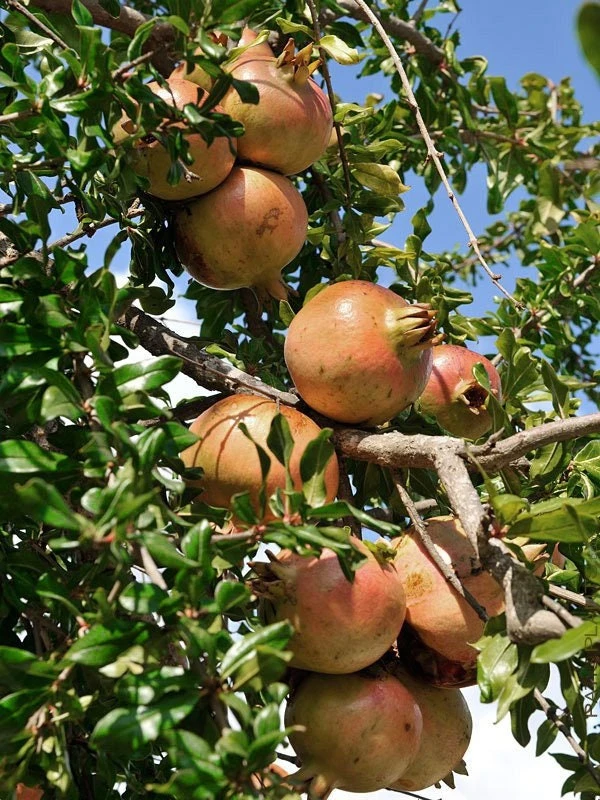
White Pomegranate Seeds – Punica Granatum – 50 Seeds for Planting
Original price was: 48.91 $.19.91 $Current price is: 19.91 $.
Cultivate your own unique fruit with these white pomegranate seeds (Punica granatum). Each packet contains 50 seeds, perfect for starting your own edible garden or ornamental shrub. Enjoy beautiful blooms and delicious fruit.
Estimated arrival
Nov 27
Dec 02 - Dec 04
Dec 04 - Dec 09
See our Shipping Policy.
Get in touch with us via email, and our team will review your concerns.
Our Alive & Thrive Guarantee covers issues with your plants within the first 30 days. Read our Refund & Returns Policy.
-
USDA Hardiness Zone
USDA zones 7b to 11 -
Soil Type
Well-draining soil, sandy loam preferred -
Sunlight Exposure
Full sun (6-8 hours daily) -
Expected Planting Period
Spring to early summer (after starting indoors)
Overview
Embark on a rewarding gardening journey with these premium white pomegranate seeds. Sourced from robust Punica granatum plants, these seeds offer the opportunity to grow a distinctive and beautiful shrub right in your own garden. Pomegranates are not only prized for their delicious and versatile fruit but also for their ornamental value, featuring vibrant blooms in spring and early summer. Growing your own Punica granatum seeds allows you to experience the full life cycle of this remarkable plant, from germination to fruit production. This shrub, known for its resilience and adaptability, can become a stunning focal point in your landscape while providing a bountiful harvest. Whether you are an experienced gardener or a beginner looking for an exciting new project, cultivating a pomegranate shrub care from seed is a fulfilling endeavor.
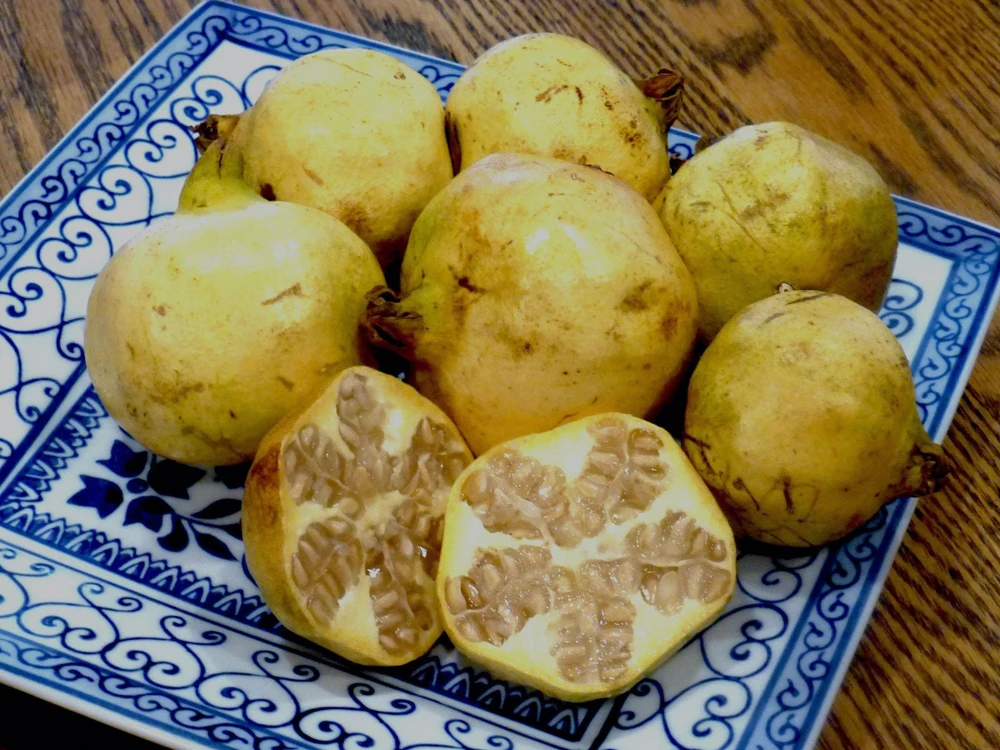
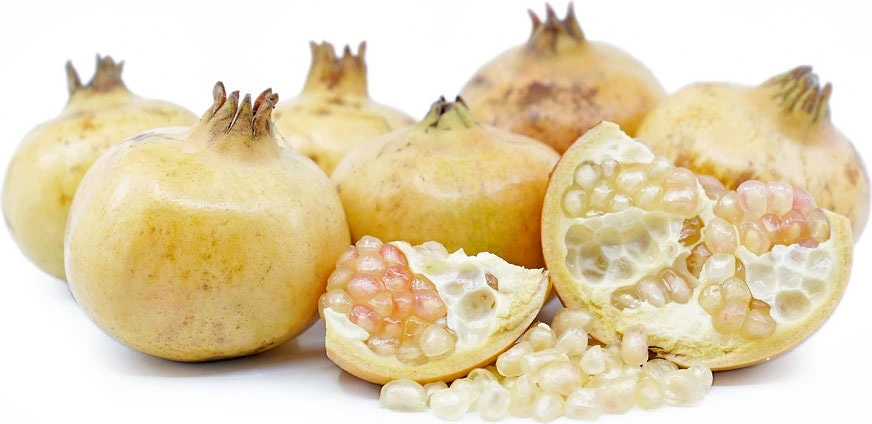
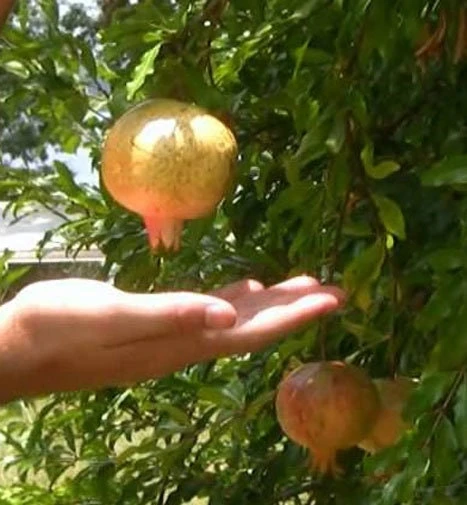
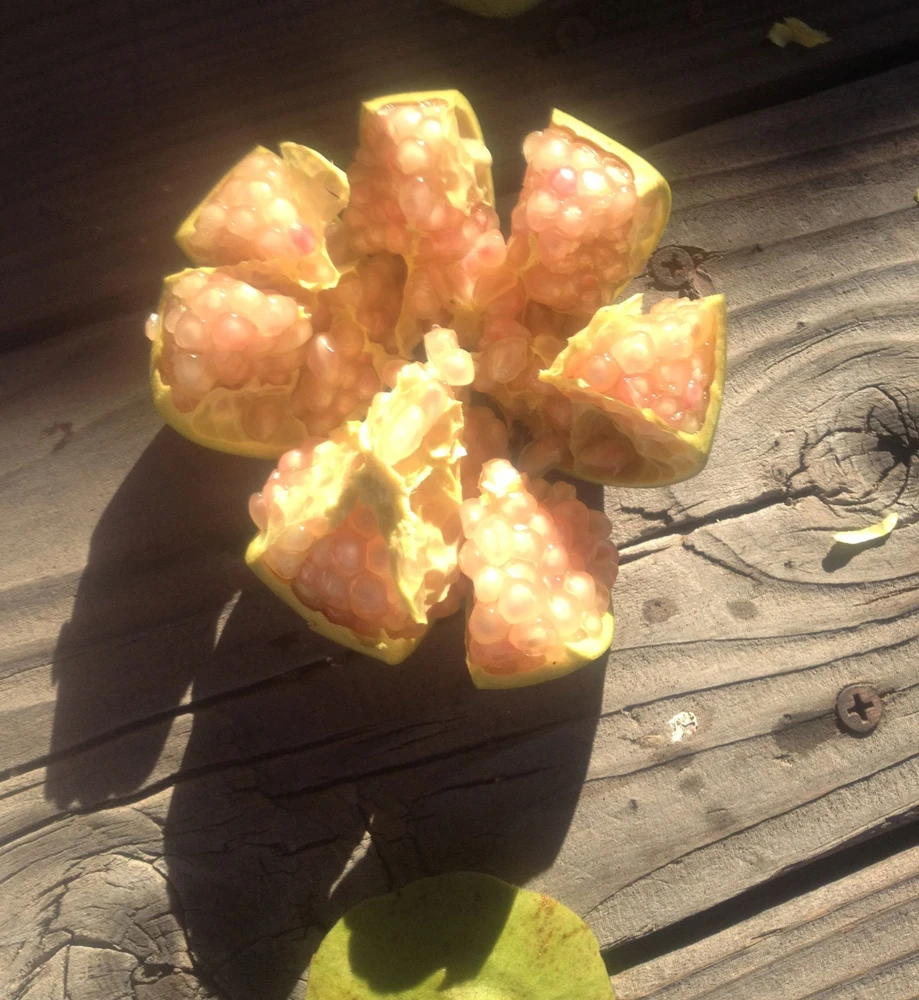
Our white pomegranate seeds are carefully harvested to ensure viability, providing you with the best possible start for your plants. The resulting shrubs produce unique white fruit with a subtle red tinge, offering a refreshing twist on the traditional pomegranate. Beyond their aesthetic appeal, these fruits are incredibly versatile, perfect for fresh eating, juicing, or incorporating into various culinary creations. Discover the joy of nurturing your own edible landscape and enjoy the satisfaction of harvesting fresh pomegranates directly from your garden. These seeds are a fantastic choice for anyone interested in sustainable living, homegrown produce, and adding an exotic touch to their outdoor space.
Key Benefits
Growing white pomegranate seeds offers a multitude of advantages, enriching both your garden and your culinary experiences:
- Unique Edible Fruit: Produce distinctive white pomegranates with a delightful flavor. The fruit can be enjoyed fresh, juiced, or used in a variety of recipes, from savory sauces to sweet desserts. You’ll love having fresh, homegrown fruit at your fingertips.
- Ornamental Value: The Punica granatum shrub boasts beautiful blooms that burst into color in mid-spring and continue through early summer, adding significant visual appeal to your garden landscape. Its lush foliage and attractive form make it a wonderful addition to any outdoor setting.
- Versatile Culinary Use: The fruit, leaves, and even the seeds of the pomegranate can be utilized. The juice is excellent for soups, sauces, jellies, ice cream, and cakes, offering a unique tart-sweet flavor. Explore new culinary possibilities with your harvest.
- Drought Tolerance: Once established, pomegranate shrubs are known for their resilience and ability to withstand drier conditions, making them a relatively low-maintenance option for many climates. This makes pomegranate shrub care easier in drought-prone areas.
- Adaptable Growth: While thriving in warmer zones, these shrubs are adaptable and can be grown in USDA Hardiness Zones 7b to 11, making them suitable for a wide range of gardening environments. This flexibility allows more gardeners to successfully grow pomegranate from seed.
- Health Benefits: Pomegranates are celebrated for their rich antioxidant content and various health-promoting properties, adding a nutritious element to your diet directly from your garden.
- Sustainable Gardening: By choosing to grow pomegranate from seed, you contribute to sustainable gardening practices, fostering biodiversity and enjoying fresh produce without a large carbon footprint.
Plant Care & Growing Tips
Successful cultivation of your white pomegranate seeds begins with proper planting and consistent care. Start your seeds indoors 6-8 weeks before the last frost date in your area. Use a high-quality seed starting mix and plant the seeds about ¼ inch deep. Keep the soil consistently moist but not waterlogged, and maintain a warm temperature of 70-80°F (21-27°C) for optimal germination. Once seedlings emerge and develop a few true leaves, they can be transplanted into larger pots. Gradually acclimate them to outdoor conditions before planting them in their permanent location after all danger of frost has passed. This careful start will help your Punica granatum seeds develop into strong, healthy plants.
For established plants, pomegranate shrub care is relatively straightforward. Pomegranates thrive in full sun, requiring at least 6-8 hours of direct sunlight per day to produce the best fruit. They prefer well-draining soil, ideally a sandy loam, but can tolerate a variety of soil types as long as drainage is adequate. Water regularly during the first year to help establish a strong root system. Once established, they are quite drought-tolerant but will benefit from deep watering during dry spells, especially when fruit is developing. Fertilize in early spring with a balanced fertilizer. Pruning should be done in late winter or early spring to remove dead or crossing branches and to shape the shrub for better air circulation and fruit production. Protect young plants from severe winter cold in the lower end of their hardiness zone range.
Understanding the specific needs of an edible pomegranate plant will ensure a bountiful harvest. While generally hardy, keep an eye out for common pests like aphids or whiteflies, and treat with organic solutions if necessary. Proper spacing, typically 10-15 feet apart, allows for adequate air circulation and sunlight. With consistent attention to these growing tips, your grow pomegranate from seed project will yield beautiful shrubs and delicious, unique white pomegranates for many seasons to come. Remember that patience is key when growing from seed, as it may take a few years for the shrub to reach full maturity and bear fruit.
Size & Details
Each packet contains 50 white pomegranate seeds, providing ample opportunity to establish multiple plants or share with fellow gardeners. The Punica granatum shrub typically grows to be about 4 feet tall at maturity, making it a manageable size for various garden designs, including hedges, specimen planting, or container growing in larger pots. These shrubs are known for their moderate growth rate, gradually developing into a robust and productive plant. When you grow pomegranate from seed, expect a period of establishment before significant fruit production begins, usually within 3-5 years.
These seeds will develop into an edible pomegranate plant that produces fruit with white flesh and a slight red tinge as it ripens. The fruit is ready for harvest in late summer to early fall. The hardiness of this shrub spans USDA Hardiness Zones 7b to 11, indicating its suitability for a wide range of climates across the US. The seeds are shipped in a protective packet to ensure their viability upon arrival, ready for immediate planting or storage in a cool, dry place until ready to sow. With proper pomegranate shrub care, these plants will bring beauty and delicious fruit to your garden for many years.
Frequently Asked Questions
- Q: How big does this pomegranate shrub get? A: The edible pomegranate plant typically grows to an average height of about 4 feet, making it a compact and manageable shrub for most gardens. Its size can be influenced by pruning and growing conditions.
- Q: Is this an indoor or outdoor plant? A: These white pomegranate seeds are intended for growing outdoor shrubs. While young seedlings can be started indoors, the mature plant thrives in outdoor conditions, especially in USDA Hardiness Zones 7b to 11.
- Q: How much sunlight does it need? A: For optimal growth and fruit production, the Punica granatum shrub requires full sun, meaning at least 6-8 hours of direct sunlight per day. Adequate sunlight is crucial for healthy fruit development.
- Q: Is this plant easy to care for? A: Once established, pomegranate shrubs are relatively easy to care for, known for their drought tolerance and resilience. They are a good choice for gardeners looking for a productive yet low-maintenance fruit-bearing plant. Beginners can successfully grow pomegranate from seed with proper guidance.
- Q: What condition will the seeds arrive in? A: Your Punica granatum seeds will arrive in a sealed packet, ensuring they are fresh and viable for planting. They are ready to be sown upon arrival or stored in a cool, dry place.
- Q: Can I use the fruit in cooking? A: Absolutely! The fruit from this edible pomegranate plant is highly versatile. Its juice can be used in soups, sauces, jellies, ice cream, and cakes, offering a unique flavor profile to a wide array of dishes.
- Q: When is the best time to plant these seeds? A: It’s best to start the white pomegranate seeds indoors 6-8 weeks before the last expected frost date in your area. This gives the seedlings a head start before transplanting them outdoors in spring.
- Q: How long does it take for the plant to bear fruit? A: When you grow pomegranate from seed, it typically takes 3-5 years for the shrub to mature enough to begin producing fruit. Patience will be rewarded with delicious harvests.
- Q: What USDA zones are suitable for this plant? A: This pomegranate shrub is suitable for USDA Hardiness Zones 7b to 11, indicating its ability to tolerate specific winter low temperatures within these ranges. Proper pomegranate shrub care will ensure its survival.
- Q: What type of soil does it prefer? A: Pomegranates prefer well-draining soil, ideally a sandy loam. However, they can adapt to various soil types as long as there is good drainage to prevent root rot.
Be the first to review “White Pomegranate Seeds – Punica Granatum – 50 Seeds for Planting”
Related products


You May Like

How to Grow Passion Flower (Passiflora) for Tropical Blooms
Few climbing vines in the home garden command attention quite like the exotic Passion Flower (Passiflora). [...]
Nov

Thanksgiving Cactus Care: How to Get Thanksgiving Cactus to Bloom
Is your Thanksgiving cactus growing well but not giving you any flowers? Maybe it looked [...]
Nov

How to Grow Garlic for a Bountiful Home Harvest
Garlic (Allium sativum) is one of the most satisfying, low-maintenance, and flavor-packed crops you can [...]
Oct

Hardneck vs. Softneck Garlic: Which Should You Grow?
Have you ever stood in front of a seed catalog in mid-September, staring at dozens [...]
1 Comment
Oct

When to Plant Music Garlic: Ultimate US Fall Guide
Have you ever spent your fall weekend placing carefully chosen garlic cloves into rich, dark [...]
1 Comment
Oct

5 Best Bulbs for Fall Planting: Brighten Your Garden This Spring
Are you dreaming of a garden full of vibrant colors in the spring? The key [...]
Aug

10 Houseplants That Will Thrive in Your Kitchen
Are you tired of your kitchen feeling dull and lifeless? Want to add a little [...]
1 Comment
Aug
Reviews
There are no reviews yet.